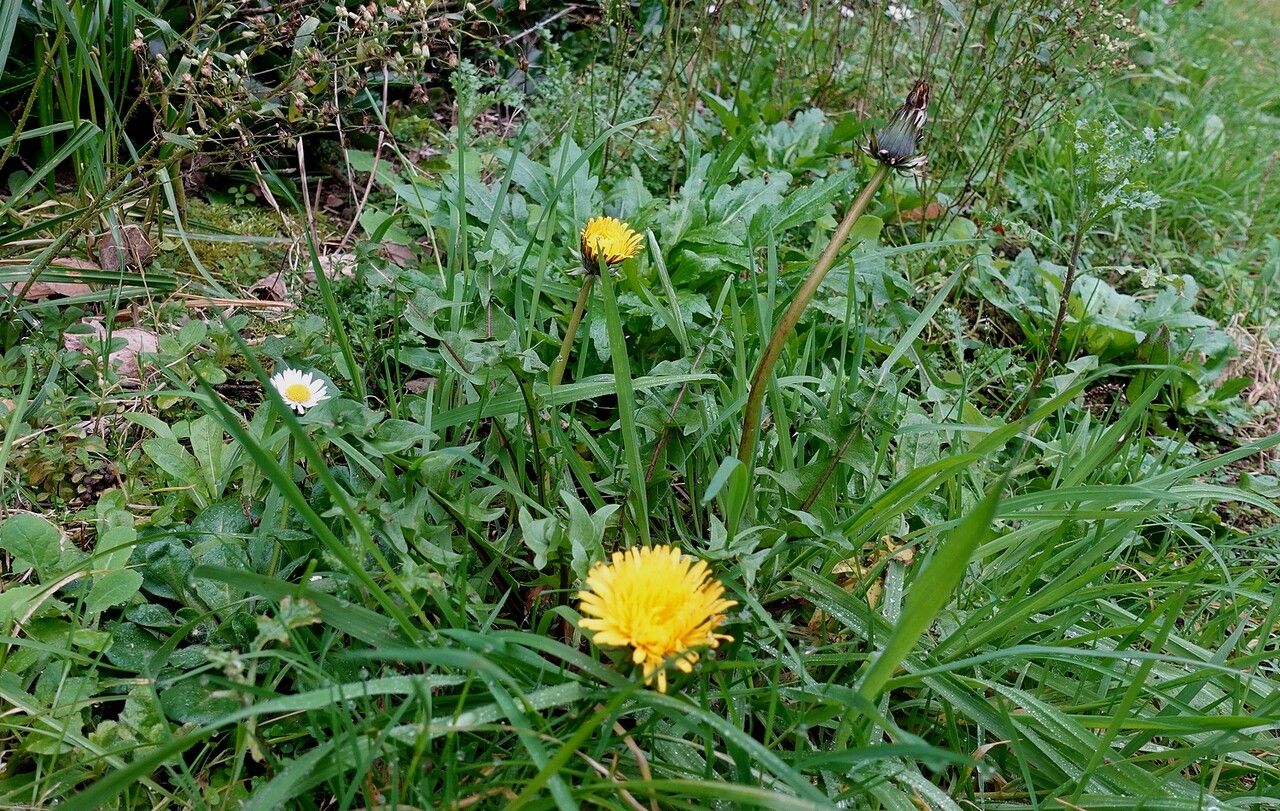
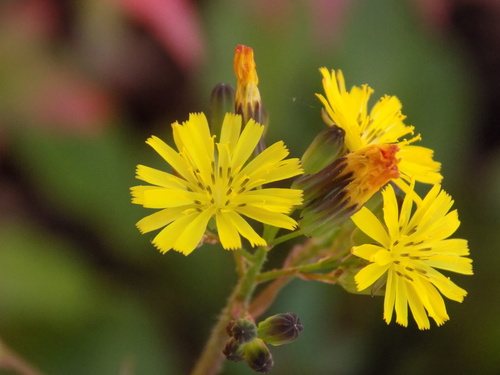
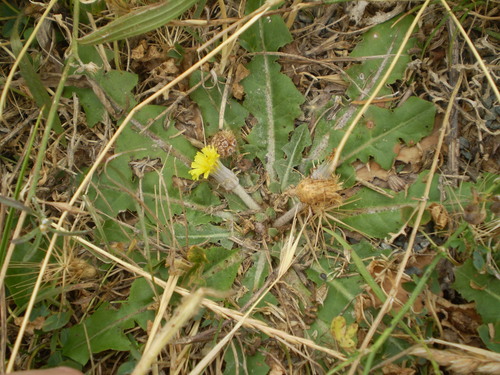
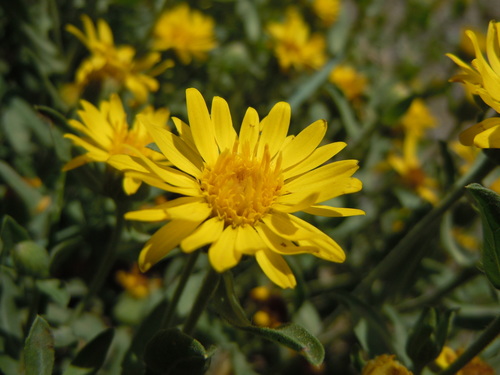
Greater Burdock
arctium lappa
Also known as: ["Lappa","Burdock"]
Overview
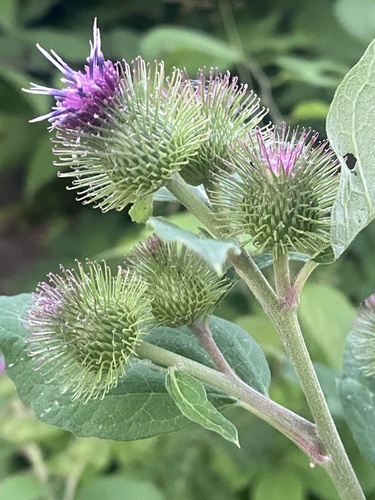
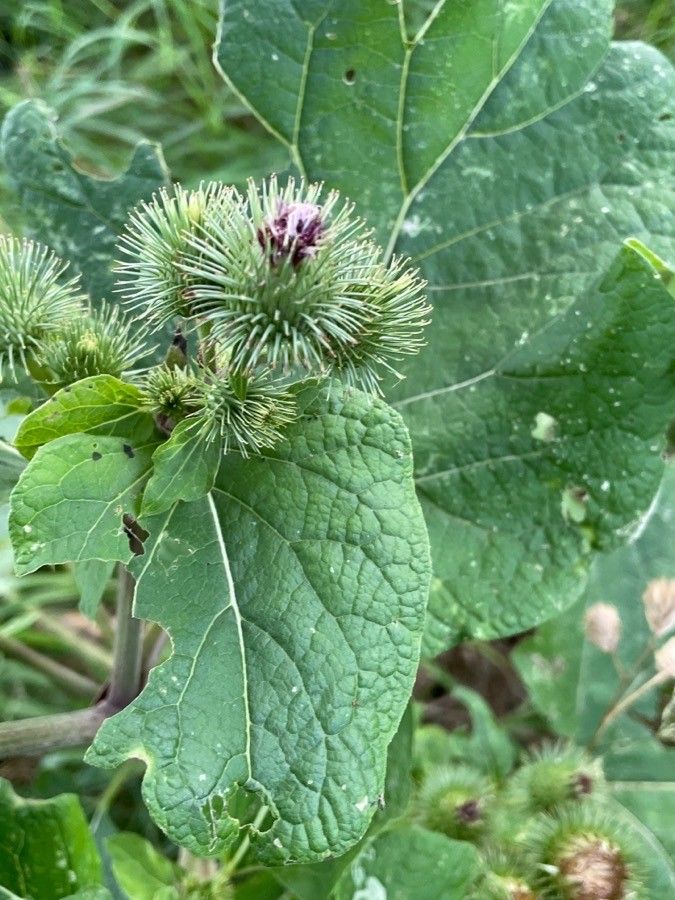
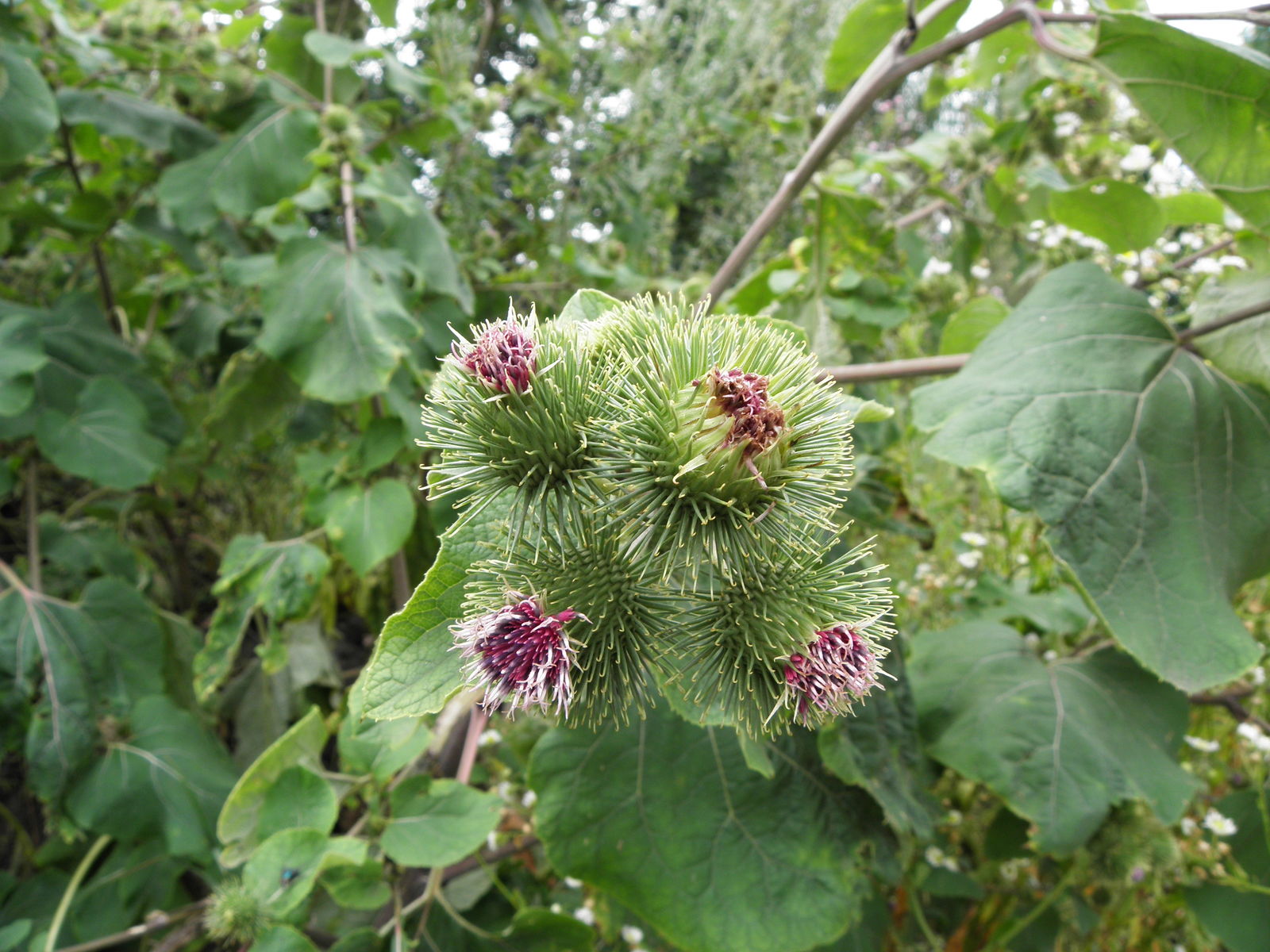
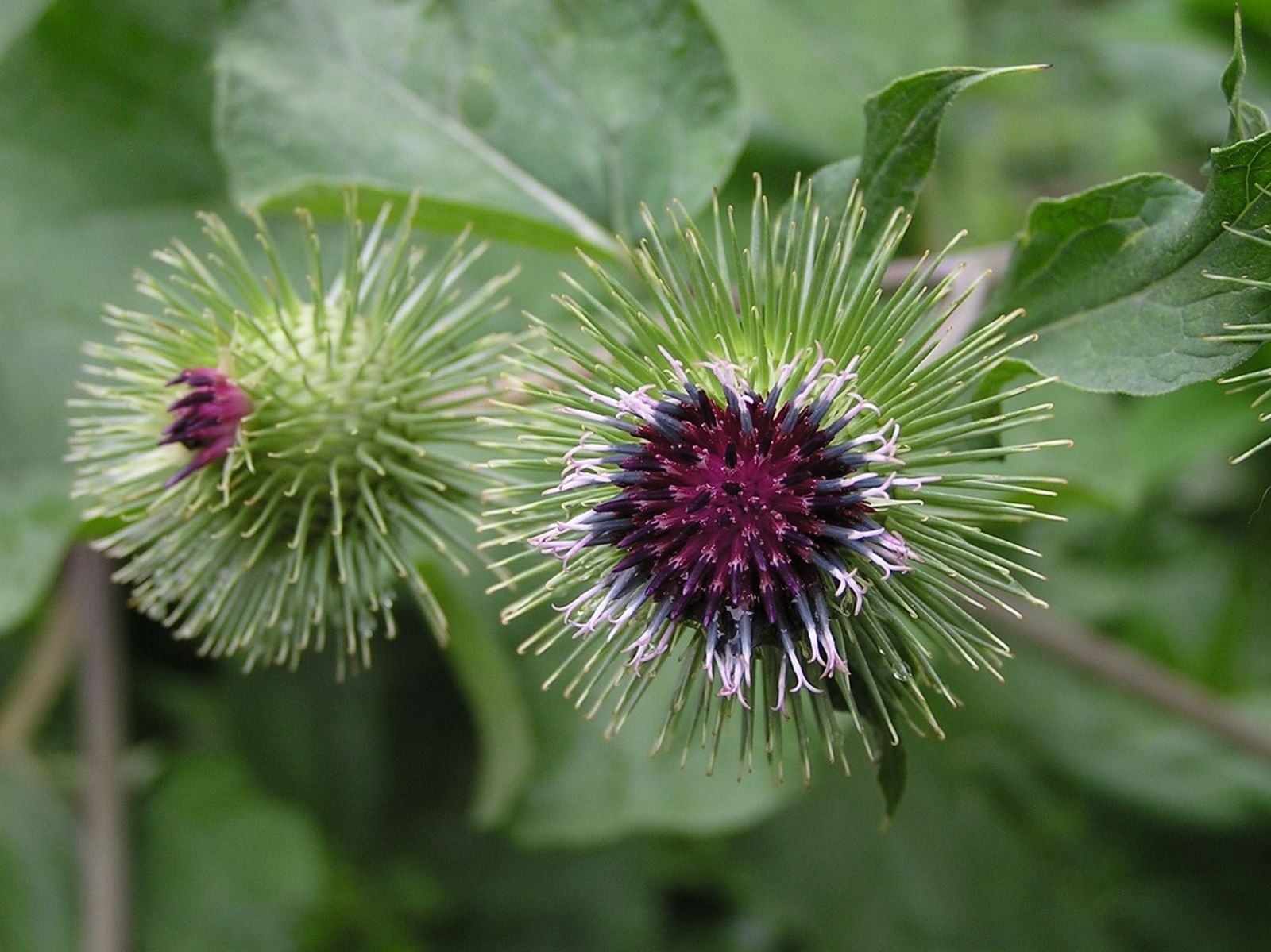
A biennial plant known for its large, edible roots and hooked bracts that cling to fur and clothing.
Benefits & Perks
["edible fruits","medicinal use","wildlife attractant (bees, butterflies, birds)"]
Botanical Classification
| Phylum: | Magnoliophyta |
| Class: | Magnoliopsida |
| Order: | Asterales |
| Family: | Asteraceae |
| Genus: | Arctium |
| Botanical Name: | Arctium lappa |
Plant Characteristics
Basic Information
- Category: Herbs & Weeds
- Suitable Location: garden bed or container in a location with good air circulation
- Suitable For:
- Is Weed: No
- Allergenicity: low
Environmental Needs
- Climate: {"temperatureRange":"5–30°C"}
- Hardiness: {"zones":"3–8"}
- Misting: rarely required, only if grown in very dry indoor conditions
- Drainage: Well-draining but moisture-retentive soil.
- Soil Type: Rich, loamy soil with good organic matter content.
Maintenance Level
- Maintenance Level: moderate
- Toughness Level: moderate
- Pruning Frequency: As needed; remove spent flower stalks after flowering to encourage further blooms (if applicable).
- Pruning Intensity: Light pruning; no heavy cutting required.
Care Details
Ideal Sunlight Coverage:
Full sun (6–8 hours/day) in cooler climates; partial shade in hot regions to prevent scorching.
Sunlight Tolerance Tips:
Acclimate plants gradually to intense sunlight; provide shade during peak afternoon heat in hot climates; adjust placement based on seasonal light intensity.
Care Requirements
Care Difficulty
easyeasy
Sunlight
full sun to partial shade
Rotate plants for even light exposure; use shade cloth in extreme heat; monitor for signs of sunburn.
Watering
every 7–10 days, allowing soil to dry slightly between waterings
Water thoroughly but infrequently; ensure soil dries between waterings; avoid overhead watering.
Soil
rich, well-drained loamy soil
pH: Slightly acidic to neutral (pH 6.0–7.0).
Ensure soil is fertile and well-draining; mulch to retain moisture; avoid waterlogged conditions.
Temperature
Prefers cool to moderate temperatures (60–75°F or 15–24°C); tolerates cooler nights but avoids extreme heat.
Monitor microclimates; protect from frost; shield from intense summer heat.
Fertilizing
every 4–6 weeks during active growth with balanced liquid fertilizer
Fertilize sparingly; apply before active growth; stop fertilizing in late summer.
Propagation
Methods
Seed propagation is most common; direct sow in early spring or start indoors 4–6 weeks before last frost.
Step-by-Step Propagation Guide
- Sow seeds 1/4 inch deep.
- Thin seedlings to 12–18 inches apart.
- Water gently until established.
Best Time: Early spring for seeds; late summer for root cuttings (less common).
Environment
Warm, moist conditions for germination; full sun once established.
Medium
Well-draining seed starting mix or garden soil for direct sowing.
Hormone
Not required for seeds; rooting hormone may aid root cuttings if used.
Timeline
Seeds germinate in 1–3 weeks; plants reach maturity in 90–120 days.
Tools Needed
Seed trays or garden space, soil, water, labels.
Quick Tips
Sow seeds directly; thin seedlings early; ensure consistent moisture for germination.
Pruning & Repotting
Pruning Guide
Method
Snip off dead or yellowing leaves; cut back flower stalks after seed set.
Pruning Plan
Minimal pruning needed; focus on removing dead or damaged foliage to maintain plant health.
Tools
Hand pruners or scissors.
Checklist
Inspect for dead/damaged parts; sanitize tools; remove carefully.
Repotting Guide
Best Season
Not applicable for garden-grown plants.
Pot Size
Not applicable for garden-grown plants.
Method
Not applicable for garden-grown plants.
Suggestions
Not typically repotted; grown as annuals or biennials in gardens.
Checklist
Not applicable for garden-grown plants.
Advanced Care Tips
Watering Mastery
Watering Checklist
Check soil moisture; water deeply; ensure drainage; avoid wetting foliage.
How to Apply Water Properly
Water at the base of the plant, ensuring moisture reaches the root zone; allow excess water to drain away; water early in the day to minimize evaporation.
Watering Schedule Tips
Water deeply once the top inch of soil is dry; reduce frequency in winter to prevent root rot.
Soil Improvement
Add compost or well-rotted manure to enhance fertility and structure; incorporate perlite or sand for drainage if needed.
Temperature Stress Management
Signs of Temperature Issues
Wilting, yellowing leaves, stunted growth, or premature flowering in response to stress.
Cold Stress
Slows growth and may cause leaf damage or dieback in prolonged freezing conditions.
Solution: Provide frost protection with row covers; choose sheltered planting sites; avoid overwatering in cold weather.
Hot Stress
Leaves may wilt, scorch, or drop; flowering and seed production may be reduced.
Solution: Provide afternoon shade; increase watering frequency; use mulch to retain soil moisture.
Fertilizing Guide
Fertilizing Checklist
Use balanced fertilizer; apply at recommended rates; avoid late-season feeding.
Fertilizing Method
Use balanced, slow-release fertilizer in early spring; avoid excessive nitrogen to prevent lush foliage at the expense of roots/flowers.
Common Problems & Solutions
Toxicity Warning
Cats
Non-toxicArctium lappa is not considered toxic to cats. The plant is generally safe for feline consumption, though large quantities may cause mild gastrointestinal upset due to its fibrous nature.
⚠️ Symptoms:
🌿 Toxic Parts:
⚡ Toxic If:
if ingested
Dogs
Non-toxicArctium lappa is not considered toxic to dogs. The plant is generally safe for canine consumption, though large quantities may cause mild gastrointestinal upset due to its fibrous nature.
⚠️ Symptoms:
🌿 Toxic Parts:
⚡ Toxic If:
if ingested
Humans
Slightly ToxicArctium lappa, commonly known as greater burdock, is generally considered safe for consumption in moderate amounts. However, excessive intake may lead to mild gastrointestinal discomfort due to its high fiber content and potential irritant properties.
⚠️ Symptoms:
🌿 Toxic Parts:
⚡ Toxic If:
if eaten in large quantities
Frequently Asked Questions
Q: Is Greater Burdock edible?
A: Yes, the roots are edible and often used in culinary and medicinal applications.
Q: Does Greater Burdock attract wildlife?
A: Yes, it attracts bees, butterflies, and birds due to its flowers and seeds.
Q: How should Greater Burdock be cared for?
A: It prefers full sun to partial shade and well-drained soil, with moderate watering.
Quick Reference

| Family: | Asteraceae |
| Care: | easy |
| Light: | full sun to partial shade |
| Water: | every 7–10 days, allowing so |
Get Expert Care Tips
Download the Plantious app for personalized care reminders and plant identification!
Google Play App Store