Meadow Garlic
allium canadense
Also known as: ["Wild Garlic","Meadow Onion","Wild Onion"]
Overview
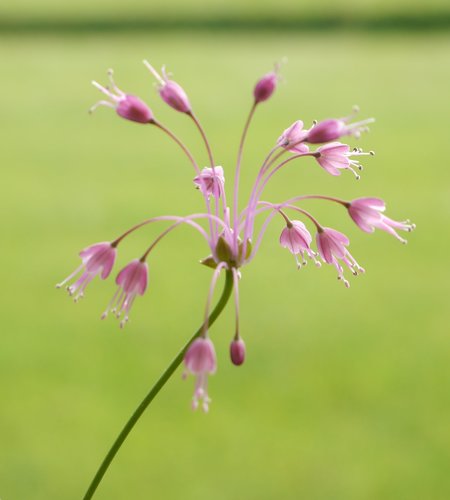
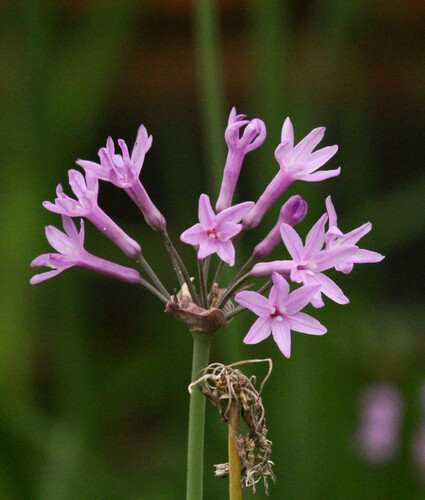
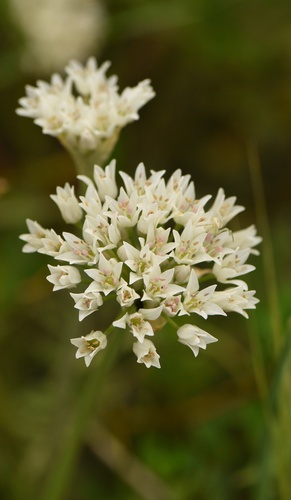
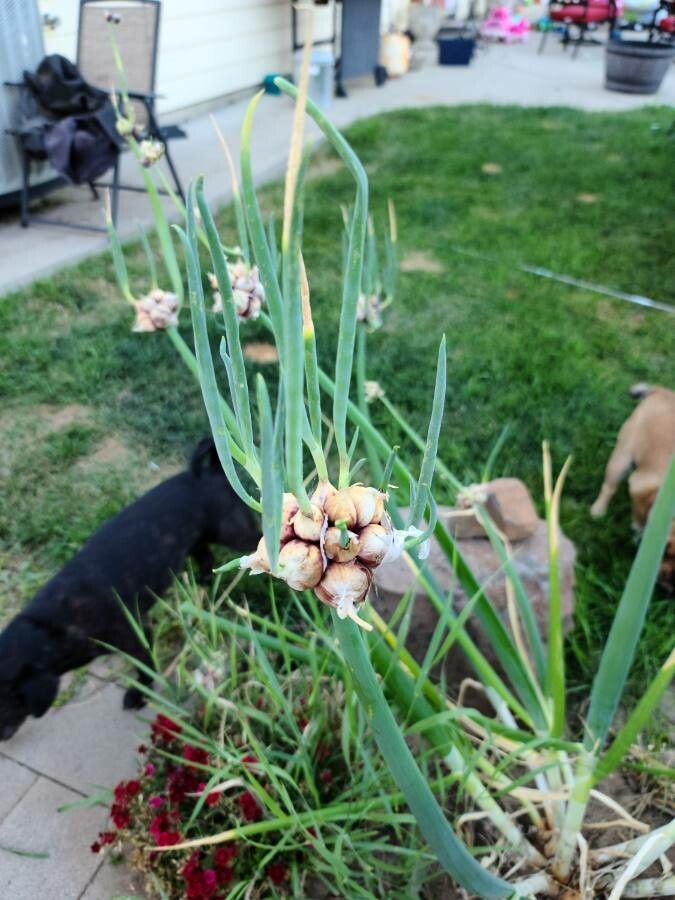
A perennial bulbous plant native to North America, characterized by its grass-like leaves and small, white, star-shaped flowers.
Benefits & Perks
["wildlife attractant (bees, butterflies, birds)","drought tolerant","aesthetic foliage"]
Botanical Classification
| Phylum: | Magnoliophyta |
| Class: | Liliopsida |
| Order: | Asparagales |
| Family: | Amaryllidaceae |
| Genus: | Allium |
| Botanical Name: | Allium canadense |
Plant Characteristics
Basic Information
- Category: Herbs & Weeds
- Suitable Location: garden bed or naturalized area in temperate climates
- Suitable For:
- Is Weed: No
- Allergenicity: low
Environmental Needs
- Climate: {"temperatureRange":"–30–40°C"}
- Hardiness: {"zones":"3–9"}
- Misting: rarely required
- Drainage: Fast-draining.
- Soil Type: Well-draining, sandy loam with some organic matter.
Maintenance Level
- Maintenance Level: low
- Toughness Level: moderate
- Pruning Frequency: Annually after flowering or in late winter.
- Pruning Intensity: Light pruning.
Care Details
Ideal Sunlight Coverage:
Full sun (6–8 hours of direct sunlight daily); tolerates partial shade but may produce fewer flowers.
Sunlight Tolerance Tips:
Acclimate plants gradually if moving from shade to sun; protect from intense midday sun in hot climates; ensure good air circulation to prevent fungal issues.
Care Requirements
Care Difficulty
easyeasy
Sunlight
full sun to partial shade
Rotate pots for even growth; use shade cloth in extreme heat; avoid placing in drafty areas.
Watering
every 7–10 days during active growth, less frequently in dormant periods
Water at the base to avoid foliage disease; ensure soil dries slightly between waterings; avoid overwatering, especially in winter.
Soil
well-drained, sandy or loamy soil
pH: Slightly acidic to neutral (pH 6.0–7.0).
Avoid heavy clay soils; ensure soil dries between waterings; amend with organic matter for better texture.
Temperature
Hardy in USDA zones 3–8; tolerates cold winters and moderate heat; prefers temperatures between 60–75°F (15–24°C) during active growth.
Protect from frost in early spring; water early to avoid heat stress; adjust watering with temperature changes.
Fertilizing
every 3–4 months during spring and summer
Fertilize sparingly; avoid fertilizing during dormancy; apply fertilizer around the base, not directly on bulbs.
Propagation
Methods
Division of bulbs; seed propagation is possible but slower.
Step-by-Step Propagation Guide
- Dig up bulbs in early spring or fall.
- Separate small bulbs from the mother bulb.
- Replant immediately at the same depth.
Best Time: Early spring or fall when plants are dormant or just beginning growth.
Environment
Warm, humid conditions for seeds; well-drained, sunny location for bulbs.
Medium
Well-draining soil mix, such as cactus mix or sandy loam.
Hormone
Not necessary for bulb division; optional for seeds to improve germination.
Timeline
Bulbs establish quickly after division; seeds may take 1–2 years to flower.
Tools Needed
Garden fork, sharp knife, gloves.
Quick Tips
Divide bulbs every 3–4 years to prevent overcrowding; store divided bulbs in a cool, dry place if not planting immediately.
Pruning & Repotting
Pruning Guide
Method
Snip off flower stalks at the base; cut dead foliage back to ground level.
Pruning Plan
Minimal pruning needed; remove spent flower stalks to encourage bulb growth; trim dead foliage in late winter or early spring.
Tools
Hand pruners, scissors.
Checklist
Remove spent flowers; cut back dead foliage; avoid cutting green leaves.
Repotting Guide
Best Season
Early spring before active growth begins.
Pot Size
Increase pot size by 2–3 inches if repotting in a container.
Method
Gently lift bulbs, remove old soil, and replant in fresh, well-draining soil; ensure bulbs are planted at the correct depth.
Suggestions
Not typically needed for outdoor plants; container-grown plants may need repotting every 2–3 years.
Checklist
Use fresh soil; ensure good drainage; plant bulbs at the correct depth; water lightly after repotting.
Advanced Care Tips
Watering Mastery
Watering Checklist
Check soil moisture before watering; water deeply but infrequently; ensure proper drainage; adjust for seasonal changes.
How to Apply Water Properly
Water directly at the root zone until the soil is moist to a depth of 6–8 inches; ensure excess water drains away to prevent root rot; water early in the morning to minimize evaporation.
Watering Schedule Tips
Water deeply once a week during active growth, reducing frequency in winter or dormant periods; adjust based on rainfall and soil moisture retention.
Soil Improvement
Add sand or perlite to improve drainage; incorporate compost for fertility; ensure soil is not compacted.
Temperature Stress Management
Signs of Temperature Issues
Yellowing or browning leaves in excessive heat; stunted growth or bulb rot in cold, wet conditions; delayed flowering in overly cool temperatures.
Cold Stress
Bulbs may rot if soil remains waterlogged in winter; foliage may die back but regrow in spring if not severely frozen.
Solution: Ensure well-draining soil to prevent bulb rot; mulch heavily in winter in colder zones; avoid overwatering during dormancy.
Hot Stress
Leaves may wilt or scorch in intense heat; flowering may be reduced; bulbs may struggle if soil dries out too quickly.
Solution: Provide afternoon shade in extreme heat; water deeply and mulch to retain soil moisture; ensure good air circulation.
Fertilizing Guide
Fertilizing Checklist
Use balanced fertilizer; apply in early spring; avoid over-fertilizing; stop in late summer.
Fertilizing Method
Use a balanced, slow-release fertilizer in early spring; avoid high-nitrogen fertilizers; discontinue fertilizing in late summer or fall.
Common Problems & Solutions
Toxicity Warning
Cats
ToxicAllium canadense is toxic to cats, as the sulfur compounds it contains can cause oxidative damage to red blood cells, resulting in hemolytic anemia. Cats are particularly sensitive to these compounds.
⚠️ Symptoms:
🌿 Toxic Parts:
⚡ Toxic If:
if eaten
Dogs
ToxicAllium canadense is toxic to dogs due to the presence of N-propyl disulfide, which causes oxidative damage to red blood cells, leading to hemolytic anemia. Even small amounts can be harmful.
⚠️ Symptoms:
🌿 Toxic Parts:
⚡ Toxic If:
if eaten
Humans
Slightly ToxicAllium canadense contains compounds similar to those found in onions and garlic, which can cause gastrointestinal irritation and oxidative damage to red blood cells upon ingestion. The toxicity is generally mild in humans but can be more pronounced with large quantities.
⚠️ Symptoms:
🌿 Toxic Parts:
⚡ Toxic If:
if eaten
Frequently Asked Questions
Q: Is Allium canadense edible?
A: Yes, the bulbs and leaves are edible and have a mild garlic flavor, but should be consumed in moderation due to mild toxicity.
Q: Does Allium canadense attract wildlife?
A: Yes, it attracts bees, butterflies, and other pollinators.
Q: How should I care for Allium canadense?
A: Plant in well-drained soil in full sun to partial shade. Water moderately and allow the soil to dry between waterings.
Quick Reference
| Family: | Amaryllidaceae |
| Care: | easy |
| Light: | full sun to partial shade |
| Water: | every 7–10 days during activ |
Get Expert Care Tips
Download the Plantious app for personalized care reminders and plant identification!
Google Play App Store