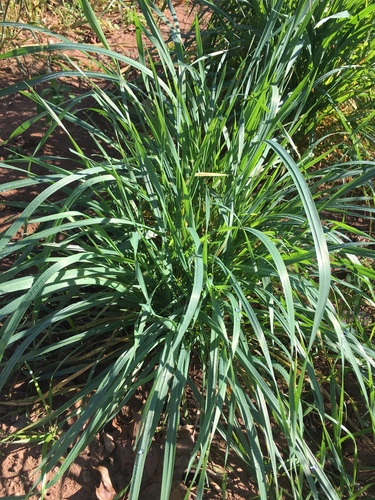
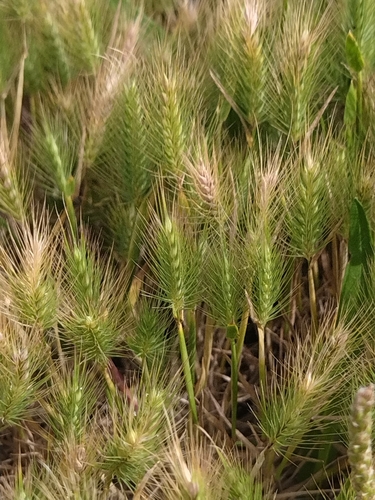
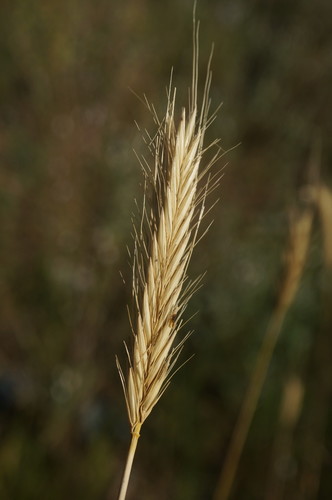
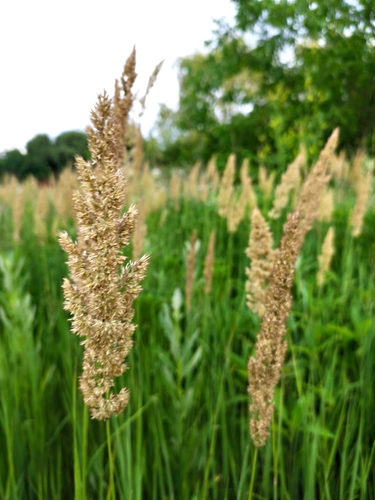
Gautier's Fescue
festuca gautieri
Also known as: ["Gautier's Bluegrass"]
Overview
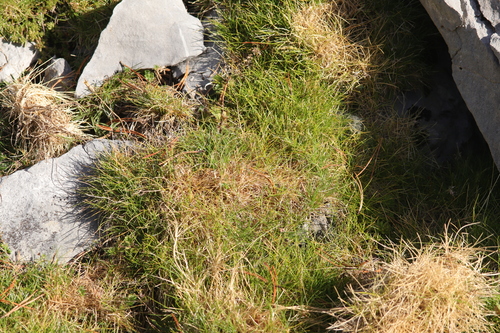
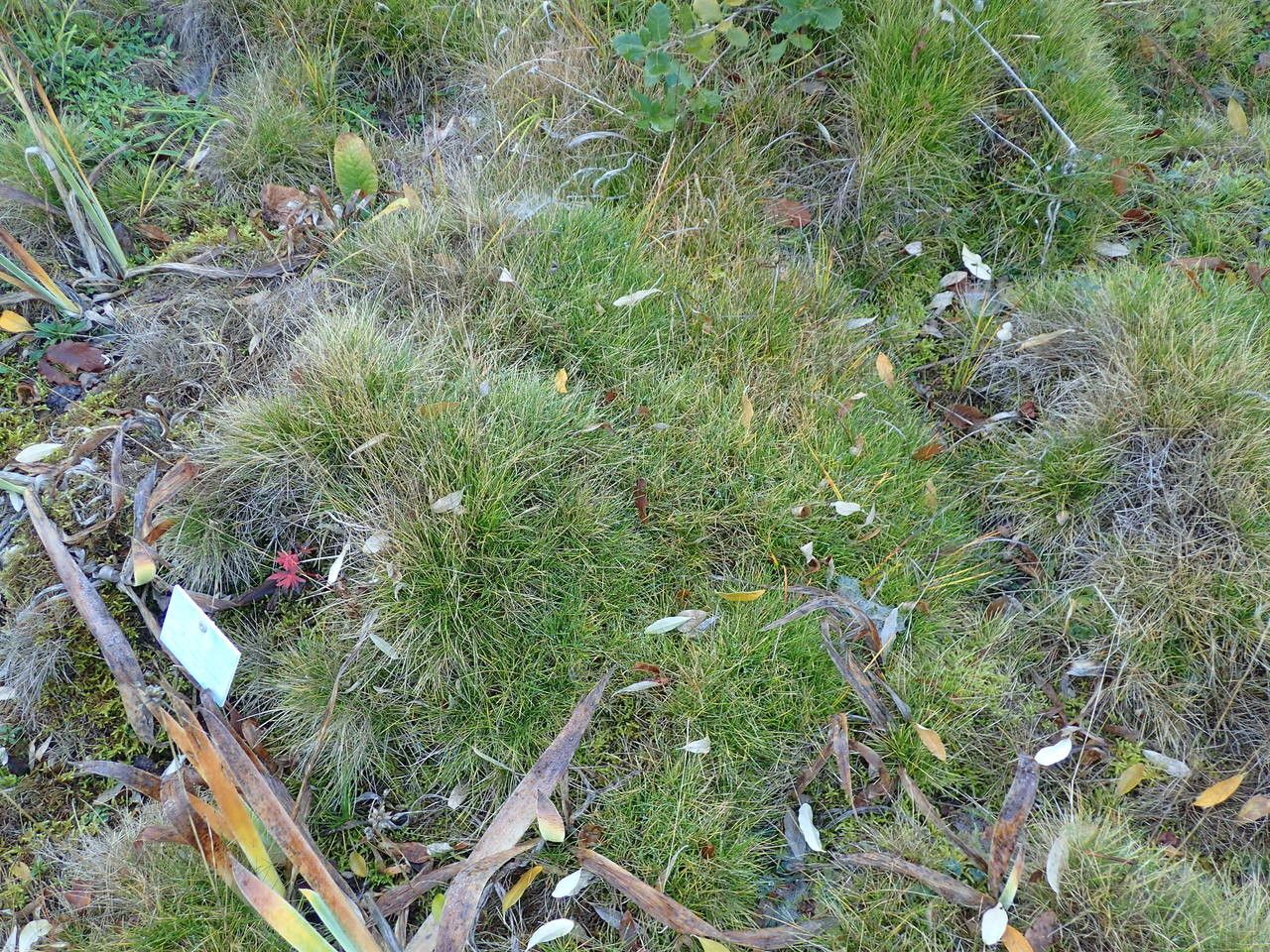
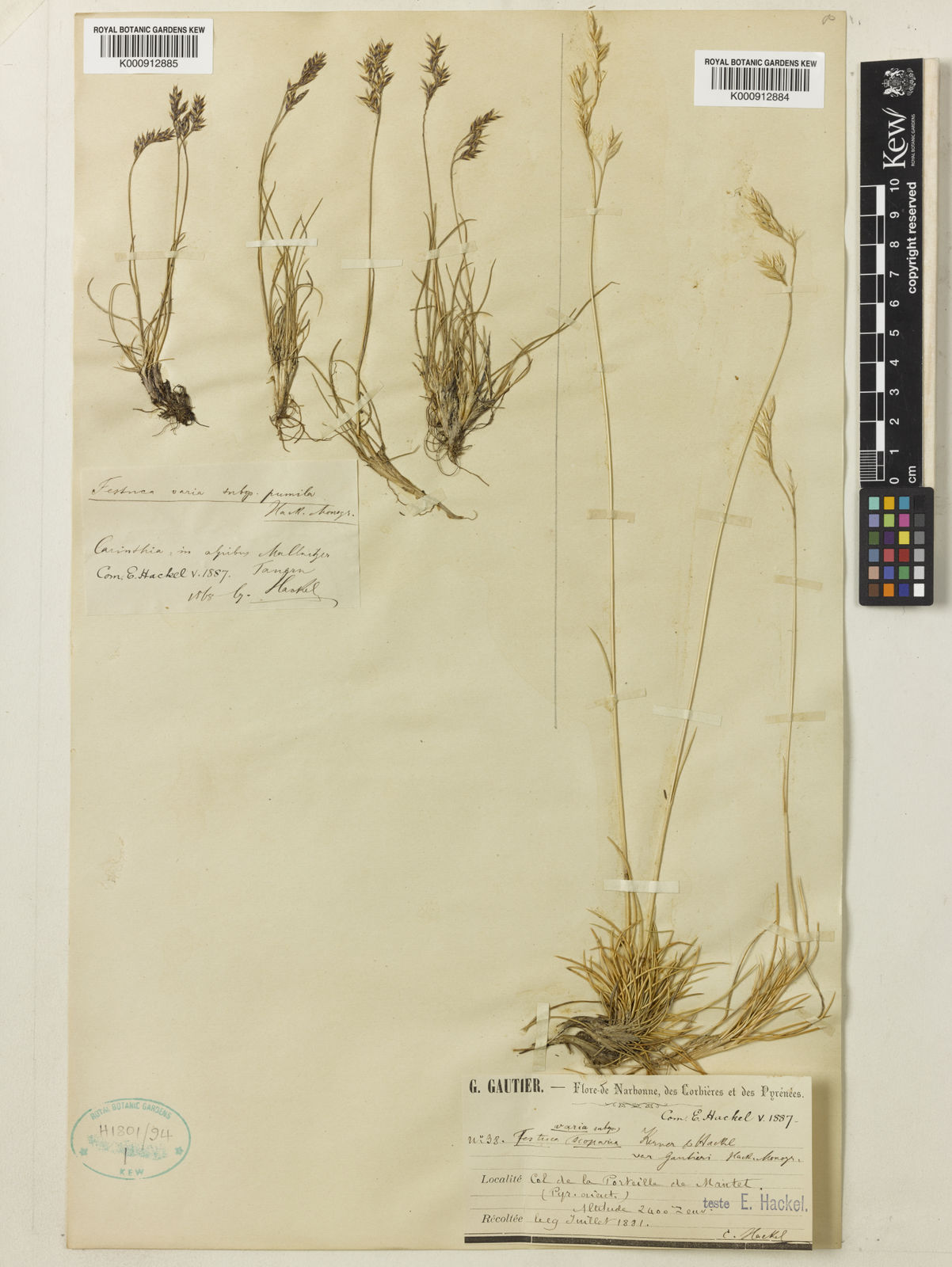
A perennial grass species native to Europe, characterized by its fine, tufted foliage and ecological significance in grassland ecosystems.
Benefits & Perks
["drought tolerant","shade tolerant","wildlife attractant (bees, butterflies, birds)"]
Botanical Classification
| Phylum: | Magnoliophyta |
| Class: | Liliopsida |
| Order: | Poales |
| Family: | Poaceae |
| Genus: | Festuca |
| Botanical Name: | Festuca gautieri |
Plant Characteristics
Basic Information
- Category: Grasses
- Suitable Location: rock gardens, border plantings, or containers in temperate climates
- Suitable For:
- Is Weed: No
- Allergenicity: low
Environmental Needs
- Climate: {"temperatureRange":"0–35°C"}
- Hardiness: {"zones":"5–8"}
- Misting: rarely required, only if ambient humidity is very low
- Drainage: Fast-draining to prevent waterlogging.
- Soil Type: Well-draining, sandy loam with some organic matter; avoid heavy clay soils.
Maintenance Level
- Maintenance Level: low
- Toughness Level: high
- Pruning Frequency: Annually in early spring before new growth begins; remove dead foliage as needed throughout the year.
- Pruning Intensity: Light to moderate; remove only dead or overgrown parts without drastically reducing plant size.
Care Details
Ideal Sunlight Coverage:
Full sun (6–8 hours of direct sunlight daily); tolerates partial shade but may become less dense in low light.
Sunlight Tolerance Tips:
Acclimate plants gradually to intense sunlight; avoid sudden exposure to prevent scorching; for indoor placement, provide the brightest possible location with direct or bright indirect light.
Care Requirements
Care Difficulty
easymoderate
Sunlight
full sun to partial shade
Rotate plant regularly for even growth; use sheer curtains to filter intense summer sun; monitor for signs of sunburn.
Watering
every 7–10 days during active growth, less frequently in winter
Water thoroughly but infrequently; ensure soil dries out between waterings; avoid overwatering to prevent root rot.
Soil
well-drained, sandy loam with moderate organic content
pH: Slightly acidic to neutral (pH 6.0–7.0).
Ensure soil dries between waterings; amend heavy soils with sand or perlite; avoid waterlogged conditions.
Temperature
Prefers cool to moderate temperatures (60–75°F or 15–24°C); can tolerate temperatures down to 20°F (-6°C) in winter.
Protect from frost in winter; provide shade during summer heatwaves; maintain consistent temperatures for optimal growth.
Fertilizing
every 2–3 months during spring and summer
Fertilize only during active growth; avoid over-fertilizing to prevent salt buildup; use a balanced formula for overall health.
Propagation
Methods
Division is the most reliable method; stem cuttings can also be used but are less common.
Step-by-Step Propagation Guide
- Divide clumps into smaller sections with roots.
- Plant divisions at the same depth as the parent.
- Water lightly and keep in shade until established.
Best Time: Early spring or early fall when the plant is actively growing but not under stress.
Environment
Warm, humid environment with indirect light; maintain consistent moisture in the medium.
Medium
Well-draining soil mix such as cactus mix or sandy loam with added perlite.
Hormone
Rooting hormone is optional but can improve success rates for stem cuttings.
Timeline
Division: immediate establishment; stem cuttings: roots in 4–6 weeks, full establishment in 3–4 months.
Tools Needed
Sharp, sterile knife or shears, trowel, rooting hormone (optional), well-draining medium.
Quick Tips
Divide plants every 2–3 years to maintain vigor; ensure each division has healthy roots and foliage; keep cuttings humid until roots form.
Pruning & Repotting
Pruning Guide
Method
Hand-pull or cut out dead foliage; shear back straggly growth to encourage denser regrowth.
Pruning Plan
Remove dead or damaged foliage to maintain appearance and health; thin out dense clumps to improve air circulation.
Tools
Hand pruners, gloves, rake (for collecting debris).
Checklist
Remove dead/damaged foliage; thin dense areas; prune in early spring; clean tools after use.
Repotting Guide
Best Season
Early spring before active growth begins.
Pot Size
Increase pot size by 1–2 inches (2.5–5 cm) in diameter; avoid overly large pots.
Method
Gently remove the plant; trim any dead roots; place in a pot with fresh, well-draining soil; water lightly after repotting.
Suggestions
Repot every 2–3 years or when the plant becomes root-bound; Festuca gautieri prefers slightly crowded roots but benefits from fresh soil.
Checklist
Choose appropriate pot size; use well-draining soil; trim dead roots; water lightly after repotting; place in shade for a few days.
Advanced Care Tips
Watering Mastery
Watering Checklist
Check soil moisture before watering; water deeply; ensure proper drainage; adjust frequency by season.
How to Apply Water Properly
Water directly at the base of the plant, ensuring moisture reaches the root zone; water until it drains from the bottom but avoid waterlogging; water early in the morning to minimize evaporation.
Watering Schedule Tips
Water deeply once every 7–10 days during active growth in spring and summer; reduce frequency to every 3–4 weeks in fall and winter, allowing soil to dry completely between waterings.
Soil Improvement
Add perlite or coarse sand to improve drainage; incorporate compost for organic matter; ensure soil is loose and friable.
Temperature Stress Management
Signs of Temperature Issues
Chlorosis or browning of foliage in excessive heat; stunted growth or dieback in prolonged cold.
Cold Stress
Prolonged exposure to freezing temperatures can damage foliage and weaken the plant; may enter dormancy in very cold conditions.
Solution: Provide winter protection with mulch; avoid planting in areas prone to frost pockets; ensure good air circulation to prevent cold moisture buildup.
Hot Stress
Excessive heat can cause foliage to scorch, wilt, or turn brown; may go dormant during heatwaves.
Solution: Provide partial shade during peak heat; increase watering frequency; ensure good air circulation to reduce heat stress.
Fertilizing Guide
Fertilizing Checklist
Use balanced fertilizer; apply in early spring; avoid late-season fertilization; dilute liquid fertilizers.
Fertilizing Method
Use a balanced, slow-release fertilizer in early spring; avoid fertilizing in late summer or fall to prevent new growth vulnerable to winter damage; dilute liquid fertilizer to half-strength if used.
Common Problems & Solutions
Toxicity Warning
Cats
Non-toxicFestuca gautieri is not known to be toxic to cats. It does not pose a significant risk if ingested in small amounts.
🌿 Toxic Parts:
⚡ Toxic If:
if eaten
Dogs
Non-toxicFestuca gautieri is not known to be toxic to dogs. It does not pose a significant risk if ingested in small amounts.
🌿 Toxic Parts:
⚡ Toxic If:
if eaten
Humans
Non-toxicFestuca gautieri is not known to have any toxic effects on humans. It is generally considered safe for consumption in small quantities.
🌿 Toxic Parts:
⚡ Toxic If:
if eaten
Frequently Asked Questions
Q: Is Festuca gautieri suitable for lawns?
A: While it can be used in lawns, it is more commonly appreciated for its ornamental and ecological value rather than as a primary turf grass.
Q: How does Festuca gautieri benefit wildlife?
A: It provides habitat and food for various insects, birds, and small mammals, contributing to biodiversity in grassland habitats.
Q: What are the ideal growing conditions for Festuca gautieri?
A: It thrives in well-drained soils and full sun to partial shade, with moderate water requirements once established.
Quick Reference
| Family: | Poaceae |
| Care: | easy |
| Light: | full sun to partial shade |
| Water: | every 7–10 days during activ |
Get Expert Care Tips
Download the Plantious app for personalized care reminders and plant identification!
Google Play App Store