Spelt
triticum spelta
Also known as: ["Spelt wheat","Dinkel wheat"]
Overview
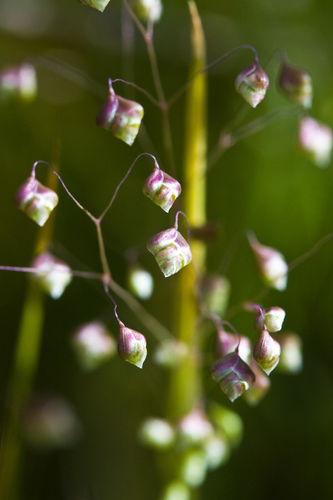
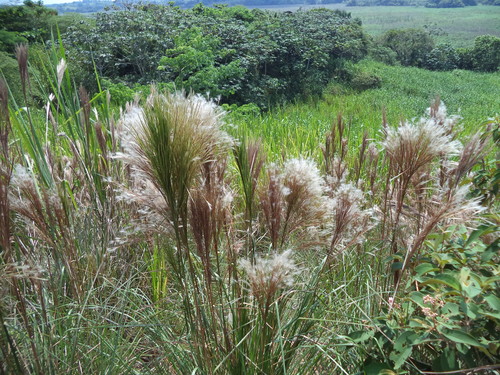
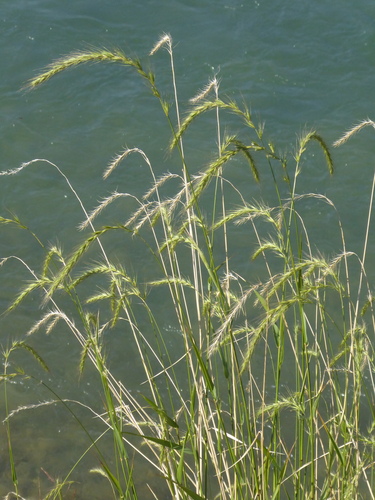
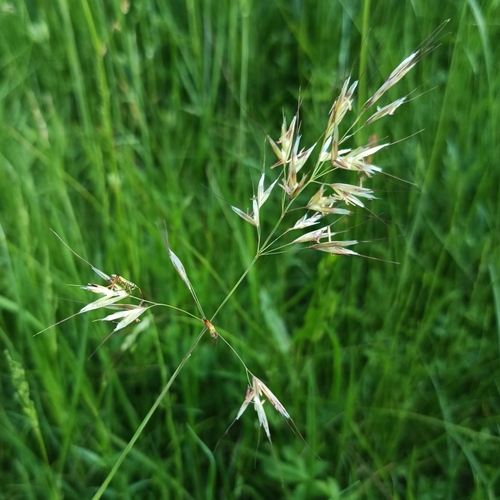
Spelt is an ancient species of wheat that has been cultivated for thousands of years. It is valued for its nutritional content and hardiness.
Benefits & Perks
["edible fruits","drought tolerant","culinary herb"]
Botanical Classification
| Phylum: | Magnoliophyta |
| Class: | Liliopsida |
| Order: | Poales |
| Family: | Poaceae |
| Genus: | Triticum |
| Botanical Name: | Triticum spelta |
Plant Characteristics
Basic Information
- Category: Fruits
- Suitable Location: outdoor field or garden
- Suitable For:
- Is Weed: No
- Allergenicity: moderate
Environmental Needs
- Climate: {"temperatureRange":"5–30°C"}
- Hardiness: {"zones":"4–8"}
- Misting: rarely required
- Drainage: Moderate to fast-draining; avoid waterlogged conditions.
- Soil Type: Loamy, fertile soil with good organic matter content; well-draining but moisture-retentive.
Maintenance Level
- Maintenance Level: low
- Toughness Level: high
- Pruning Frequency: N/A
- Pruning Intensity: N/A
Care Details
Ideal Sunlight Coverage:
Full sun (6–8 hours of direct sunlight daily); tolerates partial shade but may yield less.
Sunlight Tolerance Tips:
Acclimate plants gradually if moving from shade to sun; protect from intense midday sun in hot climates; ensure adequate airflow to prevent fungal issues in humid conditions.
Care Requirements
Care Difficulty
easyeasy
Sunlight
full sun
Rotate plants for even growth; use shade cloth in extreme heat; avoid placing in drafty areas.
Watering
every 7–10 days during growing season, reduce in winter
Water thoroughly but infrequently to encourage deep root growth; avoid waterlogging to prevent root rot; ensure soil dries slightly between waterings.
Soil
well-drained, fertile loam
pH: 6.0–7.5 (slightly acidic to neutral).
Test soil pH before planting; amend with lime if too acidic; avoid compacted soil.
Temperature
Optimal range 60–75°F (15–24°C); tolerates cooler temperatures but requires warmth for germination and growth.
Monitor soil temperature for germination; protect from frost; ensure adequate airflow in hot conditions.
Fertilizing
every 4–6 weeks during active growth
Apply fertilizer evenly around the base; water after fertilizing to activate nutrients; test soil before fertilizing to avoid imbalances.
Propagation
Methods
Seed propagation; direct sowing or indoor starting in trays before transplanting.
Step-by-Step Propagation Guide
- Sow seeds 1–2 inches deep.
- Thin seedlings to 6–8 inches apart.
- Water gently.
- Thin again if needed.
Best Time: Spring, after last frost; ensure soil is workable and temperatures are rising.
Environment
Warm, sunny conditions with consistent moisture; protect seedlings from pests and extreme weather.
Medium
Well-draining loamy soil with compost; can be started in seed trays or directly sown in garden beds.
Hormone
Not required for seeds.
Timeline
Germination in 7–14 days; maturity in 90–120 days from sowing.
Tools Needed
Garden trowel, seed trays, watering can, labels.
Quick Tips
Sow seeds in rows for easier management; keep soil consistently moist but not waterlogged; thin seedlings early to prevent competition.
Pruning & Repotting
Pruning Guide
Method
N/A
Pruning Plan
Not applicable to Triticum spelta as it is a grain crop; focus on weed control and disease management instead.
Tools
N/A
Checklist
N/A
Repotting Guide
Best Season
N/A
Pot Size
N/A
Method
N/A
Suggestions
Not applicable; Triticum spelta is grown as an annual crop in fields or large garden beds.
Checklist
N/A
Advanced Care Tips
Watering Mastery
Watering Checklist
Check soil moisture before watering; water deeply; ensure proper drainage; adjust frequency seasonally.
How to Apply Water Properly
Apply water directly to the soil at the base of the plant, ensuring even saturation to the root zone; water early in the morning to minimize evaporation and fungal issues; allow excess water to drain freely from the container or field.
Watering Schedule Tips
Water deeply once per week during active growth, reducing frequency to every 2–3 weeks in dormant periods; adjust based on rainfall and soil moisture retention.
Soil Improvement
Add compost or well-rotted manure; incorporate organic mulch; ensure proper aeration and drainage.
Temperature Stress Management
Signs of Temperature Issues
Chlorosis or necrosis in extreme heat; stunted growth or failure to germinate in cold; wilting or leaf drop in sudden temperature shifts.
Cold Stress
Slows metabolic processes, inhibits germination, and can cause tissue damage below 28°F (-2°C); reduces yield and vigor.
Solution: Use row covers or cold frames in early spring; select cold-hardy varieties; avoid planting in low-lying frost pockets.
Hot Stress
Accelerates water loss, causes wilting, and can lead to grain shriveling or poor development if temperatures exceed 90°F (32°C) for extended periods.
Solution: Provide shade during peak heat; increase watering frequency; mulch to retain soil moisture; plant in well-ventilated areas.
Fertilizing Guide
Fertilizing Checklist
Check soil nutrient levels; apply at recommended rates; water after application; avoid foliage contact.
Fertilizing Method
Use balanced NPK fertilizer (e.g., 10-10-10) at planting and during tillering; reduce or stop fertilizing during grain filling; avoid over-fertilizing nitrogen to prevent lodging.
Common Problems & Solutions
Toxicity Warning
Cats
Non-toxicSpelt is not toxic to cats. However, cats are obligate carnivores and do not typically require grains in their diet.
⚡ Toxic If:
None
Dogs
Non-toxicSpelt is not toxic to dogs. It can be included in dog diets in moderation, as it provides nutritional benefits similar to other grains.
⚡ Toxic If:
None
Humans
Non-toxicTriticum spelta, commonly known as spelt, is a species of wheat that is generally considered safe for human consumption. It is a whole grain that has been cultivated for thousands of years and is a staple in many diets.
⚡ Toxic If:
None
Frequently Asked Questions
Q: Is spelt gluten-free?
A: No, spelt contains gluten, though it is sometimes better tolerated by individuals with mild gluten sensitivities compared to modern wheat varieties.
Q: How is spelt different from regular wheat?
A: Spelt has a harder outer husk, which protects the grain and may require special milling techniques. It also has a distinct nutty flavor and is often considered more nutritious.
Q: Can spelt be grown in home gardens?
A: Yes, spelt can be grown in home gardens, especially in cooler climates, as it is relatively hardy and adaptable.
Quick Reference
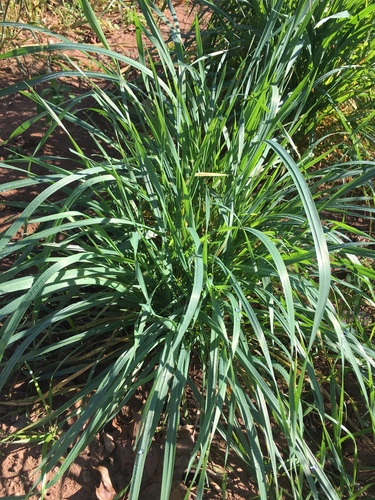
| Family: | Poaceae |
| Care: | easy |
| Light: | full sun |
| Water: | every 7–10 days during growi |
Get Expert Care Tips
Download the Plantious app for personalized care reminders and plant identification!
Google Play App Store