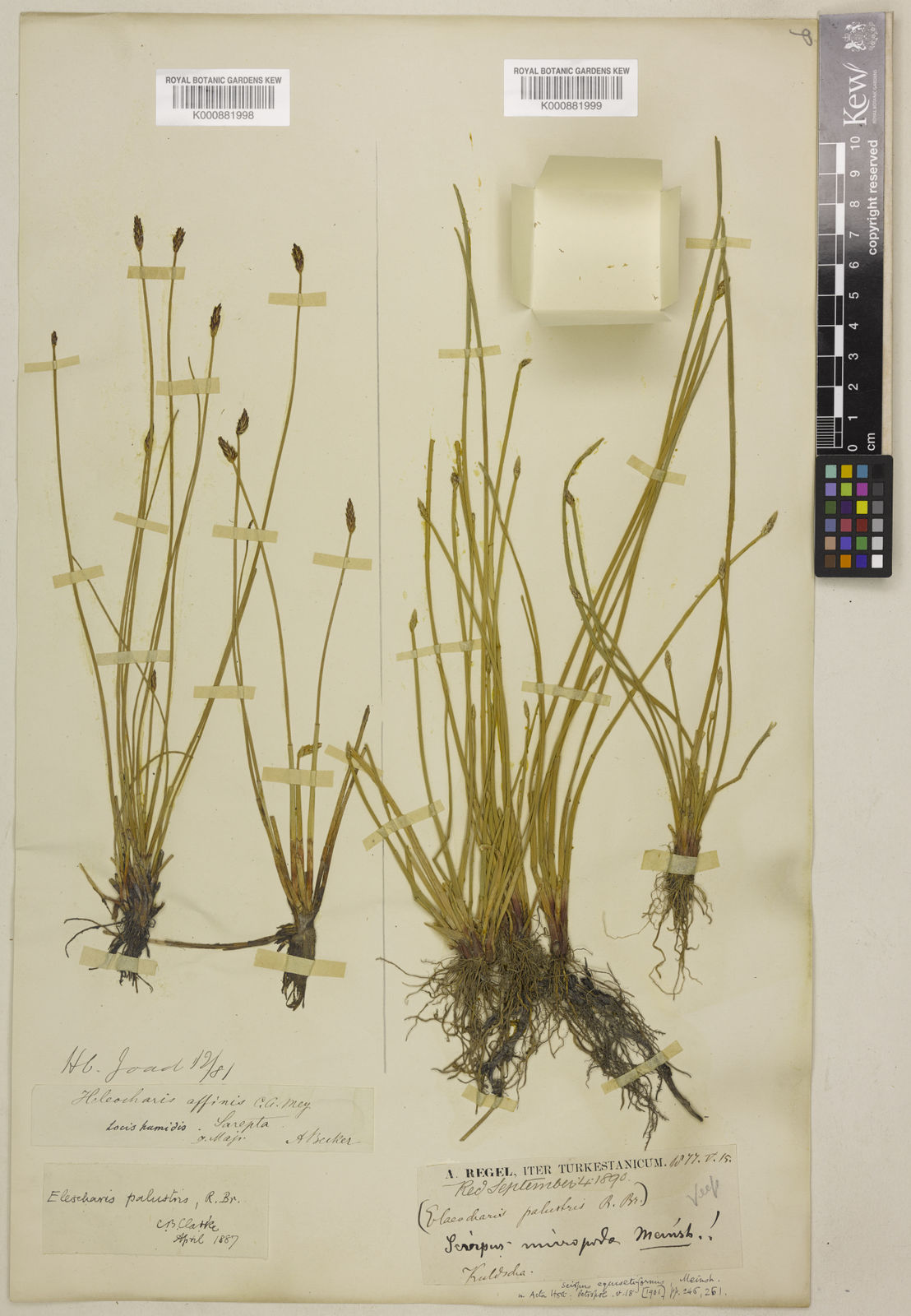
Common Spike-rush
eleocharis palustris
Also known as: ["Marsh Spike-rush","Common Club-rush"]
Overview
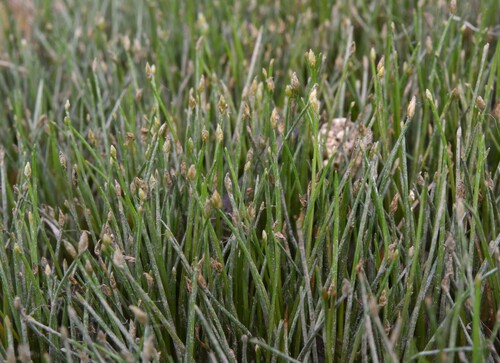
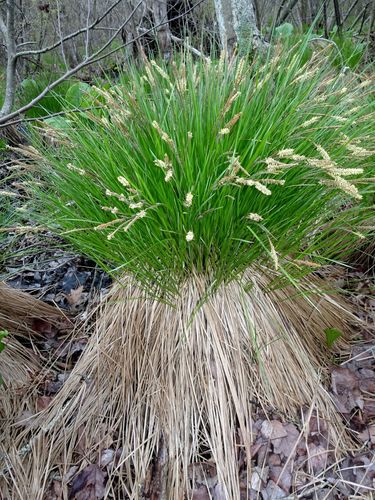
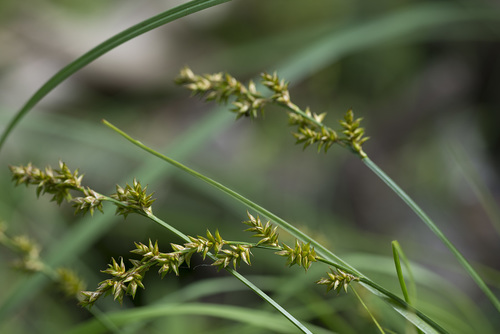
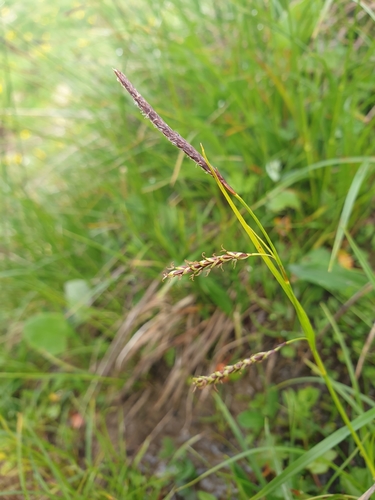
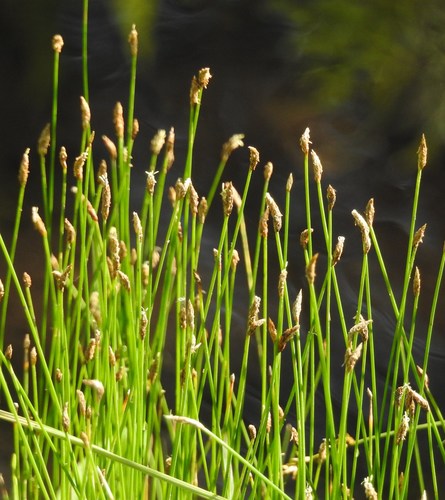
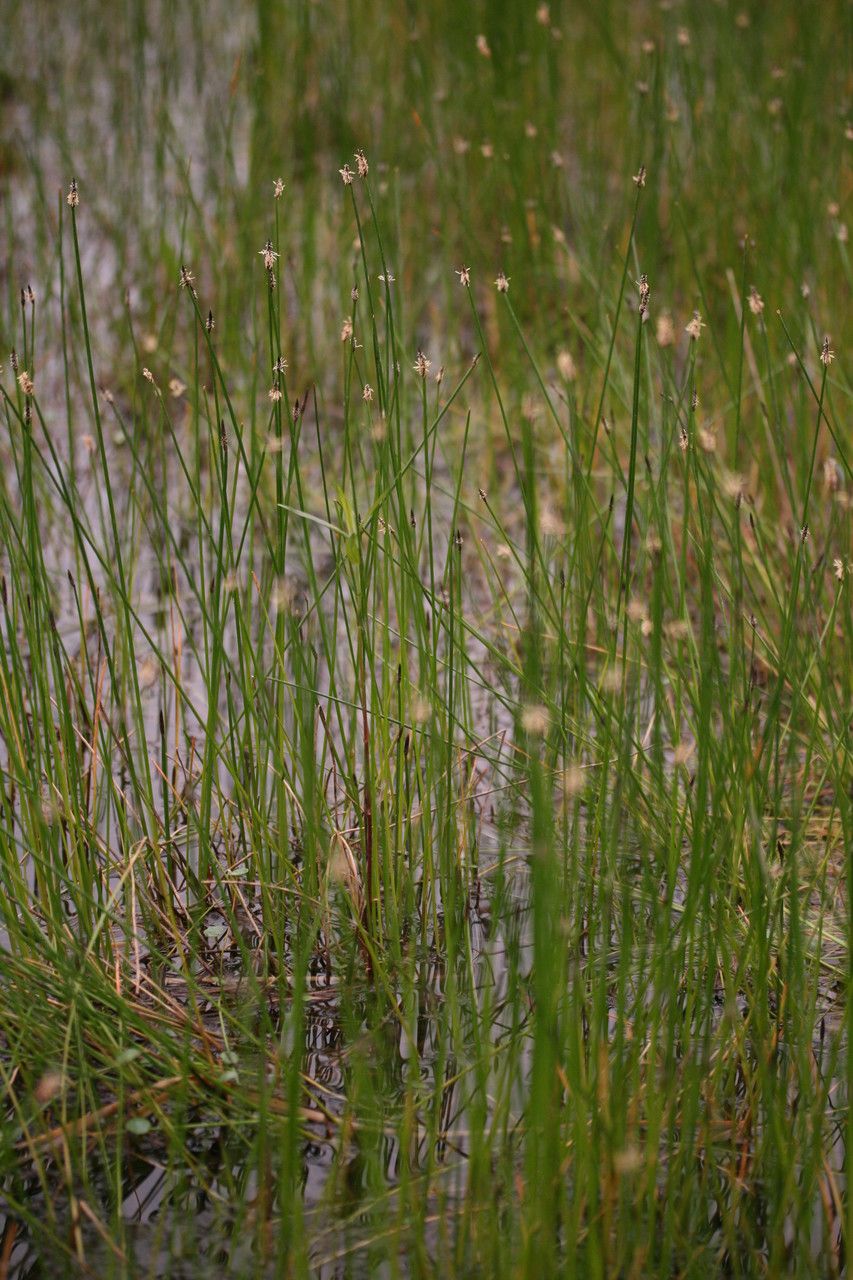
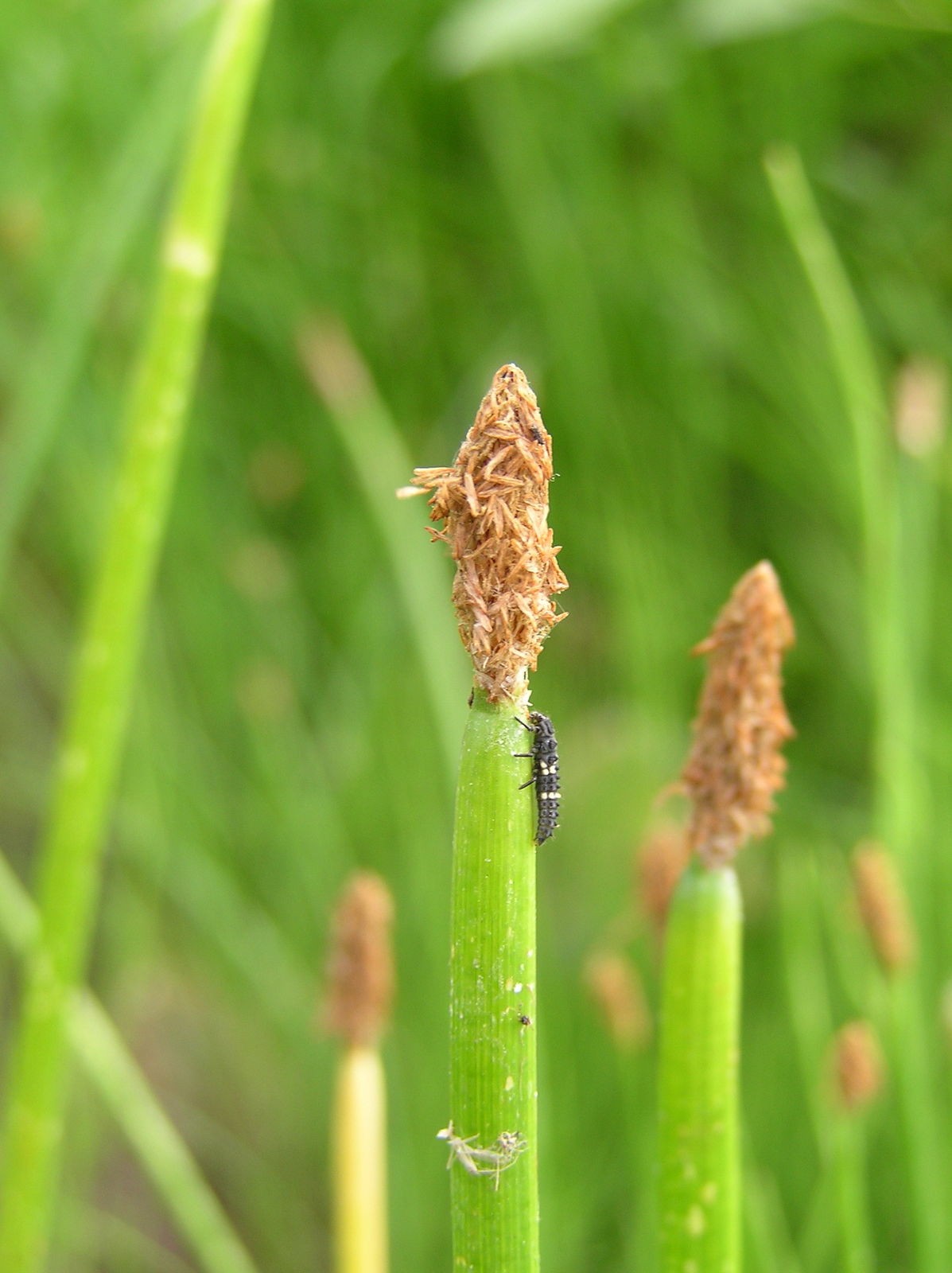
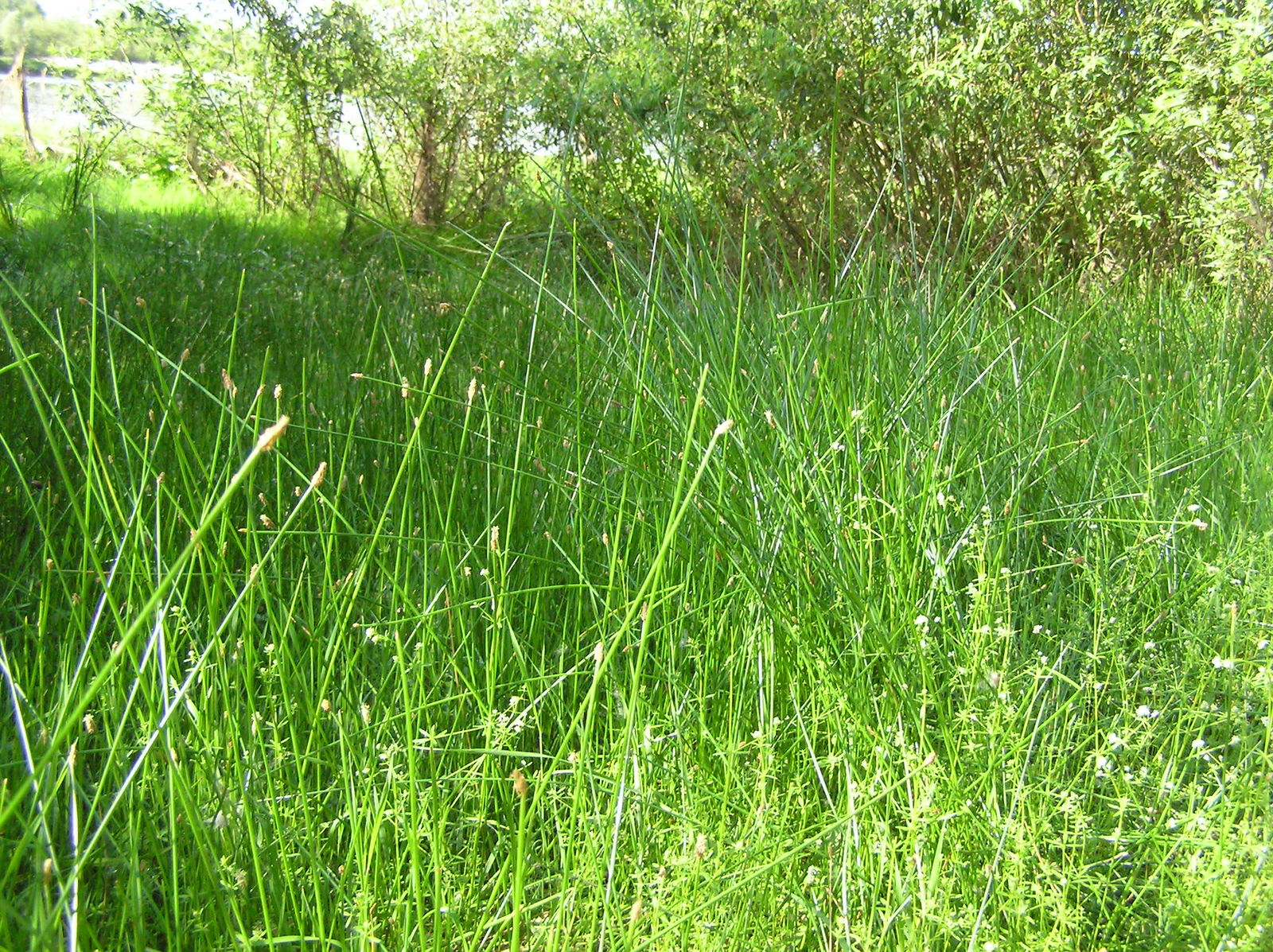
A perennial sedge native to wetlands, characterized by cylindrical stems and inconspicuous flowers.
Benefits & Perks
["drought tolerant","shade tolerant","wildlife attractant (bees, butterflies, birds)"]
Botanical Classification
| Phylum: | Magnoliophyta |
| Class: | Liliopsida |
| Order: | Poales |
| Family: | Cyperaceae |
| Genus: | Eleocharis |
| Botanical Name: | Eleocharis palustris |
Plant Characteristics
Basic Information
- Category: Herbs & Weeds
- Suitable Location: Wetland gardens, pond edges, or containers with constant moisture
- Suitable For:
- Is Weed: No
- Allergenicity: low
Environmental Needs
- Climate: {"temperatureRange":"0–30°C"}
- Hardiness: {"zones":"3–9"}
- Misting: Not typically required unless grown in very dry indoor conditions.
- Drainage: Moderate drainage; soil should not dry out but should not be waterlogged.
- Soil Type: Moist, peaty, or loamy soil with good organic matter content. Prefers soil that stays consistently moist.
Maintenance Level
- Maintenance Level: low
- Toughness Level: high
- Pruning Frequency: As needed, typically in late winter or early spring before new growth begins.
- Pruning Intensity: Light pruning to remove dead or yellowing stems.
Care Details
Ideal Sunlight Coverage:
Full sun to partial shade (4–6 hours of direct sunlight daily). Tolerates lower light but may grow more slowly.
Sunlight Tolerance Tips:
Acclimate gradually if moving from shade to sun; protect from intense midday sun to prevent scorching; ideal for bog gardens or water gardens where light is filtered.
Care Requirements
Care Difficulty
easyeasy
Sunlight
Full sun to partial shade
Avoid direct afternoon sun in hot climates; provide dappled light in intense heat; rotate plant for even growth.
Watering
Keep soil consistently moist, watering every 2–3 days or as needed to prevent drying out.
Maintain high soil moisture; water thoroughly when the top inch of soil begins to dry; ensure good drainage to prevent waterlogging.
Soil
Moist, peaty, or loamy soil with good water retention
pH: Acidic to neutral (pH 5.5–7.0).
Keep soil consistently moist; amend with peat for moisture retention; ensure good drainage.
Temperature
Thrives in cool to moderate temperatures (50–75°F or 10–24°C). Prefers cooler conditions and can tolerate frost.
Protect from extreme heat; mulch in winter; maintain consistent moisture.
Fertilizing
Every 4–6 weeks during active growing season with a balanced liquid fertilizer diluted to half strength.
Use a balanced fertilizer; dilute to prevent burning; fertilize during active growth only.
Propagation
Methods
Division of rhizomes or by seed. Division is the most reliable method for home growers.
Step-by-Step Propagation Guide
- Divide rhizomes with a sharp knife.
- Plant divisions in moist soil.
- Water thoroughly.
- Maintain high humidity.
Best Time: Spring or early summer when the plant is actively growing.
Environment
Warm, humid conditions with indirect light. Keep soil consistently moist.
Medium
Moist, loamy soil or a mix of peat and sand. Can also be propagated in water.
Hormone
Not necessary for rhizome division; optional for seed propagation.
Timeline
Rhizome division will establish quickly within weeks; seeds may take several weeks to germinate and months to mature.
Tools Needed
Sharp knife, clean pots, moist soil mix, water spray bottle.
Quick Tips
Divide rhizomes in spring; keep soil consistently moist; provide warmth and humidity.
Pruning & Repotting
Pruning Guide
Method
Snip stems at the base with clean, sharp tools. No specific technique needed for this grass-like plant.
Pruning Plan
Minimal pruning required. Remove dead or damaged stems to maintain appearance and health.
Tools
Hand pruners or sharp scissors.
Checklist
Remove dead stems; clean tools; dispose of clippings; avoid over-pruning.
Repotting Guide
Best Season
Spring, before the growing season begins.
Pot Size
One size larger pot; ensure it has drainage holes.
Method
Gently remove the plant; trim any dead roots; place in a new pot with fresh, moist soil; water thoroughly.
Suggestions
Repot every 2–3 years or when the plant becomes root-bound. This species prefers to be slightly root-bound.
Checklist
Choose appropriate pot size; prepare fresh soil; handle roots gently; water after repotting.
Advanced Care Tips
Watering Mastery
Watering Checklist
Check soil moisture daily; water thoroughly; ensure drainage; adjust for season.
How to Apply Water Properly
Water evenly around the base of the plant, ensuring the root zone is saturated. Allow excess water to drain away to prevent root rot. Water in the morning to reduce evaporation and allow foliage to dry.
Watering Schedule Tips
Keep soil consistently moist, especially during active growth in spring and summer. Reduce watering slightly in winter but do not allow the soil to dry out completely.
Soil Improvement
Add peat moss or compost to retain moisture; mix in perlite or sand for aeration if soil is too heavy.
Temperature Stress Management
Signs of Temperature Issues
Yellowing or browning of leaves in excessive heat; stunted growth in overly cold conditions.
Cold Stress
Slows growth but can survive freezing temperatures. Prolonged cold may cause dieback above ground, but roots often survive.
Solution: Mulch heavily in colder climates; protect from harsh winds; ensure soil does not freeze solid around roots.
Hot Stress
Leaves may wilt or turn yellow; growth may become sparse in excessive heat.
Solution: Provide partial shade during peak heat; increase humidity; ensure consistent moisture but avoid waterlogging.
Fertilizing Guide
Fertilizing Checklist
Use diluted fertilizer; apply during growing season; avoid winter feeding.
Fertilizing Method
Use a balanced, water-soluble fertilizer diluted to half strength every 4–6 weeks during the growing season (spring and summer). Avoid fertilizing in winter.
Common Problems & Solutions
Toxicity Warning
Cats
Non-toxicEleocharis palustris is not considered toxic to cats. The plant does not contain known compounds that are harmful to felines.
⚡ Toxic If:
if eaten
Dogs
Non-toxicEleocharis palustris is not considered toxic to dogs. The plant does not contain known compounds that are harmful to canines.
⚡ Toxic If:
if eaten
Humans
Non-toxicEleocharis palustris, commonly known as common spike-rush, is not considered toxic to humans. It is a wetland plant that is generally safe for consumption in small quantities, though it is not typically used as a food source.
⚡ Toxic If:
if eaten
Frequently Asked Questions
Q: Is Eleocharis palustris toxic to pets?
A: No, it is non-toxic to dogs and cats.
Q: Does this plant require full sun?
A: It thrives in partial shade to full sun, but is adaptable to various light conditions.
Q: Can Eleocharis palustris be grown indoors?
A: It is primarily an outdoor plant, best suited for wetland or bog gardens.
Quick Reference
| Family: | Cyperaceae |
| Care: | easy |
| Light: | Full sun to partial shade |
| Water: | Keep soil consistently moist, |
Get Expert Care Tips
Download the Plantious app for personalized care reminders and plant identification!
Google Play App Store