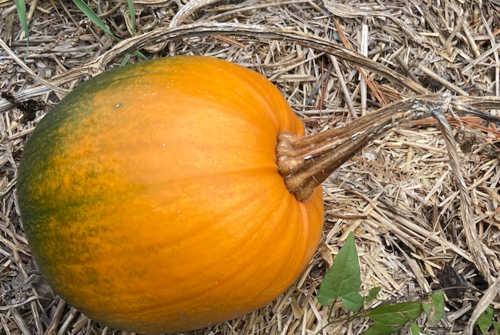
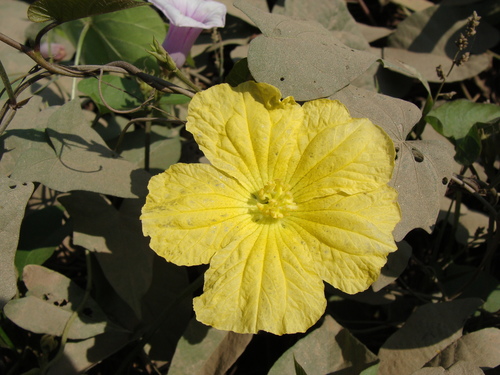
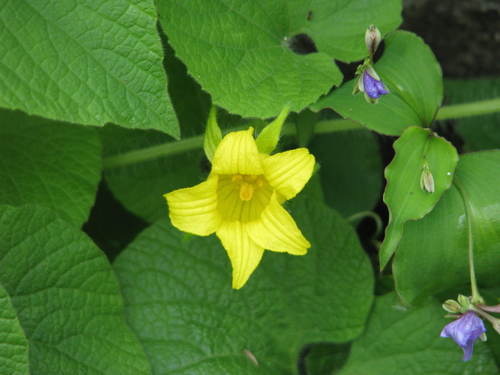
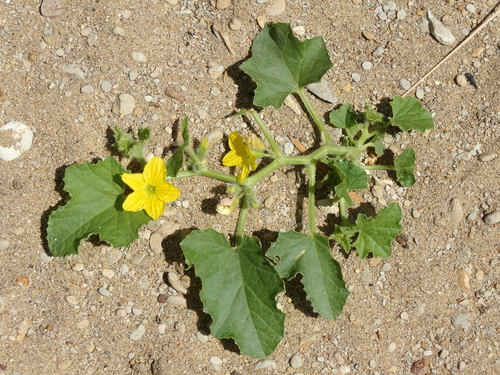
Bitter apple, colocynth, desert gourd
citrullus colocynthis
Also known as: ["Bitter apple","Colocynth","Desert gourd","Hindu apple","Turkey pear"]
Overview
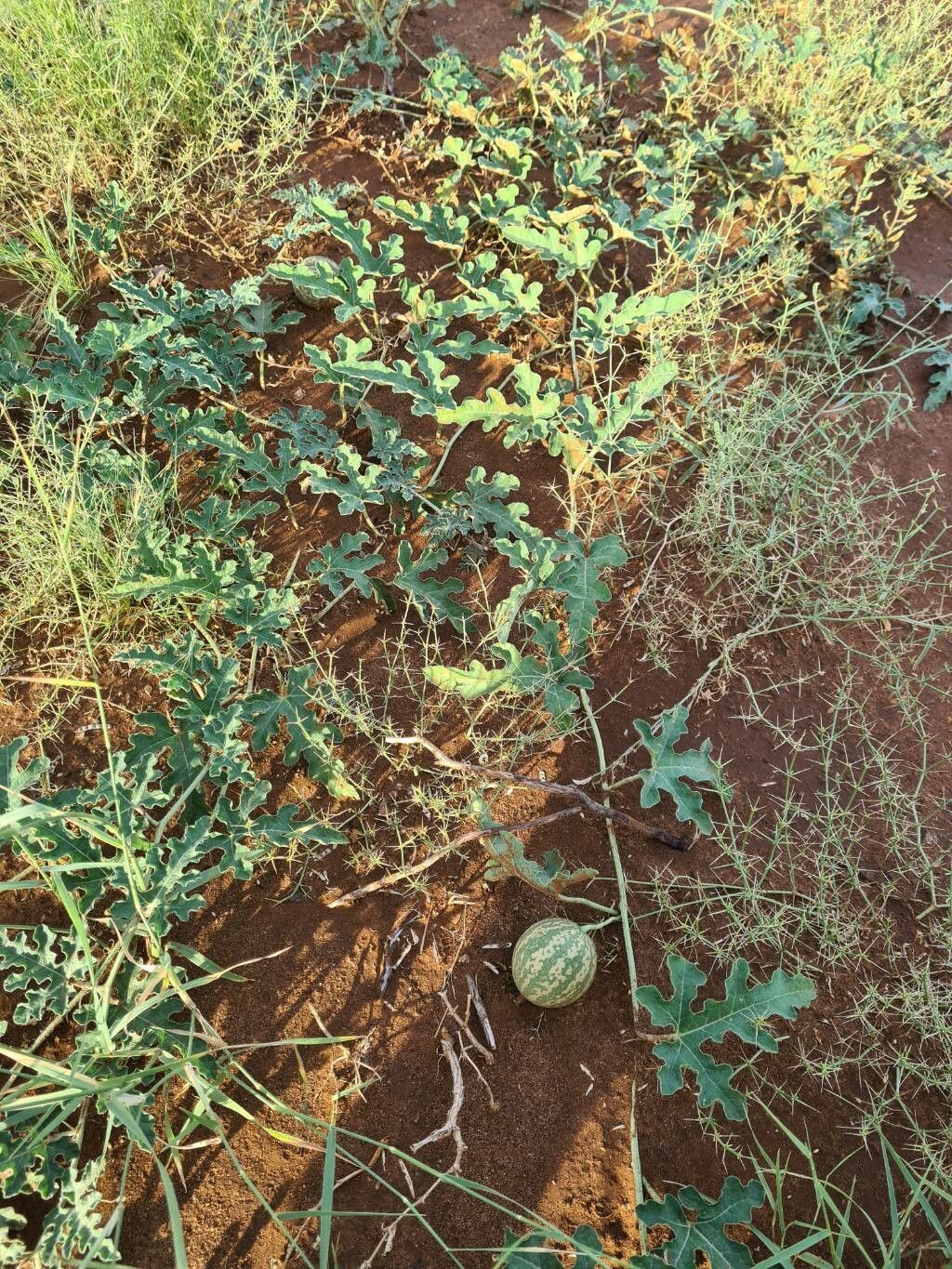
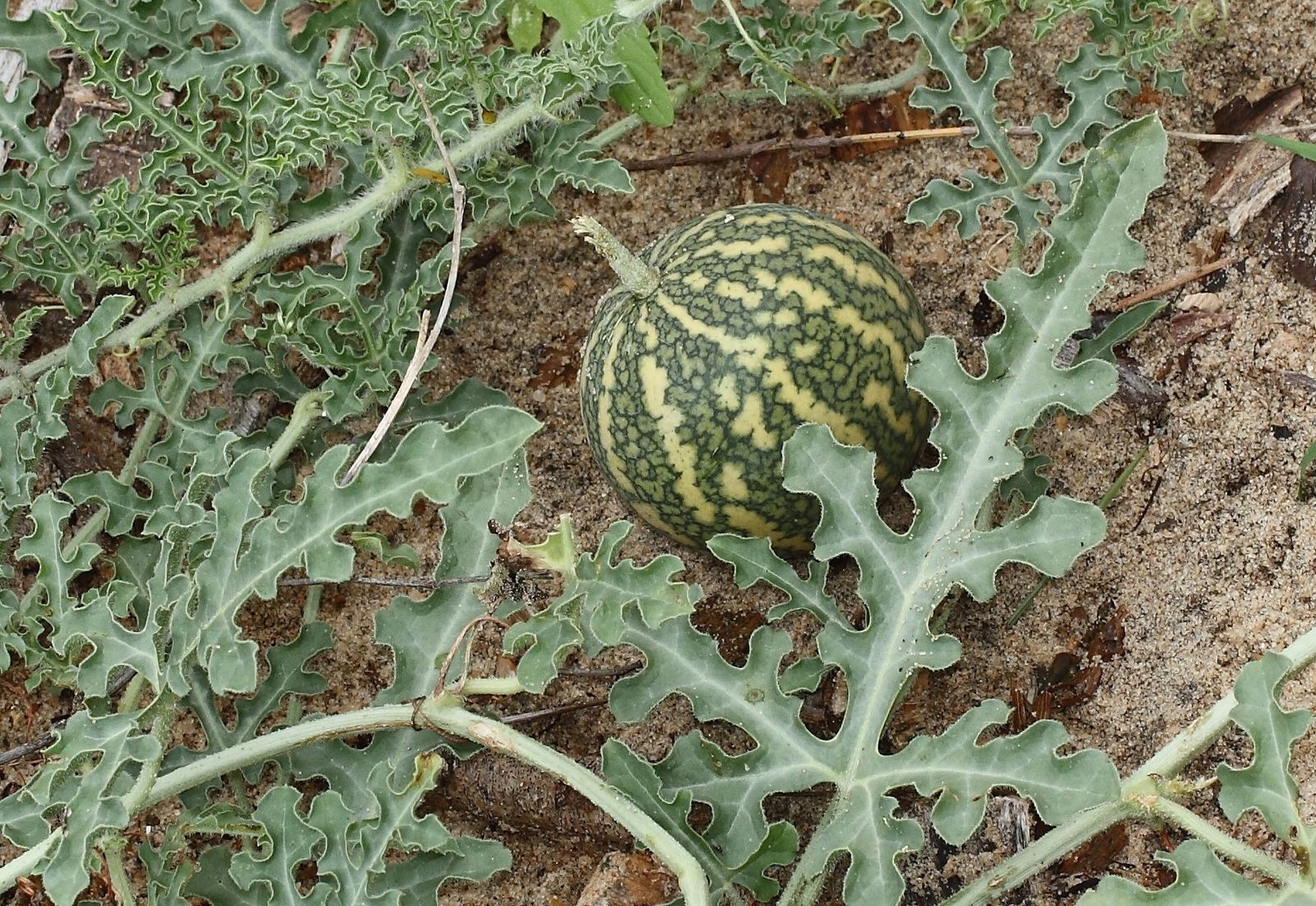
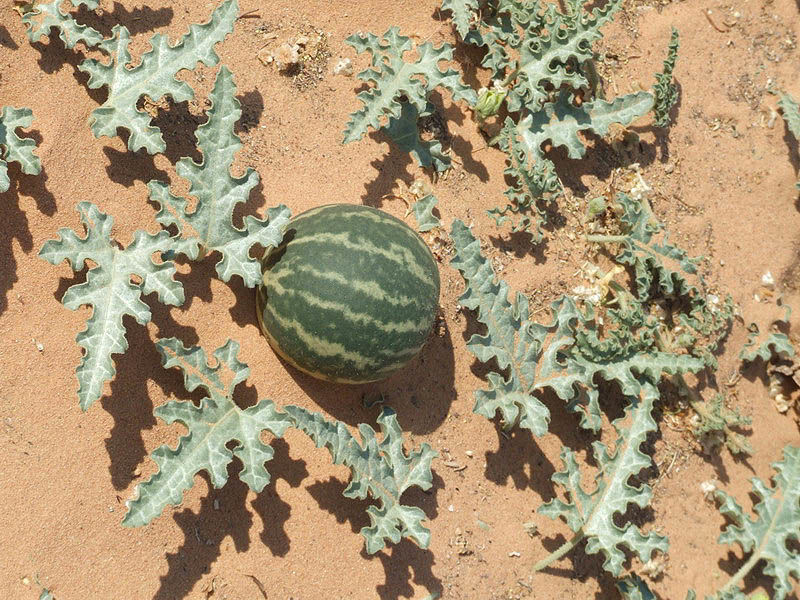
A perennial vine with large, lobed leaves and small, yellow flowers, known for its highly toxic, bitter fruit.
Benefits & Perks
["drought tolerant","wildlife attractant (bees, butterflies, birds)"]
Botanical Classification
| Phylum: | Magnoliophyta |
| Class: | Magnoliopsida |
| Order: | Cucurbitales |
| Family: | Cucurbitaceae |
| Genus: | Citrullus |
| Botanical Name: | Citrullus colocynthis |
Plant Characteristics
Basic Information
- Category: Herbs & Weeds
- Suitable Location: arid or semi-arid regions, often found in sandy or rocky soils
- Suitable For:
- Is Weed: No
- Allergenicity: low
Environmental Needs
- Climate: {"temperatureRange":"20–45°C"}
- Hardiness: {"zones":"8–11"}
- Misting: rarely required, as it is adapted to arid conditions
- Drainage: Fast-draining.
- Soil Type: Sandy, well-draining soil with low organic matter.
Maintenance Level
- Maintenance Level: moderate
- Toughness Level: high
- Pruning Frequency: As needed, typically annually or after fruiting.
- Pruning Intensity: Light pruning.
Care Details
Ideal Sunlight Coverage:
Full sun (6–8 hours/day). Tolerates intense heat and direct sunlight.
Sunlight Tolerance Tips:
Acclimate plants gradually to intense sunlight if moved from shade. Avoid sudden exposure to prevent leaf burn. Outdoor placement is ideal for full sun exposure.
Care Requirements
Care Difficulty
moderateeasy
Sunlight
full sun
Use shade cloth if needed during extreme heat; rotate plants for even light exposure; avoid placing near reflective surfaces that intensify light.
Watering
every 2–3 weeks, allowing soil to dry completely between waterings
Water at the base of the plant; avoid wetting foliage; ensure soil dries between waterings.
Soil
well-draining, sandy or loamy soil with low organic content
pH: Slightly acidic to neutral (6.0–7.0).
Ensure soil dries quickly between waterings; avoid waterlogged conditions; use a cactus or succulent mix.
Temperature
Warm to hot temperatures (70–95°F or 21–35°C). Thrives in arid conditions.
Avoid sudden temperature changes; protect from frost; ensure good air circulation in hot weather.
Fertilizing
rarely required, if at all, due to its low nutrient needs
Fertilize sparingly to avoid excessive foliage growth; stop fertilizing before flowering to encourage fruit development; water before applying fertilizer.
Propagation
Methods
Seed propagation is most common and reliable.
Step-by-Step Propagation Guide
- Sow seeds 1 inch deep.
- Keep moist until germination.
- Thin seedlings to desired spacing.
Best Time: Spring or early summer when temperatures are warm.
Environment
Warm, sunny location with good air circulation.
Medium
Well-draining seed starting mix or cactus mix.
Hormone
Not required for seeds.
Timeline
Germination in 1–3 weeks; plants establish within a growing season.
Tools Needed
Seed trays, well-draining soil, watering can, labels.
Quick Tips
Use bottom heat to speed germination; keep soil consistently moist but not waterlogged; thin seedlings early to prevent overcrowding.
Pruning & Repotting
Pruning Guide
Method
Snip off dead or diseased stems at the base.
Pruning Plan
Minimal pruning required. Focus on removing dead or damaged growth to maintain plant health.
Tools
Pruning shears, gloves.
Checklist
Disinfect tools; prune dead or damaged growth; avoid over-pruning.
Repotting Guide
Best Season
Spring, before the active growing season.
Pot Size
One size up from current pot; ensure drainage holes are present.
Method
Use a well-draining soil mix; gently tease out tangled roots; place in a pot one size larger with drainage holes.
Suggestions
Repot only if the plant becomes root-bound or outgrows its container.
Checklist
Check for root-bound roots; use fresh soil mix; ensure proper drainage; water lightly after repotting.
Advanced Care Tips
Watering Mastery
Watering Checklist
Check soil moisture before watering; water deeply; ensure proper drainage; adjust frequency seasonally.
How to Apply Water Properly
Water thoroughly until it drains from the bottom, ensuring moisture reaches the root zone. Water early in the morning to minimize evaporation and fungal growth.
Watering Schedule Tips
Water deeply but infrequently, allowing soil to dry between waterings. Reduce watering in winter to prevent root rot.
Soil Improvement
Add coarse sand or perlite to improve drainage; avoid heavy compost or organic matter.
Temperature Stress Management
Signs of Temperature Issues
Wilting, leaf drop, or cessation of growth in cold; scorching or sunburn in excessive heat.
Cold Stress
Low temperatures slow growth and can cause root damage or death.
Solution: Protect from frost; move to a warmer location if grown in containers; use row covers for in-ground plants.
Hot Stress
Excessive heat can cause leaf scorch, reduced fruit set, or wilting.
Solution: Provide some afternoon shade if possible; increase watering frequency; use mulch to retain soil moisture.
Fertilizing Guide
Fertilizing Checklist
Use diluted fertilizer; apply during growing season; avoid winter fertilization; water before and after fertilizing.
Fertilizing Method
Use a balanced, low-nitrogen fertilizer diluted to half strength. Apply every 4–6 weeks during growing season; avoid fertilizing in winter.
Common Problems & Solutions
Toxicity Warning
Cats
ToxicCitrullus colocynthis is toxic to cats, with the fruit and seeds containing cucurbitacins that can cause severe gastrointestinal and systemic effects. Cats are particularly sensitive to such toxins, which can lead to serious health issues.
⚠️ Symptoms:
🌿 Toxic Parts:
⚡ Toxic If:
if eaten
Dogs
ToxicThe fruit and seeds of Citrullus colocynthis are highly toxic to dogs, containing cucurbitacins that can induce severe gastrointestinal and systemic toxicity. Ingestion can lead to significant health complications requiring veterinary intervention.
⚠️ Symptoms:
🌿 Toxic Parts:
⚡ Toxic If:
if eaten
Humans
ToxicCitrullus colocynthis, commonly known as colocynth or bitter apple, contains highly toxic cucurbitacins that can cause severe gastrointestinal and systemic effects upon ingestion. These compounds disrupt cellular functions, leading to significant physiological distress.
⚠️ Symptoms:
🌿 Toxic Parts:
⚡ Toxic If:
if eaten
Frequently Asked Questions
Q: Is Citrullus colocynthis edible?
A: No, the fruit is highly toxic and should not be consumed.
Q: Where does Citrullus colocynthis grow naturally?
A: It is native to arid and semi-arid regions of Africa and Asia.
Q: What are the traditional uses of Citrullus colocynthis?
A: Historically, it has been used in traditional medicine as a purgative and for treating various ailments, though its toxicity limits modern use.
Quick Reference

| Family: | Cucurbitaceae |
| Care: | moderate |
| Light: | full sun |
| Water: | every 2–3 weeks, allowing so |
Get Expert Care Tips
Download the Plantious app for personalized care reminders and plant identification!
Google Play App Store