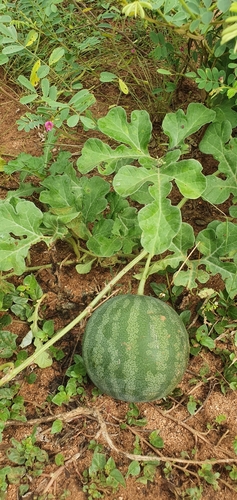
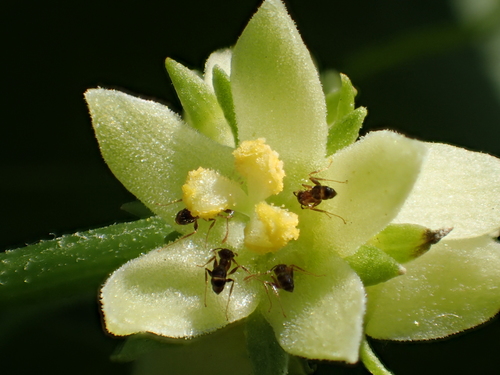
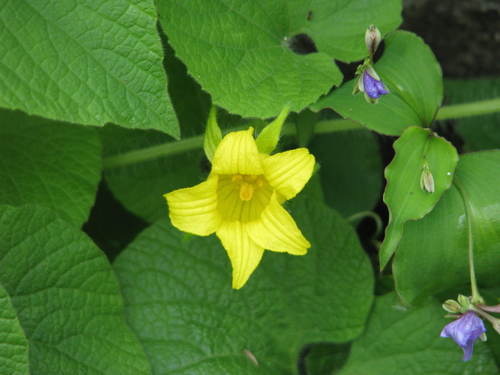
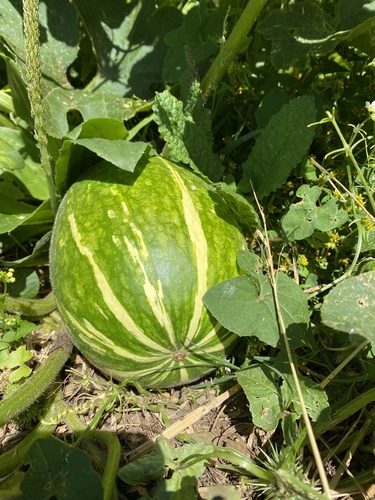
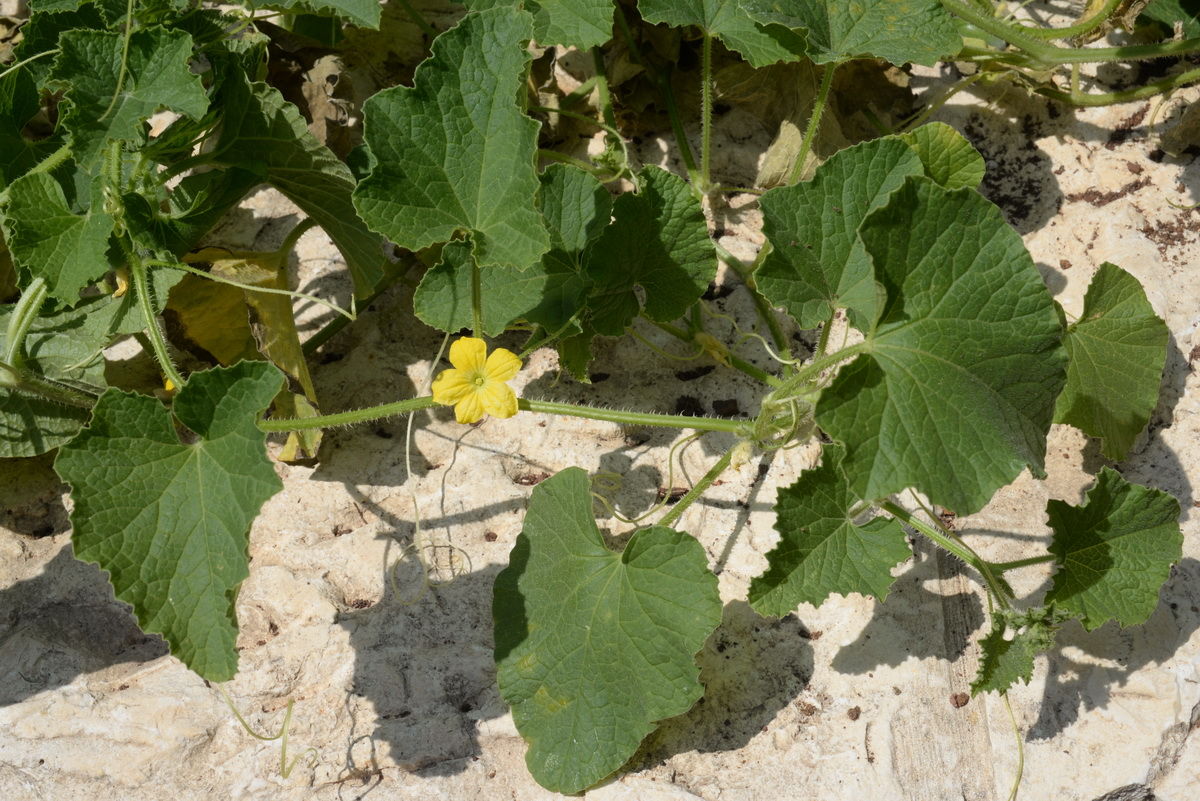
Melon
cucumis melo
Also known as: ["Musk Melon","Cantaloupe","Honeydew"]
Overview
A vine-like plant cultivated for its sweet, edible fruit, widely grown in temperate and tropical regions.
Benefits & Perks
["edible fruits","fast growing","drought tolerant"]
Botanical Classification
| Phylum: | Magnoliophyta |
| Class: | Magnoliopsida |
| Order: | Cucurbitales |
| Family: | Cucurbitaceae |
| Genus: | Cucumis |
| Botanical Name: | Cucumis melo |
Plant Characteristics
Basic Information
- Category: Fruits
- Suitable Location: outdoor garden bed in full sun, or large container with support for climbing
- Suitable For:
- Is Weed: No
- Allergenicity: low
Environmental Needs
- Climate: {"temperatureRange":"18–35°C"}
- Hardiness: {"zones":"8–11"}
- Misting: rarely required, only if ambient humidity drops below 40%
- Drainage: Fast-draining to prevent waterlogging.
- Soil Type: Well-draining, loamy soil with organic matter.
Maintenance Level
- Maintenance Level: moderate
- Toughness Level: moderate
- Pruning Frequency: As needed during growing season; light pruning every 2–3 weeks.
- Pruning Intensity: Moderate; selective removal of non-essential growth.
Care Details
Ideal Sunlight Coverage:
Full sun (6–8 hours/day); adjust for extreme heat by providing partial shade.
Sunlight Tolerance Tips:
Acclimate plants gradually to intense sunlight; use shade cloth in peak summer; ensure proper ventilation indoors.
Care Requirements
Care Difficulty
moderatemoderate
Sunlight
full sun
Rotate plants for even light exposure; avoid direct midday sun in hot climates; use reflective surfaces to boost light.
Watering
every 3–5 days during active growth, reducing to every 7–10 days in cooler periods
Water at the base to avoid foliage wetting; ensure soil dries between waterings; adjust based on weather and growth stage.
Soil
well-draining, loamy soil with added organic matter
pH: 6.0–6.8 (slightly acidic to neutral).
Ensure pots have drainage holes; avoid compacted soil; test pH annually.
Temperature
Warm conditions (70–90°F/21–32°C); cooler nights (60–70°F/15–21°C) promote fruit sweetness.
Use shade cloth in extreme heat; protect from frost; ensure good air circulation.
Fertilizing
every 2 weeks during active growth with balanced liquid fertilizer, reducing to monthly in winter
Apply fertilizer to moist soil; avoid contact with roots; flush soil occasionally to prevent salt buildup.
Propagation
Methods
Stem cuttings or seeds.
Step-by-Step Propagation Guide
- Take cutting.
- Apply hormone.
- Plant in medium.
- Maintain humidity.
- Wait for roots.
Best Time: Spring or early summer for optimal root development.
Environment
Warm (75–85°F/24–29°C), high humidity, indirect light.
Medium
Well-draining mix (e.g., perlite and peat moss).
Hormone
Rooting hormone recommended for faster rooting.
Timeline
2–4 weeks for roots; 6–8 weeks to establish.
Tools Needed
Pruners, rooting hormone, pots, misting spray.
Quick Tips
Use healthy, non-flowering stems; keep soil consistently moist; provide bottom heat if possible.
Pruning & Repotting
Pruning Guide
Method
Pinch or snip lateral shoots; trim back overgrown vines.
Pruning Plan
Remove lateral shoots to focus energy on main vines; prune damaged or diseased foliage.
Tools
Pruning shears, gloves, disinfectant.
Checklist
Sanitize tools; prune during dry weather; remove dead/diseased parts; avoid over-pruning.
Repotting Guide
Best Season
Early spring before active growth begins.
Pot Size
One size larger pot (e.g., +2–3 inches in diameter).
Method
Gently remove plant; trim roots if needed; use fresh soil; ensure good drainage.
Suggestions
Repot annually or when roots fill container; supports vigorous growth.
Checklist
Check root bound status; prepare new pot; use fresh soil; water after repotting.
Advanced Care Tips
Watering Mastery
Watering Checklist
Check soil moisture; water deeply; ensure drainage; adjust for season.
How to Apply Water Properly
Water thoroughly until it drains from the bottom, ensuring even moisture reaches the root zone; avoid overhead watering to prevent fungal issues.
Watering Schedule Tips
Water deeply once the top inch of soil is dry; reduce frequency in winter to prevent root rot.
Soil Improvement
Add perlite or sand for drainage; incorporate compost for fertility; use raised beds if needed.
Temperature Stress Management
Signs of Temperature Issues
Wilting, leaf yellowing, poor fruit set, or blossom drop.
Cold Stress
Stunted growth, leaf damage, reduced fruit production, or plant death below 50°F (10°C).
Solution: Use row covers or cloches; plant in warm microclimates; avoid planting too early in cold regions.
Hot Stress
Leaf scorch, wilting, reduced flowering, or fruit sunburn.
Solution: Provide afternoon shade; increase watering; mulch to retain soil moisture.
Fertilizing Guide
Fertilizing Checklist
Check fertilizer type; dilute correctly; apply during active growth; avoid overfertilizing.
Fertilizing Method
Balanced liquid fertilizer (10-10-10) every 2–3 weeks during growing season; reduce in winter.
Common Problems & Solutions
Toxicity Warning
Cats
Non-toxicCucumis melo is generally considered non-toxic to cats. Small amounts of ripe melon can be offered as an occasional treat, but it should not replace a balanced diet.
⚡ Toxic If:
Generally non-toxic
Dogs
Non-toxicCucumis melo is generally considered non-toxic to dogs. Small amounts of ripe melon can be a healthy treat for dogs, providing hydration and nutrients without posing significant health risks.
⚡ Toxic If:
Generally non-toxic
Humans
Non-toxicCucumis melo, commonly known as melon, is generally considered non-toxic to humans. It is widely consumed as a food source and is not associated with significant toxic effects under normal consumption conditions.
⚡ Toxic If:
Generally non-toxic
Frequently Asked Questions
Q: How do I grow melons from seed?
A: Sow seeds directly in warm soil after the last frost, spacing them 1-2 feet apart, and provide full sun and consistent watering.
Q: What causes melons to split?
A: Splitting is often due to inconsistent watering or excessive rainfall after a dry period, causing rapid fruit expansion.
Q: Can melons be grown in containers?
A: Yes, smaller melon varieties can be grown in large containers with support for vining stems.
Quick Reference
| Family: | Cucurbitaceae |
| Care: | moderate |
| Light: | full sun |
| Water: | every 3–5 days during active |
Get Expert Care Tips
Download the Plantious app for personalized care reminders and plant identification!
Google Play App Store