Quinoa
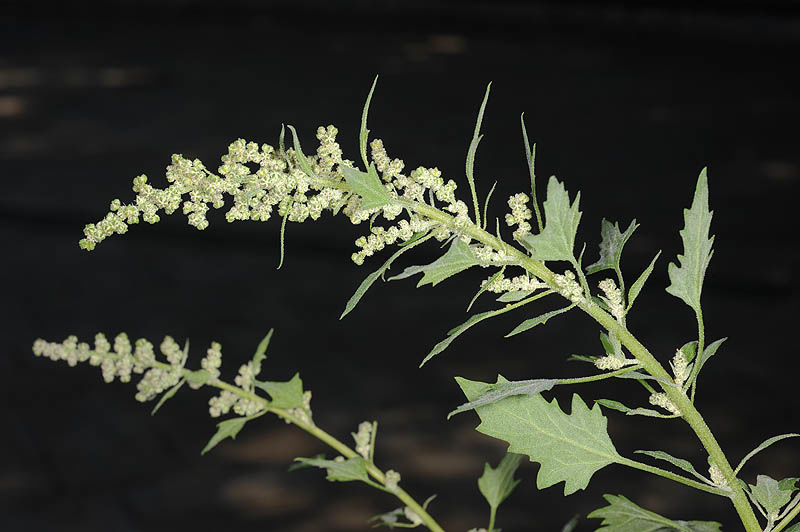
chenopodium quinoa
Also known as: ["Inca wheat","golden corn","pseudocereal"]
Overview
A pseudocereal originating from the Andean region of South America, cultivated for its edible seeds.
Benefits & Perks
["edible fruits","drought tolerant","nutritious"]
Botanical Classification
| Phylum: | Magnoliophyta |
| Class: | Magnoliopsida |
| Order: | Caryophyllales |
| Family: | Amaranthaceae |
| Genus: | Chenopodium |
| Botanical Name: | Chenopodium quinoa |
Plant Characteristics
Basic Information
- Category: Fruits
- Suitable Location: outdoor garden in full sun
- Suitable For:
- Is Weed: No
- Allergenicity: low
Environmental Needs
- Climate: {"temperatureRange":"5–30°C"}
- Hardiness: {"zones":"2–9"}
- Misting: rarely required
- Drainage: Fast-draining to prevent root rot.
- Soil Type: Well-draining, loamy soil with added organic matter; tolerates poor soils but yields better in fertile conditions.
Maintenance Level
- Maintenance Level: moderate
- Toughness Level: high
- Pruning Frequency: As needed; thin seedlings when they reach 2–3 inches tall; remove dead leaves anytime.
- Pruning Intensity: Light; primarily for maintenance and health.
Care Details
Ideal Sunlight Coverage:
Full sun (6–8 hours/day); tolerates partial shade but may produce fewer seeds.
Sunlight Tolerance Tips:
Acclimate plants gradually to intense sunlight; protect from harsh midday sun in hot climates; ensure adequate airflow to prevent heat stress.
Care Requirements
Care Difficulty
moderateeasy
Sunlight
full sun
Rotate plants for even light exposure; use shade cloth in extreme heat; avoid placing in drafty areas.
Watering
every 7–14 days, depending on soil moisture and climate
Water thoroughly but infrequently; ensure good drainage; avoid wetting foliage to prevent fungal issues.
Soil
well-draining, fertile loam
pH: 6.0–7.5 (slightly acidic to neutral).
Mulch to retain moisture; avoid overwatering; test soil pH annually.
Temperature
Prefers 60–75°F (15–24°C); tolerates cooler temperatures but may bolt in excessive heat.
Use shade cloth in summer; protect from frost in winter; maintain consistent temperatures for optimal growth.
Fertilizing
every 4–6 weeks during active growth
Avoid over-fertilizing to prevent salt buildup; use organic options like compost tea for gentle feeding; fertilize after watering to prevent root burn.
Propagation
Methods
Seeds; direct sow or start indoors 4–6 weeks before last frost.
Step-by-Step Propagation Guide
- Sow seeds 1/4–1/2 inch deep.
- Thin seedlings to 12–18 inches apart.
- Water gently.
- Provide full sun.
Best Time: Spring, after last frost; when soil temperatures reach 50–60°F (10–15°C).
Environment
Warm, sunny location; keep soil consistently moist but not waterlogged.
Medium
Well-draining seed starting mix; can be sown directly in garden soil.
Hormone
Not required for seeds.
Timeline
Germination in 7–14 days; plants reach maturity in 90–120 days.
Tools Needed
Seed trays or garden space, soil, water, labels.
Quick Tips
Sow thickly as germination can be inconsistent; thin seedlings early to prevent overcrowding; keep soil warm for faster germination.
Pruning & Repotting
Pruning Guide
Method
Snip off dead or yellowing leaves at the base; thin seedlings by cutting at soil level.
Pruning Plan
Minimal pruning needed; focus on removing dead or diseased foliage; may thin seedlings for better air circulation.
Tools
Clean scissors or pruners.
Checklist
Check for dead/diseased foliage; thin overcrowded seedlings; use clean tools; dispose of clippings.
Repotting Guide
Best Season
Not applicable; if grown in containers, repot in early spring if roots outgrow the pot.
Pot Size
Not applicable; if repotting, choose a pot 2–3 inches larger in diameter.
Method
Not applicable; if repotting, use fresh well-draining soil and increase pot size by 2–3 inches.
Suggestions
Not typically repotted; grows best directly in garden beds or large containers.
Checklist
Not applicable; if repotting, check root bound status; prepare new pot with drainage holes; use fresh soil.
Advanced Care Tips
Watering Mastery
Watering Checklist
Check soil moisture; water deeply; ensure drainage; avoid wetting leaves.
How to Apply Water Properly
Water at the base of the plant, ensuring moisture reaches the root zone; water early in the morning to minimize evaporation and fungal growth; allow excess water to drain away.
Watering Schedule Tips
Water deeply once the top inch of soil is dry; reduce frequency in winter to prevent root rot; increase during hot, dry periods.
Soil Improvement
Add compost or well-rotted manure; incorporate perlite or sand for drainage; avoid heavy clay soils.
Temperature Stress Management
Signs of Temperature Issues
Yellowing leaves (cold stress); wilting or flower drop (heat stress).
Cold Stress
Growth slows; leaves may turn yellow or purple; flowering may be delayed.
Solution: Provide frost protection; use row covers; ensure good soil drainage to prevent cold waterlogging.
Hot Stress
Plants may bolt (premature flowering); leaves may wilt or scorch; reduced yield.
Solution: Provide partial shade during peak heat; increase watering; mulch to retain soil moisture.
Fertilizing Guide
Fertilizing Checklist
Check fertilizer type; dilute to half strength; apply to soil, not foliage; follow seasonal schedule.
Fertilizing Method
Use balanced, water-soluble fertilizer every 4–6 weeks during growing season; reduce or stop in winter.
Common Problems & Solutions
Toxicity Warning
Cats
Non-toxicQuinoa is not toxic to cats when cooked and served in moderation. It can be a source of protein and fiber, but should not replace a balanced cat diet. Raw quinoa should be avoided due to saponins.
⚠️ Symptoms:
🌿 Toxic Parts:
⚡ Toxic If:
Generally non-toxic when prepared correctly
Dogs
Non-toxicQuinoa is not toxic to dogs when cooked and served in moderation. It can be a healthy addition to a dog's diet, providing essential nutrients. However, raw quinoa should be avoided due to saponin content.
⚠️ Symptoms:
🌿 Toxic Parts:
⚡ Toxic If:
Generally non-toxic when prepared correctly
Humans
Non-toxicQuinoa is generally considered non-toxic and is a nutritious food source. However, raw quinoa contains saponins, which can cause gastrointestinal irritation if not properly rinsed before consumption.
⚠️ Symptoms:
🌿 Toxic Parts:
⚡ Toxic If:
Generally non-toxic when prepared correctly
Frequently Asked Questions
Q: Is quinoa a grain?
A: No, quinoa is a pseudocereal, meaning it is not a grass like true grains but is used similarly in cooking.
Q: How do I grow quinoa?
A: Quinoa thrives in well-drained soil and full sun, requiring moderate watering and space to grow.
Q: Is quinoa gluten-free?
A: Yes, quinoa is naturally gluten-free and is a popular alternative for those with gluten sensitivities.
Quick Reference
| Family: | Amaranthaceae |
| Care: | moderate |
| Light: | full sun |
| Water: | every 7–14 days, depending o |
Get Expert Care Tips
Download the Plantious app for personalized care reminders and plant identification!
Google Play App Store