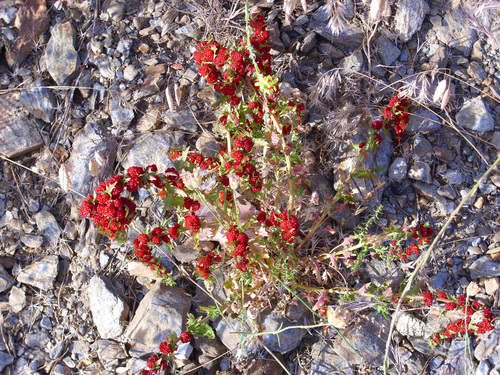
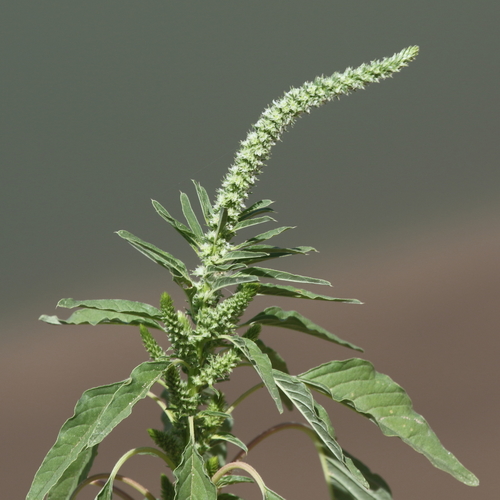
Beet
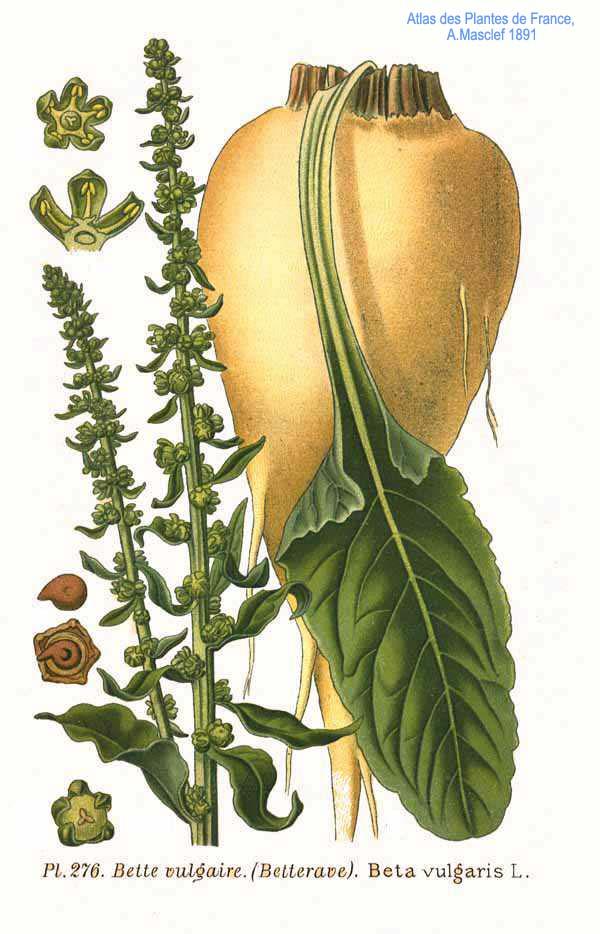
beta vulgaris
Also known as: ["Garden Beet","Table Beet","Red Beet"]
Overview
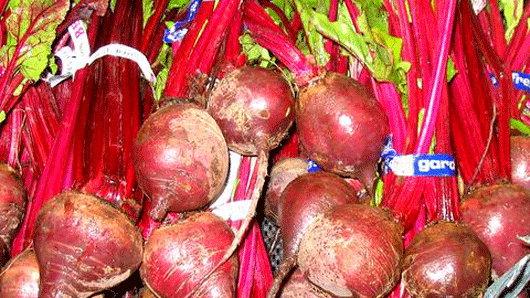
A root vegetable widely cultivated for its edible taproot and leaves, valued for culinary and nutritional purposes.
Benefits & Perks
["edible fruits","culinary herb","cold hardy","drought tolerant"]
Botanical Classification
| Phylum: | Magnoliophyta |
| Class: | Magnoliopsida |
| Order: | Caryophyllales |
| Family: | Amaranthaceae |
| Genus: | Beta |
| Botanical Name: | Beta vulgaris |
Plant Characteristics
Basic Information
- Category: Vegetables
- Suitable Location: garden bed in open ground
- Suitable For:
- Is Weed: No
- Allergenicity: low
Environmental Needs
- Climate: {"temperatureRange":"5–30°C"}
- Hardiness: {"zones":"3–9"}
- Misting: rarely required
- Drainage: Fast-draining to prevent root rot.
- Soil Type: Rich, loose, well-draining loam with added compost.
Maintenance Level
- Maintenance Level: moderate
- Toughness Level: moderate
- Pruning Frequency: As needed; typically during harvest or if disease is present.
- Pruning Intensity: Light; remove only affected parts to avoid stressing the plant.
Care Details
Ideal Sunlight Coverage:
Full sun (6–8 hours/day); partial shade in extreme heat to prevent leaf scorch.
Sunlight Tolerance Tips:
Acclimate seedlings gradually to outdoor light; provide shade during peak summer hours; rotate pots for even growth.
Care Requirements
Care Difficulty
easyeasy
Sunlight
full sun
Use shade cloth in intense sun; move indoors during harsh weather; monitor for signs of sunburn.
Watering
every 7–10 days, or when soil surface is dry
Water at the base, avoid wetting foliage, and ensure proper drainage to prevent fungal diseases.
Soil
well-draining, fertile loam
pH: 6.0–7.5 (slightly acidic to neutral).
Avoid compacted soil; keep evenly moist but not waterlogged; test pH annually.
Temperature
60–75°F (15–24°C); tolerates cooler nights but prefers moderate warmth during growth.
Use frost cloth in cold snaps; mist foliage in hot weather; avoid sudden temperature changes.
Fertilizing
every 4–6 weeks during growing season
Dilute fertilizer to half strength to avoid burning roots; apply after watering to prevent salt buildup.
Propagation
Methods
Seeds; direct sow or start indoors 4–6 weeks before last frost.
Step-by-Step Propagation Guide
- Sow seeds 1/2 inch deep, thin seedlings to 3–4 inches apart, water regularly, and harvest when mature.
Best Time: Spring, when soil temperatures reach 50–65°F (10–18°C).
Environment
Warm, consistent moisture, and bright light; protect from strong winds.
Medium
Well-draining seed starting mix or compost.
Hormone
Not required for seeds.
Timeline
Germination in 7–14 days; harvest in 50–70 days for leaves, 60–90 days for roots.
Tools Needed
Seed trays, soil, water spray bottle, labels, and garden trowel.
Quick Tips
Sow thickly as germination can be uneven; thin seedlings early to prevent overcrowding.
Pruning & Repotting
Pruning Guide
Method
Snip leaves at the base with clean shears; avoid cutting stems unless necessary.
Pruning Plan
Minimal pruning needed; focus on removing damaged or diseased leaves to improve air circulation.
Tools
Sharp, clean scissors or pruning shears.
Checklist
Inspect for damage, sanitize tools, prune carefully, dispose of clippings, monitor regrowth.
Repotting Guide
Best Season
Early spring before active growth begins.
Pot Size
Choose a pot 6–8 inches deep with adequate drainage holes.
Method
Gently lift the plant, trim roots if crowded, place in fresh soil, and water thoroughly.
Suggestions
Not typically needed for field-grown beets; container-grown may need repotting every 1–2 years.
Checklist
Select new pot, prepare soil, handle roots gently, water after repotting, place in appropriate light.
Advanced Care Tips
Watering Mastery
Watering Checklist
Check soil moisture, water deeply, ensure drainage, avoid wetting leaves, adjust for season.
How to Apply Water Properly
Water thoroughly until it drains from the bottom, ensuring the root zone is moist but not waterlogged; water early in the morning to minimize evaporation.
Watering Schedule Tips
Water deeply once the top inch of soil is dry; reduce frequency in winter to prevent root rot.
Soil Improvement
Add organic matter like compost or well-rotted manure; incorporate perlite or sand for drainage.
Temperature Stress Management
Signs of Temperature Issues
Wilting, yellowing leaves, stunted growth, or bolting (premature flowering) in extreme heat or cold.
Cold Stress
Slows growth, may cause leaf discoloration, and increases susceptibility to pests and diseases.
Solution: Use row covers or cloches for protection; avoid planting in frost-prone areas; mulch to insulate roots.
Hot Stress
Leaves may wilt, turn yellow, or develop sunburn spots; growth may slow or stop.
Solution: Provide shade during peak heat, increase watering frequency, and ensure good air circulation.
Fertilizing Guide
Fertilizing Checklist
Check fertilizer type, dilute correctly, apply to soil, avoid foliage, adjust for season.
Fertilizing Method
Balanced liquid fertilizer (10-10-10) every 4–6 weeks during active growth; reduce or stop in winter.
Common Problems & Solutions
Toxicity Warning
Cats
Non-toxicBeets are not considered toxic to cats. They can be offered to cats in small amounts as a source of nutrients, but should not replace their primary diet.
⚡ Toxic If:
Generally non-toxic
Dogs
Non-toxicBeets are not considered toxic to dogs. They can be fed to dogs in moderation as a healthy treat, providing vitamins and minerals.
⚡ Toxic If:
Generally non-toxic
Humans
Non-toxicBeta vulgaris, commonly known as beet, is generally considered non-toxic to humans. It is widely consumed as a food crop and is a good source of nutrients such as folate, manganese, and potassium.
⚡ Toxic If:
Generally non-toxic
Frequently Asked Questions
Q: Are beets good for health?
A: Yes, beets are rich in nutrients like folate, manganese, and potassium, and are known for their potential health benefits, including improved blood flow and exercise performance.
Q: How do I grow beets?
A: Beets grow best in well-drained, loose soil with full sun to partial shade. Sow seeds directly into the ground after the last frost, spacing them about 3 inches apart.
Q: Can I eat beet greens?
A: Yes, beet greens are edible and nutritious, often used in salads or cooked like spinach.
Quick Reference
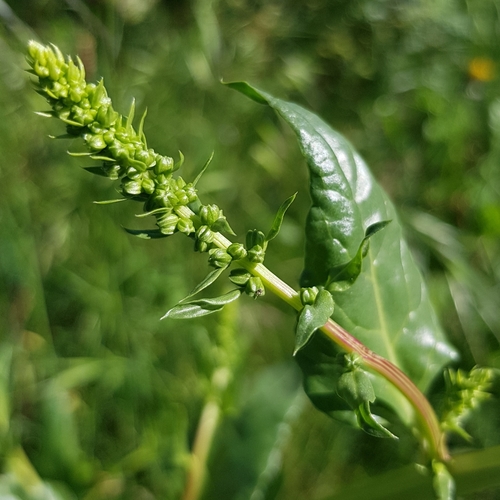
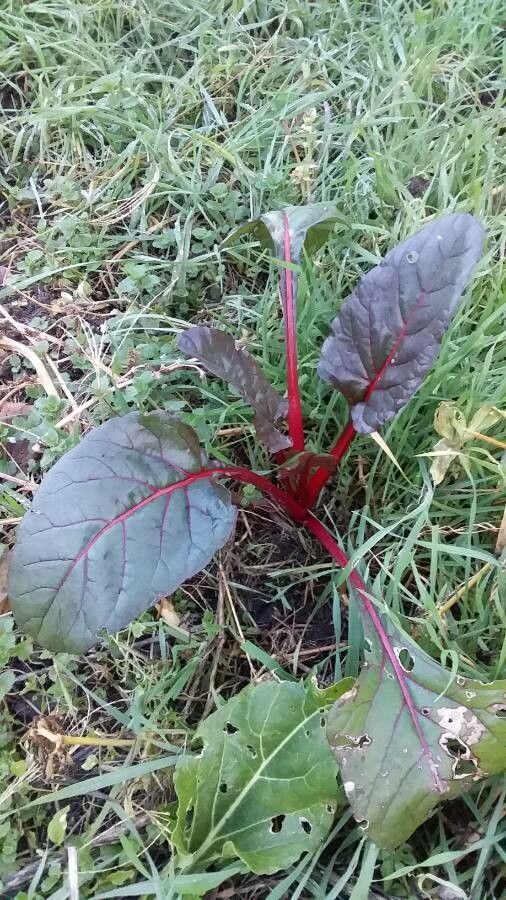
| Family: | Amaranthaceae |
| Care: | easy |
| Light: | full sun |
| Water: | every 7–10 days, or when soi |
Get Expert Care Tips
Download the Plantious app for personalized care reminders and plant identification!
Google Play App Store