Ghost Plant, Indian Pipe, Beggars Broom
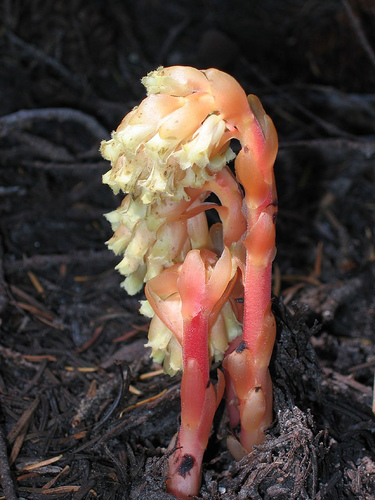
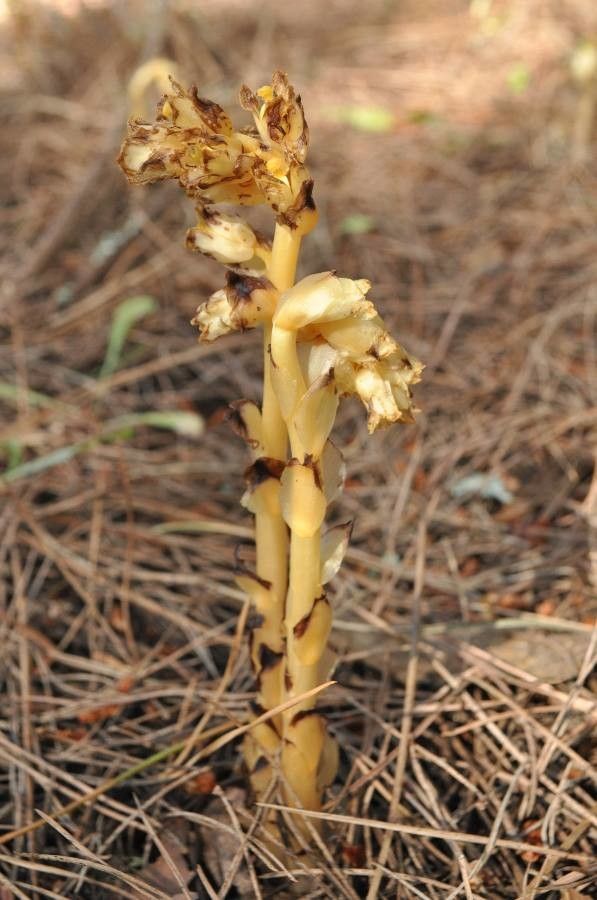
monotropa hypopitys
Also known as: ["Ghost Plant","Indian Pipe","Beggars Broom","Boneset","Pine Sap"]
Overview
A unique, mycoheterotrophic plant lacking chlorophyll, typically found in forested areas with specific fungal associations.
Benefits & Perks
["rare/collector’s item","wildlife attractant (bees, butterflies, birds)"]
Botanical Classification
| Phylum: | Magnoliophyta |
| Class: | Magnoliopsida |
| Order: | Ericales |
| Family: | Ericaceae |
| Genus: | Monotropa |
| Botanical Name: | Monotropa hypopitys |
Plant Characteristics
Basic Information
- Category: Flowers
- Suitable Location: forest floor under conifers or hardwoods
- Suitable For:
- Is Weed: No
- Allergenicity: low
Environmental Needs
- Climate: {"temperatureRange":"0–30°C"}
- Hardiness: {"zones":"3–8"}
- Misting: not required
- Drainage: Well-draining but moisture-retentive; avoid waterlogging.
- Soil Type: Acidic, humus-rich soil with high organic matter; mimics forest floor conditions.
Maintenance Level
- Maintenance Level: very high
- Toughness Level: very low
- Pruning Frequency: As needed, typically annually or when dead growth is present.
- Pruning Intensity: Light pruning; remove only dead or diseased parts.
Care Details
Ideal Sunlight Coverage:
No direct sunlight; thrives in deep shade with indirect, dappled light.
Sunlight Tolerance Tips:
Avoid any direct sunlight; acclimate slowly if moving from darker to slightly brighter conditions; ideal for shaded forest floors or north-facing indoor locations.
Care Requirements
Care Difficulty
expert onlychallenging
Sunlight
shade or deep shade
Avoid direct sun; prefer deep shade; mimic forest floor conditions.
Watering
rarely required, as it is a mycoheterotroph
Water only when soil is partially dry; avoid overwatering due to its mycoheterotrophic nature.
Soil
acidic, humus-rich soil
pH: Acidic, pH 4.5–6.0.
Use acidic soil; maintain moisture without waterlogging; ensure mycorrhizal presence.
Temperature
Cool temperatures, ideally 50–65°F (10–18°C); tolerates mild frost but prefers consistent cool conditions.
Keep cool; protect from frost; avoid sudden temperature swings.
Fertilizing
not applicable, as it derives nutrients from mycorrhizal fungi
Avoid all fertilizers; rely on natural soil fungi; no supplementation needed.
Propagation
Methods
Seed propagation is challenging; division of rhizomes is possible but rare.
Step-by-Step Propagation Guide
- Collect seeds or divide rhizomes.
- Prepare mycorrhizal-rich medium.
- Maintain high humidity and shade.
Best Time: Late winter or early spring when the plant is dormant.
Environment
High humidity, shaded, cool environment with consistent moisture.
Medium
Humus-rich, acidic soil with high organic matter; requires mycorrhizal fungi.
Hormone
Not applicable; relies on natural fungal associations.
Timeline
Seeds may take months to germinate; rhizome division may show growth in 1–2 months.
Tools Needed
Sharp knife, sterile potting mix, humidity dome, shade cloth.
Quick Tips
Ensure mycorrhizal presence; maintain high humidity; be patient with germination.
Pruning & Repotting
Pruning Guide
Method
Snip dead stems at the base; avoid cutting healthy growth.
Pruning Plan
Minimal pruning; remove dead or damaged stems as needed.
Tools
Sharp, clean scissors or pruners.
Checklist
Inspect for dead stems; prune carefully; sanitize tools after use.
Repotting Guide
Best Season
Early spring before new growth begins.
Pot Size
Use a pot one size larger if repotting is necessary.
Method
Gently lift the plant; trim any dead roots; repot in a mycorrhizal-rich, acidic mix with good drainage.
Suggestions
Rarely needed; only repot if the plant outgrows its container or soil quality degrades.
Checklist
Check root health; use appropriate soil mix; ensure good drainage; minimal disturbance to roots.
Advanced Care Tips
Watering Mastery
Watering Checklist
Check soil moisture; water sparingly; ensure good drainage; adjust for dormancy.
How to Apply Water Properly
Water at the root zone, ensuring slow absorption to avoid runoff; use room temperature water; water in the morning to prevent fungal growth.
Watering Schedule Tips
Water sparingly, allowing soil to dry partially between waterings; reduce frequency in winter dormancy.
Soil Improvement
Add peat moss, leaf mold, or compost to increase acidity and organic matter; ensure mycorrhizal fungi are present.
Temperature Stress Management
Signs of Temperature Issues
Wilting, leaf drop, or cessation of growth in extreme heat; browning or necrosis in excessive cold.
Cold Stress
Slows metabolic processes; can lead to root damage if frozen; may enter dormancy.
Solution: Insulate pots or plant in-ground with mulch; avoid sudden temperature drops; protect from frost.
Hot Stress
Causes wilting, leaf scorch, and metabolic disruption; may lead to death if prolonged.
Solution: Provide shade; increase humidity; water carefully to avoid overheating roots.
Fertilizing Guide
Fertilizing Checklist
Do not fertilize; ensure mycorrhizal fungi are present; maintain soil health organically.
Fertilizing Method
Do not fertilize; Monotropa is mycoheterotrophic and derives nutrients from fungi, not soil.
Common Problems & Solutions
Toxicity Warning
Cats
Non-toxicMonotropa hypopitys has not been reported to be toxic to cats. The plant lacks known toxic substances that would pose a risk to felines.
⚡ Toxic If:
Generally not applicable
Dogs
Non-toxicThere are no documented cases or studies indicating that Monotropa hypopitys is toxic to dogs. The plant does not contain known toxic compounds that would cause harm to canines.
⚡ Toxic If:
Generally not applicable
Humans
Non-toxicMonotropa hypopitys, commonly known as yellow bird's nest or ghost plant, is a non-photosynthetic plant that derives its nutrients from mycoheterotrophy. It is not known to produce any toxic compounds that would pose a risk to humans.
⚡ Toxic If:
Generally not applicable
Frequently Asked Questions
Q: Is Monotropa hypopitys a parasitic plant?
A: No, it is mycoheterotrophic, deriving nutrients from fungi rather than directly from other plants.
Q: Can Monotropa hypopitys be grown in a typical garden?
A: It is extremely difficult to cultivate outside its natural habitat due to its reliance on specific mycorrhizal fungi.
Q: Why is Monotropa hypopitys white?
A: It lacks chlorophyll, the pigment responsible for the green color in most plants.
Quick Reference


| Family: | Ericaceae |
| Care: | expert only |
| Light: | shade or deep shade |
| Water: | rarely required, as it is a my |
Get Expert Care Tips
Download the Plantious app for personalized care reminders and plant identification!
Google Play App Store