Northern Highbush Blueberry
vaccinium corymbosum
Also known as: ["Highbush Blueberry","Northern Blueberry"]
Overview
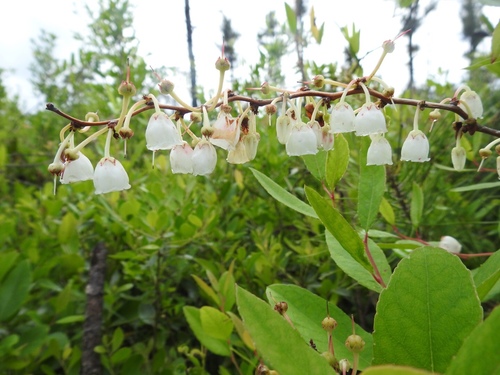
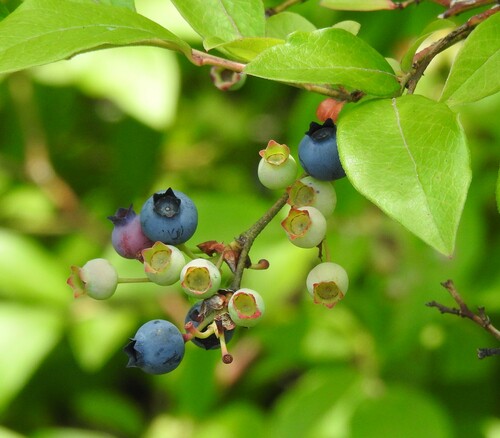
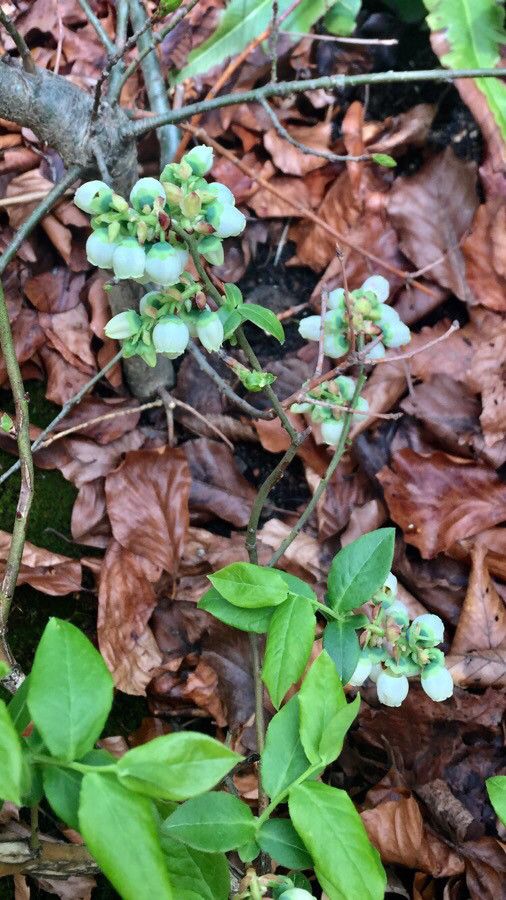
A deciduous shrub native to eastern North America, known for its edible blue berries and attractive foliage.
Benefits & Perks
["edible fruits","wildlife attractant (bees, butterflies, birds)","drought tolerant","shade tolerant"]
Botanical Classification
| Phylum: | Magnoliophyta |
| Class: | Magnoliopsida |
| Order: | Ericales |
| Family: | Ericaceae |
| Genus: | Vaccinium |
| Botanical Name: | Vaccinium corymbosum |
Plant Characteristics
Basic Information
- Category: Fruits
- Suitable Location: raised beds or containers in acidic soil, or naturalized areas with suitable conditions
- Suitable For:
- Is Weed: No
- Allergenicity: low
Environmental Needs
- Climate: {"temperatureRange":"–29 to 43°C"}
- Hardiness: {"zones":"4–8"}
- Misting: rarely required, only if grown in very dry indoor conditions
- Drainage: Well-draining to slightly moist; avoid heavy clay soils.
- Soil Type: Acidic, well-draining loam with organic matter; similar to azalea or rhododendron mixes.
Maintenance Level
- Maintenance Level: moderate
- Toughness Level: moderate
- Pruning Frequency: Annually in late winter or early spring before new growth begins.
- Pruning Intensity: Moderate; remove about one-third of the oldest canes each year.
Care Details
Ideal Sunlight Coverage:
Full sun (6–8 hours/day) in spring and summer; partial shade during intense summer heat; adjust based on seasonal light intensity.
Sunlight Tolerance Tips:
Acclimate plants gradually to full sun; protect from harsh midday sun; provide shade during extreme heat; adjust indoor placement to mimic natural light cycles.
Care Requirements
Care Difficulty
moderatemoderate
Sunlight
full sun to partial shade
Use shade cloth in peak summer; rotate plants for even light exposure; monitor for sunburn signs.
Watering
every 7–10 days, or when top inch of soil is dry
Maintain consistent soil moisture, avoid waterlogging, and water at the base to prevent leaf wetness.
Soil
acidic, well-drained, sandy loam with high organic matter
pH: 4.5–5.5 (acidic); adjust with sulfur or peat moss if needed.
Test soil pH annually; use acidic mulch like pine needles; avoid lime applications.
Temperature
Optimal range 60–75°F (15–24°C); tolerates winter lows to -20°F (-29°C) in dormant state; prefers cooler nights during fruiting.
Protect from late spring frosts; water early to avoid heat stress; adjust care based on seasonal temperature shifts.
Fertilizing
annually in early spring with a balanced, slow-release fertilizer
Test soil before fertilizing; apply fertilizer evenly around the drip line; water thoroughly after application.
Propagation
Methods
Softwood stem cuttings in late spring or early summer; layering can also be effective.
Step-by-Step Propagation Guide
- Select healthy stem cuttings.
- Apply rooting hormone.
- Plant in medium.
- Maintain humidity.
- Transplant once rooted.
Best Time: Late spring to early summer when new growth is semi-hardened.
Environment
High humidity (70–90%), warm temperatures (70–75°F), and indirect light.
Medium
Peat-based mix with perlite or sand for good drainage and aeration.
Hormone
Rooting hormone (auxin) is recommended to improve success rates.
Timeline
Roots develop in 4–8 weeks; establish in pots or ground within 1–2 growing seasons.
Tools Needed
Pruners, rooting hormone, propagation tray, humidity dome, misting spray bottle.
Quick Tips
Use disease-free cuttings; maintain consistent moisture; provide bottom heat for faster rooting.
Pruning & Repotting
Pruning Guide
Method
Thinning cuts to remove entire canes at the base; heading cuts to shape young plants.
Pruning Plan
Remove dead or diseased wood annually; thin crowded canes to improve airflow and light penetration; encourage new fruiting wood.
Tools
Sharp bypass pruners, loppers for thick canes, pruning saw for large stems.
Checklist
Sterilize tools; prune before bud break; remove weak or crossing branches; clean up debris afterward.
Repotting Guide
Best Season
Early spring before active growth starts.
Pot Size
Use a container 1–2 sizes larger if repotting is necessary; in-ground plants do not require repotting.
Method
Gently loosen roots if pot-bound; replace with fresh, well-draining soil mix; ensure proper drainage.
Suggestions
Not typically repotted; plant in-ground or large permanent containers; replace topsoil every 2–3 years.
Checklist
Check root health; use appropriate soil mix; ensure drainage holes are clear; water after repotting.
Advanced Care Tips
Watering Mastery
Watering Checklist
Check soil moisture before watering; water deeply at the base; ensure proper drainage; avoid wetting foliage.
How to Apply Water Properly
Water thoroughly at the root zone until soil is moist but not saturated, ensuring excess drains away; water early in the morning to minimize evaporation and fungal risk.
Watering Schedule Tips
Water deeply once a week during spring and summer, increasing to twice weekly during fruiting; reduce frequency in fall and winter to prevent waterlogging.
Soil Improvement
Incorporate peat moss, pine bark, or compost; ensure good drainage with sand or perlite; maintain organic mulch.
Temperature Stress Management
Signs of Temperature Issues
Chlorosis or necrosis in leaves, bud drop, stunted growth, or delayed flowering due to extreme heat or cold.
Cold Stress
Low temperatures can damage buds and fruit; prolonged frost may cause dieback or reduced yield.
Solution: Mulch heavily around the base; use frost cloth or row covers during freezes; plant in sheltered locations; avoid late-season nitrogen fertilization.
Hot Stress
Excessive heat can lead to leaf scorch, reduced fruit set, and wilting due to transpiration overload.
Solution: Provide afternoon shade; increase watering frequency; use reflective mulch; ensure good air circulation.
Fertilizing Guide
Fertilizing Checklist
Check soil pH; use appropriate fertilizer type; apply at correct rate; water after fertilizing; avoid late-season feeding.
Fertilizing Method
Use balanced, slow-release fertilizer in early spring before new growth; avoid high-nitrogen formulas; reduce or stop fertilizing in late summer to avoid tender growth.
Common Problems & Solutions
Toxicity Warning
Cats
Non-toxicVaccinium corymbosum is not toxic to cats. The plant and its fruits are safe for feline consumption.
⚠️ Symptoms:
🌿 Toxic Parts:
⚡ Toxic If:
Generally non-toxic
Dogs
Non-toxicHighbush blueberries are not toxic to dogs. They can be a healthy treat in moderation.
⚠️ Symptoms:
🌿 Toxic Parts:
⚡ Toxic If:
Generally non-toxic
Humans
Non-toxicVaccinium corymbosum, commonly known as highbush blueberry, is not considered toxic to humans. The fruits, leaves, and stems are generally safe for consumption.
⚠️ Symptoms:
🌿 Toxic Parts:
⚡ Toxic If:
Generally non-toxic
Frequently Asked Questions
Q: How do I grow blueberries?
A: Blueberries require acidic soil (pH 4.5–5.5), full sun, and consistent moisture.
Q: Are blueberries good for you?
A: Yes, they are rich in antioxidants, vitamins, and fiber.
Q: Why are my blueberry leaves turning yellow?
A: This may indicate nutrient deficiency or improper soil pH; test soil and adjust accordingly.
Quick Reference


| Family: | Ericaceae |
| Care: | moderate |
| Light: | full sun to partial shade |
| Water: | every 7–10 days, or when top |
Get Expert Care Tips
Download the Plantious app for personalized care reminders and plant identification!
Google Play App Store