Peacock Plant
calathea makoyana
Also known as: ["Peacock Plant","Calathea Peacock","Peacock Calathea"]
Overview
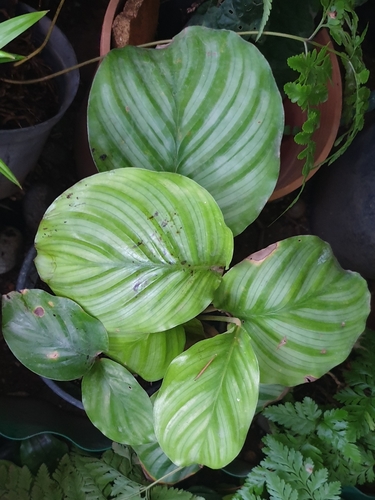
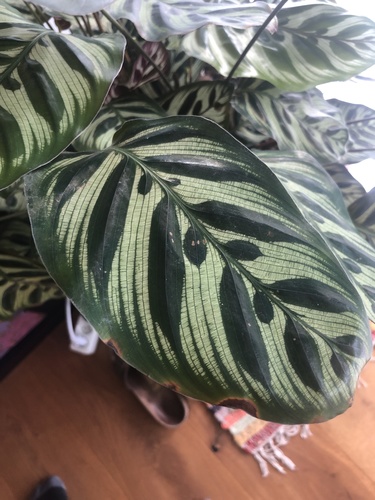
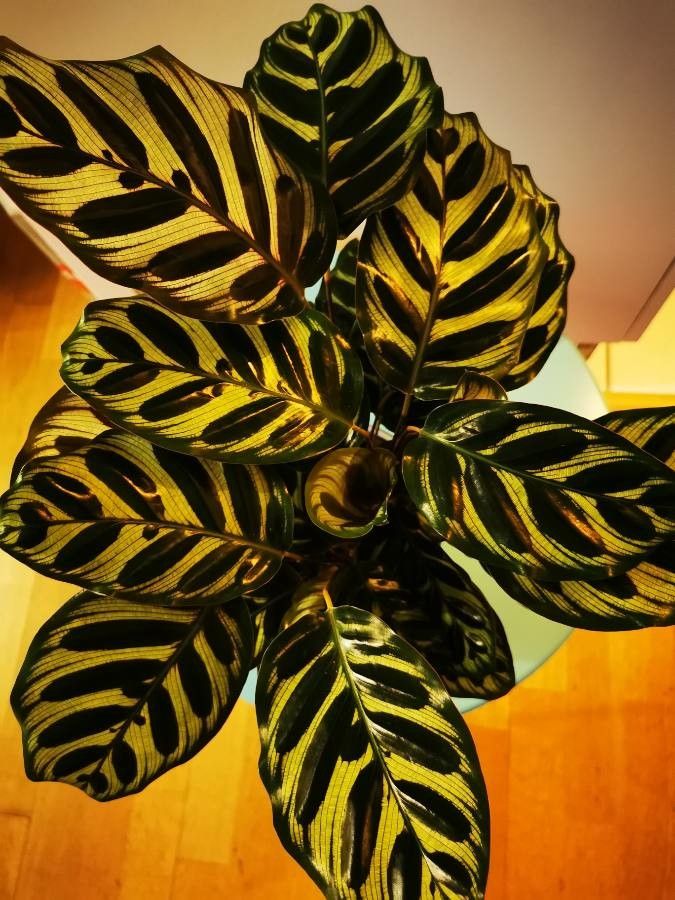
A tropical evergreen perennial with striking, colorful foliage featuring intricate patterns of green and purple.
Benefits & Perks
["aesthetic foliage","shade tolerant","low maintenance"]
Botanical Classification
| Phylum: | Magnoliophyta |
| Class: | Liliopsida |
| Order: | Zingiberales |
| Family: | Marantaceae |
| Genus: | Calathea |
| Botanical Name: | Calathea makoyana |
Plant Characteristics
Basic Information
- Category: Leaf Plants
- Suitable Location: indoor pot in a humid environment with bright, filtered light
- Suitable For:
- Is Weed: No
- Allergenicity: low
Environmental Needs
- Climate: {"temperatureRange":"18–27°C"}
- Hardiness: {"zones":"11–12"}
- Misting: every 2–3 days to maintain high humidity
- Drainage: Fast-draining to prevent waterlogging.
- Soil Type: Peat-based, well-draining mix with perlite or orchid bark to improve aeration.
Maintenance Level
- Maintenance Level: moderate
- Toughness Level: moderate
- Pruning Frequency: As needed, typically every 1–2 months or when dead leaves appear.
- Pruning Intensity: Light to moderate, focusing on selective leaf removal rather than heavy cutting.
Care Details
Ideal Sunlight Coverage:
Bright, indirect light for 6–8 hours daily. Avoid direct sunlight, which can scorch leaves. Adjust placement seasonally to maintain consistent light levels.
Sunlight Tolerance Tips:
Acclimate new plants to brighter light gradually over 1–2 weeks. If outdoors, provide dappled shade. Indoors, place near an east-facing window or use sheer curtains to filter light.
Care Requirements
Care Difficulty
moderatemoderate
Sunlight
bright, indirect light
Rotate plant weekly for even growth; use grow lights if natural light is insufficient; monitor for leaf burn or fading.
Watering
every 5–7 days, allowing soil to dry slightly between waterings
Use distilled or rainwater to avoid mineral buildup; ensure soil remains consistently moist but not waterlogged; avoid letting the plant sit in standing water.
Soil
moist, well-draining, peat-based potting mix
pH: Acidic to slightly acidic, pH 5.5–6.5.
Avoid heavy garden soil; ensure soil is moist but not compacted; replace soil every 1–2 years.
Temperature
Prefers 65–80°F (18–27°C). Avoid temperatures below 60°F (15°C) or sudden fluctuations. Maintain stable conditions year-round.
Avoid placing near heating/cooling vents; maintain stable room temperature; use a thermometer to monitor conditions.
Fertilizing
every 2 weeks during active growth (spring and summer), every 3 months with slow-release fertilizer
Fertilize only when actively growing; flush soil occasionally to prevent salt buildup; avoid overfertilizing, which can burn roots.
Propagation
Methods
Stem division (rhizome separation) is the most reliable method.
Step-by-Step Propagation Guide
- 1. Remove plant from pot.
- 2. Identify natural divisions with roots.
- 3. Separate carefully with clean tools.
- 4. Repot divisions in fresh soil.
- 5. Maintain high humidity.
Best Time: Spring or early summer when the plant is actively growing.
Environment
High humidity (70–90%), warm temperatures (70–75°F), and indirect light.
Medium
A mix of peat-based soil with perlite or orchid bark for good drainage and aeration.
Hormone
Not strictly necessary, but rooting hormone can speed up the process.
Timeline
Roots may develop in 4–6 weeks; new growth may take 2–3 months.
Tools Needed
Clean knife or shears, pots, soil mix, plastic bags or propagation dome.
Quick Tips
Ensure each division has healthy roots and foliage; keep soil consistently moist; avoid direct sunlight during rooting.
Pruning & Repotting
Pruning Guide
Method
Use clean, sharp scissors to cut leaves at the base of the stem. Avoid cutting into healthy growth.
Pruning Plan
Remove yellow or damaged leaves to maintain aesthetics and prevent disease spread. Encourage fuller growth by trimming leggy stems.
Tools
Clean scissors or pruning shears, disinfectant (e.g., rubbing alcohol).
Checklist
Disinfect tools before use; cut leaves at the base; remove only damaged or yellowing foliage; dispose of clippings properly.
Repotting Guide
Best Season
Spring, before the active growing season begins.
Pot Size
Choose a pot 1–2 inches larger in diameter than the current one.
Method
Remove plant gently, trim any dead roots, place in a slightly larger pot with fresh, well-draining soil, and water lightly.
Suggestions
Repot every 1–2 years or when roots outgrow the pot (become root-bound). Necessary to refresh soil and provide space for growth.
Checklist
Use fresh potting mix; ensure drainage holes; handle roots gently; water sparingly after repotting.
Advanced Care Tips
Watering Mastery
Watering Checklist
Use room-temperature water; check soil moisture before watering; ensure pot has drainage holes; discard excess water after 30 minutes.
How to Apply Water Properly
Water thoroughly until it drains from the bottom, ensuring even moisture distribution. Focus on the root zone, avoiding wetting the foliage excessively. Allow excess water to drain completely before returning to the saucer.
Watering Schedule Tips
Water when the top 1–2 inches of soil feel dry; typically every 5–7 days in spring/summer, reducing frequency to every 10–14 days in fall/winter. Adjust based on humidity and temperature.
Soil Improvement
Add perlite or coarse sand for drainage; incorporate organic matter like compost for fertility; use a layer of gravel at the pot bottom.
Temperature Stress Management
Signs of Temperature Issues
Chlorosis (yellowing leaves), leaf curling, bud drop, or browning leaf edges. Cold stress may cause wilting, while heat stress leads to dry, crispy leaves.
Cold Stress
Low temperatures slow growth, weaken the plant, and make it susceptible to root rot and pests. Prolonged cold can cause leaf necrosis.
Solution: Move plant away from drafty windows or AC vents. Use a space heater if needed. Ensure soil doesn’t stay wet in cold conditions.
Hot Stress
Excessive heat increases transpiration, leading to dehydration, wilting, and leaf scorch. High humidity may also promote fungal issues.
Solution: Increase humidity with a pebble tray or humidifier. Provide shade during peak heat. Water more frequently but avoid overwatering.
Fertilizing Guide
Fertilizing Checklist
Use diluted fertilizer; apply during growing season; water before fertilizing; rinse soil periodically.
Fertilizing Method
Use a balanced liquid fertilizer (e.g., 10-10-10) diluted to half strength every 4–6 weeks during spring/summer. Reduce or stop in fall/winter.
Common Problems & Solutions
Toxicity Warning
Cats
Non-toxicCalathea makoyana is not toxic to cats. There are no known adverse effects from ingestion of this plant by felines.
🌿 Toxic Parts:
⚡ Toxic If:
if eaten
Dogs
Non-toxicCalathea makoyana is not toxic to dogs. There are no known adverse effects from ingestion of this plant by canines.
🌿 Toxic Parts:
⚡ Toxic If:
if eaten
Humans
Non-toxicCalathea makoyana is not known to have toxic effects on humans. It is generally considered safe for ingestion, though it is not typically consumed as a food source.
🌿 Toxic Parts:
⚡ Toxic If:
if eaten
Frequently Asked Questions
Q: Why are the leaves of my Calathea makoyana curling?
A: Leaf curling is often due to low humidity or underwatering. Increase humidity and ensure consistent watering.
Q: How often should I water my Calathea makoyana?
A: Water when the top inch of soil feels dry, typically once a week, but adjust based on environmental conditions.
Q: Can Calathea makoyana tolerate direct sunlight?
A: No, it prefers indirect, dappled light. Direct sunlight can scorch the leaves.
Quick Reference
| Family: | Marantaceae |
| Care: | moderate |
| Light: | bright, indirect light |
| Water: | every 5–7 days, allowing soi |
Get Expert Care Tips
Download the Plantious app for personalized care reminders and plant identification!
Google Play App Store