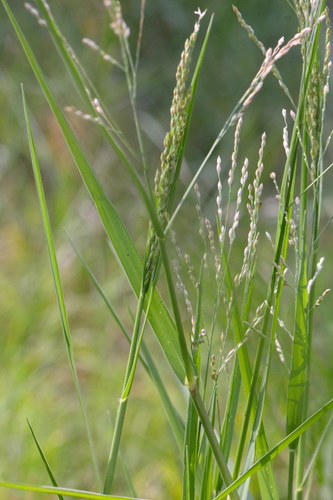
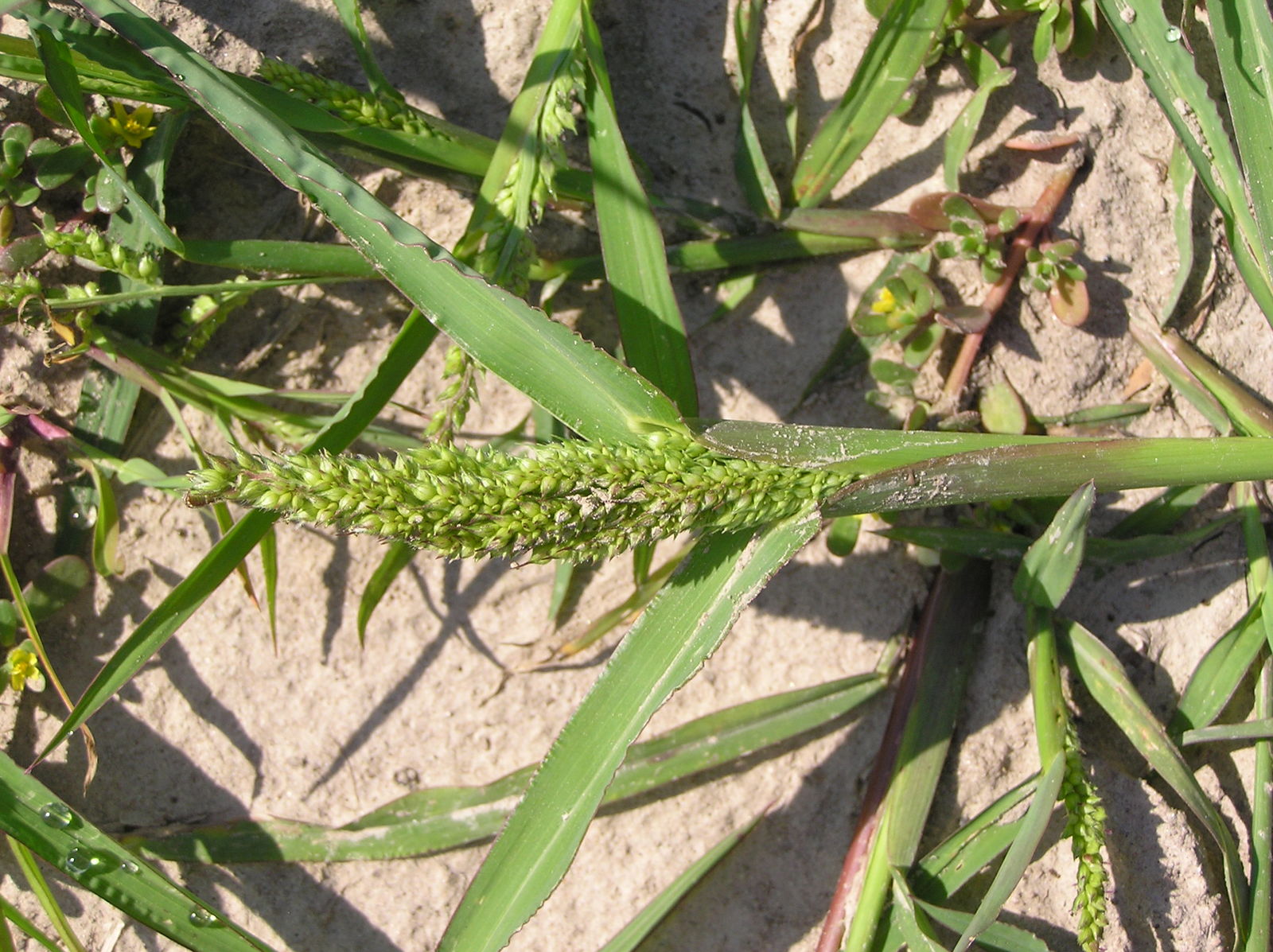
Barnyard Grass
echinochloa crus-galli
Also known as: ["Barnyard Millet","Common Barnyard Grass","Cock's Foot"]
Overview
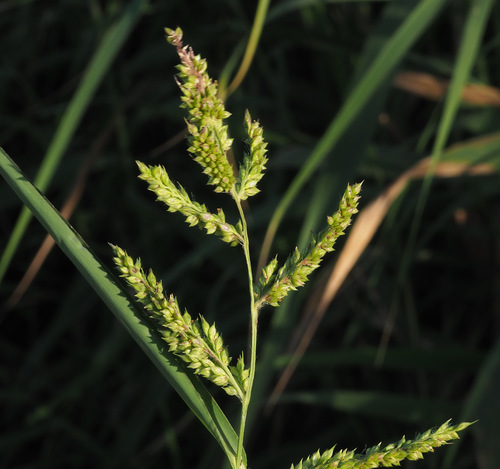
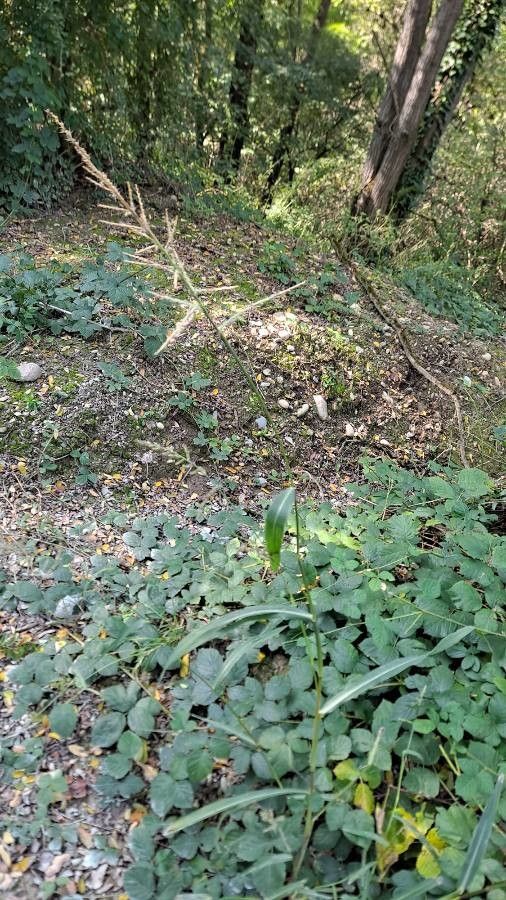
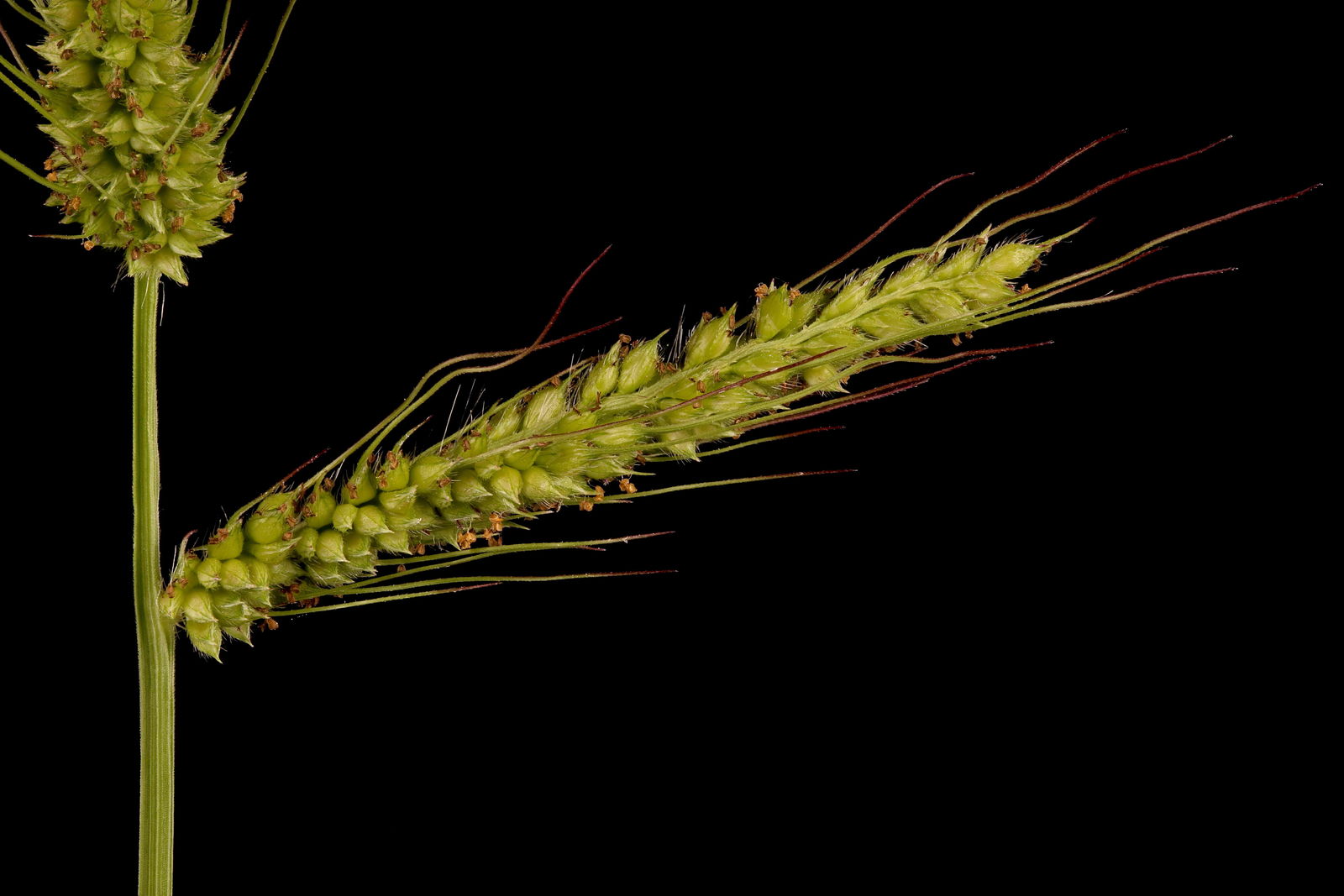
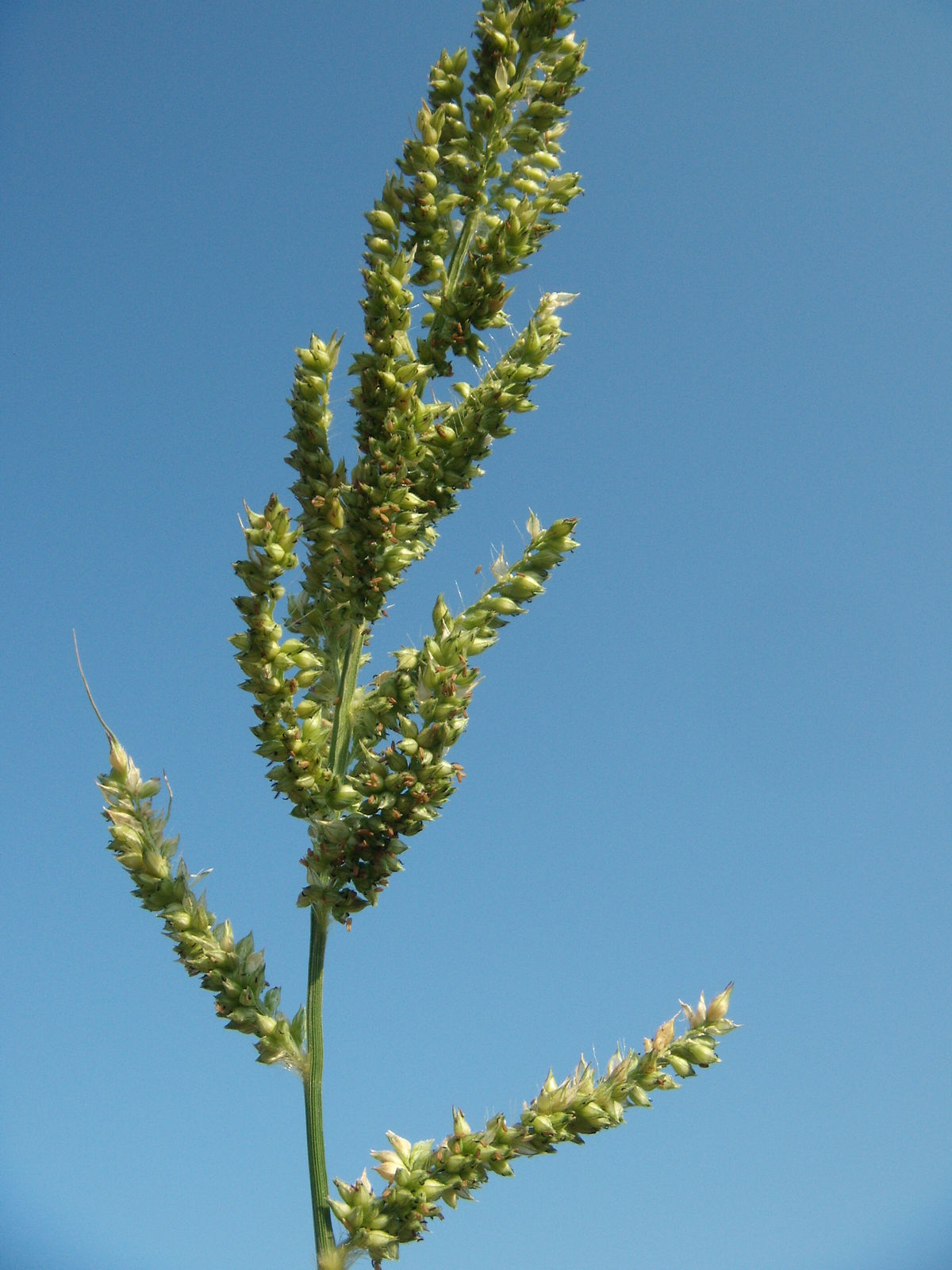
A widespread annual grass species often considered a weed in agricultural settings due to its rapid growth and competitiveness.
Benefits & Perks
["fast growing","drought tolerant"]
Botanical Classification
| Phylum: | Magnoliophyta |
| Class: | Liliopsida |
| Order: | Poales |
| Family: | Poaceae |
| Genus: | Echinochloa |
| Botanical Name: | Echinochloa crus-galli |
Plant Characteristics
Basic Information
- Category: Herbs & Weeds
- Suitable Location: field, garden border, or disturbed areas
- Suitable For:
- Is Weed: No
- Allergenicity: low
Environmental Needs
- Climate: {"temperatureRange":"15–35°C"}
- Hardiness: {"zones":"3–9"}
- Misting: not necessary
- Drainage: Moderate drainage; tolerates wet conditions but not waterlogged soil long-term.
- Soil Type: Adaptable; prefers fertile, loamy soil but grows in poor soils.
Maintenance Level
- Maintenance Level: very low
- Toughness Level: very high
- Pruning Frequency: As needed to manage spread; not a regular practice.
- Pruning Intensity: Light; remove unwanted shoots or seed heads.
Care Details
Ideal Sunlight Coverage:
Full sun (6–8 hours/day); tolerates partial shade but may produce fewer seeds.
Sunlight Tolerance Tips:
Acclimate seedlings gradually to full sun; avoid sudden exposure to intense midday sun; adjust placement based on seasonal light intensity.
Care Requirements
Care Difficulty
very easyeasy
Sunlight
full sun to partial shade
Rotate plants for even growth; use shade cloth in extreme heat; monitor for sunburn signs.
Watering
every 7–10 days, or when soil surface is dry
Water thoroughly but infrequently to encourage deep roots; ensure proper drainage to avoid waterlogging; adjust based on weather and soil moisture.
Soil
tolerates a wide range of soils, including heavy clay and moist conditions
pH: Slightly acidic to neutral (pH 6.0–7.0).
Mulch to retain moisture; avoid overwatering; enrich with organic matter if needed.
Temperature
Warm temperatures (20–30°C); thrives in summer heat; sensitive to frost.
Avoid planting in late fall; protect from frost; ensure good air circulation in heat.
Fertilizing
rarely required, if at all
Use a slow-release fertilizer; fertilize only during active growth; dilute liquid fertilizer to half strength.
Propagation
Methods
Seed propagation; can also spread via rhizomes in favorable conditions.
Step-by-Step Propagation Guide
- Sow seeds directly in soil.
- Keep moist.
- Thin seedlings.
- Or divide rhizomes and replant.
Best Time: Spring, after last frost; when soil temperatures are warm.
Environment
Warm, moist conditions; partial shade for seedlings.
Medium
Well-draining soil mix; can germinate in bare soil with adequate moisture.
Hormone
Not required for seeds; rooting hormone may help rhizome cuttings.
Timeline
Seeds germinate in 1–2 weeks; rhizomes root in 2–4 weeks.
Tools Needed
Trowel, watering can, seed trays (optional).
Quick Tips
Sow seeds in groups; thin to strongest plants; keep soil consistently moist.
Pruning & Repotting
Pruning Guide
Method
Hand-pulling or cutting at soil level; remove seed heads before dispersal.
Pruning Plan
Not typically pruned; focus on controlling spread if invasive.
Tools
Gloves, hand trowel, pruners (for larger stems).
Checklist
Identify unwanted growth; remove carefully; dispose of seeds properly.
Repotting Guide
Best Season
Not applicable; if dividing rhizomes, do so in spring.
Pot Size
Not applicable; ensure divided rhizomes have adequate space.
Method
Not applicable; for rhizomes, dig carefully, divide, and replant immediately.
Suggestions
Not typically repotted; focus on controlling spread in garden beds.
Checklist
Not applicable; for rhizomes: dig carefully, divide, replant, water well.
Advanced Care Tips
Watering Mastery
Watering Checklist
Check soil moisture; water deeply; ensure drainage; adjust frequency seasonally.
How to Apply Water Properly
Water at the base of the plant, avoiding foliage; apply until water drains from the bottom; ensure even moisture distribution without saturation.
Watering Schedule Tips
Water deeply once the top inch of soil is dry; increase frequency during hot, dry periods; reduce in winter to prevent root rot.
Soil Improvement
Add compost for fertility; ensure good drainage in heavy soils; avoid compacting soil.
Temperature Stress Management
Signs of Temperature Issues
Wilting in extreme heat; stunted growth in cold; yellowing or browning in temperature stress.
Cold Stress
Growth slows or halts; may die back in freezing temperatures; seeds may not germinate in cold soil.
Solution: Plant in spring after last frost; use row covers in cooler nights; avoid overwatering in cold.
Hot Stress
Leaf scorch; reduced seed production; wilting despite adequate water.
Solution: Provide partial shade during peak heat; increase watering; mulch to retain soil moisture.
Fertilizing Guide
Fertilizing Checklist
Check soil fertility; apply sparingly; avoid foliage contact; water after fertilizing.
Fertilizing Method
Low fertility needs; apply balanced fertilizer sparingly in early growth; avoid overfertilization.
Common Problems & Solutions
Toxicity Warning
Cats
Non-toxicEchinochloa crus-galli is not considered toxic to cats. There are no known adverse effects from ingestion or contact with this plant.
⚡ Toxic If:
Generally not toxic
Dogs
Non-toxicEchinochloa crus-galli is not considered toxic to dogs. There are no known adverse effects from ingestion or contact with this plant.
⚡ Toxic If:
Generally not toxic
Humans
Non-toxicEchinochloa crus-galli, commonly known as barnyard grass, is not considered toxic to humans. It is a common weed in agricultural settings but does not pose significant health risks upon ingestion or contact.
⚡ Toxic If:
Generally not toxic
Frequently Asked Questions
Q: Is Barnyard Grass edible?
A: While not commonly consumed, the seeds are edible and can be used similarly to other grains, though it is typically considered a weed.
Q: How can I control Barnyard Grass in my garden?
A: Hand-pulling, mowing, or using herbicides are effective methods to manage its spread.
Q: Does Barnyard Grass attract wildlife?
A: It can provide forage for birds and small mammals, but it is not typically cultivated for wildlife attraction.
Quick Reference
| Family: | Poaceae |
| Care: | very easy |
| Light: | full sun to partial shade |
| Water: | every 7–10 days, or when soi |
Get Expert Care Tips
Download the Plantious app for personalized care reminders and plant identification!
Google Play App Store