Introduction
Not all succulents bloom easily, but most can produce flowers when mature and happy. Identifying flowering types — and recognizing when your plant is about to bloom — helps you plan watering, light, and feeding for the season ahead.
1) Look for central or side bloom stalks
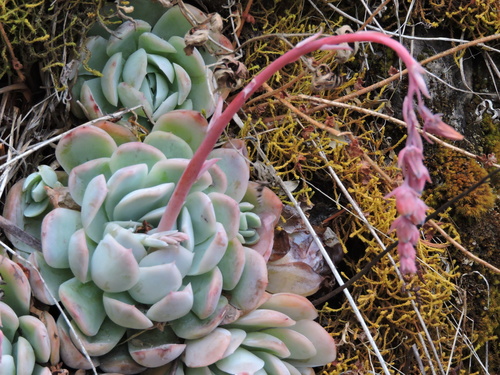
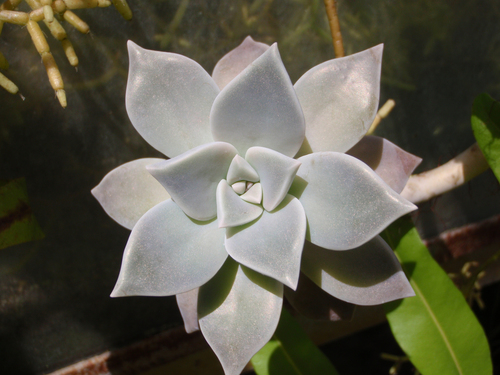
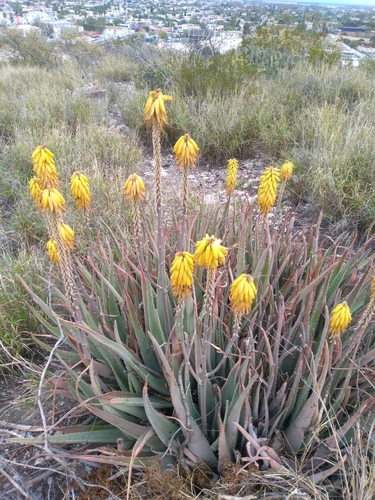
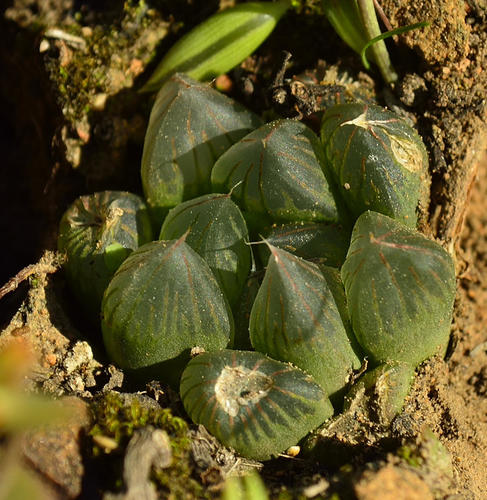
Succulents that bloom often send up a central flower stalk or a side spike from between leaves. Echeveria and Graptopetalum produce arching stems with multiple buds, while Aloe vera and Haworthia cooperi form tall flower spikes rising above the rosette.
Know More: How to Recognize Pre-Flowering Signs in Succulents2) Seasonal timing clues
Most succulents bloom in late winter or spring when daylight increases, but species like Aloe and Kalanchoe blossfeldiana prefer cool winter light. Track their cycle — indoor succulents often shift bloom times due to artificial lighting.
Know More: Season and Care for Blooming Succulents3) Check maturity and leaf arrangement
Young succulents rarely bloom. Mature plants (often 2–3 years old) show symmetrical, well-developed rosettes or branches. Some like Agave americana flower only once at maturity, producing a spectacular tall stalk before dying back.
4) Observe color and petal shape
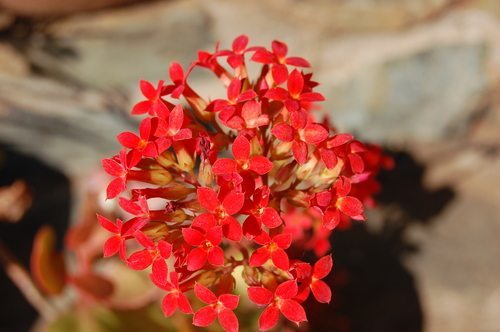
Flower color can be a key ID clue. Echeveria usually bears orange-pink blooms, Aloe shows tubular red or yellow flowers, and Kalanchoe features clusters of vivid bracts. Record color and shape for accurate species identification.
5) Don’t confuse new leaves with flower buds
Flower buds emerge from stems or rosettes, often rising above leaves. In contrast, new leaves unfold tightly from the center. Watch for elongation — that’s your bloom spike forming!
Conclusion
Blooming succulents are a sign of good care and maturity. Recognize their cues early, adjust watering, and celebrate the moment — some flowers last only a few days!