Introduction
Not all succulents thrive under the same conditions. Some love bright, harsh sun and open air, while others prefer filtered light and steady indoor warmth. Learning to tell which kind you have will help you give it the right environment — and keep it happy year-round.
1) Observe the leaf thickness and surface
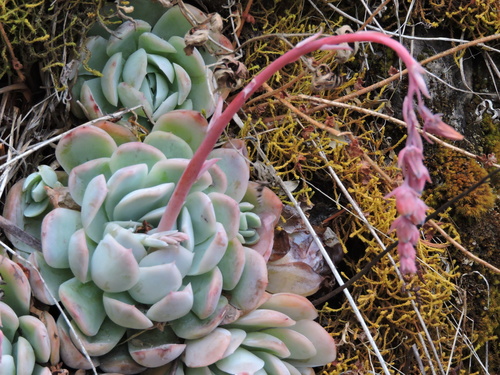
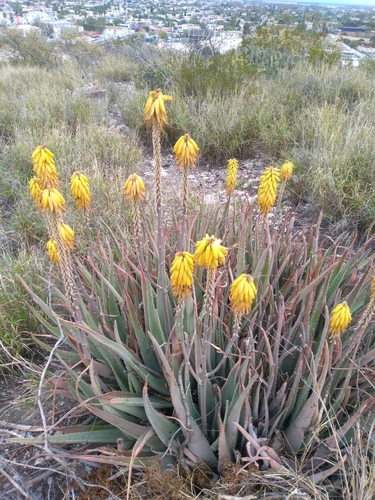
Thick, water-filled leaves usually indicate indoor or shade-tolerant species. For example, Haworthiopsis fasciata (zebra haworthia) and Gasteria prefer indirect light. In contrast, outdoor succulents like Echeveria elegans or Aloe vera have firmer leaves built to withstand direct sunlight.
2) Check the color tone
Succulents with deeper green hues usually adapt better to lower light, making them suitable for indoor spots. Blue-gray, reddish, or bronze-toned leaves typically signal full-sun outdoor species that color up under bright exposure.
3) Look at the sunlight tolerance and temperature range
Indoor types thrive at room temperature (18–27°C) and prefer bright-indirect sunlight. Outdoor varieties handle wide swings in temperature and need at least 4–6 hours of direct light daily.
Know More: Sunlight and Temperature Guide for Succulents4) Growth habit and size clues
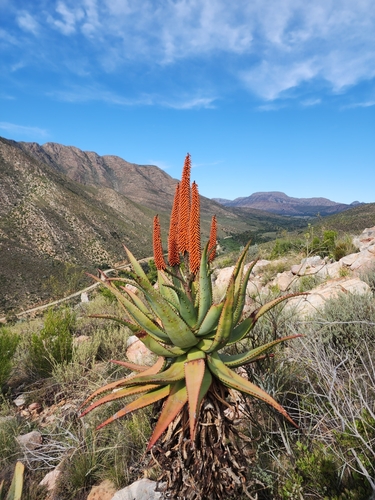
Compact, slow-growing succulents such as Haworthia and Crassula ovata adapt well to pots indoors. Sprawling or large rosettes (like Agave americana or Aloe ferox) are better suited for outdoor gardens.
5) Seasonal changes
If your succulent goes dormant or slows down significantly indoors during winter, it may be an outdoor species needing stronger seasonal cues like cool nights and full sunlight.
Conclusion
In short: deep green, softer leaves = indoor; colorful, sun-tolerant forms = outdoor. Observing where your succulent feels happiest is the surest way to know its preference.