Introduction
All cacti are succulents, but not all succulents are cacti. The fastest way to tell the difference is to look for areoles—tiny cushion-like pads where spines and flowers emerge. Pair that with a quick sap check and a glance at overall form, and you can identify most plants at home.
1) The areole test (decisive for cacti)
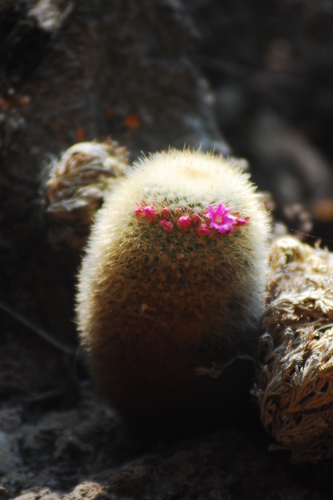
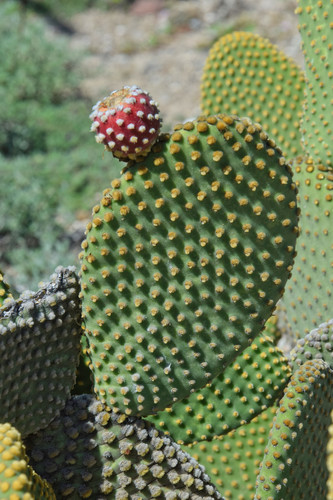
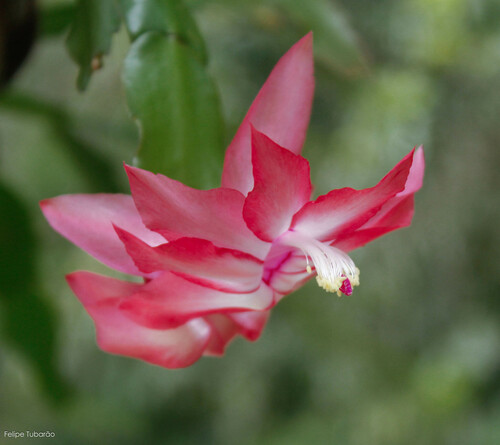
True cacti have discrete areoles arranged along ribs, tubercles, or segments. Spines, glochids, and flowers come from these pads. If you can clearly see areoles, you are looking at a cactus (e.g., Mammillaria spinosissima, Opuntia microdasys, Schlumbergera truncata).
Know More: The Areole Test — What It Looks Like on Real Cacti2) Sap check: milky latex often means Euphorbia (not a cactus)
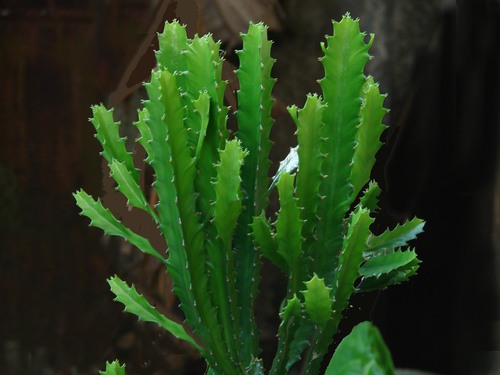
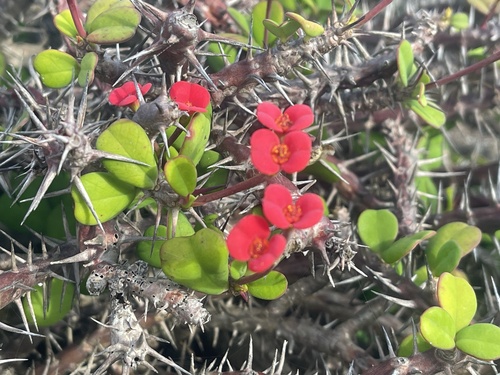
Many columnar or spiny Euphorbia species mimic cacti but lack areoles. When cut, they exude white, milky latex (e.g., Euphorbia trigona, Euphorbia milii). Handle with care—latex can irritate skin and eyes.
Know More: Euphorbia Look-Alikes — Latex Safety & ID3) Form & leaf clues (when areoles are hard to see)
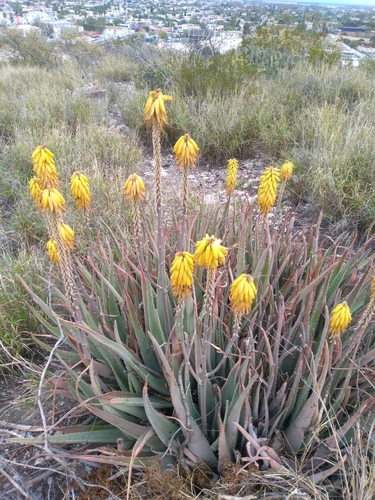
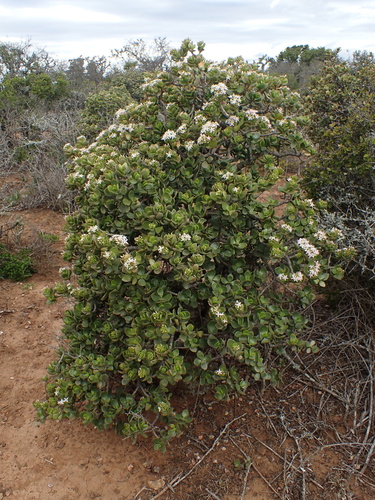
Jointed pads or segments suggest Opuntia (pads) or Schlumbergera truncata (flat segmented “holiday cactus”). Columnar with clear ribs + areoles points to cacti; columnar with angled wings and paired thorns but no areoles suggests Euphorbia. Rosette leaves often indicate non-cactus succulents (e.g., Aloe vera, Crassula ovata).
4) Spines, teeth, hairs — not decisive alone
Spines occur on many plants, but on cacti they arise from areoles. Marginal teeth (e.g., Aloe vera) and soft hairs (e.g., some Kalanchoe) are common in non-cactus succulents and do not prove cactus identity.
5) Quick photo checklist
- Top and side views to capture ribs, segments, or rosette form.
- Macro of spine bases to confirm presence/absence of areoles.
- Cut a tiny, safe tip (if needed) to check sap type; avoid contact with latex.