Introduction
You can identify many succulents at home by reading two fast clues: leaf shape (rosette, paddle, beadlike, triangular, windowed) and leaf color/finish (blue-gray glaucous, glossy green, variegated, stress reds/purples). Use the sections below to narrow the genus, then confirm with a database or AI plant ID app.
1) Rosettes vs paddles vs beads
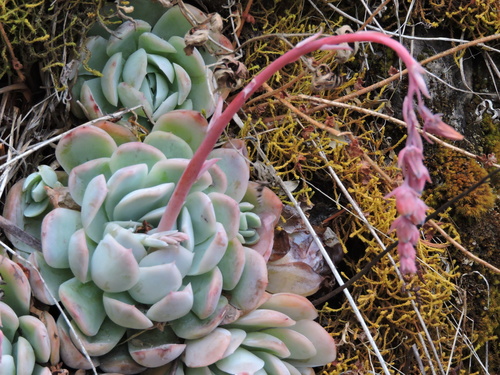
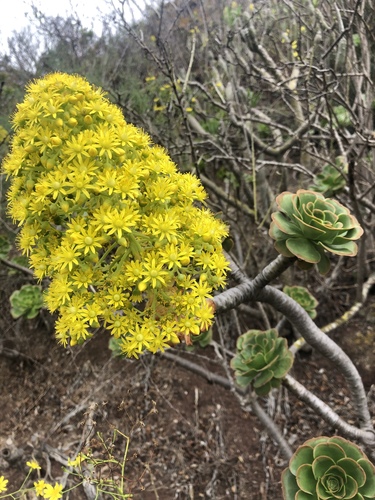
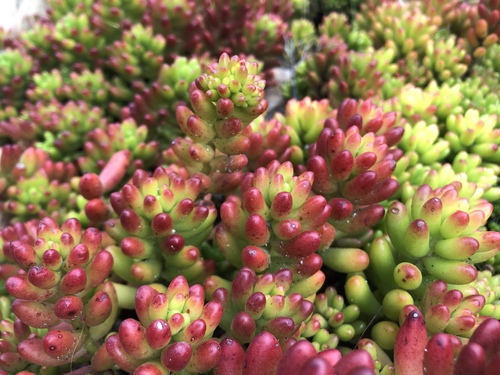
Rosettes: flat, flower-like layers (e.g., Echeveria elegans; upright banded rosettes in Haworthiopsis fasciata; woody-stem rosettes in Aeonium arboreum). Paddles: coin- or paddle-shaped leaves (e.g., Kalanchoe luciae, often called flapjacks). Beadlike: rounded leaves on short stems (e.g., Sedum rubrotinctum “jelly bean”).
Know More: Rosette, Paddle & Beadlike Succulents — Quick ID2) Blue-gray glaucous vs glossy green
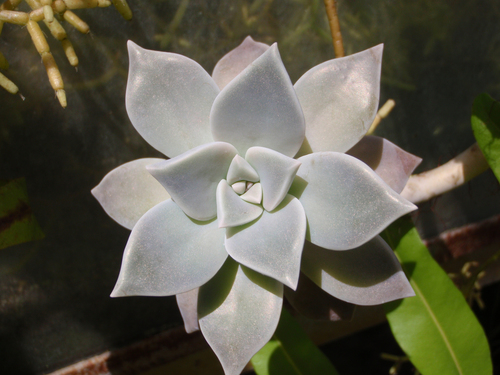
Blue/gray tones usually come from a waxy bloom (farina) or glaucous surface that scatters light (common in Echeveria, Graptopetalum paraguayense). Glossy green surfaces reflect light cleanly (e.g., Crassula ovata, Aloe vera). Farina rubs off easily—avoid wiping to keep the matte look.
Know More: Blue-Gray Glaucous Succulents & Farina Care3) Variegation patterns
Stable variegation shows consistent stripes, marbling, or margins (seen in many Crassula and Aloe cultivars). Reversion appears as plain-green shoots. Identify the pattern (marginal vs sectoral vs speckled) and compare with cultivar photos for a likely match.
Know More: Variegated Succulents — Identification & Reversion Tips4) Stress colors (reds, purples, bronzes)
Under bright light, cool nights, or drought, many succulents develop anthocyanin pigments, turning leaf edges or whole leaves red/purple/bronze (e.g., Aeonium arboreum, Sedum rubrotinctum). Color can fade in shade—so compare your plant under similar conditions to reference photos.
Know More: Stress Coloring in Succulents — How to Read Red & Purple Tones5) Special shapes: windows & triangles
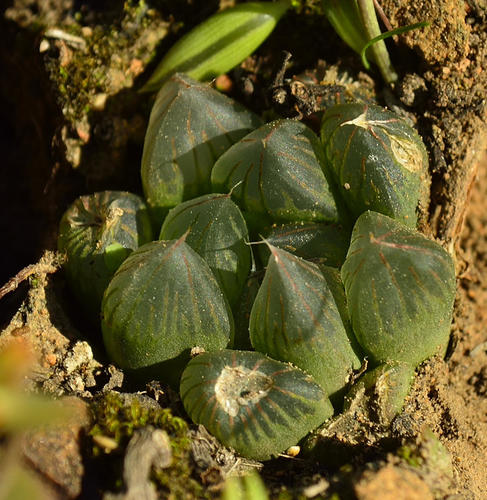
“Windowed” leaves have translucent tips that let light in (e.g., Haworthia cooperi). Triangular, toothed leaves often point to Aloe species. These shapes are strong genus clues when combined with surface finish and growth habit.