Introduction
White powder on indoor plant leaves is most often powdery mildew — a fungal disease that looks like flour dust. But it can also be hard-water residue from splashes or pest signs (mealybugs’ cottony clumps that smear when wiped). Read the quick checks below to tell which one you have and what to do next.
1) Powdery mildew: floury film that spreads
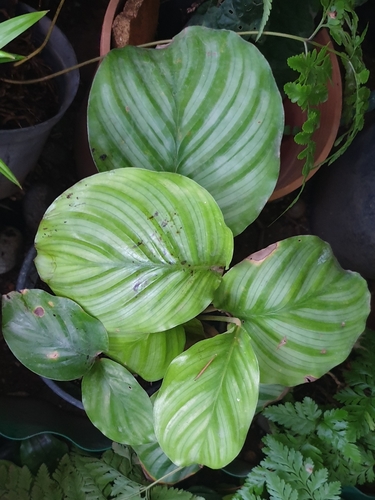
Powdery mildew appears as a soft, dust-like coating on leaf surfaces, stems, and even buds. It wipes off easily but returns, often starting on crowded leaves in low airflow. Thin-leaved plants (e.g., Calathea) and tender new growth are common targets.
Know More: Powdery Mildew — Identification & Safe Treatment Indoors2) Mineral residue: splashes that leave chalky spots
Tap water droplets can dry into chalky rings or haze. The tell? Residue does not spread and often occurs where water hits (leaf tips/edges). A damp microfiber with a tiny splash of vinegar in water (spot test first) removes it; it won’t reform unless splashing continues.
Know More: Not Mildew — Mineral Residue & the Wipe Test3) Mealybugs & friends: cotton, not powder
Mealybugs create cottony clusters in leaf axils and along veins. When dabbed with 70% alcohol, the “cotton” dissolves. Look for sticky leaves (honeydew) and slow, droopy growth. Scale insects leave shell-like bumps with similar stickiness.
Know More: Mealybugs vs Mildew — Cottony Clusters vs Powder Film4) Quick decision guide
- Wipes off and returns in days → likely mildew. Improve airflow, avoid overhead misting, treat.
- Chalky rings where water hits → mineral residue. Clean and change watering method.
- Cottony clumps + sticky leaves → pests. Isolate and spot-treat.
5) Prevention basics
Water at soil level in the morning, space plants for airflow, prune dense canopies, and keep leaves dry overnight. Use sheer curtains to soften harsh sun without trapping humidity.
Conclusion
White powder isn’t always disease — but when it is, catching it early is everything. Confirm which kind you have with a wipe test and close inspection, then apply the matching fix so new growth stays clean.