Tulip Orchid
anguloa clowesii
Also known as: ["Swaddled Baby Orchid","Anguloa clowesii"]
Overview
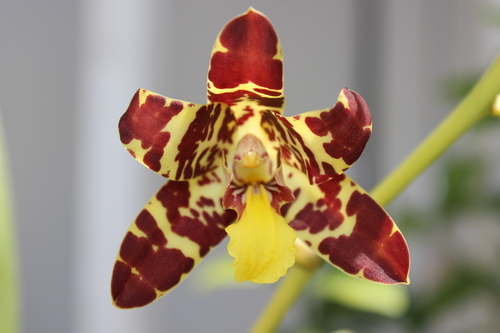
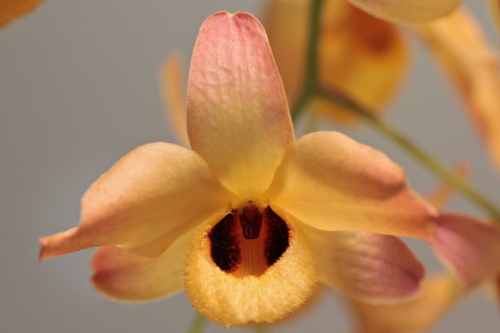
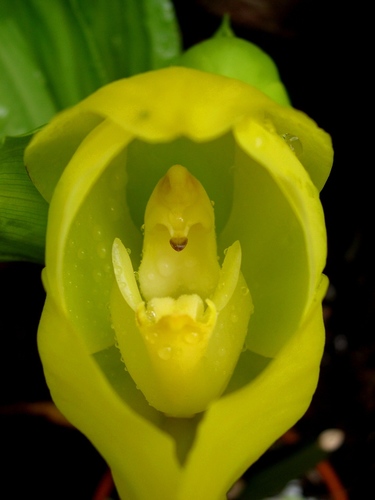
A stunning epiphytic orchid native to the cloud forests of Colombia and Venezuela, known for its large, tulip-shaped flowers with a distinctive lip resembling a swaddled baby.
Benefits & Perks
["fragrant flowers","aesthetic foliage","rare/collector’s item"]
Botanical Classification
| Phylum: | Magnoliophyta |
| Class: | Liliopsida |
| Order: | Asparagales |
| Family: | Orchidaceae |
| Genus: | Anguloa |
| Botanical Name: | Anguloa clowesii |
Plant Characteristics
Basic Information
- Category: Flowers
- Suitable Location: indoor pot with high humidity and bright, indirect light
- Suitable For:
- Is Weed: No
- Allergenicity: low
Environmental Needs
- Climate: {"temperatureRange":"10–25°C"}
- Hardiness: {"zones":"11–12"}
- Misting: every 2–3 days, especially during warm, dry periods
- Drainage: Fast-draining to prevent waterlogging.
- Soil Type: Orchid bark mix with perlite or coarse sand for aeration and drainage.
Maintenance Level
- Maintenance Level: moderate
- Toughness Level: moderate
- Pruning Frequency: Annually after flowering or as needed to remove dead material.
- Pruning Intensity: Light to moderate; remove only non-viable parts without drastically reducing plant size.
Care Details
Ideal Sunlight Coverage:
Bright indirect light for 6–8 hours daily; adjust to lower light in winter to mimic natural conditions.
Sunlight Tolerance Tips:
Gradually acclimate to brighter light to prevent scorching; provide shade during peak midday sun; adjust indoor placement to avoid direct sunlight.
Care Requirements
Care Difficulty
challengingmoderate
Sunlight
filtered light or partial shade
Rotate plant weekly for even growth; use sheer curtains to filter intense light; avoid direct afternoon sun.
Watering
every 7–10 days during active growth, reducing to every 2–3 weeks in dormancy
Water early in the day to prevent fungal growth; ensure thorough saturation without waterlogging; adjust frequency based on season and growth phase.
Soil
well-draining orchid mix with bark and perlite
pH: Slightly acidic to neutral (pH 5.5–6.5).
Use a well-aerated mix; avoid heavy potting soils; ensure pots have drainage holes.
Temperature
Ideal range 55–75°F (13–24°C); cooler temperatures (50–60°F or 10–15°C) during winter dormancy promote blooming.
Avoid placing near drafty windows or heating vents; maintain stable temperatures; adjust care based on seasonal needs.
Fertilizing
every 2 weeks during active growth with balanced orchid fertilizer, none in dormancy
Flush soil periodically to prevent salt buildup; fertilize after watering to avoid root burn; adjust frequency based on growth rate.
Propagation
Methods
Division of pseudobulbs or rhizomes; mature plants can be split into smaller clumps.
Step-by-Step Propagation Guide
- Carefully divide the plant into sections with at least 2–3 pseudobulbs.
- Pot each division in fresh medium.
- Water lightly until established.
Best Time: Late spring or early summer when new growth begins.
Environment
High humidity (60–80%), warm temperatures (65–75°F or 18–24°C), and indirect light.
Medium
Fine orchid bark mix or sphagnum moss with perlite for drainage.
Hormone
Not typically required for division; rooting hormone may aid in cuttings if used.
Timeline
New roots may emerge in 4–8 weeks; establishment can take several months.
Tools Needed
Clean pruning shears, sterile potting containers, orchid mix.
Quick Tips
Ensure each division has healthy roots; keep divisions in a stable environment; avoid overwatering new divisions.
Pruning & Repotting
Pruning Guide
Method
Cut flower spikes at the base after blooming; trim dead or shriveled pseudobulbs with sterile shears.
Pruning Plan
Focus on removing dead or damaged pseudobulbs and spent flower spikes to encourage new growth and blooming.
Tools
Sterile pruning shears, clean gloves.
Checklist
Use sterile tools; prune after flowering; remove only dead or damaged parts; clean up debris.
Repotting Guide
Best Season
Late spring or early summer after flowering and before active growth begins.
Pot Size
Choose a pot one size larger (1–2 inches wider) than the current container.
Method
Remove plant gently; trim dead roots; place in a pot with fresh orchid mix; ensure good drainage and secure pseudobulbs.
Suggestions
Repot every 2–3 years or when medium breaks down; necessary to refresh nutrients and improve drainage.
Checklist
Use fresh orchid mix; ensure good drainage; trim dead roots; position pseudobulbs correctly.
Advanced Care Tips
Watering Mastery
Watering Checklist
Check soil moisture before watering; water early morning; ensure proper drainage; adjust for season.
How to Apply Water Properly
Water directly at the root zone until water drains from the bottom; avoid wetting foliage; ensure proper drainage to prevent root rot.
Watering Schedule Tips
Water thoroughly during active growth (spring-summer), allowing soil to dry slightly between waterings; reduce frequency in winter dormancy.
Soil Improvement
Add perlite or coarse sand to orchid mix for better drainage; incorporate sphagnum moss for moisture retention.
Temperature Stress Management
Signs of Temperature Issues
Chlorosis, bud drop, or stunted growth in excessive heat; leaf discoloration or wilting in cold stress.
Cold Stress
Low temperatures slow metabolic processes, leading to reduced nutrient uptake and potential frost damage.
Solution: Protect from drafts and sudden temperature drops; provide a heat source if temperatures fall below 50°F (10°C); avoid overwatering in cold conditions.
Hot Stress
Excessive heat causes dehydration, leaf scorch, and inhibits blooming; may lead to root damage if soil dries too quickly.
Solution: Increase humidity with misting or a humidifier; provide shade during peak heat; ensure consistent watering without overwatering.
Fertilizing Guide
Fertilizing Checklist
Use diluted orchid fertilizer; fertilize during active growth; flush soil monthly; stop in winter.
Fertilizing Method
Use balanced orchid fertilizer (20-20-20) diluted to half strength every 2–4 weeks during active growth; cease fertilizing in winter.
Common Problems & Solutions
Toxicity Warning
Cats
Non-toxicAnguloa clowesii is not known to be toxic to cats. The plant does not appear to cause adverse effects when ingested or handled by felines.
⚡ Toxic If:
if eaten
Dogs
Non-toxicAnguloa clowesii is not known to be toxic to dogs. There are no reported cases or studies indicating adverse effects from ingestion or contact with this orchid species.
⚡ Toxic If:
if eaten
Humans
Non-toxicAnguloa clowesii is not known to exhibit toxic effects in humans. The plant is generally considered safe for handling and consumption, though no specific studies have been conducted on its edibility.
⚡ Toxic If:
if eaten
Frequently Asked Questions
Q: How often should I water Anguloa clowesii?
A: Water thoroughly when the medium is nearly dry, typically once every 7–10 days, depending on humidity and temperature.
Q: Does Anguloa clowesii require special lighting?
A: It thrives in bright, indirect light, similar to that of a shaded forest floor.
Q: Why are the leaves turning yellow?
A: Yellow leaves may indicate overwatering, poor drainage, or insufficient light. Adjust care accordingly.
Quick Reference


| Family: | Orchidaceae |
| Care: | challenging |
| Light: | filtered light or partial shad |
| Water: | every 7–10 days during activ |
Get Expert Care Tips
Download the Plantious app for personalized care reminders and plant identification!
Google Play App Store