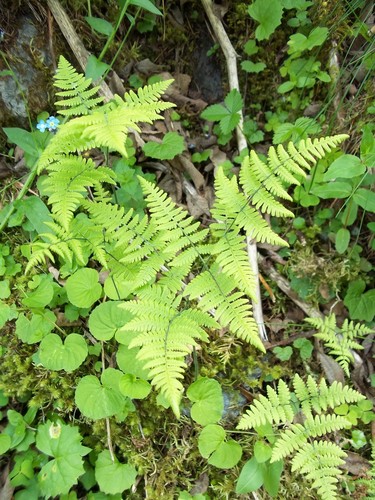
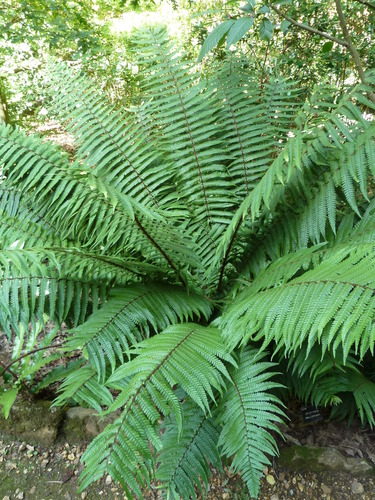
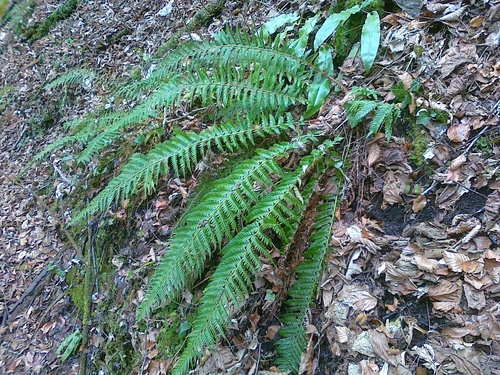
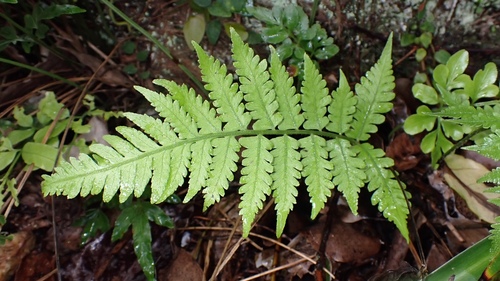
Villars' Wood Fern
dryopteris villarii
Also known as: ["Villars' Wood Fern","Villars' Dryopteris"]
Overview
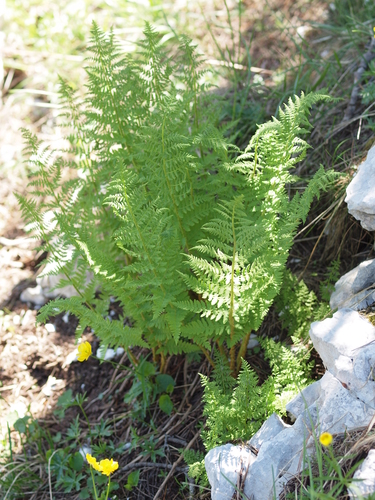
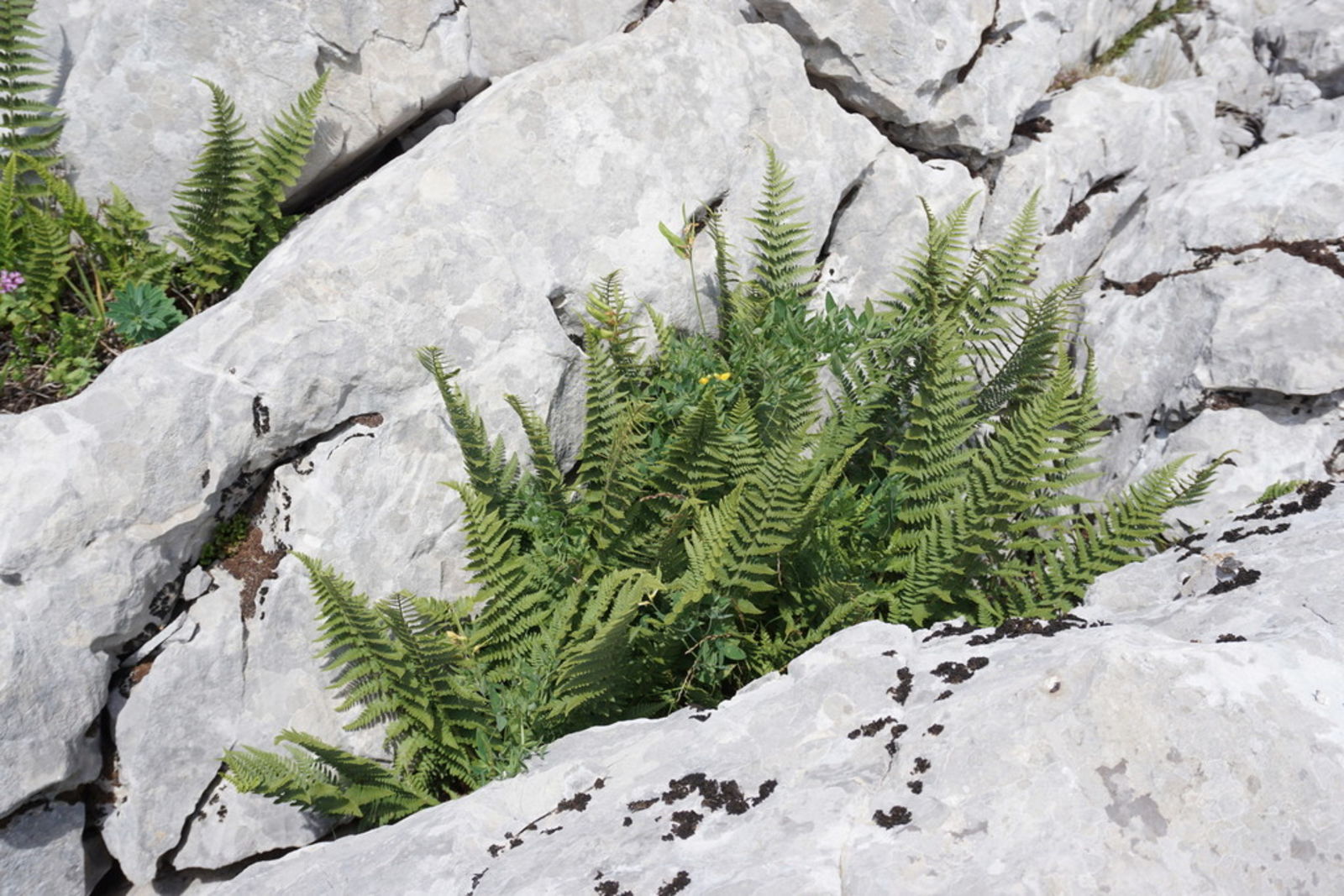
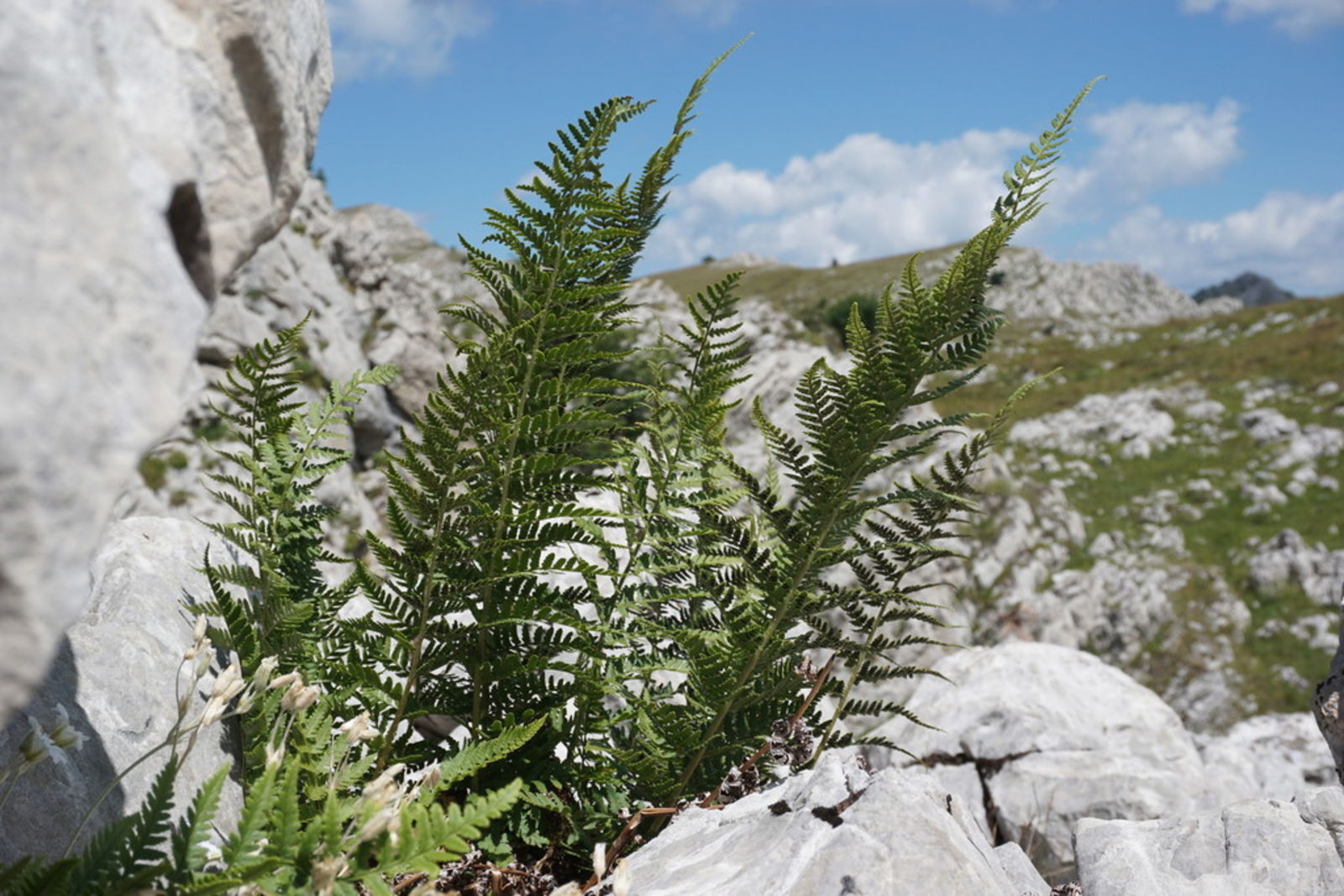
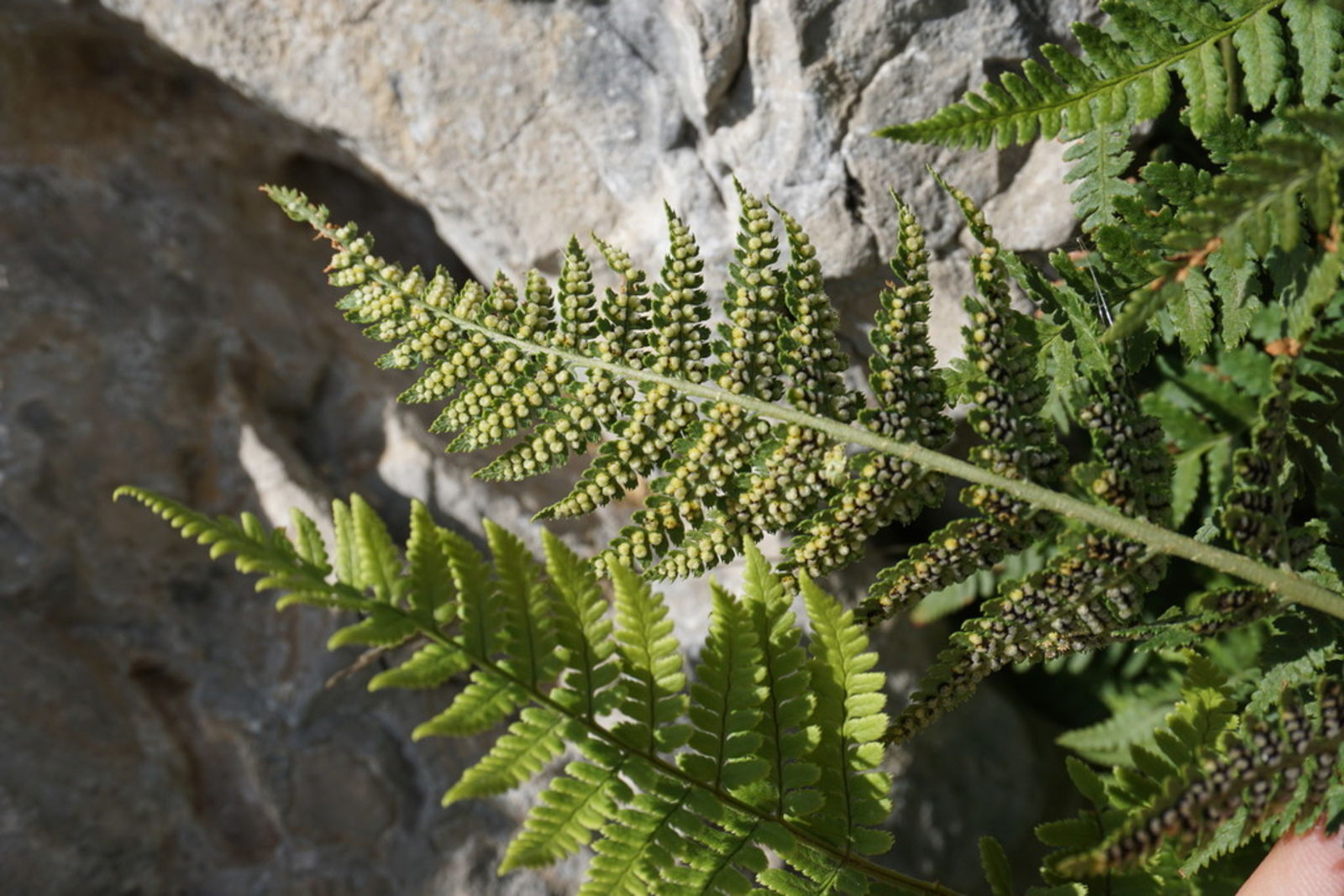
A deciduous or semi-evergreen fern with dark green, lance-shaped fronds, native to mountainous regions of Europe.
Benefits & Perks
["shade tolerant","wildlife attractant (bees, butterflies, birds)"]
Botanical Classification
| Phylum: | Tracheophyta |
| Class: | Polypodiopsida |
| Order: | Polypodiales |
| Family: | Dryopteridaceae |
| Genus: | Dryopteris |
| Botanical Name: | Dryopteris villarii |
Plant Characteristics
Basic Information
- Category: Leaf Plants
- Suitable Location: shaded garden bed or container in a cool, moist environment
- Suitable For:
- Is Weed: No
- Allergenicity: low
Environmental Needs
- Climate: {"temperatureRange":"5–25°C"}
- Hardiness: {"zones":"6–9"}
- Misting: every 2–3 days to maintain moderate humidity
- Drainage: Moderately well-draining; avoid heavy clay soils.
- Soil Type: Well-draining, rich, slightly acidic soil with organic matter like peat or compost.
Maintenance Level
- Maintenance Level: low
- Toughness Level: moderate
- Pruning Frequency: As needed throughout the year; more actively in late winter or early spring.
- Pruning Intensity: Light to moderate; remove only dead or yellowing fronds unless rejuvenation is needed.
Care Details
Ideal Sunlight Coverage:
Bright indirect light or partial shade; 4–6 hours of filtered sunlight daily.
Sunlight Tolerance Tips:
Acclimate gradually to brighter light; protect from direct sun to avoid scorching; adjust placement based on indoor/outdoor conditions.
Care Requirements
Care Difficulty
easymoderate
Sunlight
partial shade to full shade
Avoid direct afternoon sun; rotate plant for even growth; provide dappled light outdoors.
Watering
every 7–10 days, allowing soil to dry slightly between waterings
Maintain consistent moisture without waterlogging; water less in dormant periods.
Soil
well-draining, humus-rich, slightly acidic soil
pH: Acidic to slightly acidic (pH 5.5–6.5).
Ensure good drainage; maintain acidity; enrich with organic matter.
Temperature
Prefers cool to moderate temperatures (60–75°F or 15–24°C); tolerates cooler nights.
Avoid drafts; maintain stable temperatures; protect from extreme fluctuations.
Fertilizing
every 2 months during growing season (spring to summer)
Apply fertilizer after watering; flush soil occasionally to prevent salt buildup; stop feeding in fall.
Propagation
Methods
Spores or division of rhizomes.
Step-by-Step Propagation Guide
- Collect spores or divide rhizomes.
- Prepare medium.
- Plant spores or divisions.
- Maintain humidity.
- Transplant when rooted.
Best Time: Spring or early summer when the plant is actively growing.
Environment
High humidity (70–90%); warm temperatures (65–75°F or 18–24°C); indirect light.
Medium
Sphagnum moss or sterile seed-starting mix with perlite.
Hormone
Not required for spores; rooting hormone can aid rhizome division.
Timeline
Spores: 6–12 months to germinate and establish; division: immediate establishment.
Tools Needed
Spore print paper, sterile knife, pots, humidity dome, misting spray bottle.
Quick Tips
Label spore trays; keep medium consistently moist; avoid disturbing young plants.
Pruning & Repotting
Pruning Guide
Method
Cut fronds at the base; avoid cutting into healthy growth; clean cuts to prevent disease.
Pruning Plan
Remove dead or damaged fronds to improve appearance and health; encourage new growth.
Tools
Pruning shears, sterilizing solution, gloves.
Checklist
Identify dead/damaged fronds; sterilize tools; cut cleanly; dispose of removed fronds.
Repotting Guide
Best Season
Early spring before new growth begins.
Pot Size
One size larger pot; ensure it has drainage holes.
Method
Remove plant gently; trim roots if necessary; place in new pot with fresh soil; water thoroughly.
Suggestions
Repot every 2–3 years or when the plant becomes root-bound; refresh soil to maintain health.
Checklist
Check root health; prepare new pot; use fresh soil; water after repotting.
Advanced Care Tips
Watering Mastery
Watering Checklist
Check soil moisture; water deeply; ensure drainage; adjust for season.
How to Apply Water Properly
Water deeply at the root zone until it drains from the bottom; avoid wetting the foliage to prevent fungal issues.
Watering Schedule Tips
Water thoroughly when the top inch of soil is dry; reduce frequency in winter to prevent root rot.
Soil Improvement
Add perlite or sand for drainage; incorporate peat moss for acidity; use compost for fertility.
Temperature Stress Management
Signs of Temperature Issues
Yellowing or browning fronds; stunted growth; wilting in extreme heat or cold.
Cold Stress
Slows growth; may cause fronds to turn brown or black in prolonged cold.
Solution: Protect from frost; move indoors in freezing temperatures; ensure good air circulation.
Hot Stress
Wilting; scorched leaf edges; reduced vigor in excessive heat.
Solution: Provide shade; increase humidity; water more frequently but avoid waterlogging.
Fertilizing Guide
Fertilizing Checklist
Check season; dilute fertilizer; water before feeding; avoid contact with fronds.
Fertilizing Method
Use balanced liquid fertilizer diluted to half strength; feed monthly during growing season (spring to summer); avoid fertilizing in winter.
Common Problems & Solutions
Toxicity Warning
Cats
Slightly ToxicCats may experience mild gastrointestinal irritation if they ingest parts of Dryopteris villarii. The calcium oxalate crystals in the plant can cause mechanical irritation to the mouth and digestive tract.
⚠️ Symptoms:
🌿 Toxic Parts:
⚡ Toxic If:
if eaten
Dogs
Slightly ToxicIn dogs, ingestion of Dryopteris villarii can lead to mild gastrointestinal upset due to the presence of calcium oxalate crystals. The plant is not considered highly toxic but can cause discomfort if consumed in significant quantities.
⚠️ Symptoms:
🌿 Toxic Parts:
⚡ Toxic If:
if eaten
Humans
Slightly ToxicDryopteris villarii contains compounds that can cause mild gastrointestinal distress and skin irritation upon contact. The plant's toxicity is primarily due to its content of insoluble calcium oxalate crystals, which can cause mechanical irritation to the digestive tract.
⚠️ Symptoms:
🌿 Toxic Parts:
⚡ Toxic If:
if eaten
Frequently Asked Questions
Q: Is Dryopteris villarii toxic to pets?
A: No, it is non-toxic to dogs and cats.
Q: Does this fern require direct sunlight?
A: No, it thrives in partial shade to full shade.
Q: How often should I water Dryopteris villarii?
A: Water regularly to keep the soil consistently moist, but not waterlogged.
Quick Reference
| Family: | Dryopteridaceae |
| Care: | easy |
| Light: | partial shade to full shade |
| Water: | every 7–10 days, allowing so |
Get Expert Care Tips
Download the Plantious app for personalized care reminders and plant identification!
Google Play App Store