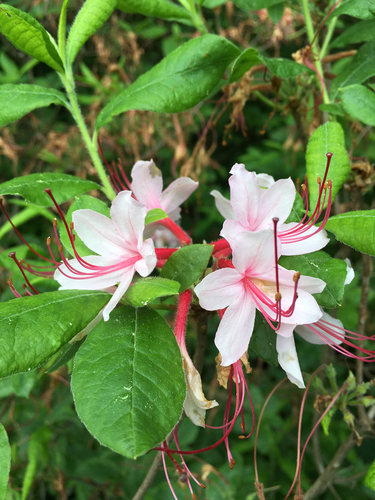
Fuzzy Azalea, Hoary Azalea, Orange Azalea
rhododendron calendulaceum
Also known as: ["Fuzzy Azalea","Hoary Azalea","Orange Azalea"]
Overview
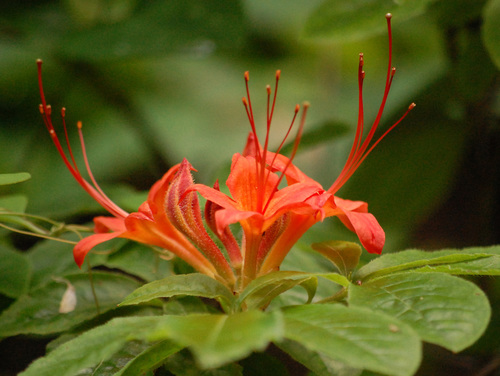
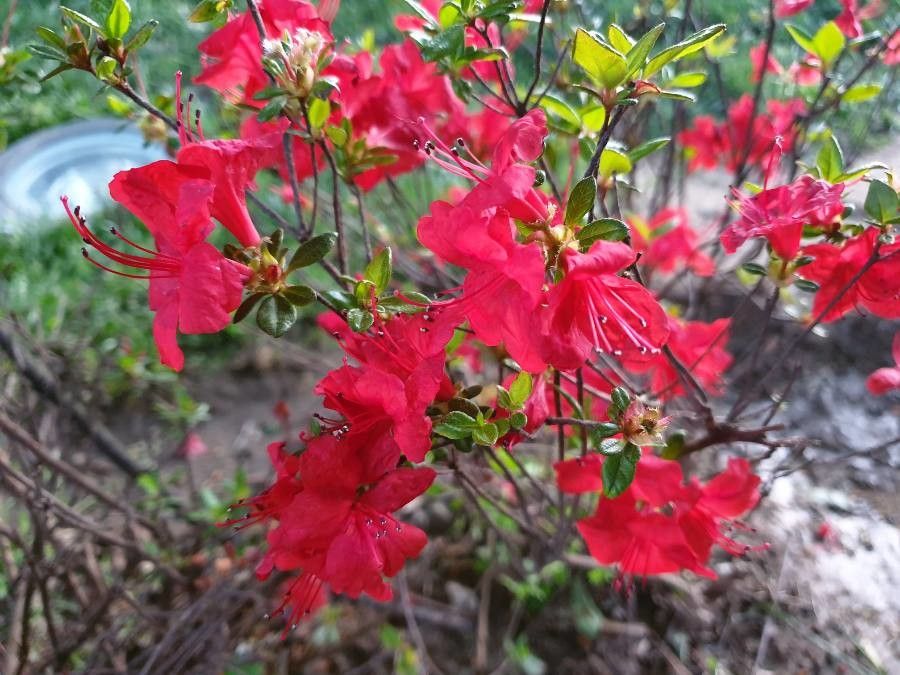
A deciduous azalea species native to eastern North America, known for its vibrant orange to reddish-orange flowers and fuzzy stems.
Benefits & Perks
["long-flowering","wildlife attractant (bees, butterflies, birds)","shade tolerant"]
Botanical Classification
| Phylum: | Magnoliophyta |
| Class: | Magnoliopsida |
| Order: | Ericales |
| Family: | Ericaceae |
| Genus: | Rhododendron |
| Botanical Name: | Rhododendron calendulaceum |
Plant Characteristics
Basic Information
- Category: Flowers
- Suitable Location: sheltered garden bed with dappled light, or container in a partially shaded area
- Suitable For:
- Is Weed: No
- Allergenicity: moderate
Environmental Needs
- Climate: {"temperatureRange":"–29 to 35°C"}
- Hardiness: {"zones":"4–9"}
- Misting: every 2–3 days during dry indoor conditions or once a week outdoors
- Drainage: Fast-draining but moisture-retentive; avoid waterlogged conditions.
- Soil Type: Acidic, well-draining, and rich in organic matter (e.g., peat moss, compost, pine bark).
Maintenance Level
- Maintenance Level: moderate
- Toughness Level: moderate
- Pruning Frequency: Annually after flowering; light pruning can be done in late winter if needed.
- Pruning Intensity: Moderate; remove up to one-third of old growth if rejuvenation is needed, otherwise light shaping.
Care Details
Ideal Sunlight Coverage:
Partial shade with dappled sunlight or bright indirect light for 4–6 hours daily. Adjust for stronger summer sun by providing more shade.
Sunlight Tolerance Tips:
Acclimate gradually to outdoor light; protect from harsh midday sun; place in a spot with morning sun and afternoon shade.
Care Requirements
Care Difficulty
moderatemoderate
Sunlight
partial shade, protected from harsh afternoon sun
Avoid direct afternoon sun; use shade cloth if needed; rotate plant for even light exposure.
Watering
every 7–10 days, allowing soil to dry slightly between waterings
Keep soil consistently moist but not waterlogged; water at the base to avoid wetting foliage; ensure good drainage to prevent root rot.
Soil
acidic, well-draining, peaty soil with high organic matter
pH: Acidic, ideally between 4.5 and 6.0.
Use acidic soil mix; ensure good drainage; mulch with pine needles or bark to maintain soil pH.
Temperature
Prefers cool to moderate temperatures, ideally 50–70°F (10–21°C). Tolerates cooler nights but avoids extreme heat.
Protect from late spring frosts; avoid placing near heat sources; maintain consistent temperatures for optimal growth.
Fertilizing
every 4–6 weeks during active growth (spring and summer) with a balanced, acid-loving plant fertilizer
Fertilize in spring and after blooming; avoid over-fertilizing; water well before and after application.
Propagation
Methods
Stem cuttings taken from semi-hardwood growth in late summer or early fall.
Step-by-Step Propagation Guide
- Take 4–6 inch cuttings.
- Remove lower leaves.
- Dip in rooting hormone.
- Plant in medium.
- Maintain humidity with a plastic cover.
Best Time: Late summer to early fall when new growth has matured but not yet hardened.
Environment
High humidity (70–90%), indirect light, and consistent warmth (65–75°F or 18–24°C).
Medium
Peat-based mix with perlite or sand for good drainage and moisture retention.
Hormone
Use rooting hormone containing auxins to improve rooting success.
Timeline
Roots may develop in 6–8 weeks; establish in new pots after 3–4 months.
Tools Needed
Pruning shears, rooting hormone, peat-based medium, plastic bags or propagator, misting spray bottle.
Quick Tips
Use healthy, disease-free cuttings; maintain consistent moisture; provide bottom heat if possible.
Pruning & Repotting
Pruning Guide
Method
Use clean cuts just above healthy buds; thin out crowded branches; avoid cutting into old wood where possible.
Pruning Plan
Prune to maintain shape, encourage bushier growth, and remove dead or diseased wood. Focus on post-bloom pruning to avoid cutting off next year’s buds.
Tools
Pruning shears, loppers, sterilizing solution (e.g., rubbing alcohol), gloves.
Checklist
Prune after flowering; sterilize tools; make clean cuts; remove dead/diseased wood; shape lightly.
Repotting Guide
Best Season
Early spring before new growth begins or late summer after flowering.
Pot Size
Increase pot size by 2–3 inches in diameter; avoid oversized pots.
Method
Gently remove the plant; trim any dead roots; place in a slightly larger pot with fresh, acidic soil mix; water thoroughly.
Suggestions
Repot every 2–3 years or when the plant becomes root-bound. Rhododendrons prefer slightly crowded roots but benefit from fresh soil.
Checklist
Choose appropriate pot size; use acidic soil mix; trim roots if necessary; water well after repotting.
Advanced Care Tips
Watering Mastery
Watering Checklist
Check soil moisture before watering; water deeply; avoid overhead watering; ensure drainage.
How to Apply Water Properly
Water thoroughly until it drains from the bottom, ensuring the root zone is saturated. Water early in the morning to minimize evaporation and fungal issues.
Watering Schedule Tips
Water deeply once a week during spring and summer, reducing frequency to every 2–3 weeks in fall and winter. Adjust based on rainfall and soil moisture.
Soil Improvement
Add peat moss, pine bark, or compost to enhance acidity and drainage; ensure good aeration by avoiding compacted soil.
Temperature Stress Management
Signs of Temperature Issues
Leaf scorch (brown edges) in excessive heat; wilting or leaf drop in cold stress; delayed blooming in unsuitable temperatures.
Cold Stress
Low temperatures can cause leaf damage, slow growth, and reduce flowering. Frost can damage buds and young shoots.
Solution: Mulch heavily around the base; protect with burlap screens in severe cold; avoid planting in frost pockets.
Hot Stress
Excessive heat leads to wilting, leaf scorch, and reduced vigor. High temperatures can stress the plant and affect blooming.
Solution: Provide shade during peak heat; increase watering; use mulch to retain soil moisture; ensure good air circulation.
Fertilizing Guide
Fertilizing Checklist
Use acid-loving fertilizer; apply in spring and post-bloom; dilute properly; water before and after.
Fertilizing Method
Use a balanced, acid-loving fertilizer (e.g., rhododendron or azalea formula) in early spring before new growth. Apply again after flowering. Dilute to half-strength and water thoroughly before fertilizing.
Common Problems & Solutions
Toxicity Warning
Cats
ToxicCats are highly sensitive to grayanotoxins found in Rhododendron calendulaceum. Ingestion can lead to severe gastrointestinal upset, cardiovascular compromise, and neurological signs due to the disruption of sodium channels in cells.
⚠️ Symptoms:
🌿 Toxic Parts:
⚡ Toxic If:
if eaten
Dogs
ToxicGrayanotoxins in Rhododendron calendulaceum affect the cardiac and nervous systems of dogs, causing severe gastrointestinal and cardiovascular disturbances. The toxins interfere with normal cellular function, leading to systemic effects.
⚠️ Symptoms:
🌿 Toxic Parts:
⚡ Toxic If:
if eaten
Humans
ToxicRhododendron calendulaceum contains grayanotoxins, which disrupt sodium channels in cell membranes, leading to cardiovascular and neurological effects. Ingestion can cause significant physiological distress, including hypotension, bradycardia, and altered mental status.
⚠️ Symptoms:
🌿 Toxic Parts:
⚡ Toxic If:
if eaten
Frequently Asked Questions
Q: Is Rhododendron calendulaceum toxic to pets?
A: Yes, it is toxic to dogs and cats.
Q: What are the ideal growing conditions for this plant?
A: It thrives in partial shade with acidic, well-drained soil and moderate moisture.
Q: Does this plant attract wildlife?
A: Yes, it attracts bees, butterflies, and birds with its nectar-rich flowers.
Quick Reference
| Family: | Ericaceae |
| Care: | moderate |
| Light: | partial shade, protected from |
| Water: | every 7–10 days, allowing so |
Get Expert Care Tips
Download the Plantious app for personalized care reminders and plant identification!
Google Play App Store