Michigan Lily
lilium michiganense
Also known as: ["Tawny Lily","Michigan Red Lily"]
Overview
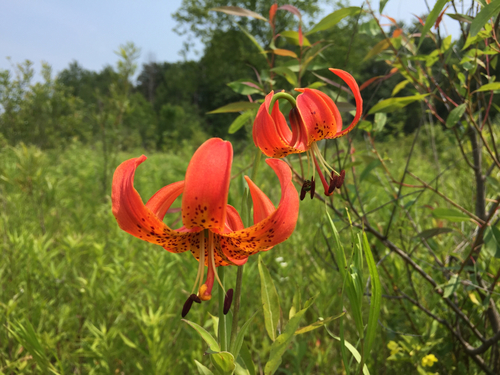
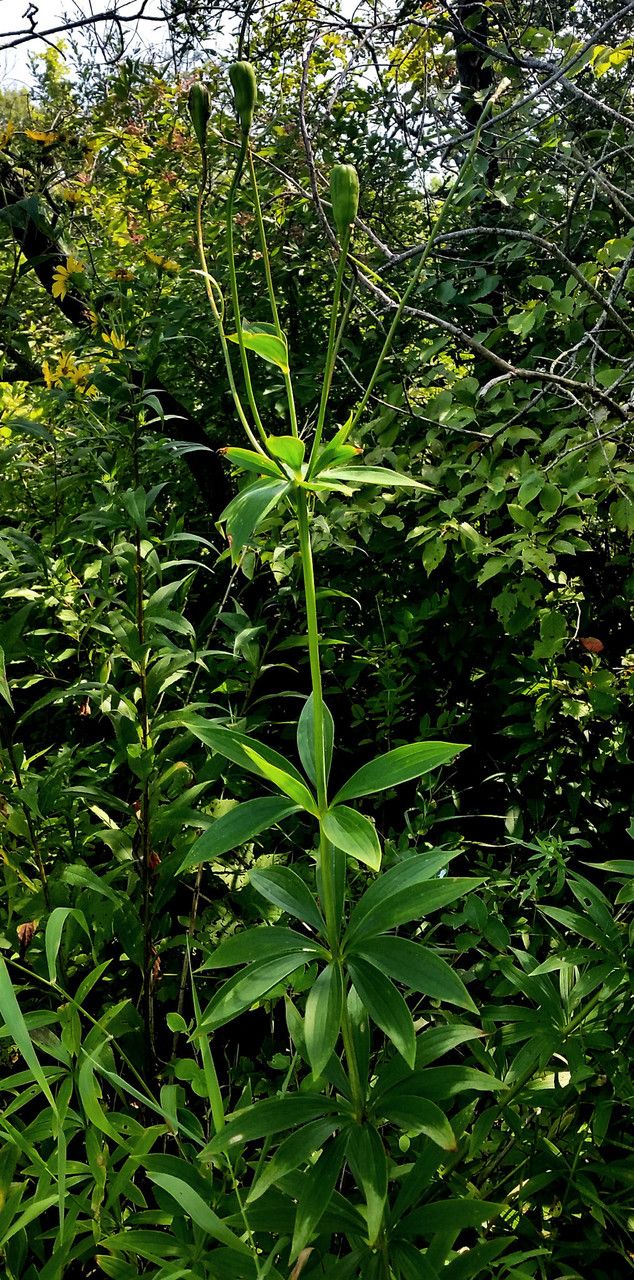
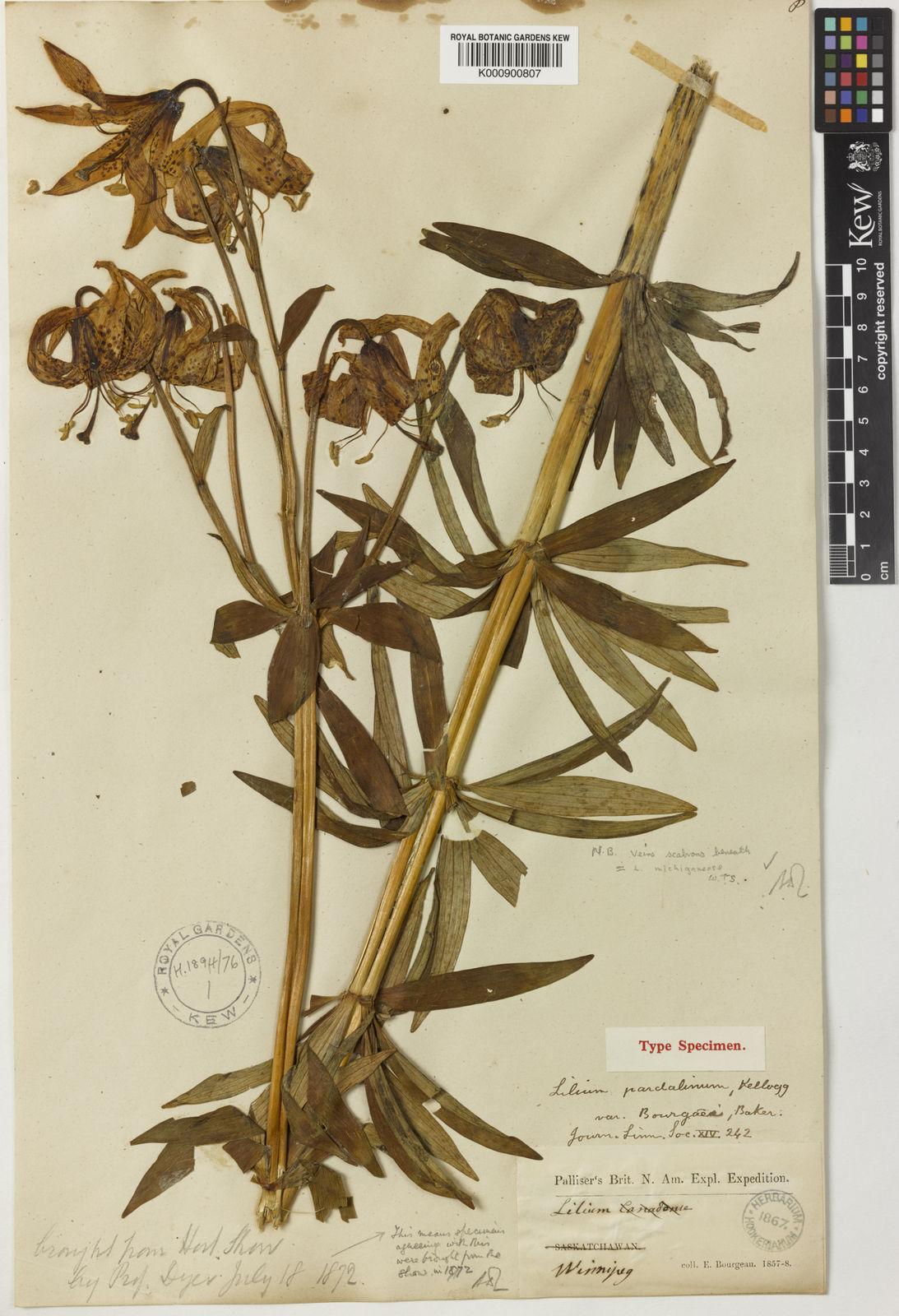
A tall, showy lily species native to North America, known for its bright orange flowers with distinctive dark spots.
Benefits & Perks
["long-flowering","wildlife attractant (bees, butterflies, birds)","aesthetic foliage"]
Botanical Classification
| Phylum: | Magnoliophyta |
| Class: | Liliopsida |
| Order: | Liliales |
| Family: | Liliaceae |
| Genus: | Lilium |
| Botanical Name: | Lilium michiganense |
Plant Characteristics
Basic Information
- Category: Flowers
- Suitable Location: garden bed with good air circulation, protected from strong winds
- Suitable For:
- Is Weed: No
- Allergenicity: low
Environmental Needs
- Climate: {"temperatureRange":"5–30°C"}
- Hardiness: {"zones":"4–8"}
- Misting: rarely required, only if ambient humidity is very low
- Drainage: Fast-draining to prevent bulb rot.
- Soil Type: Rich, well-draining loam with organic matter.
Maintenance Level
- Maintenance Level: moderate
- Toughness Level: moderate
- Pruning Frequency: After flowering; annually in late fall if foliage is damaged.
- Pruning Intensity: Light (removing spent flowers) to moderate (trimming damaged foliage).
Care Details
Ideal Sunlight Coverage:
Full sun to partial shade (4–6 hours of direct sunlight daily); tolerates light shade in hotter climates.
Sunlight Tolerance Tips:
Acclimate gradually to direct sun to prevent scorching; provide afternoon shade in hot regions; ensure good air circulation if grown indoors.
Care Requirements
Care Difficulty
moderatemoderate
Sunlight
full sun to partial shade
Morning sun is ideal; rotate pot for even growth; avoid harsh midday sun.
Watering
every 7–10 days during active growth, reduce in winter
Water at the base to avoid foliage, ensure soil is moist but not waterlogged, and allow top inch to dry between waterings.
Soil
well-drained, loamy soil with added organic matter
pH: Slightly acidic to neutral (pH 6.0–7.0).
Use bulb-specific mix, avoid heavy clay, ensure good aeration.
Temperature
Prefers cool to moderate temperatures (60–75°F or 15–24°C); tolerates cooler nights during dormancy.
Protect from frost, avoid sudden temperature swings, maintain consistent cool nights.
Fertilizing
every 4–6 weeks during growing season with balanced liquid fertilizer
Apply fertilizer after watering to prevent root burn; stop feeding in late summer to prepare for dormancy; use a low-nitrogen formula for bulbs.
Propagation
Methods
Division of bulbs or seed propagation.
Step-by-Step Propagation Guide
- Divide bulbs carefully, replant at proper depth.
- Sow seeds thinly, cover lightly, and keep moist.
Best Time: Divide bulbs in late summer after flowering; sow seeds in fall for cold stratification.
Environment
Cool temperatures (50–60°F or 10–15°C) with high humidity for seeds; well-drained soil for bulbs.
Medium
Well-draining bulb mix or seed starting mix with perlite.
Hormone
Not required for bulb division; optional for seeds to encourage germination.
Timeline
Bulbs establish in 1–2 seasons; seeds may take 2–3 years to flower.
Tools Needed
Garden trowel, sharp knife, seed trays, watering can.
Quick Tips
Divide only mature bulbs, label seed trays, maintain consistent moisture for seeds.
Pruning & Repotting
Pruning Guide
Method
Cut flower stalks at the base; trim foliage only when fully yellowed or damaged.
Pruning Plan
Remove spent flower stalks to encourage bulb energy storage; cut back foliage only after it has yellowed and died naturally.
Tools
Sharp bypass pruners, scissors.
Checklist
Wait for foliage to yellow, cut cleanly, sanitize tools, dispose of debris.
Repotting Guide
Best Season
Late summer or early fall after flowering.
Pot Size
Increase pot size by 2–3 inches in diameter if repotting.
Method
Gently lift bulbs, remove old soil, inspect for damage, replant at twice their height in fresh mix.
Suggestions
Repot only when bulbs become crowded or every 3–4 years to refresh soil.
Checklist
Check bulb health, use fresh soil, ensure proper depth, water lightly after repotting.
Advanced Care Tips
Watering Mastery
Watering Checklist
Check soil moisture, water deeply, ensure drainage, avoid foliage wetting, adjust for weather.
How to Apply Water Properly
Water directly at the root zone until the soil is evenly moist, ensuring water penetrates deeply to encourage root growth; avoid wetting the leaves to prevent fungal diseases.
Watering Schedule Tips
Water deeply once a week during active growth, increasing to twice weekly in hot, dry periods; reduce watering in dormancy.
Soil Improvement
Add perlite or sand for drainage; incorporate compost for fertility; ensure soil is loose and airy.
Temperature Stress Management
Signs of Temperature Issues
Wilting, yellowing leaves, stunted growth, or bud drop in extreme heat or cold.
Cold Stress
Low temperatures can slow growth or cause root damage, especially if soil is waterlogged.
Solution: Provide winter protection with mulch; ensure well-draining soil; move potted plants to a sheltered location if temperatures drop below 20°F (-7°C).
Hot Stress
Excessive heat can lead to leaf scorch, reduced flowering, and dehydration.
Solution: Provide shade during peak heat, increase watering frequency, and use mulch to retain soil moisture.
Fertilizing Guide
Fertilizing Checklist
Check growth stage, dilute fertilizer, water before feeding, avoid foliage contact, stop in dormancy.
Fertilizing Method
Use a balanced, water-soluble fertilizer diluted to half strength every 4–6 weeks during active growth; avoid fertilizing in dormancy.
Common Problems & Solutions
Toxicity Warning
Cats
Highly ToxicLilium michiganense is extremely toxic to cats, even in small quantities. The plant contains compounds that cause severe kidney damage, leading to acute renal failure. This toxicity is particularly acute in cats, making even minimal exposure dangerous.
⚠️ Symptoms:
🌿 Toxic Parts:
⚡ Toxic If:
if eaten
Dogs
ToxicLilium michiganense is highly toxic to dogs, particularly affecting the kidneys. Ingestion can lead to acute kidney failure, which can be fatal if not treated promptly. The exact toxic compounds responsible for this effect are not fully understood but are known to be potent nephrotoxins.
⚠️ Symptoms:
🌿 Toxic Parts:
⚡ Toxic If:
if eaten
Humans
ToxicLilium michiganense contains toxic compounds that can cause severe gastrointestinal distress and other systemic effects upon ingestion. The plant's toxicity is due to the presence of certain alkaloids and other bioactive compounds that disrupt normal physiological processes.
⚠️ Symptoms:
🌿 Toxic Parts:
⚡ Toxic If:
if eaten
Frequently Asked Questions
Q: Is the Michigan Lily toxic to pets?
A: Yes, it is toxic to dogs and cats if ingested.
Q: How tall does the Michigan Lily grow?
A: It typically grows to 3–5 feet tall.
Q: Does the Michigan Lily attract wildlife?
A: Yes, it attracts bees, butterflies, and birds.
Quick Reference
| Family: | Liliaceae |
| Care: | moderate |
| Light: | full sun to partial shade |
| Water: | every 7–10 days during activ |
Get Expert Care Tips
Download the Plantious app for personalized care reminders and plant identification!
Google Play App Store