Swamp Pink
helonias bullata
Also known as: ["Swamp Lily","Staggerbush"]
Overview
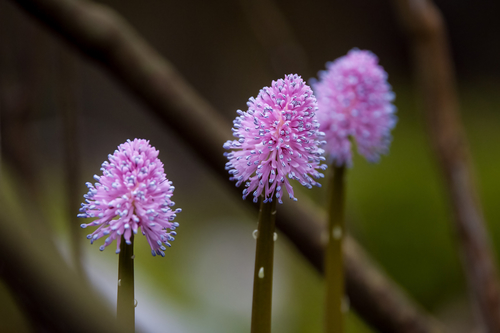
A rare, evergreen perennial herb native to the eastern United States, known for its rosette of stiff, leathery leaves and clusters of small, white, bell-shaped flowers.
Benefits & Perks
["wildlife attractant (bees, butterflies, birds)","rare/collector’s item"]
Botanical Classification
| Phylum: | Magnoliophyta |
| Class: | Liliopsida |
| Order: | Liliales |
| Family: | Melanthiaceae |
| Genus: | Helonias |
| Botanical Name: | Helonias bullata |
Plant Characteristics
Basic Information
- Category: Flowers
- Suitable Location: shaded woodland garden or boggy area with consistent moisture
- Suitable For:
- Is Weed: No
- Allergenicity: low
Environmental Needs
- Climate: {"temperatureRange":"10–30°C"}
- Hardiness: {"zones":"6–9"}
- Misting: rarely required, only if ambient humidity is very low
- Drainage: Moderately well-draining; avoid waterlogged conditions.
- Soil Type: Moist, well-draining, acidic soil with high organic matter.
Maintenance Level
- Maintenance Level: moderate
- Toughness Level: moderate
- Pruning Frequency: Annually in early spring or after flowering.
- Pruning Intensity: Light to moderate; remove no more than one-third of the plant at a time.
Care Details
Ideal Sunlight Coverage:
Partial shade to full shade; 4–6 hours of filtered or dappled light per day.
Sunlight Tolerance Tips:
Acclimate slowly to brighter conditions; protect from direct sun; ideal for shaded garden beds or north-facing indoor spots.
Care Requirements
Care Difficulty
moderatemoderate
Sunlight
partial shade to full shade
Avoid direct sunlight; provide dappled light; monitor for leaf scorch.
Watering
every 7–10 days during active growth, reduce in winter
Maintain consistent moisture without saturation; water early in the day to allow foliage to dry.
Soil
moist, acidic, peaty, well-drained soil
pH: Acidic, pH 4.5–6.0.
Keep soil consistently moist; ensure good drainage; maintain acidic pH.
Temperature
Cool to moderate temperatures, 50–70°F (10–21°C); prefers cooler nights.
Protect from frost; avoid heat sources; maintain stable temperatures.
Fertilizing
every 4–6 weeks during spring and summer with diluted balanced fertilizer
Fertilize lightly; avoid over-fertilization; flush soil occasionally to prevent salt buildup.
Propagation
Methods
Division or stem cuttings with roots attached.
Step-by-Step Propagation Guide
- Divide clumps carefully.
- Prepare cuttings with nodes.
- Plant in medium.
- Maintain moisture and humidity.
Best Time: Early spring or late summer when the plant is actively growing.
Environment
High humidity, indirect light, and consistent temperatures around 65–70°F (18–21°C).
Medium
Peat-based mix with perlite for drainage.
Hormone
Optional, but rooting hormone can improve success rates.
Timeline
4–6 weeks for roots to develop; additional months for establishment.
Tools Needed
Pruning shears, rooting hormone, peat-based mix, plastic bags or propagation dome.
Quick Tips
Use clean tools; maintain humidity; avoid direct sun during rooting.
Pruning & Repotting
Pruning Guide
Method
Selective removal of weak or dead stems; shape as needed.
Pruning Plan
Remove dead or damaged stems to improve air circulation and aesthetics.
Tools
Pruning shears, sterilized knife.
Checklist
Sterilize tools; prune dead/damaged growth; avoid over-pruning.
Repotting Guide
Best Season
Early spring before new growth begins.
Pot Size
Increase pot size by 1–2 inches in diameter.
Method
Use fresh, well-draining soil; gently tease out tangled roots; ensure proper drainage.
Suggestions
Repot every 2–3 years or when roots outgrow the container; beneficial for rejuvenation.
Checklist
Prepare new pot; trim roots if needed; use fresh soil; water lightly after repotting.
Advanced Care Tips
Watering Mastery
Watering Checklist
Check soil moisture; water deeply; ensure drainage; adjust for season.
How to Apply Water Properly
Water at the base, ensuring even saturation of the root zone; allow excess to drain freely; avoid wetting leaves.
Watering Schedule Tips
Water deeply once the top inch of soil feels dry; reduce frequency in winter to prevent root rot.
Soil Improvement
Add peat moss, compost, or leaf mold to enhance acidity and drainage.
Temperature Stress Management
Signs of Temperature Issues
Wilting, leaf drop, or browning edges in excessive heat; stunted growth or chlorosis in cold stress.
Cold Stress
Slows metabolic processes; may cause leaf discoloration or dieback in prolonged cold.
Solution: Provide winter protection; avoid sudden temperature drops; maintain consistent soil moisture.
Hot Stress
Leaves may scorch, wilt, or drop; growth may cease in excessive heat.
Solution: Increase humidity; provide shade; water more frequently but avoid waterlogging.
Fertilizing Guide
Fertilizing Checklist
Use diluted fertilizer; apply during active growth; cease in dormancy.
Fertilizing Method
Use a balanced, water-soluble fertilizer diluted to half strength; apply monthly during growing season (spring–summer); avoid fertilizing in winter.
Common Problems & Solutions
Toxicity Warning
Cats
Slightly ToxicCats may experience mild gastrointestinal upset if they ingest Helonias bullata. The roots and stems are the most toxic parts, but the effects are generally not severe.
⚠️ Symptoms:
🌿 Toxic Parts:
⚡ Toxic If:
if eaten
Dogs
Slightly ToxicIn dogs, ingestion of Helonias bullata can lead to mild gastrointestinal upset. The plant's roots and stems contain compounds that may cause discomfort but are not typically life-threatening.
⚠️ Symptoms:
🌿 Toxic Parts:
⚡ Toxic If:
if eaten
Humans
Slightly ToxicHelonias bullata contains compounds that can cause mild gastrointestinal distress and allergic reactions in humans. The plant's roots and stems are the primary toxic parts, though the toxicity is generally low.
⚠️ Symptoms:
🌿 Toxic Parts:
⚡ Toxic If:
if eaten
Frequently Asked Questions
Q: Is Helonias bullata endangered?
A: Yes, it is listed as endangered in several states and is federally listed as threatened in the United States.
Q: What kind of soil does Swamp Pink prefer?
A: It thrives in acidic, moist, well-drained soils, typically in swampy or boggy habitats.
Q: Does Helonias bullata require full sun?
A: It prefers partial shade to full shade, making it suitable for woodland gardens.
Quick Reference

| Family: | Melanthiaceae |
| Care: | moderate |
| Light: | partial shade to full shade |
| Water: | every 7–10 days during activ |
Get Expert Care Tips
Download the Plantious app for personalized care reminders and plant identification!
Google Play App Store