Alpine Squawroot
conopholis alpina
Also known as: ["Bear Corn","Oak Root Borer"]
Overview
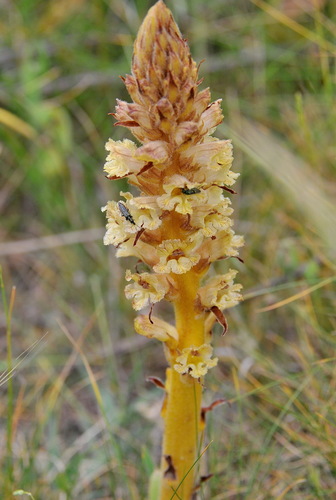
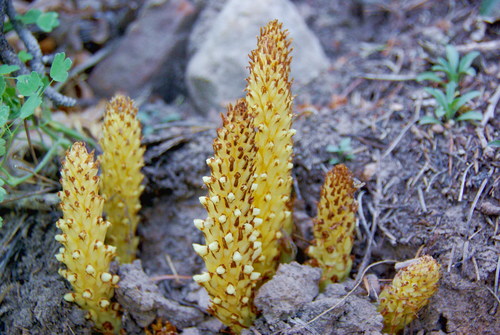
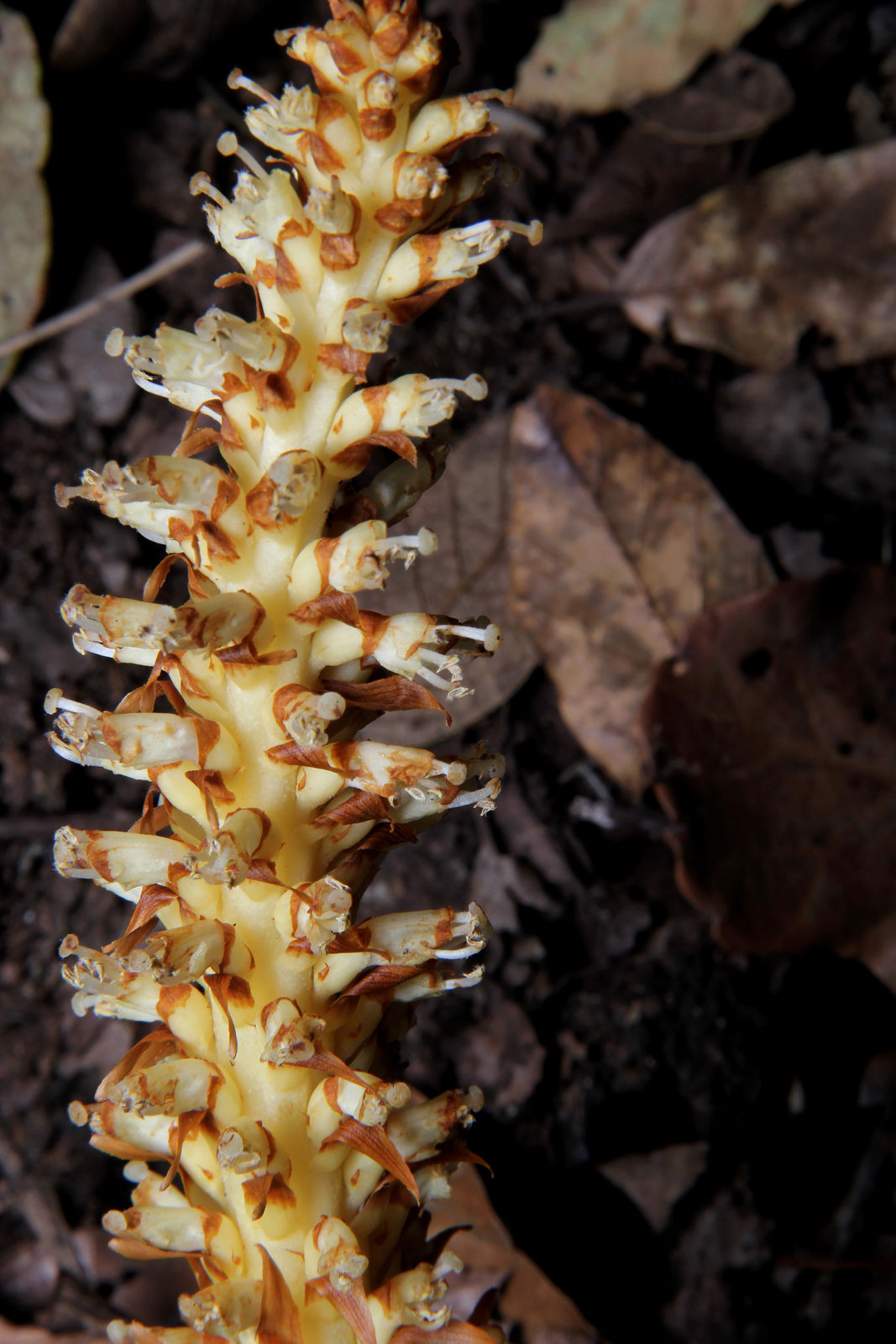
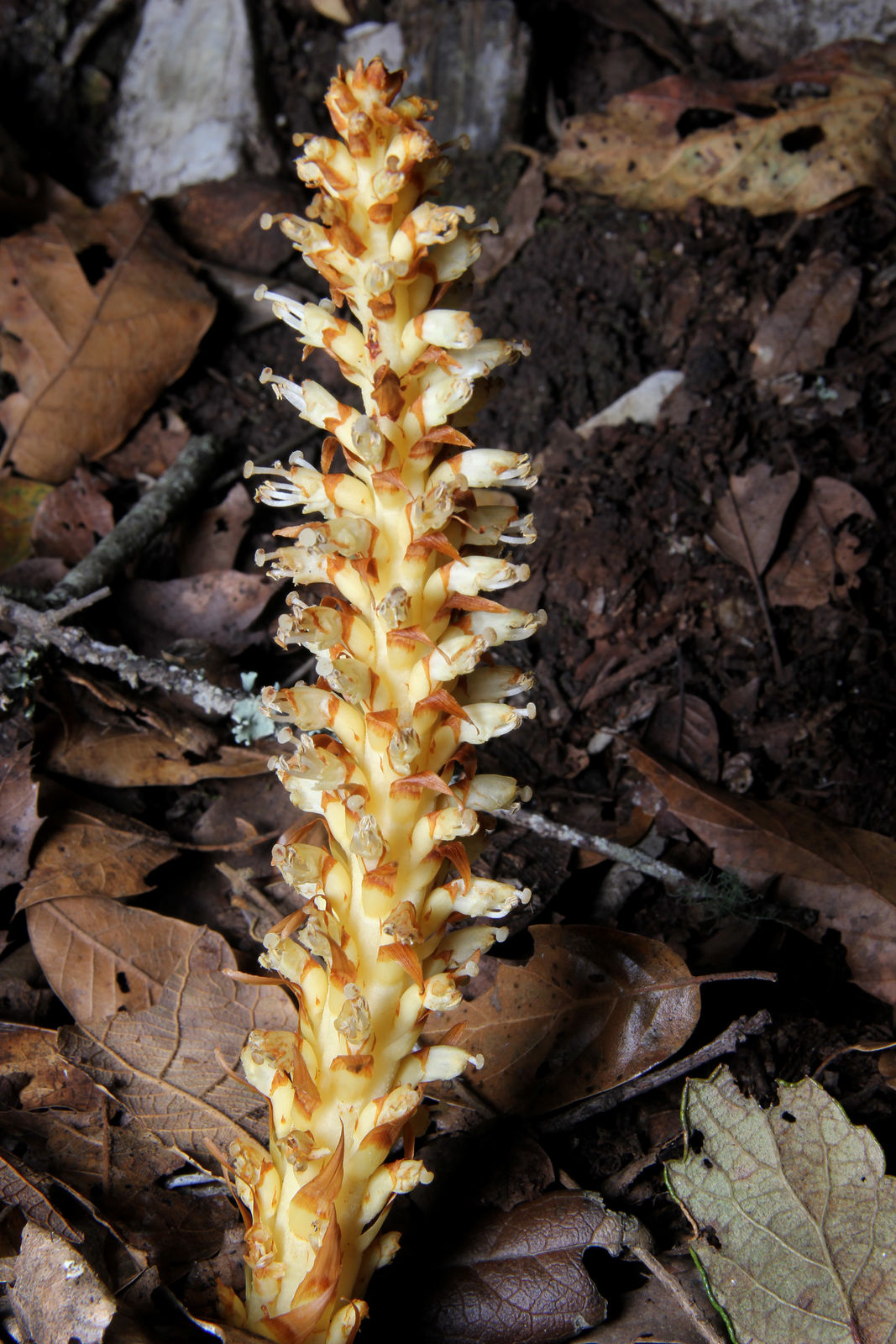
A parasitic herbaceous plant with a unique cone-shaped, brownish-yellow flowering structure, typically found in forested areas.
Benefits & Perks
["rare/collector’s item","wildlife attractant (bees, butterflies, birds)"]
Botanical Classification
| Phylum: | Magnoliophyta |
| Class: | Magnoliopsida |
| Order: | Lamiales |
| Family: | Orobanchaceae |
| Genus: | Conopholis |
| Botanical Name: | Conopholis alpina |
Plant Characteristics
Basic Information
- Category: Herbs & Weeds
- Suitable Location: forest floor or shaded garden bed
- Suitable For:
- Is Weed: No
- Allergenicity: low
Environmental Needs
- Climate: {"temperatureRange":"0–30°C"}
- Hardiness: {"zones":"4–8"}
- Misting: not required
- Drainage: Well-draining to fast-draining.
- Soil Type: Rich, well-draining, acidic soil with organic matter; mimics forest floor conditions.
Maintenance Level
- Maintenance Level: very low
- Toughness Level: very low
- Pruning Frequency: As needed, typically annually or after flowering.
- Pruning Intensity: Light pruning; remove only dead or diseased parts.
Care Details
Ideal Sunlight Coverage:
Partial shade to full shade; avoid direct sunlight; 4–6 hours of indirect light per day.
Sunlight Tolerance Tips:
Acclimate slowly to brighter light if needed; protect from harsh afternoon sun; ideal for shaded garden spots or north-facing windows.
Care Requirements
Care Difficulty
expert onlymoderate
Sunlight
partial shade to full shade
Avoid direct sun; provide dappled light; monitor for leaf scorch.
Watering
rarely required, only when soil is completely dry
Water deeply but infrequently; avoid waterlogged soil; ensure good drainage.
Soil
well-drained, humus-rich soil
pH: Acidic, pH 5.0–6.5.
Ensure good drainage; maintain acidity; enrich with organic matter.
Temperature
Cool temperatures preferred; ideal range 50–65°F (10–18°C); tolerates cooler conditions but not frost.
Keep cool; protect from frost; avoid sudden temperature swings.
Fertilizing
not required
Use weak fertilizer; fertilize only in growing season; avoid over-fertilization.
Propagation
Methods
Seed propagation is the primary method; division of rhizomes can also be attempted.
Step-by-Step Propagation Guide
- Collect seeds or divide rhizomes.
- Prepare medium.
- Plant seeds or rhizomes.
- Maintain moisture and warmth.
- Transplant when established.
Best Time: Spring or early summer when the plant is actively growing.
Environment
Warm, humid conditions with indirect light; maintain consistent moisture.
Medium
Well-draining seed starting mix or sandy loam.
Hormone
Not typically required for seeds; rooting hormone may aid rhizome division.
Timeline
Seeds may take several weeks to months to germinate; rhizome division can establish in 1–2 months.
Tools Needed
Pruning shears, seed trays, rooting hormone (optional), misting spray bottle.
Quick Tips
Sow seeds shallowly; keep consistently moist; protect from extreme temperatures.
Pruning & Repotting
Pruning Guide
Method
Snip off dead or damaged stems at the base; avoid cutting into healthy growth.
Pruning Plan
Minimal pruning required; focus on removing dead or damaged growth to maintain health.
Tools
Pruning shears, sterilized scissors.
Checklist
Inspect for dead/damaged growth; sterilize tools; prune carefully; dispose of clippings.
Repotting Guide
Best Season
Early spring before new growth begins.
Pot Size
Use a pot one size larger if repotting; avoid excessive space.
Method
Gently remove plant; trim any dead roots; repot in fresh, well-draining soil; ensure good drainage.
Suggestions
Repot only when necessary, as the plant prefers being slightly root-bound; every 2–3 years if growth slows.
Checklist
Check root bound status; prepare new pot; trim roots if needed; use fresh soil; water lightly after repotting.
Advanced Care Tips
Watering Mastery
Watering Checklist
Check soil moisture; water deeply; ensure drainage; adjust for season.
How to Apply Water Properly
Water at the root zone, ensuring even moisture without saturating; allow excess to drain freely; water in the morning to reduce evaporation.
Watering Schedule Tips
Water sparingly, allowing soil to dry completely between waterings; reduce frequency in winter dormancy.
Soil Improvement
Add peat moss, compost, or leaf mold to enhance acidity and drainage.
Temperature Stress Management
Signs of Temperature Issues
Wilting, leaf drop, or cessation of growth in extreme heat or cold.
Cold Stress
Stunted growth, leaf discoloration, or dieback in prolonged cold below 40°F (4°C).
Solution: Provide winter protection; avoid exposure to freezing temperatures; ensure good air circulation.
Hot Stress
Leaf scorch, wilting, or reduced vigor in temperatures above 75°F (24°C).
Solution: Provide shade during peak heat; increase humidity; water more frequently but carefully.
Fertilizing Guide
Fertilizing Checklist
Check season; dilute fertilizer; apply sparingly; monitor plant response.
Fertilizing Method
Minimal fertilization needed; use a balanced, diluted liquid fertilizer sparingly in spring; avoid feeding in winter.
Common Problems & Solutions
Toxicity Warning
Cats
ToxicConopholis alpina is toxic to cats, causing significant gastrointestinal distress and potential systemic effects. The toxic compounds in the plant can lead to severe health complications in felines.
⚠️ Symptoms:
🌿 Toxic Parts:
⚡ Toxic If:
if eaten
Dogs
ToxicConopholis alpina is toxic to dogs, with ingestion leading to gastrointestinal and systemic toxicity. The plant contains compounds that can disrupt normal bodily functions in canines.
⚠️ Symptoms:
🌿 Toxic Parts:
⚡ Toxic If:
if eaten
Humans
ToxicConopholis alpina is toxic to humans due to the presence of toxic compounds that can cause severe physiological effects upon ingestion. These compounds interfere with normal metabolic processes, leading to significant health issues.
⚠️ Symptoms:
🌿 Toxic Parts:
⚡ Toxic If:
if eaten
Frequently Asked Questions
Q: Is Conopholis alpina edible?
A: No, it is not recommended for consumption due to its parasitic nature and unknown toxicity.
Q: How does Conopholis alpina grow?
A: It is a parasitic plant that relies on the roots of host trees, particularly oaks, for nutrients.
Q: Where can I find Conopholis alpina?
A: It is typically found in forested areas, especially in regions with oak trees.
Quick Reference


| Family: | Orobanchaceae |
| Care: | expert only |
| Light: | partial shade to full shade |
| Water: | rarely required, only when soi |
Get Expert Care Tips
Download the Plantious app for personalized care reminders and plant identification!
Google Play App Store