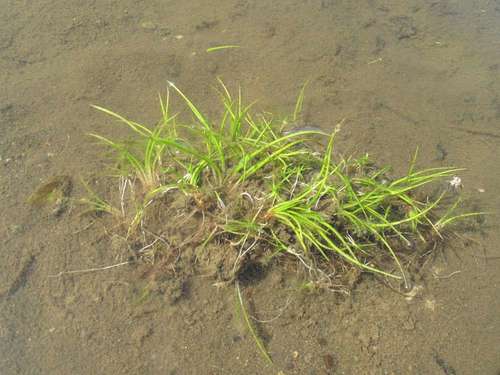
Lake Quillwort
isoetes lacustris
Also known as: ["Quillwort"]
Overview
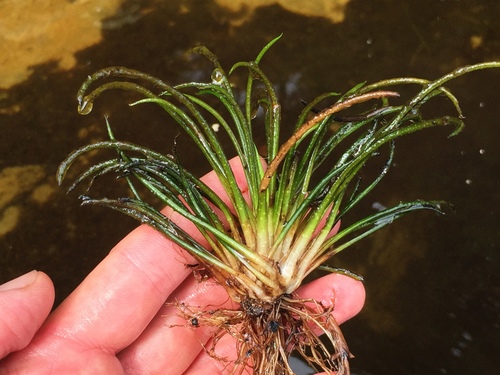
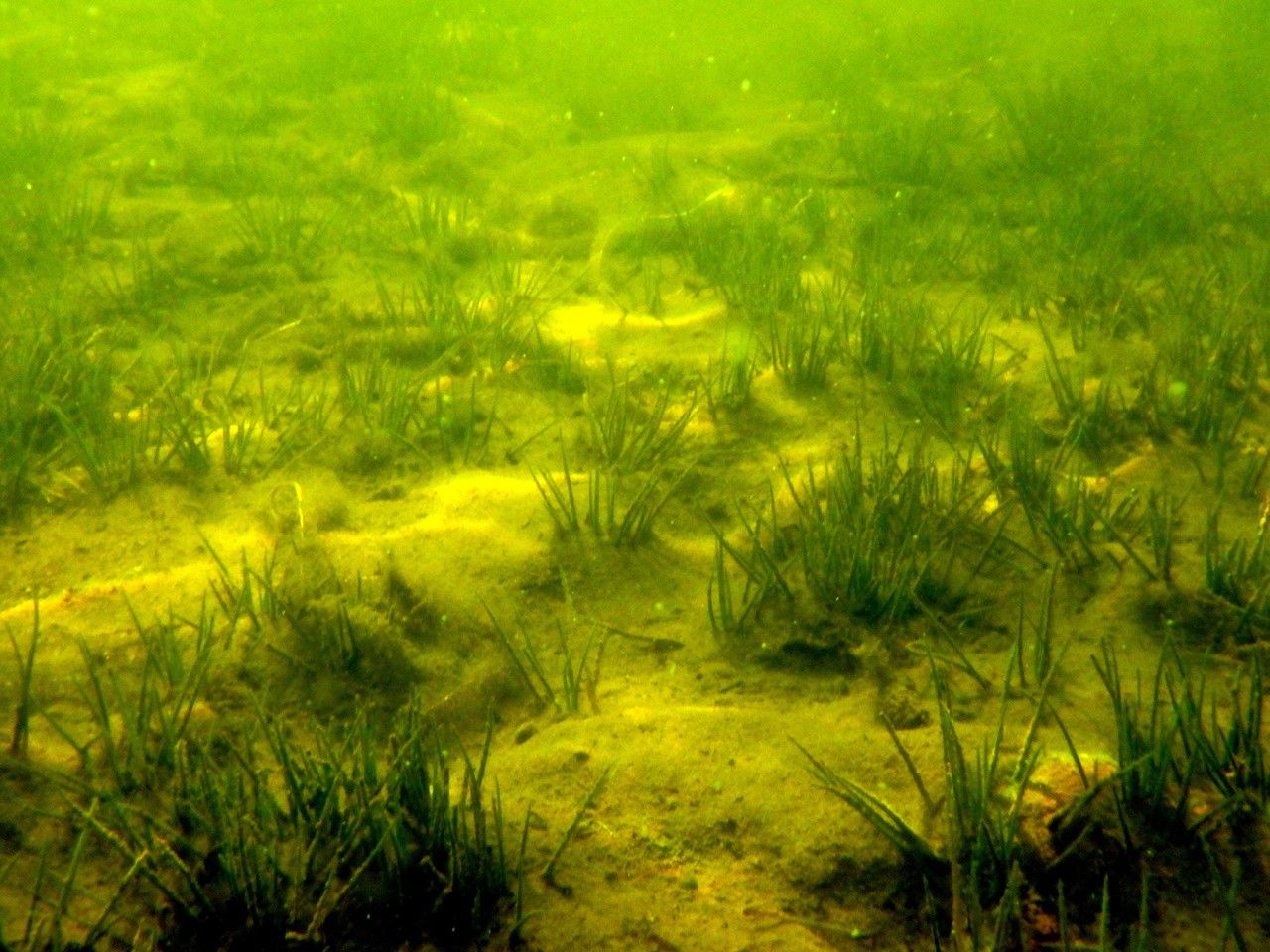
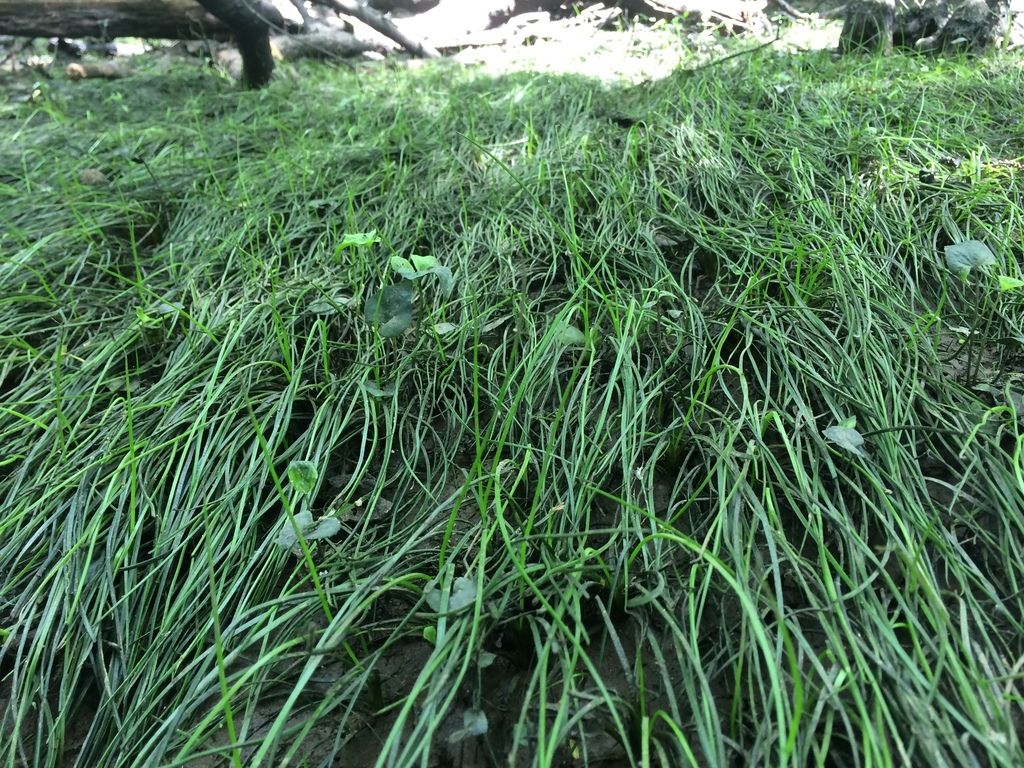
A submerged aquatic plant with stiff, quill-like leaves, native to freshwater lakes and ponds.
Benefits & Perks
["aquatic","wildlife attractant (bees, butterflies, birds)"]
Botanical Classification
| Phylum: | Lycophyta |
| Class: | Lycopsida |
| Order: | Isoetales |
| Family: | Isoetaceae |
| Genus: | Isoetes |
| Botanical Name: | Isoetes lacustris |
Plant Characteristics
Basic Information
- Category: Aquatic Plants
- Suitable Location: Shallow, still freshwater lakes and ponds
- Suitable For:
- Is Weed: No
- Allergenicity: low
Environmental Needs
- Climate: {"temperatureRange":"2–20°C"}
- Hardiness: {"zones":"4–7"}
- Misting: Not required
- Drainage: Constantly wet; no drainage required as the plant is fully submerged.
- Soil Type: Fine aquatic sediment or specialized aquatic plant soil.
Maintenance Level
- Maintenance Level: very high
- Toughness Level: very low
- Pruning Frequency: As needed, typically every few months or when dead foliage is present.
- Pruning Intensity: Light pruning; remove only dead or decaying parts.
Care Details
Ideal Sunlight Coverage:
Low to medium indirect light; 4–6 hours of filtered sunlight per day. Adjust for seasonal changes to avoid excessive light in summer.
Sunlight Tolerance Tips:
Acclimate slowly to brighter light if moving from shade; avoid direct sunlight to prevent scorching; place in a shaded area near water bodies for optimal growth.
Care Requirements
Care Difficulty
expert onlymoderate
Sunlight
Full sun to partial shade
Avoid direct sun; provide filtered light; adjust placement seasonally.
Watering
Keep substrate consistently moist, watering daily if necessary to prevent drying
Ensure constant submersion; avoid stagnant water; use dechlorinated or rainwater.
Soil
Silty or sandy substrate, often with peat content
pH: Slightly acidic to neutral (pH 6.0–7.0).
Use clean sediment; avoid compacting; maintain water clarity.
Temperature
Cool to cold temperatures, ideally 5–15°C (41–59°F). Prefers stable temperatures, avoiding extremes.
Keep cool; avoid heat; maintain stable temperatures.
Fertilizing
Not typically required in natural settings; avoid fertilization in cultivation
Use aquatic-specific fertilizer; dilute heavily; apply during spring/summer only.
Propagation
Methods
Vegetative propagation via bulbils or division of the rhizome.
Step-by-Step Propagation Guide
- Separate bulbils from parent plant.
- Plant in sediment.
- Maintain submerged.
- Provide indirect light.
Best Time: Spring or early summer when the plant is actively growing.
Environment
High humidity, cool temperatures, and constant water submersion.
Medium
Sediment or fine aquatic soil with good water circulation.
Hormone
Not typically required for bulbil propagation.
Timeline
Bulbils may form within a few weeks; establishment takes 1–2 months.
Tools Needed
Fine-tipped tweezers, small containers, aquatic soil.
Quick Tips
Handle bulbils gently; maintain water clarity; avoid disturbing new roots.
Pruning & Repotting
Pruning Guide
Method
Snip dead leaves at the base with clean scissors.
Pruning Plan
Minimal pruning required; remove dead or damaged leaves to maintain health.
Tools
Fine scissors or pruning shears.
Checklist
Check for dead leaves; use clean tools; remove carefully; avoid over-pruning.
Repotting Guide
Best Season
Spring, when the plant is entering active growth.
Pot Size
Increase pot size by 2–3 cm (1–1.5 inches) if necessary.
Method
Carefully lift the rhizome; replace old sediment with fresh aquatic soil; ensure the rhizome remains submerged.
Suggestions
Repot only if the rhizome outgrows its container or if sediment degrades.
Checklist
Prepare new sediment; handle rhizome gently; maintain water levels; ensure proper drainage.
Advanced Care Tips
Watering Mastery
Watering Checklist
Check water level daily; use dechlorinated water; ensure gentle water flow; monitor for stagnation.
How to Apply Water Properly
Water should fully submerge the base of the plant, ensuring the rhizome remains covered. Use a gentle stream to avoid disturbing the sediment or damaging the plant. Ensure water circulation to prevent stagnation.
Watering Schedule Tips
Keep the plant submerged in water at all times, mimicking its natural lake habitat. Maintain water levels to cover the base of the plant, especially during active growth periods in spring and summer.
Soil Improvement
Use fine-grained, nutrient-poor sediment; avoid heavy organic matter that can cloud water.
Temperature Stress Management
Signs of Temperature Issues
Yellowing or browning of leaves; stunted growth; wilting despite adequate water.
Cold Stress
Below 5°C (41°F), growth slows significantly; prolonged exposure can cause tissue damage or death.
Solution: Maintain water temperature above 5°C; insulate the container in colder climates; avoid drafts.
Hot Stress
Above 20°C (68°F), the plant may show signs of stress, such as leaf discoloration or reduced vigor.
Solution: Provide shade; increase water circulation; maintain cooler water temperatures with shade or cooling systems.
Fertilizing Guide
Fertilizing Checklist
Use aquatic fertilizer; dilute to 1/4 strength; apply monthly in growing season; avoid winter.
Fertilizing Method
Generally not required in natural habitats; if needed, use a diluted aquatic plant fertilizer once a month during growing season.
Common Problems & Solutions
Toxicity Warning
Cats
Slightly ToxicCats may experience mild gastrointestinal distress if they consume Isoetes lacustris. The saponins in the plant can cause irritation to the digestive tract, but severe toxicity is rare.
⚠️ Symptoms:
🌿 Toxic Parts:
⚡ Toxic If:
if eaten
Dogs
Slightly ToxicIn dogs, ingestion of Isoetes lacustris may lead to mild gastrointestinal upset due to the presence of saponins. The effects are typically transient and resolve without long-term consequences.
⚠️ Symptoms:
🌿 Toxic Parts:
⚡ Toxic If:
if eaten
Humans
Slightly ToxicIsoetes lacustris contains saponins which can cause mild gastrointestinal irritation upon ingestion. The physiological impact is generally limited to discomfort and is not considered life-threatening.
⚠️ Symptoms:
🌿 Toxic Parts:
⚡ Toxic If:
if eaten
Frequently Asked Questions
Q: Is Isoetes lacustris suitable for home aquariums?
A: It is not typically recommended for home aquariums due to its specialized aquatic habitat requirements.
Q: Does Lake Quillwort produce flowers?
A: No, it reproduces via spores rather than flowers.
Q: How deep should Lake Quillwort be planted in water?
A: It thrives in shallow water, typically with its base submerged and leaves emerging at the surface.
Quick Reference
| Family: | Isoetaceae |
| Care: | expert only |
| Light: | Full sun to partial shade |
| Water: | Keep substrate consistently mo |
Get Expert Care Tips
Download the Plantious app for personalized care reminders and plant identification!
Google Play App StoreRelated Plants