Amur silvergrass
miscanthus sacchariflorus
Also known as: ["Amur silvergrass","Chinese silvergrass"]
Overview
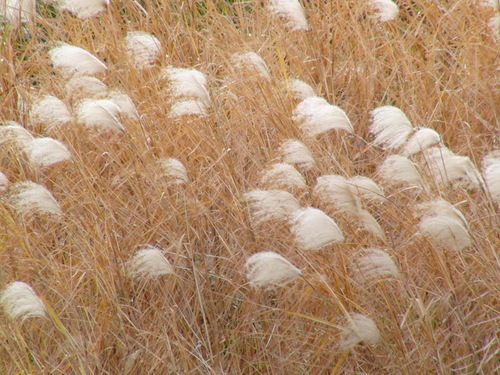
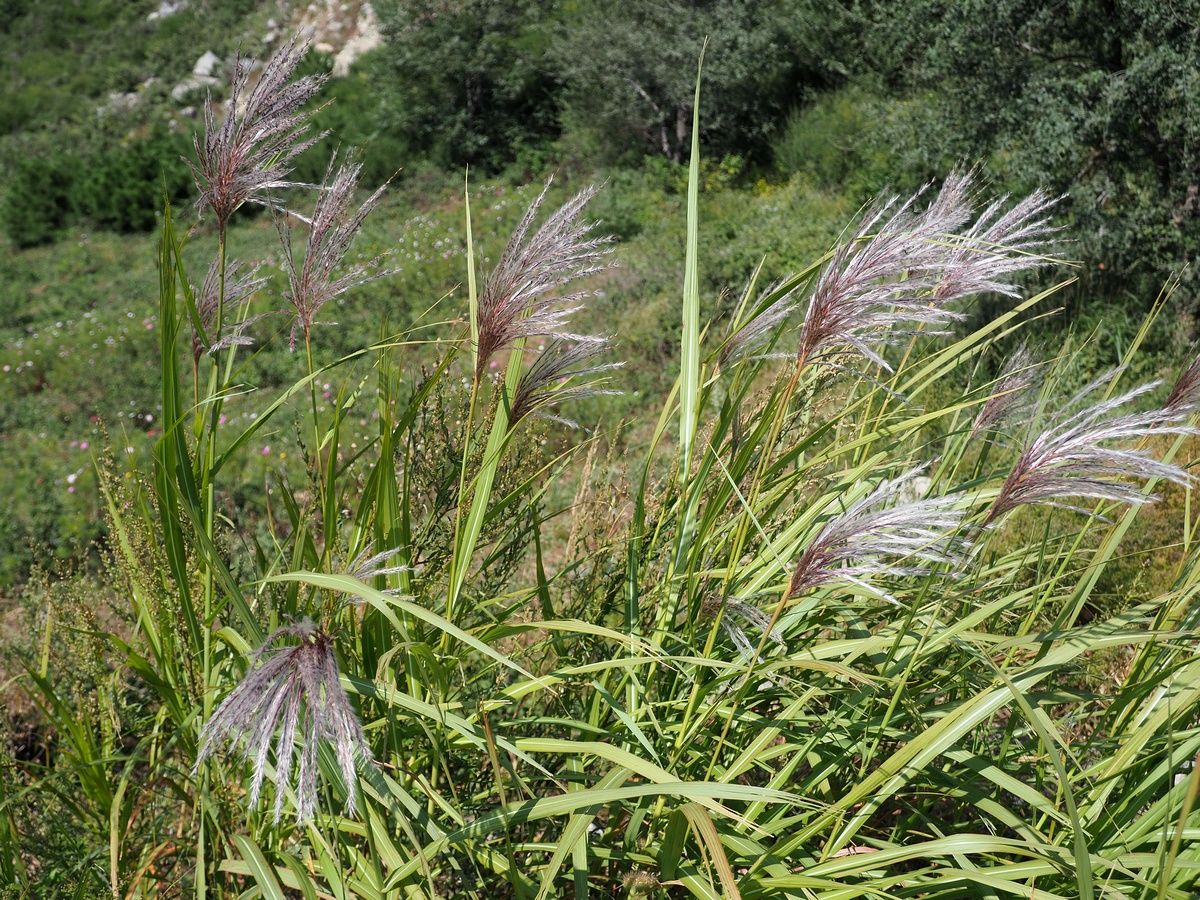
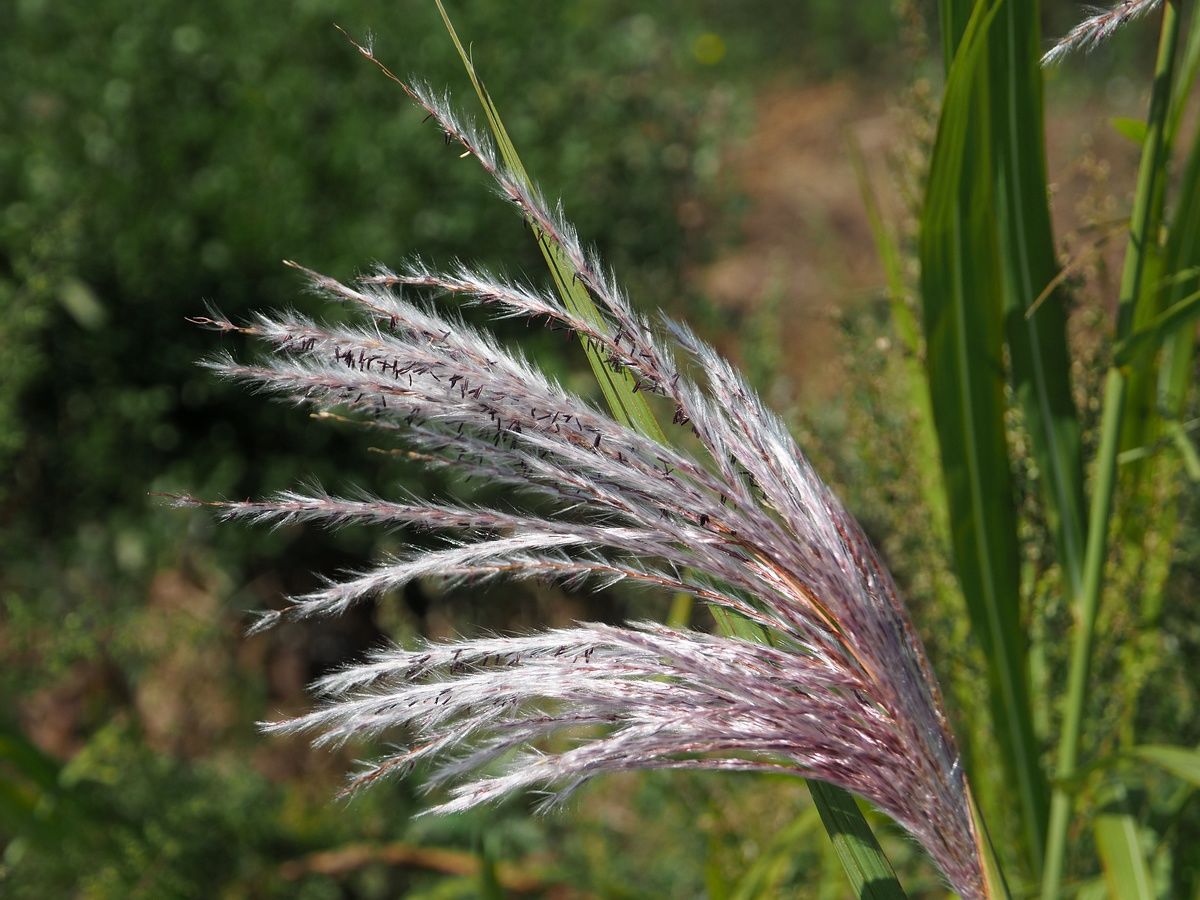
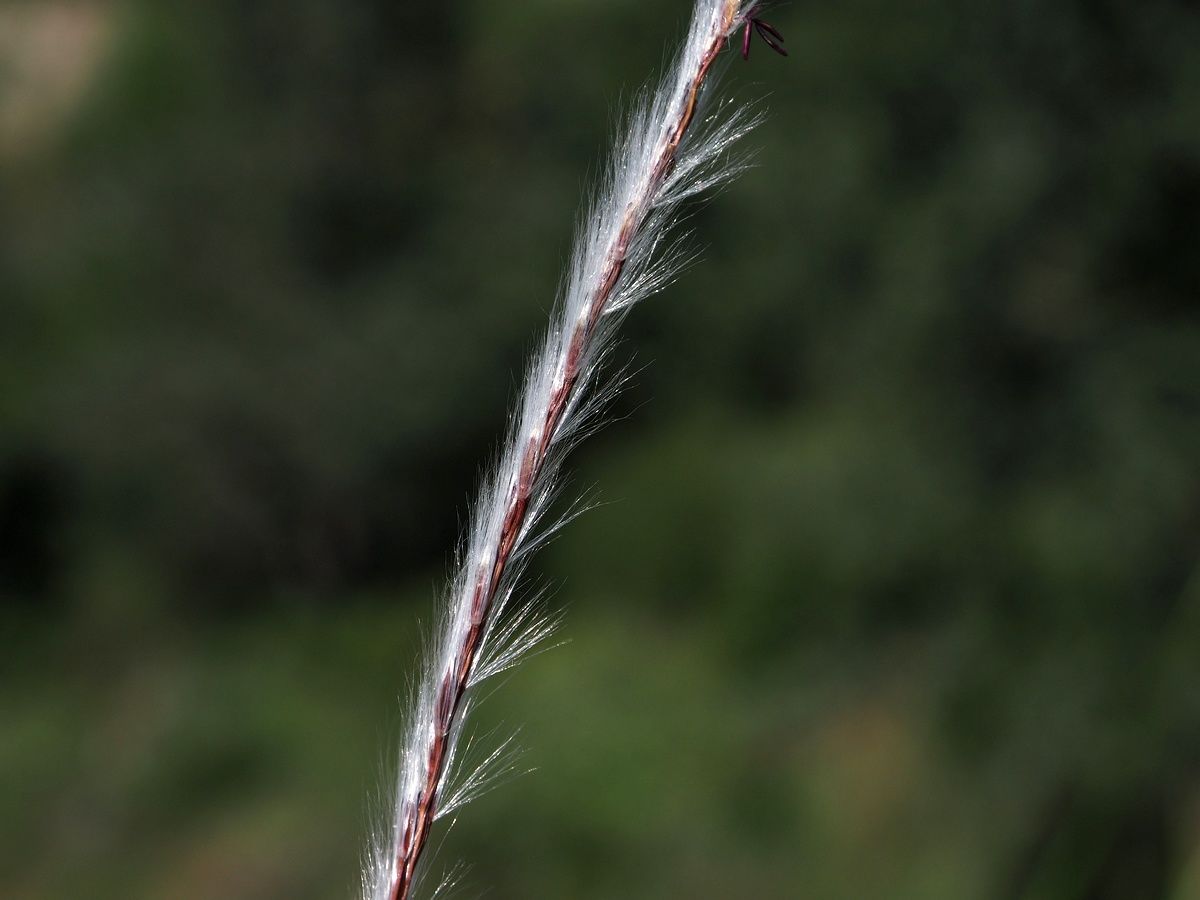
A tall, ornamental grass with silvery-white plumes that appear in late summer and persist into winter.
Benefits & Perks
["long-flowering","deer resistant","low maintenance","wildlife attractant (bees, butterflies, birds)","drought tolerant"]
Botanical Classification
| Phylum: | Magnoliophyta |
| Class: | Liliopsida |
| Order: | Poales |
| Family: | Poaceae |
| Genus: | Miscanthus |
| Botanical Name: | Miscanthus sacchariflorus |
Plant Characteristics
Basic Information
- Category: Flowers
- Suitable Location: garden border or open field
- Suitable For:
- Is Weed: No
- Allergenicity: low
Environmental Needs
- Climate: {"temperatureRange":"−20–40°C"}
- Hardiness: {"zones":"3–9"}
- Misting: rarely required
- Drainage: Fast-draining to prevent root rot.
- Soil Type: Well-draining loam with organic matter; tolerates poor soils but thrives with added compost.
Maintenance Level
- Maintenance Level: low
- Toughness Level: high
- Pruning Frequency: Annually in late winter or early spring before new growth emerges.
- Pruning Intensity: Moderate; remove up to one-third of old growth if clump is overgrown.
Care Details
Ideal Sunlight Coverage:
Full sun (6–8 hours/day) is ideal; tolerates partial shade but may produce fewer flowers.
Sunlight Tolerance Tips:
Acclimate plants to full sun gradually if moved from shade; protect from intense midday sun in hot climates; ensure good air circulation to prevent mildew.
Care Requirements
Care Difficulty
easymoderate
Sunlight
full sun to partial shade
Rotate plant for even growth; use shade cloth in extreme heat; avoid placing in drafty areas.
Watering
every 7–10 days during growing season, less frequently in winter
Water thoroughly until runoff, allow soil to dry between waterings, and avoid overwatering to prevent root rot.
Soil
well-drained, fertile loam
pH: Slightly acidic to neutral (pH 6.0–7.0).
Mulch to retain moisture; avoid compacted soil; test pH annually.
Temperature
Prefers temperate climates; ideal range is 60–75°F (15–24°C); hardy to USDA zones 5–9.
Protect from frost; water early to avoid heat stress; adjust care based on seasonal extremes.
Fertilizing
annually in early spring with balanced slow-release fertilizer
Fertilize sparingly; avoid late-season feeding; incorporate compost for slow-release nutrients.
Propagation
Methods
Division is the most reliable method; stem cuttings can also be used but are less common.
Step-by-Step Propagation Guide
- Divide clumps into sections with sharp tools.
- Remove dead foliage.
- Replant divisions at the same depth.
- Water thoroughly.
Best Time: Early spring before active growth begins; late autumn after foliage dies back.
Environment
Warm, humid conditions (70–75°F/21–24°C); indirect light for cuttings; full sun for divisions.
Medium
Well-draining soil mix with added perlite or sand; can also use water for stem cuttings.
Hormone
Optional but recommended for stem cuttings to improve rooting success.
Timeline
Division: immediate establishment; stem cuttings: roots in 4–8 weeks, full plant in 3–6 months.
Tools Needed
Sharp knife or spade, gloves, rooting hormone (optional), pots or trays.
Quick Tips
Divide every 3–4 years to maintain vigor; use clean tools to prevent disease; water divisions well after planting.
Pruning & Repotting
Pruning Guide
Method
Cut back dead stems to ground level; thin out crowded stems to improve airflow.
Pruning Plan
Remove dead or damaged foliage annually to maintain appearance and health; thin dense clumps to improve air circulation.
Tools
Sharp bypass pruners, loppers (for thick stems), gloves.
Checklist
Wear gloves; sterilize tools; cut at a 45-degree angle; remove debris after pruning.
Repotting Guide
Best Season
Early spring before new growth starts.
Pot Size
Increase pot size by 2–3 inches (5–7 cm) in diameter.
Method
Remove plant gently; trim roots if necessary; replant in fresh, well-draining soil with added compost.
Suggestions
Repot container-grown plants every 2–3 years or when roots fill the pot; field-grown plants rarely need repotting.
Checklist
Choose new pot; prepare fresh soil; trim roots if needed; water thoroughly after repotting.
Advanced Care Tips
Watering Mastery
Watering Checklist
Check soil moisture before watering; water deeply; ensure proper drainage; adjust for weather conditions.
How to Apply Water Properly
Water at the base of the plant, ensuring moisture reaches the root zone. Water early in the morning to minimize evaporation and allow foliage to dry.
Watering Schedule Tips
Water deeply once a week during the growing season; reduce frequency in winter to once every 3–4 weeks. Adjust based on rainfall and soil moisture retention.
Soil Improvement
Add compost or well-rotted manure; incorporate perlite or sand for drainage; avoid heavy clay soils.
Temperature Stress Management
Signs of Temperature Issues
Chlorosis or browning in extreme heat; stunted growth or dieback in prolonged cold.
Cold Stress
Leaves may turn yellow or brown; growth slows or halts; roots may freeze in poorly insulated soil.
Solution: Mulch heavily around the base; move container plants to a sheltered location; avoid watering before frost.
Hot Stress
Wilting, leaf scorch, or browning; reduced flowering; increased susceptibility to pests.
Solution: Provide afternoon shade; water deeply in the morning; use mulch to retain soil moisture.
Fertilizing Guide
Fertilizing Checklist
Use balanced fertilizer; apply in spring; water after fertilizing; avoid over-fertilization.
Fertilizing Method
Use a balanced, slow-release fertilizer in early spring; avoid high-nitrogen formulas; reduce or stop fertilizing in late summer/autumn.
Common Problems & Solutions
Toxicity Warning
Cats
Non-toxicMiscanthus sacchariflorus is not considered toxic to cats. It does not pose a risk of poisoning or irritation upon ingestion or contact.
⚡ Toxic If:
Generally non-toxic
Dogs
Non-toxicMiscanthus sacchariflorus is not considered toxic to dogs. There are no known adverse effects from ingestion or contact with this plant.
⚡ Toxic If:
Generally non-toxic
Humans
Non-toxicMiscanthus sacchariflorus is not considered toxic to humans under normal circumstances. It is commonly used in landscaping and does not pose significant health risks.
⚡ Toxic If:
Generally non-toxic
Frequently Asked Questions
Q: Is Miscanthus sacchariflorus invasive?
A: It is not considered invasive in most regions, but it can spread via rhizomes in favorable conditions.
Q: How tall does Amur silvergrass grow?
A: It typically reaches 5–7 feet in height.
Q: Does it require full sun?
A: Yes, it thrives in full sun but can tolerate partial shade.
Quick Reference

| Family: | Poaceae |
| Care: | easy |
| Light: | full sun to partial shade |
| Water: | every 7–10 days during growi |
Get Expert Care Tips
Download the Plantious app for personalized care reminders and plant identification!
Google Play App Store