Turnip
brassica rapa
Also known as: ["Field mustard","Chinese cabbage","Rapini"]
Overview
A fast-growing, cool-season biennial plant cultivated for its edible root and leaves, widely used in culinary applications.
Benefits & Perks
["edible fruits","fast growing","drought tolerant","cold hardy"]
Botanical Classification
| Phylum: | Magnoliophyta |
| Class: | Magnoliopsida |
| Order: | Brassicales |
| Family: | Brassicaceae |
| Genus: | Brassica |
| Botanical Name: | Brassica rapa |
Plant Characteristics
Basic Information
- Category: Vegetables
- Suitable Location: garden bed or container with good air circulation
- Suitable For:
- Is Weed: No
- Allergenicity: low
Environmental Needs
- Climate: {"temperatureRange":"10–30°C"}
- Hardiness: {"zones":"5–9"}
- Misting: rarely required
- Drainage: Well-draining.
- Soil Type: Rich, loamy soil with organic matter.
Maintenance Level
- Maintenance Level: low
- Toughness Level: moderate
- Pruning Frequency: As needed; remove damaged leaves promptly.
- Pruning Intensity: Light.
Care Details
Ideal Sunlight Coverage:
Full sun (6–8 hours/day); partial shade in hot climates to prevent bolting.
Sunlight Tolerance Tips:
Gradually acclimate seedlings to outdoor light; protect from intense midday sun; provide shade during heatwaves.
Care Requirements
Care Difficulty
easyeasy
Sunlight
full sun to partial shade
Rotate plants for even light; use shade cloth in summer; avoid direct afternoon sun.
Watering
every 5–7 days, allowing soil to dry slightly between waterings
Water at the base of the plant to avoid foliage disease; ensure soil dries between waterings.
Soil
well-draining, fertile, loamy soil
pH: 6.0–7.5.
Mulch to retain moisture; avoid compacted soil; test pH before planting.
Temperature
Cool weather crop: 60–70°F (15–21°C); tolerates light frost but bolts in heat.
Plant in spring/fall for optimal growth; protect from extreme heat; avoid planting in summer.
Fertilizing
every 2 weeks during active growth with a balanced liquid fertilizer
Avoid high-nitrogen fertilizers to prevent leafy growth over root development; fertilize at planting and mid-season.
Propagation
Methods
Seeds; direct sow or start indoors 4–6 weeks before last frost.
Step-by-Step Propagation Guide
- Sow seeds ¼–½ inch deep.
- Thin seedlings to 6–8 inches apart.
- Keep soil moist.
Best Time: Early spring or late summer for cool-season growth.
Environment
Warm (65–70°F), bright indirect light, consistent moisture.
Medium
Well-draining seed starting mix or compost.
Hormone
Not required for seeds.
Timeline
Germination in 5–10 days; harvest in 45–60 days.
Tools Needed
Seed trays, soil, water spray bottle, labels.
Quick Tips
Sow thickly as germination can be inconsistent; thin seedlings early to prevent crowding.
Pruning & Repotting
Pruning Guide
Method
Snip leaves at the base with clean shears.
Pruning Plan
Minimal pruning; focus on removing dead or yellowing leaves to improve air circulation.
Tools
Pruning shears, gloves.
Checklist
Clean tools; prune only damaged leaves; avoid cutting main stems.
Repotting Guide
Best Season
N/A (annual crop).
Pot Size
N/A.
Method
N/A.
Suggestions
Not typically repotted; direct sow or transplant seedlings once established.
Checklist
N/A.
Advanced Care Tips
Watering Mastery
Watering Checklist
Check soil moisture; water early morning; ensure drainage; avoid wetting leaves.
How to Apply Water Properly
Water thoroughly until it drains from the bottom, ensuring even moisture reaches the root zone without waterlogging.
Watering Schedule Tips
Water deeply once the top inch of soil is dry; reduce frequency in winter to prevent root rot.
Soil Improvement
Add compost or aged manure; ensure good drainage with perlite or sand.
Temperature Stress Management
Signs of Temperature Issues
Bolting (premature flowering), yellowing leaves, stunted growth.
Cold Stress
Slows growth but generally tolerates light frost; severe cold can damage leaves.
Solution: Use row covers for frost protection; plant in sheltered spots; avoid overwatering in cold.
Hot Stress
Causes bolting, bitter flavor, and reduced yield; wilting and leaf burn.
Solution: Provide shade, increase watering, plant in early spring or fall, use mulch to retain soil moisture.
Fertilizing Guide
Fertilizing Checklist
Use diluted fertilizer; apply to soil, not leaves; fertilize during active growth.
Fertilizing Method
Balanced liquid fertilizer (10-10-10) every 3–4 weeks during growth; reduce in cool weather.
Common Problems & Solutions
Toxicity Warning
Cats
Non-toxicBrassica rapa is not considered toxic to cats when ingested in small to moderate quantities. It is not commonly included in feline diets but has not been reported to cause toxicity.
⚡ Toxic If:
Generally non-toxic
Dogs
Non-toxicBrassica rapa is not considered toxic to dogs when ingested in small to moderate quantities. It is occasionally used as a dietary supplement or treat for dogs without adverse effects.
⚡ Toxic If:
Generally non-toxic
Humans
Non-toxicBrassica rapa, commonly known as turnip or Chinese cabbage, is generally considered non-toxic to humans when consumed in normal culinary amounts. It is a widely cultivated and consumed vegetable with no significant toxic effects reported under typical usage.
⚡ Toxic If:
Generally non-toxic
Frequently Asked Questions
Q: How long does it take for turnips to grow?
A: Turnips typically mature in 45–60 days from sowing.
Q: Can turnips be grown in containers?
A: Yes, turnips can be grown in containers as long as they have sufficient depth for root development.
Q: Are turnip greens edible?
A: Yes, turnip greens are edible and nutritious, often used in cooking.
Quick Reference
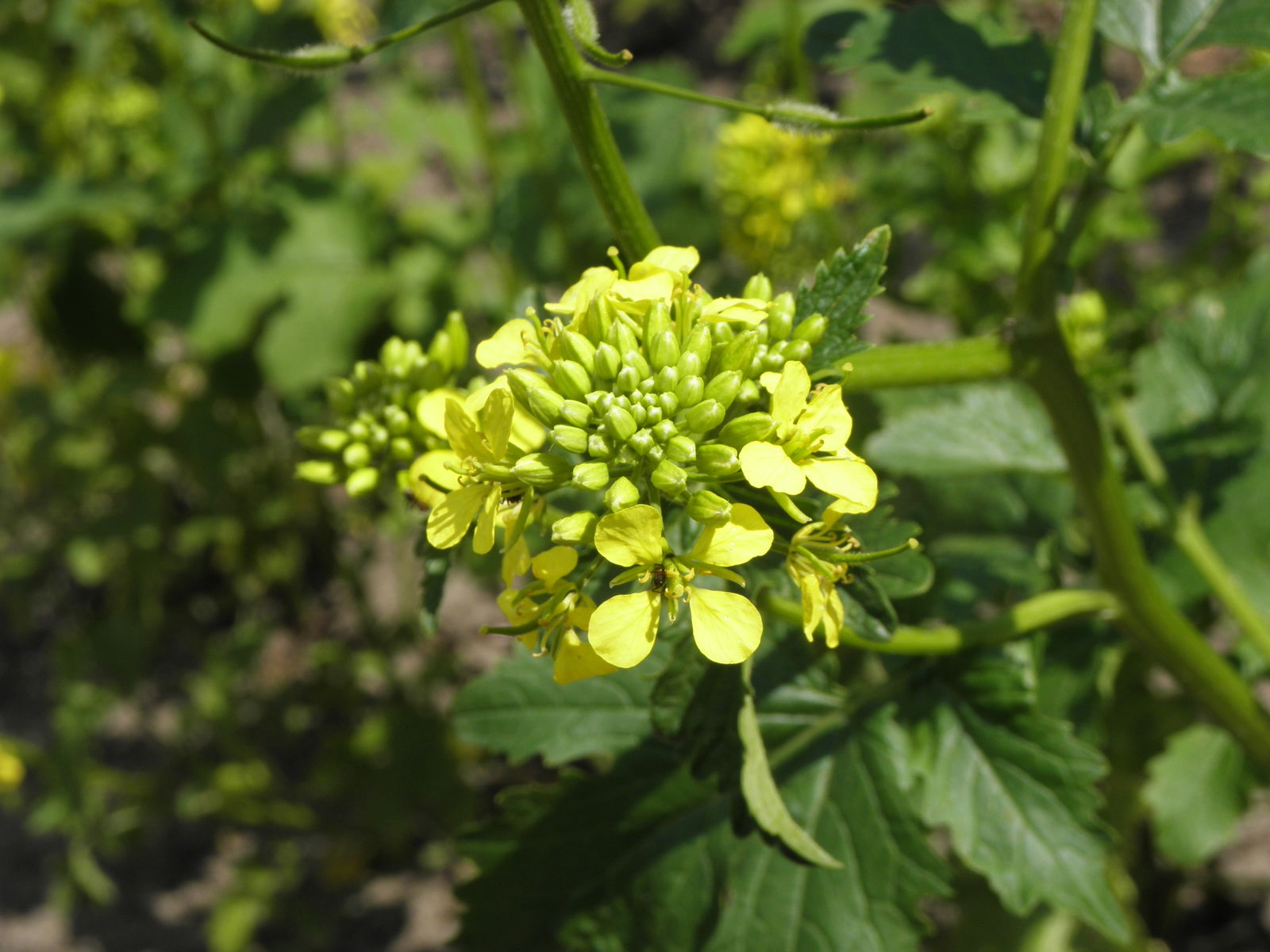
| Family: | Brassicaceae |
| Care: | easy |
| Light: | full sun to partial shade |
| Water: | every 5–7 days, allowing soi |
Get Expert Care Tips
Download the Plantious app for personalized care reminders and plant identification!
Google Play App Store