Woolly Air Plant
tillandsia duratii
Also known as: ["Woolly Air Plant","Tillandsia duratii"]
Overview
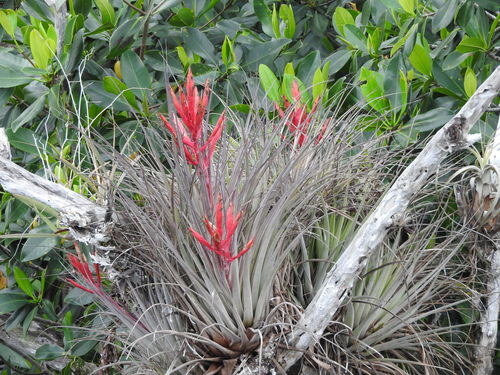
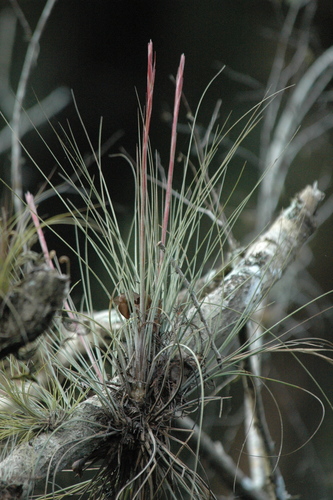
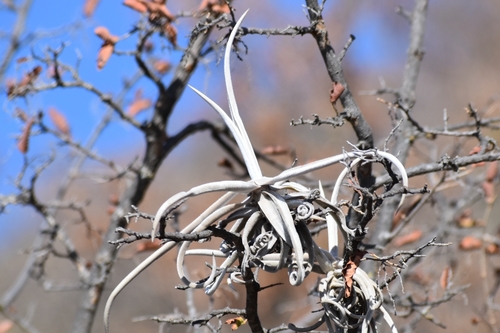
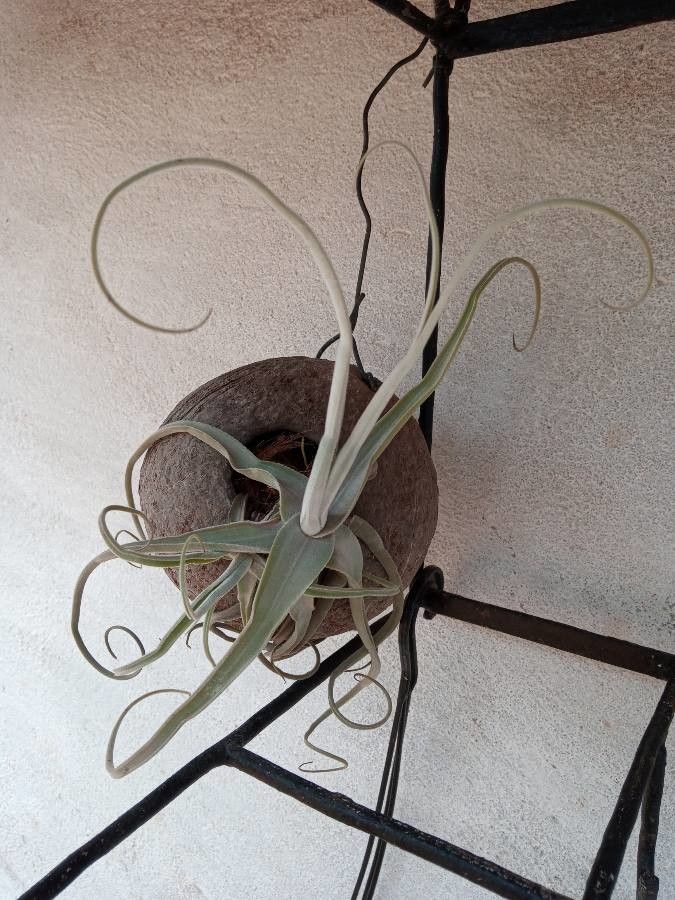
An epiphytic bromeliad native to South America, known for its striking, silvery foliage and vibrant purple flowers.
Benefits & Perks
["long-flowering","low maintenance","fragrant flowers","wildlife attractant (bees, butterflies, birds)","aesthetic foliage"]
Botanical Classification
| Phylum: | Magnoliophyta |
| Class: | Liliopsida |
| Order: | Poales |
| Family: | Bromeliaceae |
| Genus: | Tillandsia |
| Botanical Name: | Tillandsia duratii |
Plant Characteristics
Basic Information
- Category: Flowers
- Suitable Location: indoor or outdoor mounting in bright, humid environment
- Suitable For:
- Is Weed: No
- Allergenicity: low
Environmental Needs
- Climate: {"temperatureRange":"10–30°C"}
- Hardiness: {"zones":"9–11"}
- Misting: every 2–3 days to maintain humidity
- Drainage: Excellent drainage; no soil retention needed.
- Soil Type: Not applicable (epiphytic); mounts or well-draining orchid bark mix if potted.
Maintenance Level
- Maintenance Level: low
- Toughness Level: moderate
- Pruning Frequency: As needed, typically every 6–12 months.
- Pruning Intensity: Light to moderate; focus on removing only dead or diseased parts.
Care Details
Ideal Sunlight Coverage:
Bright indirect light; 4–6 hours of direct morning sun or filtered light; adjust in summer to avoid scorching.
Sunlight Tolerance Tips:
Acclimate gradually to direct light; protect from intense afternoon sun; indoors, place near east-facing windows.
Care Requirements
Care Difficulty
moderateeasy
Sunlight
bright, indirect light
Rotate plant weekly; use sheer curtains in summer; avoid direct midday sun.
Watering
every 7–10 days by soaking in water for 20–30 minutes
Soak thoroughly, allow to dry completely, and avoid water in the center.
Soil
no soil required; epiphytic mounting on bark or cork
pH: Not applicable (epiphytic); if potted, pH 5.5–6.5.
Focus on air circulation, not soil; use mounts for best results.
Temperature
65–85°F (18–29°C); tolerates brief dips to 50°F (10°C) but prefers stable warmth.
Avoid drafts, maintain stable temps, use a humidifier in dry heat.
Fertilizing
every 4–6 weeks during active growth with a bromeliad-specific fertilizer
Dilute well, spray onto leaves, and fertilize after watering.
Propagation
Methods
By offsets (pups) or seeds; pups are the preferred method for home growers.
Step-by-Step Propagation Guide
- Separate pup from parent, let callus form, plant in medium, water lightly, and provide humidity.
Best Time: After the parent plant flowers or when pups reach 1/3 of its size (usually spring–summer).
Environment
Bright indirect light, high humidity (60–70%), and warm temps (70–80°F).
Medium
Well-draining mix like orchid bark or sphagnum moss.
Hormone
Not necessary for pups; optional for seeds.
Timeline
Pups establish in 2–4 weeks; mature in 1–2 years.
Tools Needed
Clean knife or scissors, rooting medium, humidity dome.
Quick Tips
Use sterilized tools, avoid overwatering, and keep pups warm.
Pruning & Repotting
Pruning Guide
Method
Snip individual leaves at the base; avoid cutting into healthy tissue.
Pruning Plan
Minimal pruning; remove dead or damaged leaves to maintain appearance and health.
Tools
Clean, sharp scissors or pruning shears.
Checklist
Tool sterilization, target dead leaves, avoid over-pruning.
Repotting Guide
Best Season
Spring, when pups are ready for separation.
Pot Size
Mount size depends on plant size; ensure good air circulation.
Method
Gently separate pups, attach to mount with wire or glue, and secure with moss.
Suggestions
Not required unless mounted or in a container; pups can be separated and mounted.
Checklist
Pup size, mounting material, attachment method, drying time.
Advanced Care Tips
Watering Mastery
Watering Checklist
Soak duration, drying time, water type, ventilation.
How to Apply Water Properly
Submerge the entire plant in water (excluding base if attached to a mount), let it soak, then shake off excess and place in a well-ventilated area to dry completely within 4 hours.
Watering Schedule Tips
Water 1–2 times per week by soaking in water for 30 minutes; adjust frequency based on humidity and season (less in winter).
Soil Improvement
Use orchid bark, charcoal, or sphagnum moss for mounts; no soil needed.
Temperature Stress Management
Signs of Temperature Issues
Brown leaf tips (cold), wilting or bleaching (heat), stunted growth.
Cold Stress
Slows metabolism, causes leaf discoloration, and may lead to rot if combined with moisture.
Solution: Move to a warmer spot, reduce watering, and ensure good air circulation.
Hot Stress
Causes dehydration, leaf scorch, and premature flowering.
Solution: Provide shade, increase humidity, and water more frequently.
Fertilizing Guide
Fertilizing Checklist
Dilution rate, application method, frequency, season.
Fertilizing Method
Use a bromeliad-specific fertilizer or diluted orchid fertilizer (¼ strength) monthly during growing season (spring–summer); avoid winter.
Common Problems & Solutions
Toxicity Warning
Cats
Non-toxicTillandsia duratii is not known to be toxic to cats. It poses no significant health risks if ingested or handled.
⚡ Toxic If:
None
Dogs
Non-toxicTillandsia duratii is not known to be toxic to dogs. It poses no significant health risks if ingested or handled.
⚡ Toxic If:
None
Humans
Non-toxicTillandsia duratii is not known to have any toxic effects on humans. It is generally considered safe for handling and consumption.
⚡ Toxic If:
None
Frequently Asked Questions
Q: How often should I water Tillandsia duratii?
A: Water every 1-2 weeks by misting or soaking in water for 30 minutes.
Q: Does Tillandsia duratii need soil?
A: No, it is an epiphyte and grows without soil, attaching to surfaces.
Q: Can Tillandsia duratii be grown indoors?
A: Yes, it thrives in bright, indirect light indoors with good air circulation.
Quick Reference
| Family: | Bromeliaceae |
| Care: | moderate |
| Light: | bright, indirect light |
| Water: | every 7–10 days by soaking i |
Get Expert Care Tips
Download the Plantious app for personalized care reminders and plant identification!
Google Play App Store