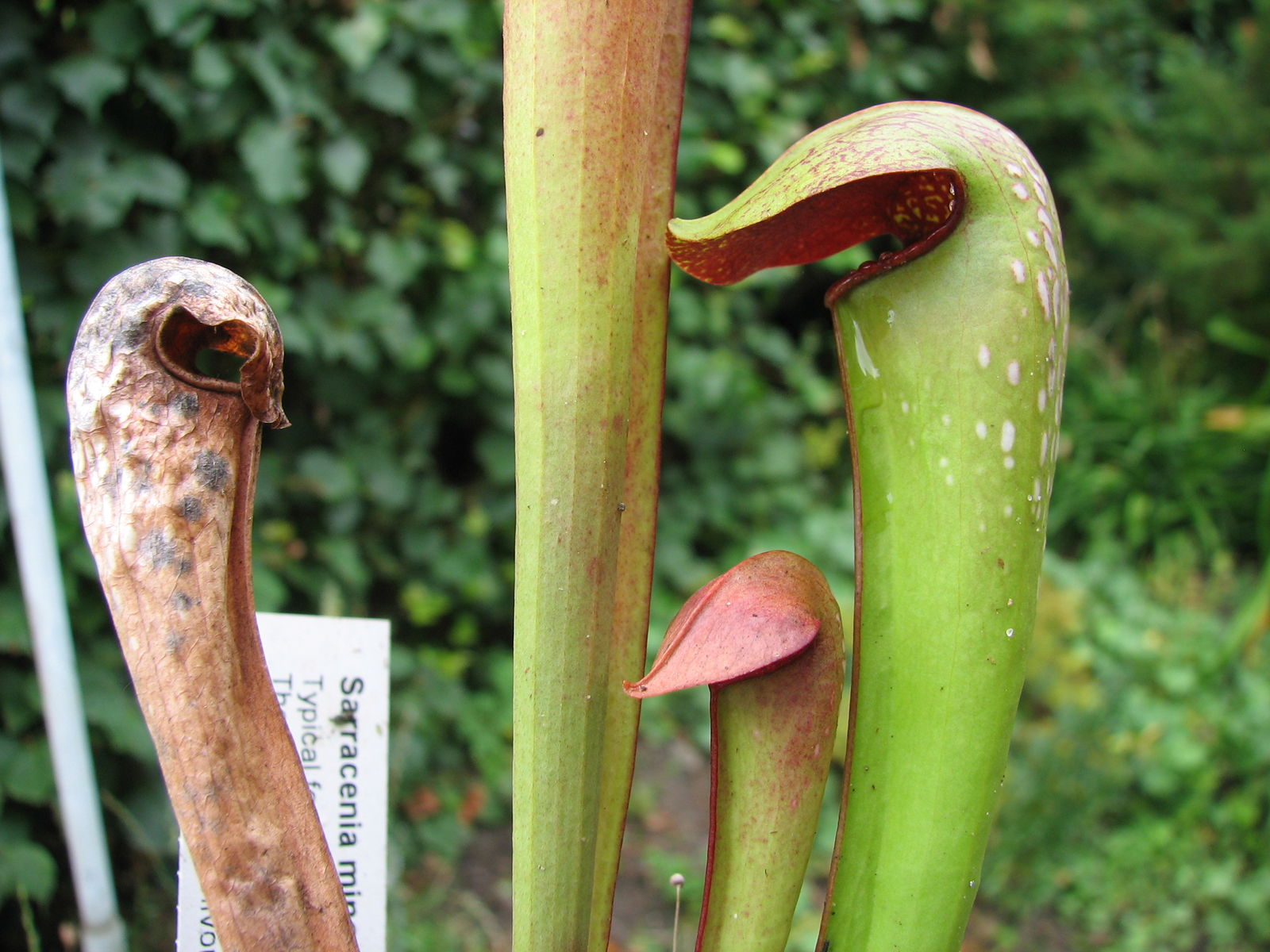
Hooded Pitcher Plant
sarracenia minor
Also known as: ["Minor Pitcher Plant","Cobra Lily"]
Overview
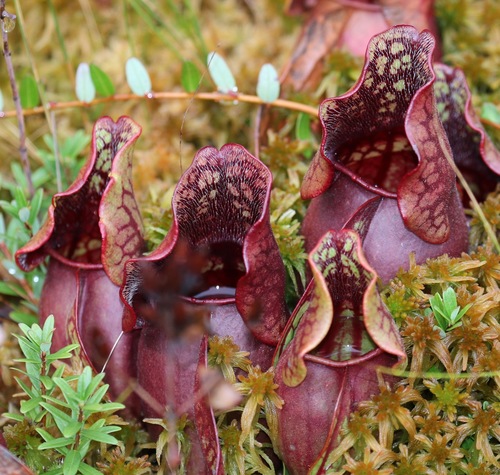
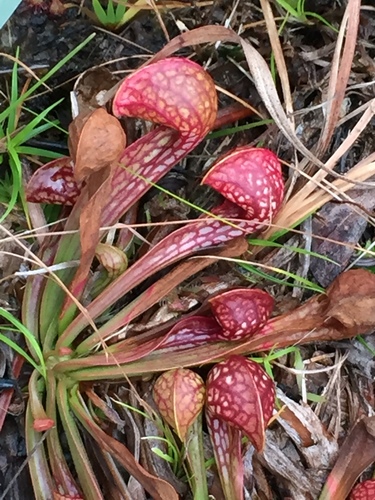
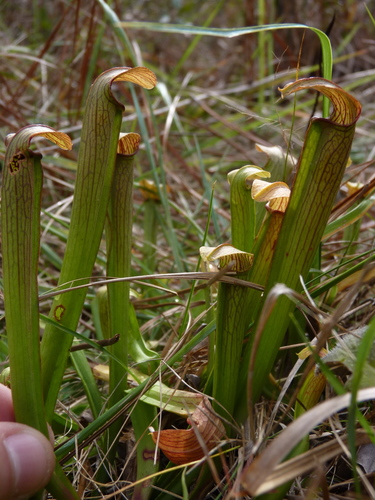
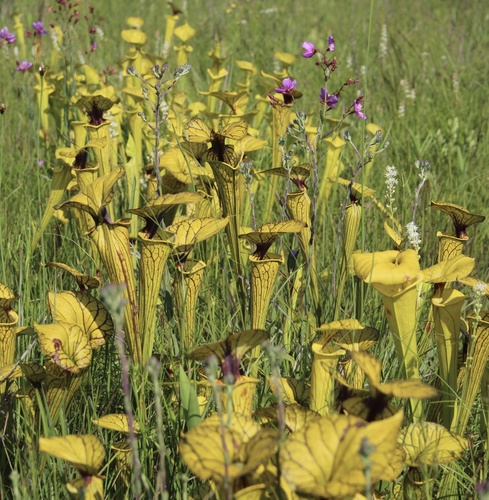
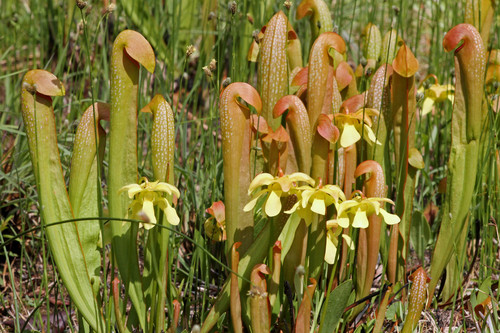
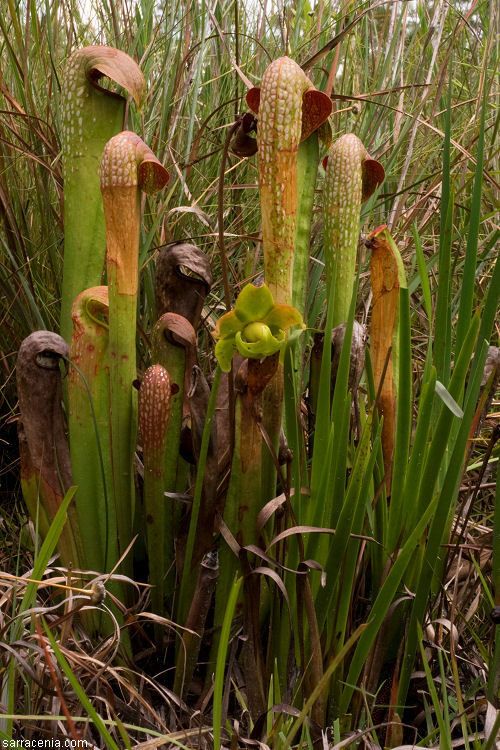
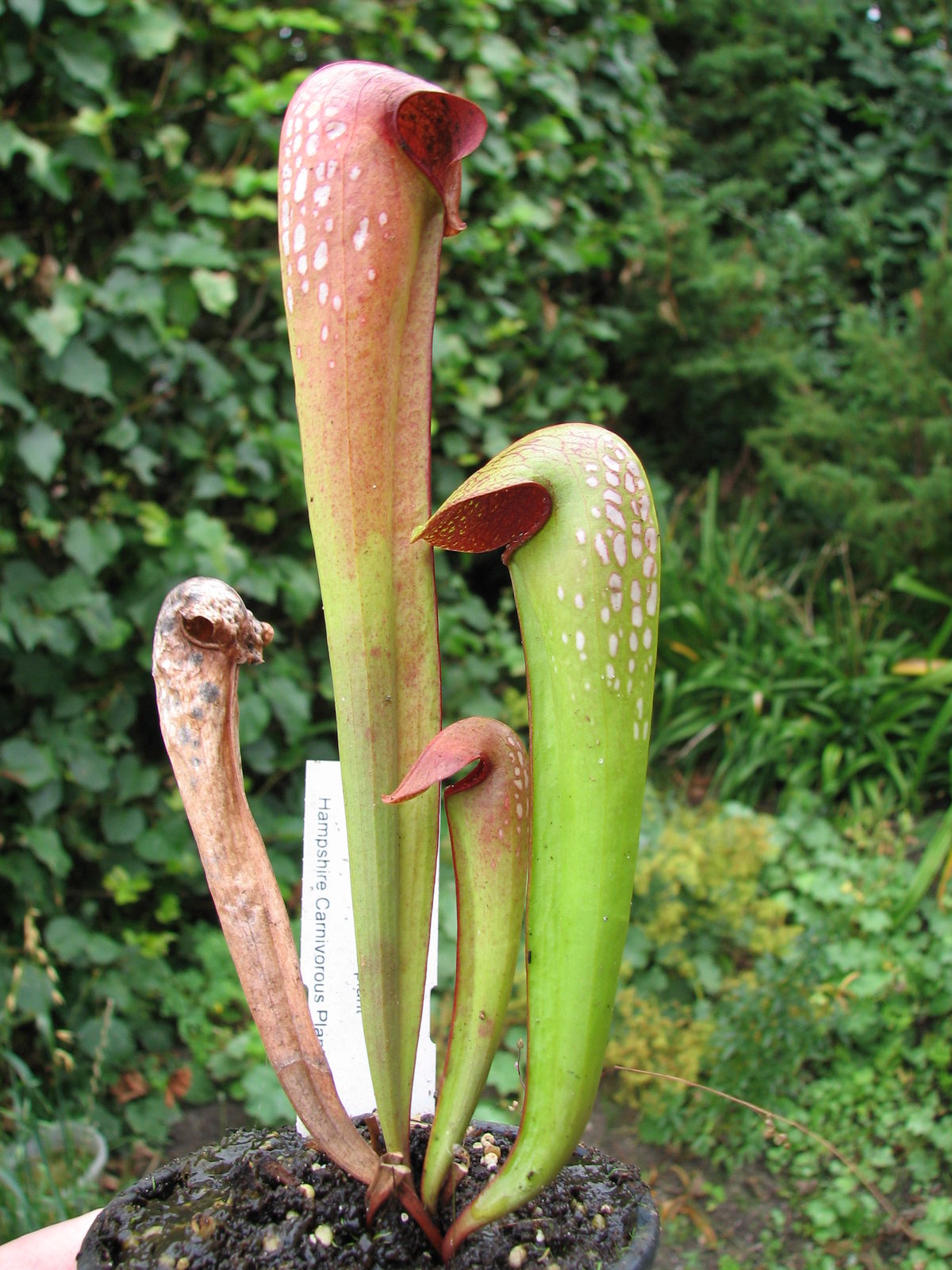
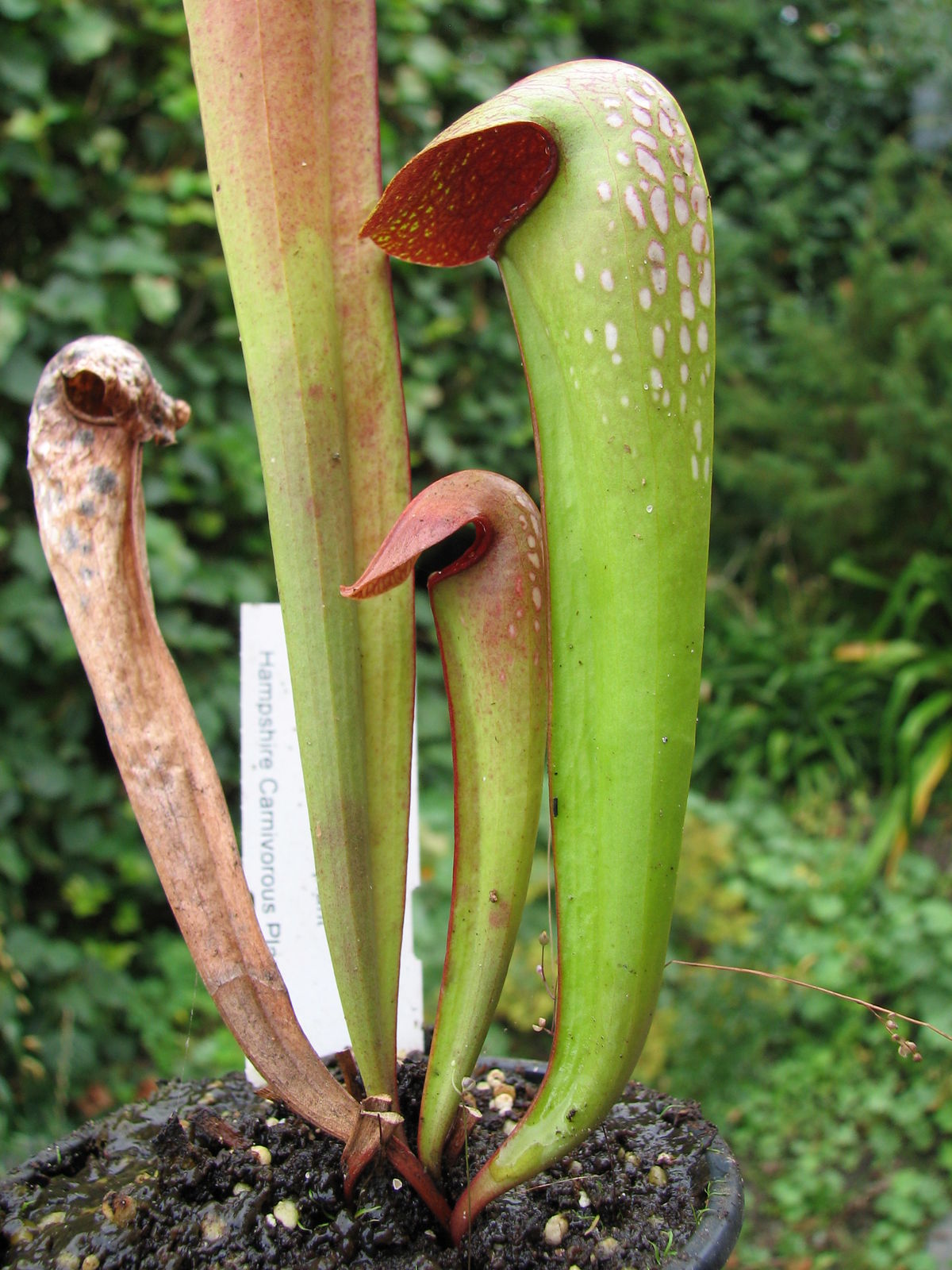
A carnivorous plant native to the bogs and swamps of the southeastern United States, characterized by its distinctive hooded pitcher-shaped leaves.
Benefits & Perks
["wildlife attractant (bees, butterflies, birds)","rare/collector’s item"]
Botanical Classification
| Phylum: | Magnoliophyta |
| Class: | Magnoliopsida |
| Order: | Ericales |
| Family: | Sarraceniaceae |
| Genus: | Sarracenia |
| Botanical Name: | Sarracenia minor |
Plant Characteristics
Basic Information
- Category: Flowers
- Suitable Location: bog garden or container with standing water
- Suitable For:
- Is Weed: No
- Allergenicity: low
Environmental Needs
- Climate: {"temperatureRange":"0–30°C"}
- Hardiness: {"zones":"6–9"}
- Misting: every 2–3 days to maintain high humidity
- Drainage: Fast-draining to prevent root rot.
- Soil Type: Sphagnum moss or a mix of peat moss and sand/perlite.
Maintenance Level
- Maintenance Level: moderate
- Toughness Level: moderate
- Pruning Frequency: As needed, typically during winter dormancy or early spring.
- Pruning Intensity: Light pruning to remove dead material only.
Care Details
Ideal Sunlight Coverage:
Full sun (6–8 hours/day) or very bright indirect light. Adjust for seasonal intensity to prevent scorching.
Sunlight Tolerance Tips:
Acclimate plants gradually to intense sunlight; provide shade during peak summer hours; ensure proper ventilation to prevent overheating.
Care Requirements
Care Difficulty
moderatemoderate
Sunlight
full sun to partial shade
Avoid direct midday sun in summer; provide dappled shade if needed; rotate pot for even growth.
Watering
every 7–10 days, keeping soil consistently moist
Use distilled or rainwater; water from the bottom to avoid fungal issues; ensure excellent drainage.
Soil
acidic, peat-based, well-draining mix
pH: Acidic (pH 4.5–6.0).
Avoid potting soil with nutrients; keep soil consistently moist; use acidic mixtures.
Temperature
Prefers 60–85°F (15–29°C). Tolerates cooler temperatures but requires a winter dormancy period below 50°F (10°C).
Protect from frost; provide shade in extreme heat; maintain dormancy for winter.
Fertilizing
rarely, if ever, as they are carnivorous and obtain nutrients from insects
Avoid feeding pitchers; fertilize soil only; use weak solutions to prevent damage.
Propagation
Methods
Division or rhizome cuttings.
Step-by-Step Propagation Guide
- Separate rhizome sections with at least one growing point.
- Plant in moist sphagnum moss.
- Maintain humidity.
Best Time: Early spring before active growth begins.
Environment
Warm (70–80°F), high humidity, and bright indirect light.
Medium
Sphagnum moss or a mix of peat moss and perlite.
Hormone
Not typically required for rhizome division.
Timeline
Roots may form within 4–6 weeks; new growth may take several months.
Tools Needed
Clean knife, sphagnum moss, humidity dome
Quick Tips
Ensure each division has growing points; maintain high humidity; avoid fertilizing new cuttings.
Pruning & Repotting
Pruning Guide
Method
Snip dead pitchers at the base with clean scissors.
Pruning Plan
Remove dead or decaying pitchers to maintain hygiene and redirect energy to new growth.
Tools
Clean scissors or pruning shears
Checklist
Remove dead pitchers; sanitize tools; avoid cutting healthy growth
Repotting Guide
Best Season
Early spring before active growth starts.
Pot Size
One size up from current pot; ensure good drainage.
Method
Carefully remove the plant, trim dead roots, place in a slightly larger pot with fresh carnivorous plant mix, and water thoroughly.
Suggestions
Repot every 2–3 years or when the pot becomes crowded. Necessary to refresh soil and provide space for rhizome expansion.
Checklist
Use fresh carnivorous mix; ensure drainage; trim dead roots; water after repotting
Advanced Care Tips
Watering Mastery
Watering Checklist
Use distilled/rainwater; water thoroughly; ensure drainage; avoid wet foliage at night
How to Apply Water Properly
Water thoroughly until water drains from the bottom, ensuring the root zone is saturated. Allow excess water to drain away completely. Water in the morning to allow foliage to dry before nightfall.
Watering Schedule Tips
Water consistently, keeping the soil consistently moist but not waterlogged. During active growth (spring/summer), water more frequently; reduce slightly in winter but never let the soil dry out completely.
Soil Improvement
Use pure sphagnum moss or mix peat with coarse sand/perlite for aeration and drainage.
Temperature Stress Management
Signs of Temperature Issues
Chlorosis, wilting, bud drop, or cessation of pitcher production in extreme heat or cold.
Cold Stress
Slows metabolic processes, halts growth, and can lead to root damage if temperatures drop below freezing without dormancy preparation.
Solution: Ensure dormancy by reducing watering and keeping in a cool (but above freezing) location. Protect from frost.
Hot Stress
Causes wilting, leaf scorch, and reduced pitcher production due to excessive transpiration.
Solution: Provide shade during peak heat, increase humidity, and ensure consistent watering.
Fertilizing Guide
Fertilizing Checklist
Use weak solution; apply to soil only; fertilize during growing season only
Fertilizing Method
Generally not needed due to carnivorous nature. If fertilizing, use a weak solution (1/10 strength) of balanced liquid fertilizer applied to the soil once a month during active growth.
Common Problems & Solutions
Toxicity Warning
Cats
Slightly ToxicCats that consume Sarracenia minor may experience mild gastrointestinal irritation. The plant's enzymes can cause digestive upset, though severe toxicity is unlikely.
⚠️ Symptoms:
🌿 Toxic Parts:
⚡ Toxic If:
if eaten
Dogs
Slightly ToxicIngestion of Sarracenia minor by dogs may lead to mild gastrointestinal upset due to the plant's carnivorous enzymes. The effects are generally not severe but can cause discomfort.
⚠️ Symptoms:
🌿 Toxic Parts:
⚡ Toxic If:
if eaten
Humans
Slightly ToxicSarracenia minor contains compounds that can cause mild gastrointestinal distress if ingested. The plant's carnivorous nature involves digestive enzymes that may irritate the human digestive tract upon consumption.
⚠️ Symptoms:
🌿 Toxic Parts:
⚡ Toxic If:
if eaten
Frequently Asked Questions
Q: How do I care for Sarracenia minor?
A: Provide full sun, acidic soil, and distilled or rainwater. Keep the soil consistently moist but not waterlogged.
Q: Is Sarracenia minor toxic to pets?
A: There is no definitive information on its toxicity to pets; it is best to keep it out of reach as a precaution.
Q: Why are the leaves of my Sarracenia minor turning yellow?
A: Yellowing leaves may indicate overwatering, poor drainage, or insufficient sunlight. Ensure proper growing conditions.
Quick Reference
| Family: | Sarraceniaceae |
| Care: | moderate |
| Light: | full sun to partial shade |
| Water: | every 7–10 days, keeping soi |
Get Expert Care Tips
Download the Plantious app for personalized care reminders and plant identification!
Google Play App Store