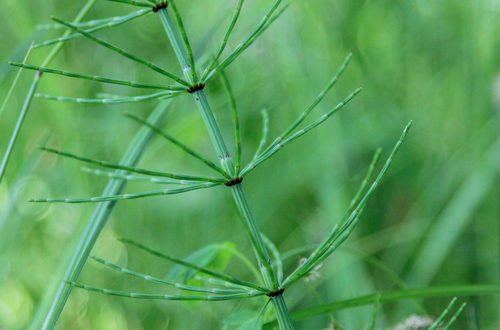
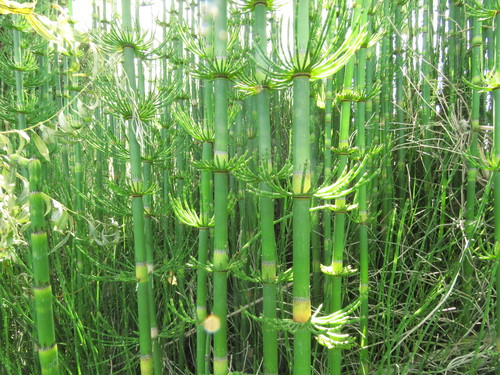
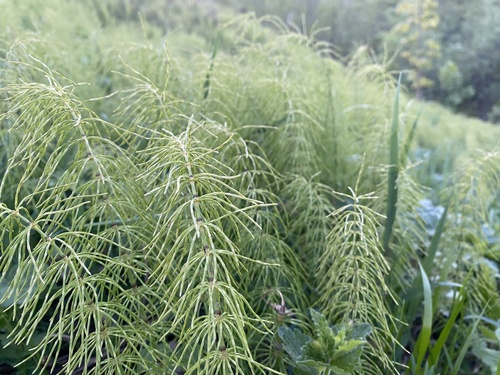
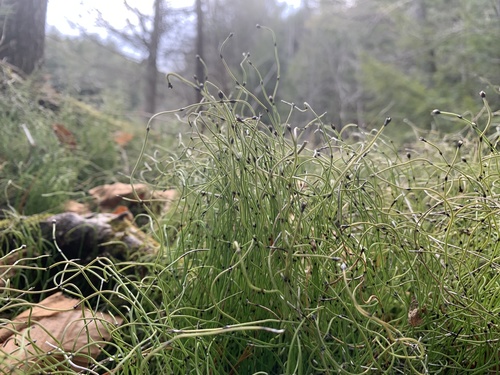
Variegated Scouring Rush
equisetum variegatum
Also known as: ["Variegated Horsetail","Variegated Equisetum"]
Overview
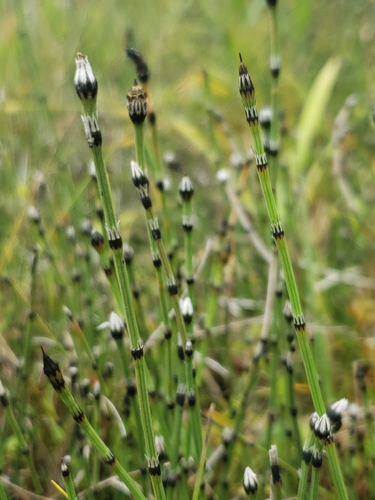
A variegated species of horsetail with distinctive striped stems, native to wetland and marshy environments.
Benefits & Perks
["drought tolerant","shade tolerant","wildlife attractant (bees, butterflies, birds)"]
Botanical Classification
| Phylum: | Tracheophyta |
| Class: | Equisetopsida |
| Order: | Equisetales |
| Family: | Equisetaceae |
| Genus: | Equisetum |
| Botanical Name: | Equisetum variegatum |
Plant Characteristics
Basic Information
- Category: Flowers
- Suitable Location: moist garden bed or container with consistent moisture
- Suitable For:
- Is Weed: No
- Allergenicity: low
Environmental Needs
- Climate: {"temperatureRange":"0–30°C"}
- Hardiness: {"zones":"3–8"}
- Misting: every 2–3 days to maintain moderate humidity
- Drainage: Moderately well-draining; prefers consistently moist soil but can tolerate occasional dry periods.
- Soil Type: Moist, rich, well-drained soil; tolerates poor soil but thrives with organic matter.
Maintenance Level
- Maintenance Level: moderate
- Toughness Level: moderate
- Pruning Frequency: As needed, typically in late winter or early spring before new growth begins.
- Pruning Intensity: Light; only remove dead or damaged parts, not healthy growth.
Care Details
Ideal Sunlight Coverage:
Partial shade to full shade; tolerates low light conditions; avoid direct sunlight which can scorch the delicate foliage.
Sunlight Tolerance Tips:
Acclimate gradually to brighter light if moving from low-light conditions; protect from intense midday sun; ideal for shaded garden beds or indoor locations with indirect light.
Care Requirements
Care Difficulty
moderateEasy
Sunlight
partial shade to full shade
Avoid direct sun exposure; provide dappled or filtered light; adjust placement based on seasonal light changes.
Watering
every 7–10 days, allowing soil to dry slightly between waterings
Water thoroughly until it drains from the bottom; allow top inch of soil to dry slightly between waterings; avoid letting the plant sit in standing water.
Soil
moist, rich, well-drained soil with high organic matter
pH: Acidic to neutral, pH 5.5–7.0.
Keep soil consistently moist; amend with organic matter for fertility; ensure good drainage to prevent waterlogging.
Temperature
Cool to moderate temperatures, ideally 50–70°F (10–21°C); prefers cooler conditions and can suffer in prolonged heat.
Protect from extreme heat; ensure good air circulation; adjust watering based on temperature fluctuations.
Fertilizing
every 2–3 months during growing season with diluted balanced fertilizer
Use a weak solution to avoid burning delicate roots; fertilize only when actively growing; stop fertilizing in late summer to allow the plant to harden off for winter.
Propagation
Methods
Division; separate rhizomes in early spring or fall to propagate new plants.
Step-by-Step Propagation Guide
- Dig up the clump.
- Separate healthy rhizomes with roots attached.
- Replant immediately at the same depth.
- Water thoroughly.
Best Time: Early spring or fall when the plant is not in active growth but still viable for division.
Environment
Shaded, cool, and humid conditions; keep the medium consistently moist but not waterlogged.
Medium
Moist, well-drained soil; can be propagated directly in the garden or in pots with a mix of peat and sand.
Hormone
Not necessary for rhizome division.
Timeline
New growth should appear within a few weeks after division; establishment may take 1–2 growing seasons.
Tools Needed
Garden fork, sharp knife or pruners, gloves.
Quick Tips
Divide only when the plant is overcrowded; ensure each division has roots and shoots; replant immediately to prevent drying out.
Pruning & Repotting
Pruning Guide
Method
Hand-pull or snip off dead fronds at the base; avoid cutting into healthy tissue.
Pruning Plan
Minimal pruning required; remove dead or damaged fronds as needed to maintain appearance and health.
Tools
Hand pruners or gloved hands for pulling.
Checklist
Remove only dead or damaged fronds; prune before new growth emerges; clean tools to prevent disease spread.
Repotting Guide
Best Season
Early spring before active growth begins.
Pot Size
One size up if repotting; for garden plants, ensure adequate space for spreading.
Method
Gently remove the plant from its container; divide if necessary; replant in a slightly larger container with fresh, well-draining soil; ensure good drainage.
Suggestions
Repot only if the plant becomes overcrowded or the container is too small; Equisetum variegatum is not typically container-bound and may spread aggressively in the garden.
Checklist
Check for overcrowding; use fresh soil; ensure proper drainage; water well after repotting.
Advanced Care Tips
Watering Mastery
Watering Checklist
Check soil moisture before watering; water early in the day; ensure proper drainage; adjust frequency based on season and weather.
How to Apply Water Properly
Water directly at the base of the plant, ensuring even moisture distribution around the root zone; water deeply to encourage deep root growth; ensure excess water drains away to prevent waterlogging.
Watering Schedule Tips
Keep soil consistently moist but not waterlogged; water more frequently in warmer months, reducing frequency in winter to prevent root rot.
Soil Improvement
Add compost or well-rotted manure to improve fertility and structure; incorporate sand or perlite to enhance drainage if needed.
Temperature Stress Management
Signs of Temperature Issues
Wilting, yellowing or browning of foliage, stunted growth, or cessation of growth in extreme heat or cold.
Cold Stress
Can tolerate cold temperatures down to 0°F (-18°C) when established; prolonged freezing may damage foliage but typically recovers in spring.
Solution: Mulch heavily around the base in winter; protect from harsh winds; ensure well-drained soil to prevent frost heave.
Hot Stress
Excessive heat can cause foliage to wilt, turn yellow, or brown; may go dormant if temperatures exceed 80°F (27°C) for extended periods.
Solution: Provide shade during peak heat; increase humidity around the plant; water more frequently to keep soil cool and moist.
Fertilizing Guide
Fertilizing Checklist
Use diluted fertilizer; apply during active growth; avoid winter feeding; monitor for signs of over-fertilization.
Fertilizing Method
Low-fertility requirements; fertilize sparingly with a balanced, diluted liquid fertilizer every 4–6 weeks during the growing season (spring to early summer); avoid fertilizing in winter.
Common Problems & Solutions
Toxicity Warning
Cats
Slightly ToxicEquisetum variegatum is slightly toxic to cats if ingested. The silica content may lead to mild gastrointestinal upset, but serious toxicity is uncommon. The plant is not considered highly hazardous to feline health.
⚠️ Symptoms:
🌿 Toxic Parts:
⚡ Toxic If:
if eaten
Dogs
Slightly ToxicEquisetum variegatum can be slightly toxic to dogs if ingested. The high silica content may cause mild gastrointestinal irritation, but severe toxicity is rare. The plant does not pose a significant health risk to dogs.
⚠️ Symptoms:
🌿 Toxic Parts:
⚡ Toxic If:
if eaten
Humans
Non-toxicEquisetum variegatum is generally considered non-toxic to humans. However, ingestion of large quantities may cause mild gastrointestinal discomfort due to its high silica content. The plant has no significant physiological impact on human health.
⚠️ Symptoms:
🌿 Toxic Parts:
⚡ Toxic If:
if eaten in large quantities
Frequently Asked Questions
Q: Is Equisetum variegatum toxic to pets?
A: There is insufficient data to confirm toxicity to pets.
Q: How should I care for Variegated Scouring Rush?
A: Plant in moist, well-drained soil in partial to full shade, and ensure consistent moisture.
Q: Does this plant attract wildlife?
A: Yes, it can attract bees, butterflies, and birds due to its habitat preference.
Quick Reference

| Family: | Equisetaceae |
| Care: | moderate |
| Light: | partial shade to full shade |
| Water: | every 7–10 days, allowing so |
Get Expert Care Tips
Download the Plantious app for personalized care reminders and plant identification!
Google Play App Store