Duckweed
lemna valdiviana
Also known as: ["Water lentil","Floating moss"]
Overview
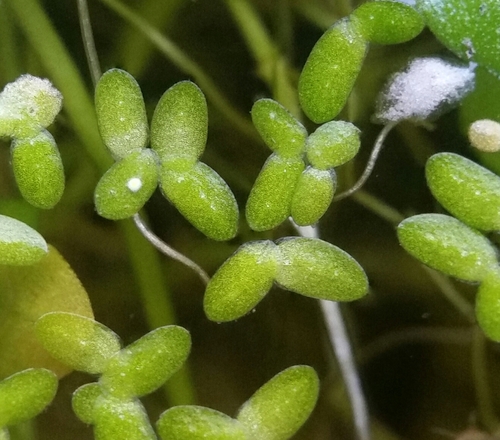
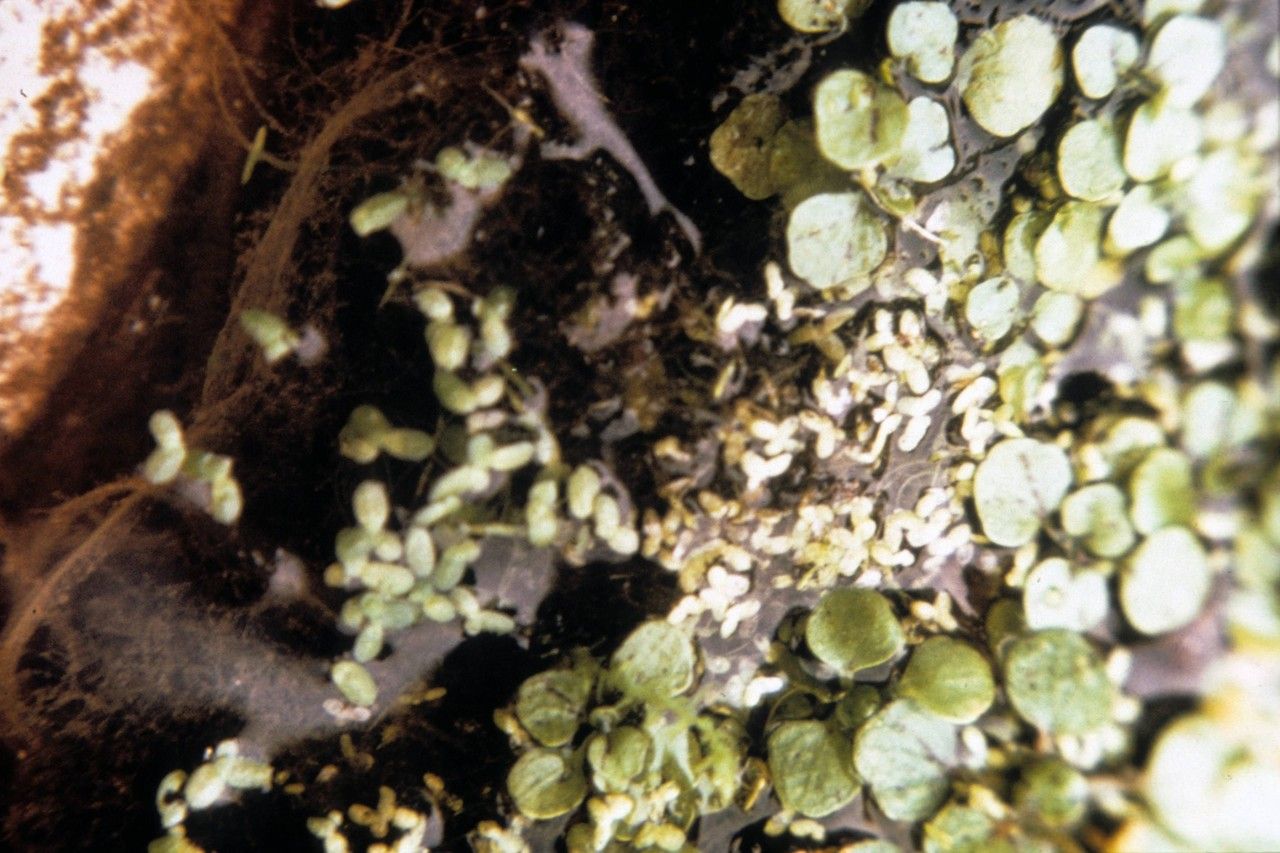
A small, free-floating aquatic plant with simple oval leaves that form dense mats on still water surfaces.
Benefits & Perks
["wildlife attractant (bees, butterflies, birds)","disease resistant","low maintenance","fast growing"]
Botanical Classification
| Phylum: | Magnoliophyta |
| Class: | Liliopsida |
| Order: | Alismatales |
| Family: | Araceae |
| Genus: | Lemna |
| Botanical Name: | Lemna valdiviana |
Plant Characteristics
Basic Information
- Category: Herbs & Weeds
- Suitable Location: still or slow-moving freshwater environments
- Suitable For:
- Is Weed: No
- Allergenicity: low
Environmental Needs
- Climate: {"temperatureRange":"10–25°C"}
- Hardiness: {"zones":"8–11"}
- Misting: rarely required
- Drainage: Not applicable; requires constant moisture.
- Soil Type: Not applicable; grows in water or very wet soil.
Maintenance Level
- Maintenance Level: very low
- Toughness Level: very high
- Pruning Frequency: As needed; typically every few months or when overcrowding occurs.
- Pruning Intensity: Light; selective removal of older or damaged parts.
Care Details
Ideal Sunlight Coverage:
Bright indirect light for 6–8 hours/day; adjust to partial shade in intense summer sun.
Sunlight Tolerance Tips:
Gradually acclimate to stronger light; protect from direct midday sun; place in filtered light or dappled shade outdoors.
Care Requirements
Care Difficulty
very easyeasy
Sunlight
full sun to partial shade
Avoid direct sun; provide shade during peak hours; rotate for even light exposure.
Watering
daily in extreme heat, otherwise as needed to maintain water level
Keep the medium perpetually damp; avoid waterlogging by ensuring slight drainage; water in the morning to reduce evaporation.
Soil
not applicable, grows in water
pH: Neutral to slightly acidic (6.0–7.0).
Use rainwater or distilled water; avoid chlorinated water; maintain clean conditions.
Temperature
Prefers 15–25°C; tolerates mild fluctuations but avoids extremes.
Avoid drafts; maintain stable temps; protect from sudden changes.
Fertilizing
every 4–6 weeks during active growth
Dilute well to prevent burn; fertilize after watering; stop in dormant periods.
Propagation
Methods
Division or seed; easily propagated by separating clusters.
Step-by-Step Propagation Guide
- Separate small clusters.
- Place in water or moist medium.
- Maintain warmth and light.
Best Time: Spring or early summer when growth is active.
Environment
Warm, humid conditions with indirect light.
Medium
Still water or very moist soil mix with peat.
Hormone
Not required; natural rooting is efficient.
Timeline
Rapid growth; noticeable spread within weeks.
Tools Needed
Fine tweezers, small container, water source.
Quick Tips
Use clean tools; keep water fresh; ensure clusters are not overcrowded.
Pruning & Repotting
Pruning Guide
Method
Gentle hand-picking or snipping with fine scissors.
Pruning Plan
Minimal pruning needed; remove dead or overcrowded fronds to encourage healthy growth.
Tools
Fine scissors, tweezers.
Checklist
Check for dead material; remove carefully; avoid damaging healthy parts.
Repotting Guide
Best Season
Spring, when growth begins.
Pot Size
No pot size change needed; focus on spacing and medium refresh.
Method
Gently separate clusters; place in fresh, moist medium; ensure good spacing.
Suggestions
Not typically required; may thin out clusters if overcrowded.
Checklist
Assess density; separate gently; refresh medium; space evenly.
Advanced Care Tips
Watering Mastery
Watering Checklist
Check soil moisture daily; water thoroughly; ensure no pooling; observe plant response.
How to Apply Water Properly
Apply water evenly across the surface; ensure saturation reaches the root zone; allow excess to drain away; water early in the day to minimize evaporation.
Watering Schedule Tips
Maintain consistently moist conditions; water daily or as needed to prevent drying out, especially in warm or windy conditions.
Soil Improvement
Not applicable; ensure water quality is high if growing in water.
Temperature Stress Management
Signs of Temperature Issues
Wilting, yellowing, or stunted growth; leaf drop in extreme conditions.
Cold Stress
Growth slows or halts; leaves may turn brown or black; risk of rot in cold, wet conditions.
Solution: Move to a warmer location; insulate pots; reduce watering in cool periods.
Hot Stress
Leaf edges may scorch; growth may cease; dehydration symptoms appear.
Solution: Provide shade; increase humidity; water more frequently but avoid waterlogging.
Fertilizing Guide
Fertilizing Checklist
Check dilution rate; apply to moist soil; avoid contact with foliage.
Fertilizing Method
Use liquid fertilizer diluted to half strength; apply every 2–4 weeks during growing season; avoid winter fertilization.
Common Problems & Solutions
Toxicity Warning
Cats
Non-toxicLemna valdiviana is not toxic to cats. It is considered safe for feline ingestion in typical amounts.
⚡ Toxic If:
if eaten
Dogs
Non-toxicLemna valdiviana is not toxic to dogs. It does not pose a significant risk if ingested in small quantities.
⚡ Toxic If:
if eaten
Humans
Non-toxicLemna valdiviana, commonly known as water lentil, is not considered toxic to humans. It is generally safe for consumption and has been used in various culinary and nutritional applications.
⚡ Toxic If:
if eaten
Frequently Asked Questions
Q: Is Lemna valdiviana edible?
A: Yes, it is edible and can be used in salads or as a nutritional supplement.
Q: How does Lemna valdiviana reproduce?
A: It reproduces asexually by budding new plants from the parent plant.
Q: Can Lemna valdiviana be used in water treatment?
A: Yes, it is effective in absorbing excess nutrients from water, making it useful for natural water purification.
Quick Reference
| Family: | Araceae |
| Care: | very easy |
| Light: | full sun to partial shade |
| Water: | daily in extreme heat, otherwi |
Get Expert Care Tips
Download the Plantious app for personalized care reminders and plant identification!
Google Play App Store