Tomato
solanum lycopersicum
Also known as: ["Love Apple","Garden Tomato"]
Overview
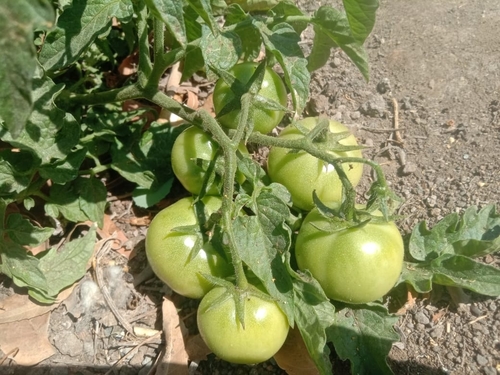
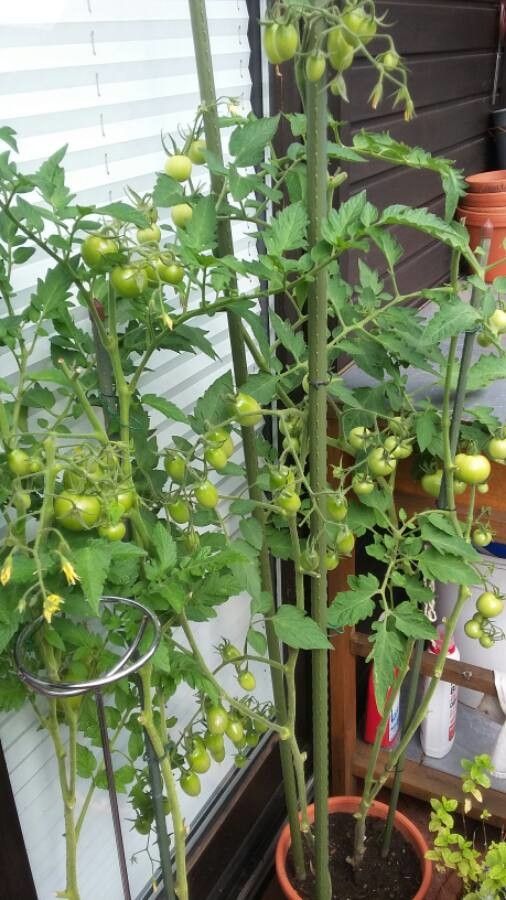
A widely cultivated herbaceous plant native to South America, known for its edible, fleshy fruit used in culinary applications worldwide.
Benefits & Perks
["edible fruits","culinary herb","aesthetic foliage","wildlife attractant (bees, butterflies, birds)"]
Botanical Classification
| Phylum: | Magnoliophyta |
| Class: | Magnoliopsida |
| Order: | Solanales |
| Family: | Solanaceae |
| Genus: | Solanum |
| Botanical Name: | Solanum lycopersicum |
Plant Characteristics
Basic Information
- Category: Fruits
- Suitable Location: outdoor garden bed or large container in full sun
- Suitable For:
- Is Weed: No
- Allergenicity: low
Environmental Needs
- Climate: {"temperatureRange":"10–35°C"}
- Hardiness: {"zones":"9–11"}
- Misting: rarely required, only if ambient humidity is very low
- Drainage: Fast-draining to prevent root rot.
- Soil Type: Well-draining, fertile loam with added organic matter (e.g., compost or aged manure).
Maintenance Level
- Maintenance Level: moderate
- Toughness Level: moderate
- Pruning Frequency: Throughout the growing season; remove suckers weekly, major pruning after fruit set.
- Pruning Intensity: Moderate; selective removal of non-essential growth without over-depleting energy reserves.
Care Details
Ideal Sunlight Coverage:
Full sun (6-8 hours of direct sunlight daily); adjust to partial shade in extreme heat to prevent scorching.
Sunlight Tolerance Tips:
Acclimate seedlings gradually to direct sun; provide shade during peak afternoon heat; ensure adequate ventilation if grown indoors.
Care Requirements
Care Difficulty
moderatemoderate
Sunlight
full sun
Rotate plants for even light exposure; use reflective mulch to enhance light absorption; monitor for signs of sunburn.
Watering
every 3–5 days during active growth, less frequently in dormant periods
Water consistently to avoid stress, focus on the root zone, and ensure soil dries slightly between waterings.
Soil
well-draining, fertile, slightly acidic potting mix
pH: Slightly acidic to neutral (6.0-6.8).
Test soil pH annually; avoid compacted soil; ensure consistent moisture retention.
Temperature
Ideal range 70-85°F (21-29°C); prefers warm conditions with slight cooling at night; sensitive to frost.
Use shade cloth in summer; protect from frost; maintain consistent temperatures for optimal fruiting.
Fertilizing
every 2 weeks during growing season with balanced liquid fertilizer, every 3 months with slow-release fertilizer
Avoid over-fertilizing to prevent nutrient burn; water before fertilizing to prevent root shock; apply evenly around the base.
Propagation
Methods
Stem cuttings or seed; cuttings are faster and more reliable for home growers.
Step-by-Step Propagation Guide
- Take 4-6 inch cuttings.
- Remove lower leaves.
- Dip in rooting hormone.
- Plant in medium.
- Maintain humidity.
- Transplant when rooted.
Best Time: Spring or early summer when temperatures are warm and growth is vigorous.
Environment
Warm (70-75°F), high humidity (70-80%), and bright indirect light with protection from direct sun.
Medium
Well-draining mix of perlite and peat moss or seed-starting medium.
Hormone
Recommended to use rooting hormone for faster and more reliable root development.
Timeline
Cuttings root in 2-4 weeks; seedlings emerge in 7-14 days and mature in 60-85 days.
Tools Needed
Pruning shears, rooting hormone, small pots, misting spray bottle, plastic wrap or propagator.
Quick Tips
Use healthy, non-flowering stems; keep soil consistently moist but not waterlogged; provide gentle bottom heat for faster rooting.
Pruning & Repotting
Pruning Guide
Method
Pinch or snip suckers when small; cut larger branches just above a leaf node or lateral branch.
Pruning Plan
Remove suckers to improve airflow and fruit size; prune lower leaves to reduce disease risk; shape for better light penetration.
Tools
Pruning shears, gloves, disinfectant (e.g., rubbing alcohol).
Checklist
Disinfect tools; prune during dry conditions; remove diseased or damaged growth first; avoid excessive pruning early in the season.
Repotting Guide
Best Season
Early spring before active growth begins; avoid repotting during flowering or fruiting.
Pot Size
Increase pot size by 2-3 inches in diameter; ensure drainage holes are present.
Method
Gently remove plant; trim roots if necessary; place in new pot with fresh soil; water thoroughly; avoid fertilizing for 2 weeks.
Suggestions
Repot if roots are crowded or soil is depleted; typically every 1-2 years or when plant outgrows its container.
Checklist
Choose appropriate pot size; prepare new soil mix; handle roots carefully; water after repotting; place in appropriate light.
Advanced Care Tips
Watering Mastery
Watering Checklist
Check soil moisture before watering; water deeply; avoid overhead watering; ensure proper drainage.
How to Apply Water Properly
Water at the base of the plant, ensuring moisture reaches the root zone (6-8 inches deep), avoid wetting foliage, and water early in the morning to minimize evaporation.
Watering Schedule Tips
Water deeply 1-2 times per week during active growth, increasing frequency to 2-3 times per week in hot or dry conditions; reduce watering in dormant periods or after fruit set to prevent cracking.
Soil Improvement
Add compost for fertility; incorporate perlite or sand for drainage; use mulch to retain moisture and suppress weeds.
Temperature Stress Management
Signs of Temperature Issues
Chlorosis or necrosis in leaves, stunted growth, blossom drop, or fruit cracking due to extreme heat or cold.
Cold Stress
Low temperatures slow growth, reduce photosynthesis, and can cause irreversible damage or death if below 50°F (10°C).
Solution: Use row covers or cloches for protection; plant in sheltered locations; avoid planting too early in spring.
Hot Stress
Excessive heat causes wilting, leaf scorch, reduced fruit set, and accelerated water loss.
Solution: Provide shade during peak heat, increase watering frequency, and mulch to retain soil moisture.
Fertilizing Guide
Fertilizing Checklist
Check fertilizer type; dilute according to instructions; apply during active growth; avoid foliage contact.
Fertilizing Method
Use balanced, water-soluble fertilizer (e.g., 10-10-10) every 2-3 weeks during growth; switch to phosphorus-rich fertilizer when flowering begins; reduce in late summer.
Common Problems & Solutions
Toxicity Warning
Cats
Slightly ToxicCats are sensitive to solanine and may experience gastrointestinal and neurological symptoms if they consume large quantities of leaves, stems, or unripe fruits. Ripe tomatoes are less likely to cause issues.
⚠️ Symptoms:
🌿 Toxic Parts:
⚡ Toxic If:
if eaten in large quantities
Dogs
Slightly ToxicDogs may experience gastrointestinal upset if they ingest large amounts of the leaves, stems, or unripe fruits due to solanine content. Ripe tomatoes are generally safe in moderation.
⚠️ Symptoms:
🌿 Toxic Parts:
⚡ Toxic If:
if eaten in large quantities
Humans
Slightly ToxicThe leaves, stems, and unripe fruits of Solanum lycopersicum contain solanine, a glycoalkaloid toxin that can cause gastrointestinal and neurological disturbances. The ripe fruit is generally safe for consumption.
⚠️ Symptoms:
🌿 Toxic Parts:
⚡ Toxic If:
if eaten in large quantities
Frequently Asked Questions
Q: Are tomatoes toxic to humans?
A: No, the fruit of the tomato plant is non-toxic to humans.
Q: Can I grow tomatoes indoors?
A: Yes, but they require ample sunlight or artificial grow lights to thrive.
Q: Why are my tomato leaves turning yellow?
A: Yellowing leaves can indicate nutrient deficiencies, overwatering, or disease; check soil conditions and watering practices.
Quick Reference

| Family: | Solanaceae |
| Care: | moderate |
| Light: | full sun |
| Water: | every 3–5 days during active |
Get Expert Care Tips
Download the Plantious app for personalized care reminders and plant identification!
Google Play App Store