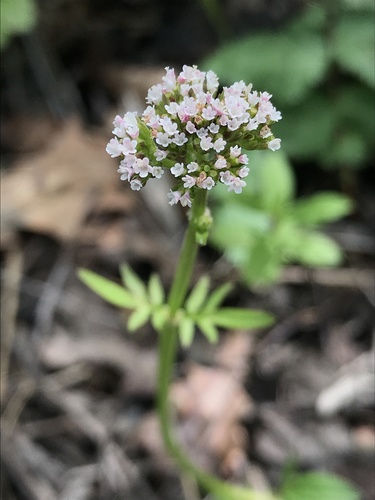
Corn Salad
valerianella eriocarpa
Also known as: ["Lambs Lettuce","Mache"]
Overview
A small, leafy green plant with tender leaves, often used in salads.
Benefits & Perks
["edible fruits","culinary herb","shade tolerant"]
Botanical Classification
| Phylum: | Magnoliophyta |
| Class: | Magnoliopsida |
| Order: | Dipsacales |
| Family: | Caprifoliaceae |
| Genus: | Valerianella |
| Botanical Name: | Valerianella eriocarpa |
Plant Characteristics
Basic Information
- Category: Herbs & Weeds
- Suitable Location: garden bed or container in a location with good air circulation
- Suitable For:
- Is Weed: No
- Allergenicity: low
Environmental Needs
- Climate: {"temperatureRange":"5–30°C"}
- Hardiness: {"zones":"3–9"}
- Misting: rarely required, only if ambient humidity is very low
- Drainage: Fast-draining to prevent waterlogging.
- Soil Type: Loamy, well-drained soil with some organic matter.
Maintenance Level
- Maintenance Level: low
- Toughness Level: moderate
- Pruning Frequency: At planting (thinning); no further pruning required.
- Pruning Intensity: Light (thinning only).
Care Details
Ideal Sunlight Coverage:
Full sun (6–8 hours/day) during cool growing seasons; partial shade in hot climates to prevent bolting.
Sunlight Tolerance Tips:
Acclimate seedlings gradually to outdoor light; protect from intense midday sun; provide shade during heatwaves.
Care Requirements
Care Difficulty
easyeasy
Sunlight
full sun to partial shade
Rotate plants for even light exposure; use shade cloth in extreme heat; avoid direct afternoon sun in summer.
Watering
every 5–7 days during active growth, reduce in winter
Water evenly to avoid water stress; avoid overhead watering to reduce disease risk; adjust frequency based on weather and soil moisture.
Soil
well-draining, sandy loam with moderate organic matter
pH: Slightly acidic to neutral (pH 6.0–7.0).
Ensure soil is loose and friable; avoid compacted soil; mulch lightly to retain moisture.
Temperature
Cool temperatures (60–70°F / 15–21°C) ideal for growth; tolerates light frost but bolts in heat above 75°F (24°C).
Plant in early spring or fall for optimal temps; use mulch to regulate soil temp; avoid planting in midsummer.
Fertilizing
every 4–6 weeks during growing season
Fertilize sparingly; side-dress with compost instead of synthetic fertilizers; stop feeding once bolting begins.
Propagation
Methods
Direct seeding; does not transplant well due to taproot sensitivity.
Step-by-Step Propagation Guide
- Prepare soil.
- Sow seeds 1/4 inch deep.
- Thin seedlings to 2–3 inches apart.
- Keep moist until germination.
Best Time: Early spring or late summer for cool-season growth.
Environment
Cool temperatures, full sun, and consistent moisture for germination.
Medium
Well-drained garden soil; no special medium needed for direct seeding.
Hormone
Not applicable for direct seeding.
Timeline
Germination in 7–14 days; harvest in 30–45 days.
Tools Needed
Garden trowel, watering can, seed spreader.
Quick Tips
Sow thickly as germination can be uneven; keep soil consistently moist; harvest young for tender leaves.
Pruning & Repotting
Pruning Guide
Method
Snip excess seedlings at soil level to allow remaining plants space to grow.
Pruning Plan
Minimal pruning needed; focus on thinning seedlings to prevent overcrowding.
Tools
Small scissors or garden shears.
Checklist
Thin seedlings to 2–3 inches apart; remove weak or damaged plants; avoid cutting too close to remaining plants.
Repotting Guide
Best Season
N/A
Pot Size
N/A
Method
N/A
Suggestions
Not applicable; grown directly in garden beds or containers with adequate space for taproots.
Checklist
N/A
Advanced Care Tips
Watering Mastery
Watering Checklist
Check soil moisture daily; water when top inch is dry; avoid waterlogging; use room temperature water.
How to Apply Water Properly
Water at the base of the plant, ensuring even moisture distribution without saturating the soil. Water early in the morning to minimize evaporation and fungal growth.
Watering Schedule Tips
Water lightly and frequently during germination and early growth, then reduce frequency as plants mature. Allow soil to dry slightly between waterings to prevent root rot.
Soil Improvement
Add compost for fertility; mix in sand or perlite for drainage; avoid heavy clay soils.
Temperature Stress Management
Signs of Temperature Issues
Bolting (premature flowering) in heat; stunted growth or yellowing in cold stress.
Cold Stress
Slows growth but generally tolerates light frost; prolonged cold can cause leaf discoloration.
Solution: Use row covers for frost protection; plant in sheltered spots; avoid overwatering in cold.
Hot Stress
Causes premature bolting, bitter taste, and reduced yield; wilting and leaf scorch may occur.
Solution: Provide shade during peak heat; increase watering; harvest early before bolting.
Fertilizing Guide
Fertilizing Checklist
Use diluted fertilizer; apply at planting only; avoid nitrogen-heavy formulas.
Fertilizing Method
Light feeding with balanced, water-soluble fertilizer at planting; avoid high-nitrogen fertilizers to prevent bolting.
Common Problems & Solutions
Toxicity Warning
Cats
Non-toxicValerianella eriocarpa is not considered toxic to cats when ingested in normal amounts. It is not known to cause adverse effects in felines and can be safely consumed as part of a balanced diet or as a treat.
🌿 Toxic Parts:
⚡ Toxic If:
if eaten in normal amounts
Dogs
Non-toxicValerianella eriocarpa is not considered toxic to dogs when ingested in normal amounts. It is not known to cause adverse effects in canines and can be safely consumed as part of a balanced diet or as a treat.
🌿 Toxic Parts:
⚡ Toxic If:
if eaten in normal amounts
Humans
Non-toxicValerianella eriocarpa, commonly known as corn salad or lamb's lettuce, is generally considered non-toxic and is widely consumed as a leafy green vegetable. It is rich in vitamins and minerals and is typically safe for human consumption when prepared and eaten in normal culinary amounts.
🌿 Toxic Parts:
⚡ Toxic If:
if eaten in normal culinary amounts
Frequently Asked Questions
Q: Is Corn Salad easy to grow?
A: Yes, it is relatively easy to grow and requires minimal maintenance.
Q: Can Corn Salad be eaten raw?
A: Yes, its tender leaves are commonly used in salads.
Q: Does Corn Salad attract wildlife?
A: It is not particularly known for attracting wildlife but is safe for pets and humans.
Quick Reference
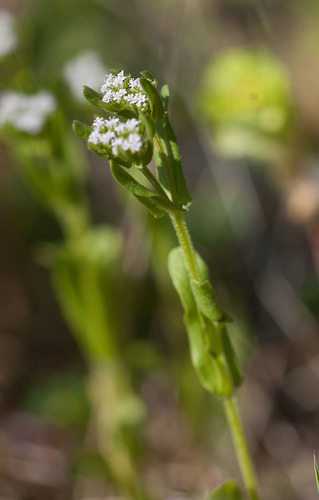
| Family: | Caprifoliaceae |
| Care: | easy |
| Light: | full sun to partial shade |
| Water: | every 5–7 days during active |
Get Expert Care Tips
Download the Plantious app for personalized care reminders and plant identification!
Google Play App Store