Butzii Air Plant
tillandsia butzii
Also known as: ["Butzii Air Plant","Butzii Tillandsia"]
Overview
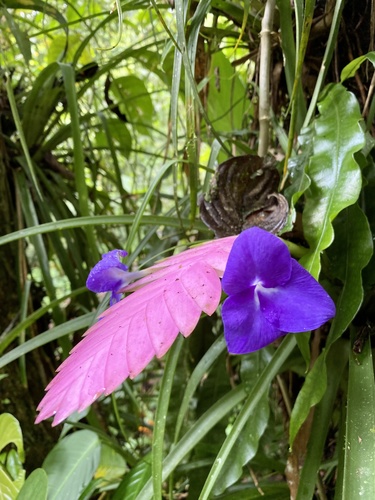
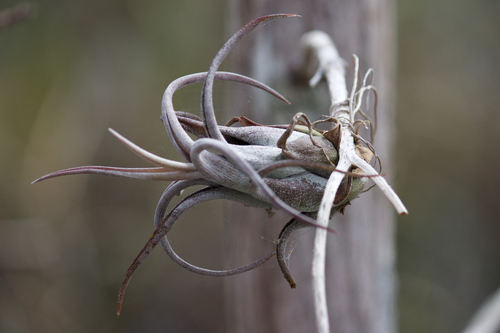
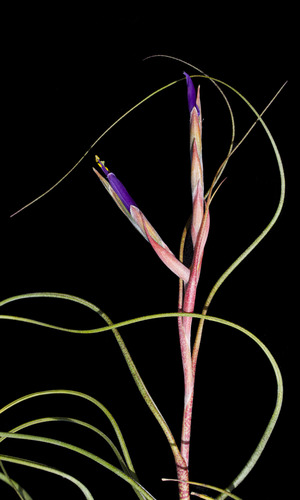
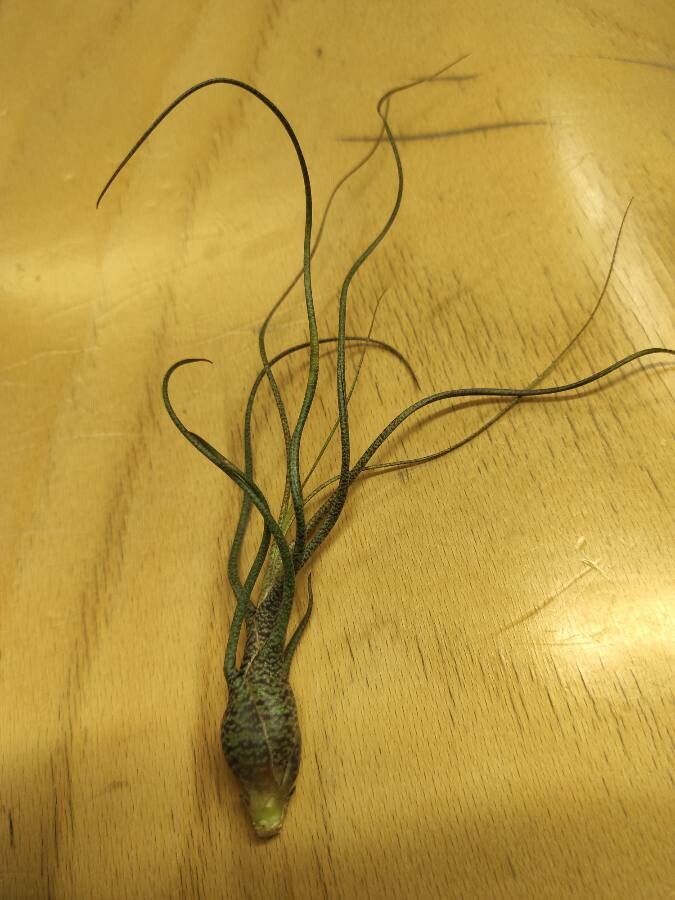
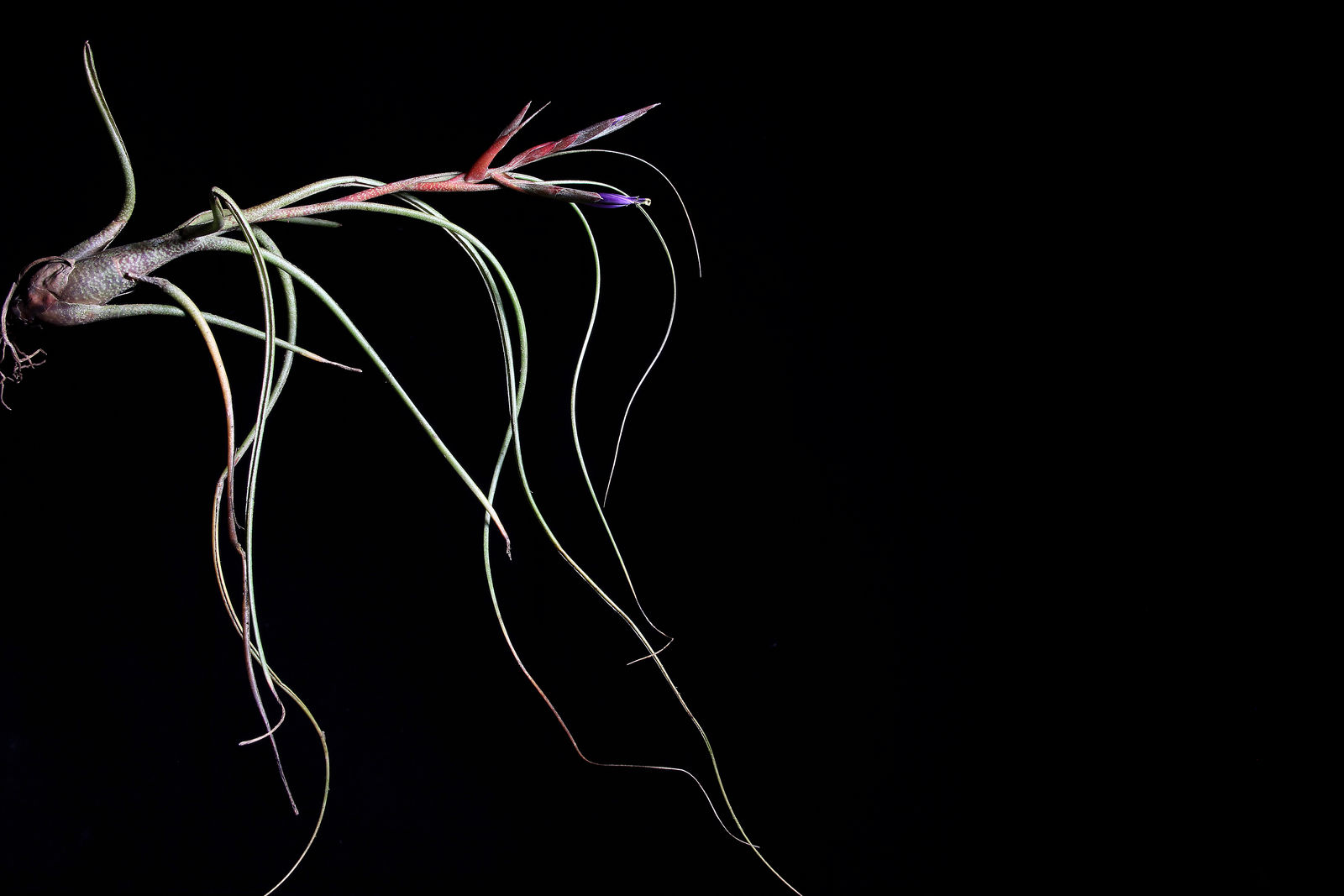
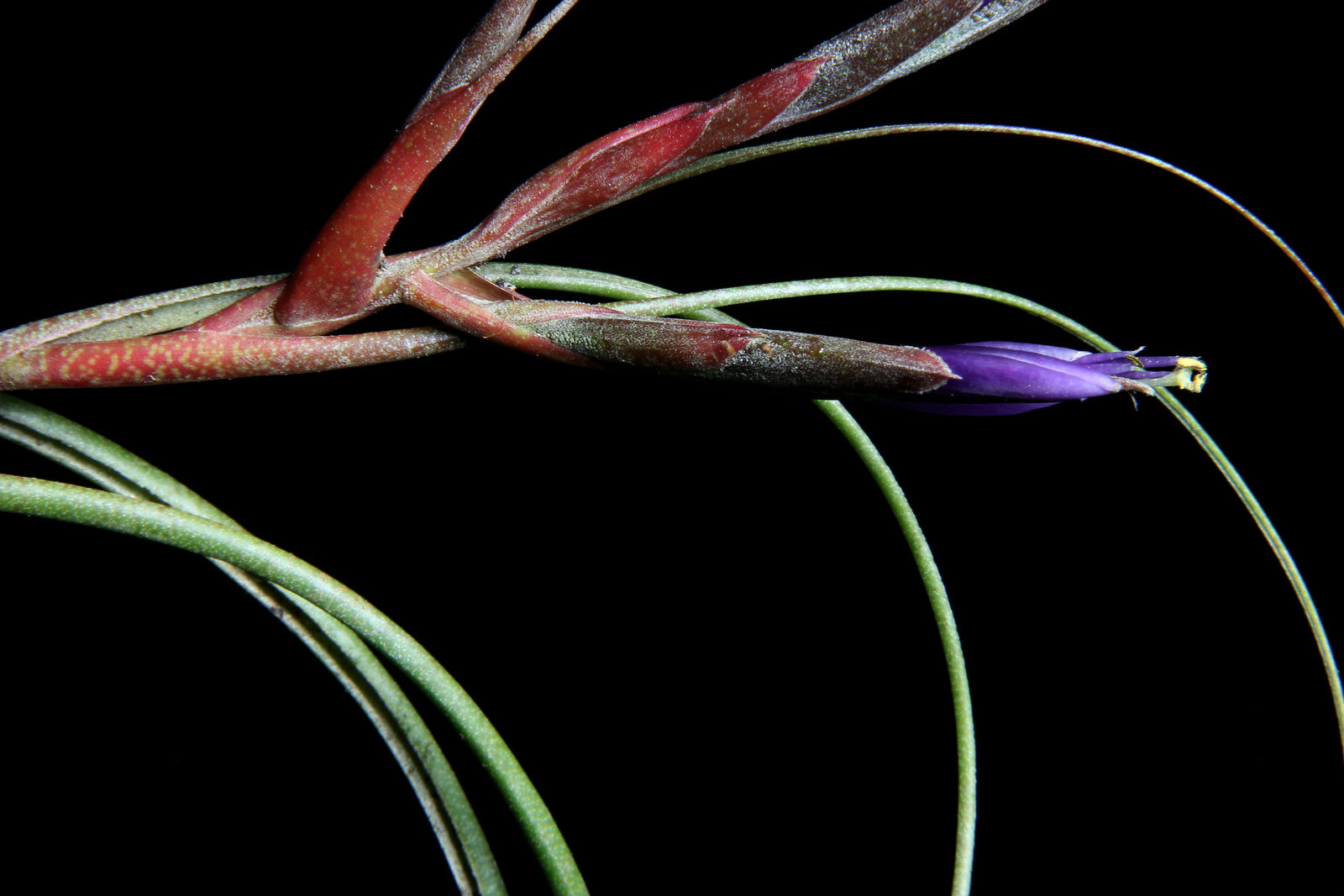
A species of air plant native to Central and South America, known for its striking pink and purple flowers and unique rosette form.
Benefits & Perks
["long-flowering","low maintenance","aesthetic foliage","rare/collector’s item"]
Botanical Classification
| Phylum: | Magnoliophyta |
| Class: | Liliopsida |
| Order: | Poales |
| Family: | Bromeliaceae |
| Genus: | Tillandsia |
| Botanical Name: | Tillandsia butzii |
Plant Characteristics
Basic Information
- Category: Flowers
- Suitable Location: indoor or outdoor mounting in bright, humid conditions
- Suitable For:
- Is Weed: No
- Allergenicity: low
Environmental Needs
- Climate: {"temperatureRange":"10–30°C"}
- Hardiness: {"zones":"9–11"}
- Misting: every 2–3 days in dry climates
- Drainage: Fast-draining; no standing water should be retained.
- Soil Type: Not applicable for mounted plants; for potted plants, use a very well-draining mix like orchid bark, perlite, and charcoal.
Maintenance Level
- Maintenance Level: low
- Toughness Level: moderate
- Pruning Frequency: As needed, typically every 6–12 months or when dead leaves are noticeable.
- Pruning Intensity: Light; remove only dead, brown, or diseased leaves.
Care Details
Ideal Sunlight Coverage:
Bright indirect light for 4–6 hours daily; tolerates some direct morning sun but avoid harsh afternoon sun.
Sunlight Tolerance Tips:
Acclimate gradually to direct light; protect from intense sun to prevent scorching; indoor placement near east or north windows is ideal.
Care Requirements
Care Difficulty
moderateeasy
Sunlight
bright, indirect light
Rotate plant weekly for even growth; use sheer curtains to filter strong light; avoid direct afternoon sun exposure.
Watering
every 7–10 days by soaking in water for 20–30 minutes
Soak thoroughly rather than mist; ensure complete drying between waterings; adjust frequency with temperature and humidity.
Soil
no soil required; epiphytic mounting on bark or cork
pH: Slightly acidic to neutral (pH 5.5–6.5).
Never use standard potting soil; ensure water flows freely through the medium; maintain good air circulation around roots.
Temperature
Ideal range 60–85°F (15–29°C); prefers warm, humid conditions but can tolerate brief dips to 50°F (10°C).
Avoid drafty areas; maintain humidity above 50%; adjust watering with temperature changes.
Fertilizing
every 4–6 weeks during active growth with diluted bromeliad fertilizer
Dilute fertilizer to quarter strength; apply during soaking; skip fertilizing in dormant periods.
Propagation
Methods
By offsets (pups) or seed; pups are the most reliable method for home growers.
Step-by-Step Propagation Guide
- Separate pup from parent.
- Allow cut end to callous for a day.
- Plant in medium or mount.
- Water sparingly until roots form.
Best Time: After the parent plant has flowered or when pups are at least one-third the parent's size (typically spring–summer).
Environment
Warm (70–80°F), high humidity (60–80%), bright indirect light, and good air circulation.
Medium
Well-draining mix of orchid bark, perlite, and sphagnum moss; can also be mounted on bark or cork.
Hormone
Not necessary for pups; optional for seeds to improve germination rates.
Timeline
Pups may root in 2–4 weeks; establishment takes 6–12 months; seeds take 1–3 years to mature.
Tools Needed
Clean knife or scissors, mounting material (if applicable), rooting hormone (optional).
Quick Tips
Do not overwater new pups; provide gentle air movement to prevent rot; ensure pups are firmly attached if mounted.
Pruning & Repotting
Pruning Guide
Method
Snip leaves at the base with clean, sharp scissors; avoid cutting into healthy tissue.
Pruning Plan
Minimal pruning needed; focus on removing dead or damaged leaves to maintain appearance and health.
Tools
Clean, sharp scissors or pruning shears.
Checklist
Inspect for dead leaves; sanitize tools; cut cleanly at base; dispose of removed material.
Repotting Guide
Best Season
Spring or early summer when the plant is actively growing.
Pot Size
If repotting in a container, choose one 1–2 inches larger in diameter than the current pot.
Method
For mounted plants, secure with wire or glue; for potted plants, use a well-draining mix and ensure no waterlogging.
Suggestions
Not typically required unless mounting or if growing in a container; pups can be separated and mounted once mature.
Checklist
Prepare new medium; gently handle roots; secure plant; water lightly after repotting.
Advanced Care Tips
Watering Mastery
Watering Checklist
Soak duration; drying time; water temperature; ventilation.
How to Apply Water Properly
Submerge the entire plant in room-temperature water for 30 minutes; shake gently to remove excess water; place in a well-ventilated area to dry completely within 4 hours.
Watering Schedule Tips
Water 2–3 times per week in warm months, reducing to once every 1–2 weeks in cool months; soak in water for 30 minutes, then shake off excess and dry completely.
Soil Improvement
Add perlite or coarse sand to improve drainage; incorporate orchid bark for aeration.
Temperature Stress Management
Signs of Temperature Issues
Brown leaf tips (too hot); pale or bleached leaves (too much sun); stunted growth (too cold).
Cold Stress
Slows metabolism; causes leaf discoloration; increases susceptibility to rot if wet.
Solution: Move to a warmer location; avoid watering during cold spells; provide gentle warmth if possible.
Hot Stress
Dehydrates quickly; may cause leaves to curl or wrinkle; increases water needs.
Solution: Increase watering frequency; provide shade during peak heat; improve air circulation.
Fertilizing Guide
Fertilizing Checklist
Fertilizer type; dilution rate; application timing; seasonal adjustment.
Fertilizing Method
Use a bromeliad-specific fertilizer or diluted orchid fertilizer (¼ strength) monthly during growing season (spring–summer); avoid fertilizing in winter.
Common Problems & Solutions
Toxicity Warning
Cats
Non-toxicTillandsia butzii is not known to be toxic to cats. There are no reported adverse effects from ingestion or contact with this plant.
🌿 Toxic Parts:
⚡ Toxic If:
if eaten
Dogs
Non-toxicTillandsia butzii is not known to be toxic to dogs. There are no reported adverse effects from ingestion or contact with this plant.
🌿 Toxic Parts:
⚡ Toxic If:
if eaten
Humans
Non-toxicTillandsia butzii is not known to exhibit toxic effects in humans. It is generally considered safe for handling and consumption, though ingestion is not recommended.
🌿 Toxic Parts:
⚡ Toxic If:
if eaten
Frequently Asked Questions
Q: How often should I water Tillandsia butzii?
A: Water every 7-10 days by misting or soaking in water for 20-30 minutes.
Q: Does Tillandsia butzii need soil?
A: No, it is an air plant and grows without soil, attaching to surfaces or hanging freely.
Q: Can Tillandsia butzii survive in low light?
A: It prefers bright, indirect light but can tolerate lower light conditions, though flowering may be reduced.
Quick Reference
| Family: | Bromeliaceae |
| Care: | moderate |
| Light: | bright, indirect light |
| Water: | every 7–10 days by soaking i |
Get Expert Care Tips
Download the Plantious app for personalized care reminders and plant identification!
Google Play App Store