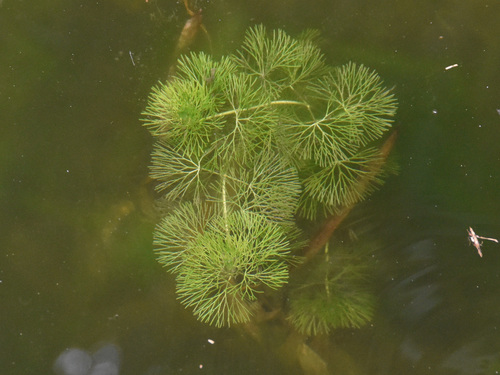
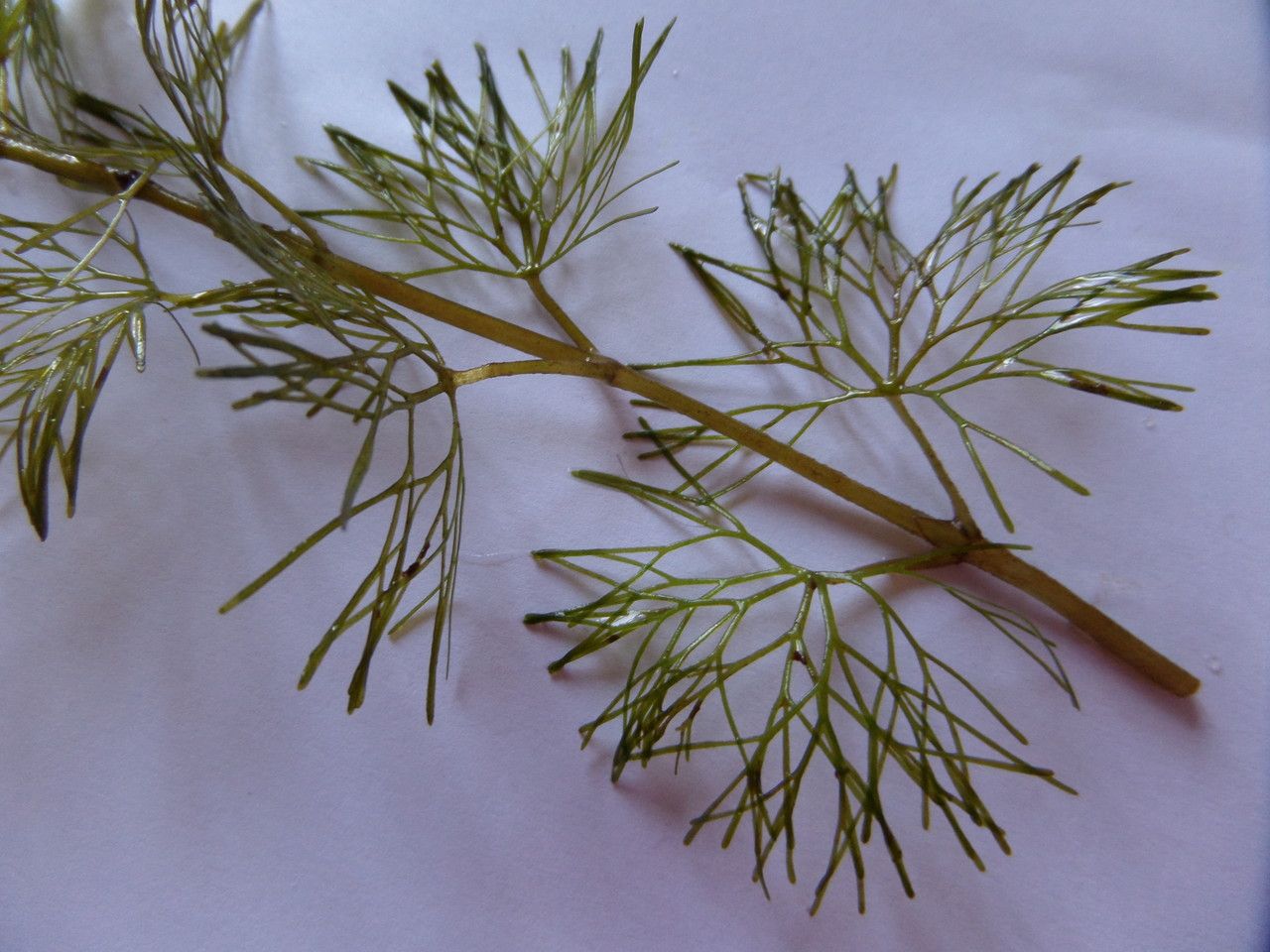
Cherry Cabomba, Carolina Fanwort
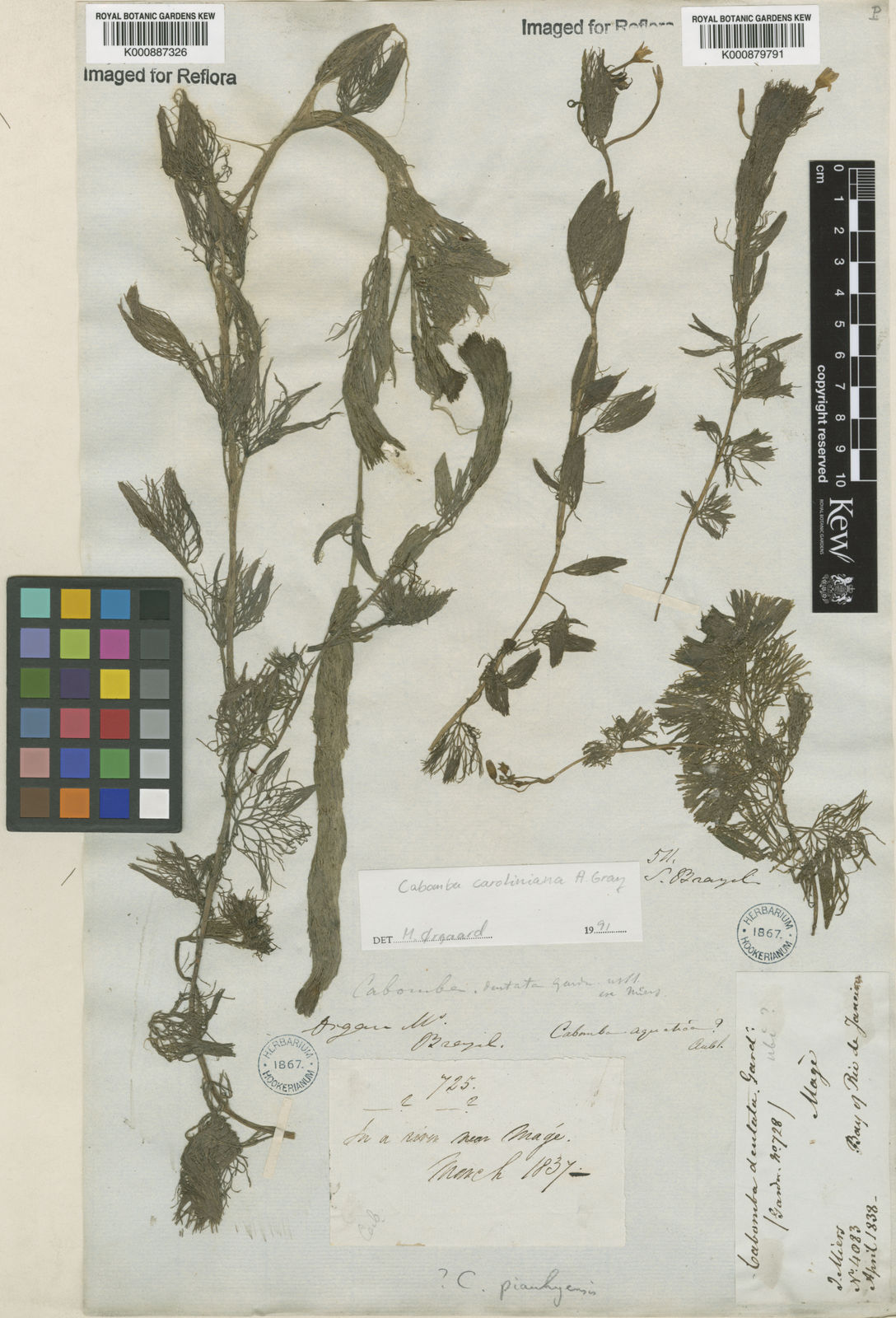
cabomba caroliniana
Also known as: ["Cherry Cabomba","Carolina Fanwort"]
Overview
An aquatic plant with delicate, fan-shaped leaves, often used in aquariums for its decorative foliage.
Benefits & Perks
["aesthetic foliage","low maintenance"]
Botanical Classification
| Phylum: | Magnoliophyta |
| Class: | Magnoliopsida |
| Order: | Nymphaeales |
| Family: | Cabombaceae |
| Genus: | Cabomba |
| Botanical Name: | Cabomba caroliniana |
Plant Characteristics
Basic Information
- Category: Leaf Plants
- Suitable Location: Freshwater aquarium or pond
- Suitable For:
- Is Weed: No
- Allergenicity: low
Environmental Needs
- Climate: {"temperatureRange":"18–28°C"}
- Hardiness: {"zones":"9–11"}
- Misting: Not required
- Drainage: Not applicable; submerged environment
- Soil Type: Aquarium substrate or specialized aquatic plant mix
Maintenance Level
- Maintenance Level: moderate
- Toughness Level: moderate
- Pruning Frequency: As needed; typically every 1–2 months
- Pruning Intensity: Light to moderate
Care Details
Ideal Sunlight Coverage:
Bright indirect light 6–8 hours/day; adjust for intensity to prevent leaf burn.
Sunlight Tolerance Tips:
Acclimate to higher light gradually; avoid direct sunlight; provide shade during peak hours for outdoor placement.
Care Requirements
Care Difficulty
easyeasy
Sunlight
Low to moderate light
Rotate plant for even growth; use sheer curtains to diffuse intense light; monitor for signs of light stress.
Watering
Keep water level consistent, ensuring the crown is submerged
Ensure water level remains stable; avoid water stagnation; use dechlorinated water for sensitive species.
Soil
Not applicable (aquatic)
pH: 6.0–7.5
Use dechlorinated water; avoid compacted substrate; replenish nutrients as needed.
Temperature
Ideal range 20–28°C (68–82°F); cooler temperatures tolerated but growth slows below 18°C.
Monitor ambient temperature; avoid sudden fluctuations; use a thermometer for accuracy.
Fertilizing
Every 4–6 weeks during active growth with liquid aquarium fertilizer
Apply fertilizer after water changes; target root zone; flush substrate occasionally to prevent buildup.
Propagation
Methods
Stem cuttings
Step-by-Step Propagation Guide
- Select healthy stem.
- Cut below node.
- Remove lower leaves.
- Place in medium.
- Maintain conditions.
Best Time: Spring or early summer when growth is active
Environment
High humidity, warm temperatures (24–26°C), indirect light
Medium
Aquarium substrate or water
Hormone
Not required but can expedite rooting
Timeline
2–4 weeks for roots; 1–2 months to establish
Tools Needed
Sharp scissors, rooting medium, container
Quick Tips
Use multiple cuttings for better success; change water regularly if using aquatic method; ensure nodes are submerged.
Pruning & Repotting
Pruning Guide
Method
Snip stems just above a node or junction
Pruning Plan
Remove dead or decaying stems to maintain plant health and aesthetics.
Tools
Sharp scissors or pruning shears
Checklist
Sterilize tools; prune dead material; avoid over-pruning healthy stems.
Repotting Guide
Best Season
Spring before active growth
Pot Size
Same size container; focus on substrate renewal
Method
Gently remove plant; refresh substrate; ensure proper water level
Suggestions
Not typically required unless substrate is depleted or compacted; repot every 1–2 years.
Checklist
Check root health; replace substrate; maintain water level.
Advanced Care Tips
Watering Mastery
Watering Checklist
Check water level daily; change water weekly; monitor for algae growth.
How to Apply Water Properly
Maintain water level above the root zone; ensure gentle water flow to avoid disturbing substrate; perform water changes every 1–2 weeks.
Watering Schedule Tips
Water consistently to maintain 2–4 inches of water above the substrate; adjust for evaporation rates in warmer months.
Soil Improvement
Add nutrient-rich substrate; incorporate organic matter for slow release.
Temperature Stress Management
Signs of Temperature Issues
Yellowing leaves, stunted growth, or leaf drop in extreme conditions.
Cold Stress
Growth cessation, leaf discoloration, and potential tissue damage below 10°C.
Solution: Move to a warmer location; insulate container; avoid drafts.
Hot Stress
Wilting, leaf scorch, or reduced photosynthesis in temperatures above 30°C.
Solution: Increase humidity, provide shade, and ensure adequate water supply.
Fertilizing Guide
Fertilizing Checklist
Check fertilizer concentration; apply during active growth; avoid over-fertilization.
Fertilizing Method
Use liquid fertilizer diluted to half strength every 4–6 weeks during growing season; avoid winter fertilization.
Common Problems & Solutions
Toxicity Warning
Cats
Slightly ToxicCats may experience mild gastrointestinal upset if they consume Cabomba caroliniana. The plant is not highly toxic, but ingestion can lead to discomfort.
⚠️ Symptoms:
🌿 Toxic Parts:
⚡ Toxic If:
if eaten
Dogs
Slightly ToxicIn dogs, ingestion of Cabomba caroliniana may result in mild gastrointestinal upset. The plant is not considered highly toxic, but large quantities could cause discomfort.
⚠️ Symptoms:
🌿 Toxic Parts:
⚡ Toxic If:
if eaten
Humans
Slightly ToxicCabomba caroliniana contains compounds that can cause mild gastrointestinal distress when ingested in significant quantities. The plant is not typically considered highly toxic to humans, but consumption may lead to discomfort.
⚠️ Symptoms:
🌿 Toxic Parts:
⚡ Toxic If:
if eaten
Frequently Asked Questions
Q: Is Cabomba caroliniana toxic to pets?
A: There is no reliable information available regarding its toxicity to pets.
Q: How do I care for Cabomba caroliniana in an aquarium?
A: Provide moderate lighting, CO2 supplementation, and nutrient-rich substrate for optimal growth.
Q: Why are the leaves of my Cabomba turning yellow?
A: Yellowing leaves may indicate insufficient light, nutrient deficiency, or poor water conditions.
Quick Reference

| Family: | Cabombaceae |
| Care: | easy |
| Light: | Low to moderate light |
| Water: | Keep water level consistent, e |
Get Expert Care Tips
Download the Plantious app for personalized care reminders and plant identification!
Google Play App Store