Creosote Bush
larrea tridentata
Also known as: ["Chaparral","Greasewood"]
Overview
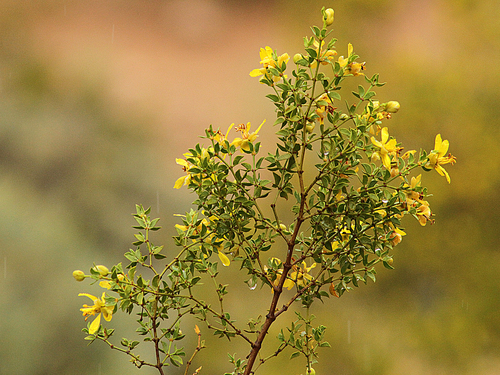
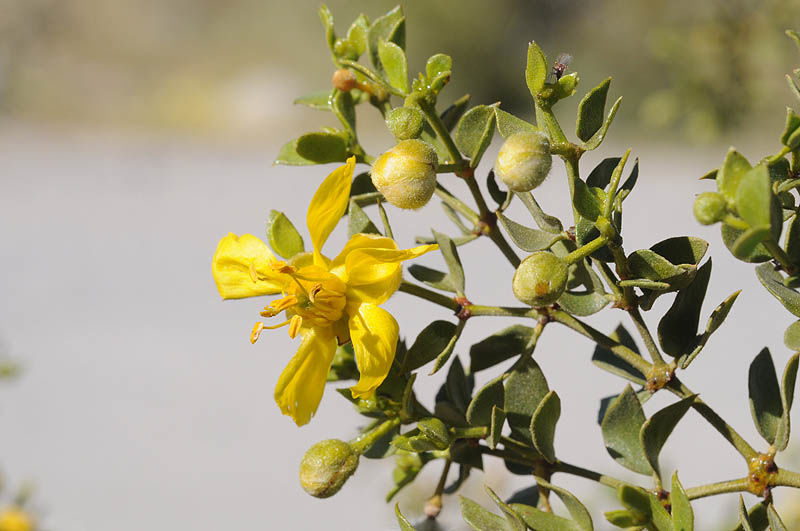
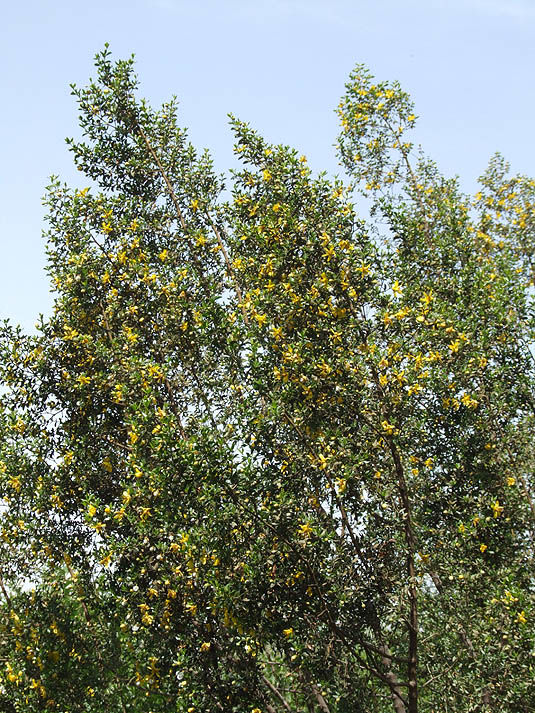
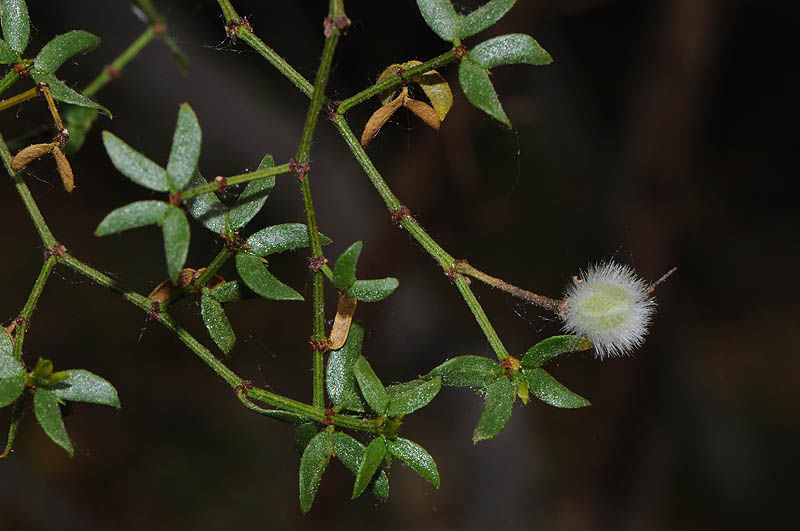
A long-lived, drought-tolerant evergreen shrub native to the southwestern United States and Mexico, known for its distinctive resinous scent after rainfall.
Benefits & Perks
["drought tolerant","low maintenance","wildlife attractant (bees, butterflies, birds)"]
Botanical Classification
| Phylum: | Magnoliophyta |
| Class: | Magnoliopsida |
| Order: | Zygophyllales |
| Family: | Zygophyllaceae |
| Genus: | Larrea |
| Botanical Name: | Larrea tridentata |
Plant Characteristics
Basic Information
- Category: Shrubs
- Suitable Location: arid or semi-arid regions, xeriscaped gardens
- Suitable For:
- Is Weed: No
- Allergenicity: low
Environmental Needs
- Climate: {"temperatureRange":"−10–50°C"}
- Hardiness: {"zones":"7–11"}
- Misting: not required
- Drainage: Fast-draining; essential to prevent waterlogging.
- Soil Type: Well-draining, sandy, or gravelly soil with low organic matter.
Maintenance Level
- Maintenance Level: very low
- Toughness Level: very high
- Pruning Frequency: As needed, typically every 1–2 years or when branches become overgrown.
- Pruning Intensity: Light to moderate; avoid heavy pruning unless necessary for health or shape.
Care Details
Ideal Sunlight Coverage:
Full sun (6–8 hours of direct sunlight daily); tolerates intense desert sun but benefits from partial shade in extreme heat.
Sunlight Tolerance Tips:
Acclimate gradually if moving from shade to full sun; protect from intense midday sun in summer; ensure adequate light indoors with a south-facing window.
Care Requirements
Care Difficulty
easymoderate
Sunlight
full sun
Full sun is essential; rotate plant for even growth; avoid sudden light changes.
Watering
every 4–6 weeks, or when soil is completely dry
Water thoroughly only when the soil is completely dry; avoid frequent shallow watering; ensure excellent drainage to prevent root rot.
Soil
well-drained, sandy or gravelly soil
pH: Slightly alkaline to neutral (pH 7.0–8.0).
Ensure rapid drainage; use sandy mix; avoid water-retentive soils.
Temperature
Adaptable to extreme temperatures, thriving in 70–100°F (21–38°C); tolerates brief freezes down to 0°F (-18°C) but prefers arid conditions.
Protect from prolonged freezing; avoid overwatering in cold; provide shade in intense summer heat.
Fertilizing
rarely required, if at all
Avoid over-fertilizing; fertilize only if growth is poor; use a cactus-specific blend if necessary.
Propagation
Methods
Stem cuttings or seed; cuttings root more reliably under controlled conditions.
Step-by-Step Propagation Guide
- Take 4–6 inch cuttings.
- Remove lower leaves.
- Dip in rooting hormone.
- Plant in medium.
- Keep moist and warm.
Best Time: Spring or early summer when the plant is actively growing.
Environment
Warm (70–85°F), high humidity (70–80%), and bright indirect light.
Medium
Well-draining mix of sand, perlite, and a small amount of peat moss.
Hormone
Rooting hormone is recommended to improve success rates.
Timeline
Cuttings may root in 4–8 weeks; seed germination can take several weeks to months.
Tools Needed
Pruning shears, rooting hormone, small pots, well-draining medium.
Quick Tips
Use fresh cuttings; maintain humidity with a plastic cover; avoid overwatering.
Pruning & Repotting
Pruning Guide
Method
Selective pruning of dead or crossing branches; shape as desired.
Pruning Plan
Minimal pruning needed; focus on removing dead or damaged branches to maintain shape and health.
Tools
Pruning shears, gloves, disinfectant for tools.
Checklist
Disinfect tools; prune dead/damaged wood; shape lightly; clean up debris.
Repotting Guide
Best Season
Early spring before new growth begins.
Pot Size
One size up from current pot; ensure good drainage holes.
Method
Use a well-draining cactus mix; gently tease out circling roots; place in a pot only slightly larger than the root ball.
Suggestions
Repot only if the plant becomes root-bound or outgrows its container; infrequent repotting is preferred.
Checklist
Check root boundness; use fresh soil; minimal root disturbance; ensure drainage.
Advanced Care Tips
Watering Mastery
Watering Checklist
Check soil dryness; water deeply; ensure drainage; adjust frequency by season.
How to Apply Water Properly
Water directly at the root zone until water drains from the bottom; ensure the soil dries out completely between waterings; water early in the morning to minimize evaporation.
Watering Schedule Tips
Water deeply but infrequently, mimicking desert conditions. Reduce watering in winter to once every 4–6 weeks, increasing to every 2–3 weeks in summer if rainfall is scarce.
Soil Improvement
Add coarse sand, perlite, or gravel to improve drainage; avoid heavy compost or peat moss.
Temperature Stress Management
Signs of Temperature Issues
Wilting in extreme heat; leaf drop or browning in prolonged cold; stunted growth in overly humid conditions.
Cold Stress
Slows growth; may cause leaf drop; vulnerable to root damage if soil remains wet in cold.
Solution: Ensure well-drained soil; protect from frost with mulch; move potted plants to a sheltered location if temperatures drop below 20°F (-7°C).
Hot Stress
Can wilt or show leaf scorch in excessive heat; may drop leaves to conserve water.
Solution: Provide some afternoon shade in extreme heat; increase watering slightly if soil dries too quickly; ensure good air circulation.
Fertilizing Guide
Fertilizing Checklist
Check growth needs; use low-nitrogen fertilizer; apply sparingly in spring.
Fertilizing Method
Generally does not require fertilization; if needed, use a low-nitrogen, slow-release fertilizer in spring at half strength.
Common Problems & Solutions
Toxicity Warning
Cats
ToxicCats are also at risk of toxicity from Larrea tridentata, with NDGA being particularly harmful. The plant can cause severe gastrointestinal distress and potential kidney damage in felines.
⚠️ Symptoms:
🌿 Toxic Parts:
⚡ Toxic If:
if eaten
Dogs
ToxicDogs are susceptible to toxicity from Larrea tridentata due to the presence of NDGA and other bioactive compounds. Ingestion can lead to gastrointestinal upset and potential kidney damage, especially with repeated exposure.
⚠️ Symptoms:
🌿 Toxic Parts:
⚡ Toxic If:
if eaten
Humans
ToxicLarrea tridentata contains nordihydroguaiaretic acid (NDGA) and other lignans that can be toxic to humans, particularly in large quantities. Chronic ingestion may lead to reduced kidney function and other systemic effects due to the accumulation of these compounds.
⚠️ Symptoms:
🌿 Toxic Parts:
⚡ Toxic If:
if eaten
Frequently Asked Questions
Q: Is Creosote Bush toxic to pets?
A: It is mildly toxic to dogs and cats if ingested in large quantities.
Q: How does the Creosote Bush adapt to drought?
A: It has deep root systems and waxy leaves to minimize water loss.
Q: Does the Creosote Bush have any medicinal uses?
A: Historically, it has been used in traditional medicine for its anti-inflammatory and antimicrobial properties, though modern use is limited due to potential toxicity.
Quick Reference

| Family: | Zygophyllaceae |
| Care: | easy |
| Light: | full sun |
| Water: | every 4–6 weeks, or when soi |
Get Expert Care Tips
Download the Plantious app for personalized care reminders and plant identification!
Google Play App Store