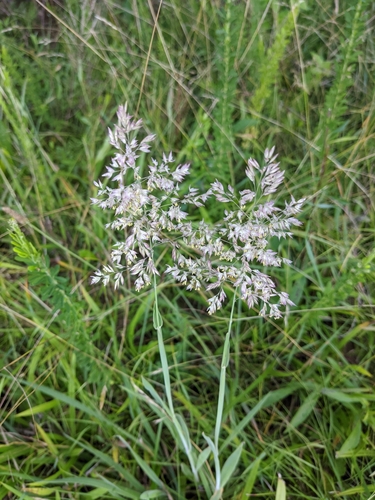
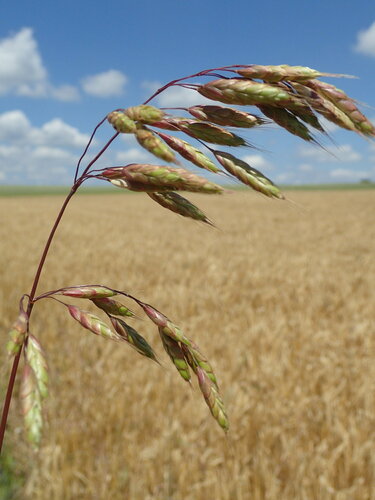
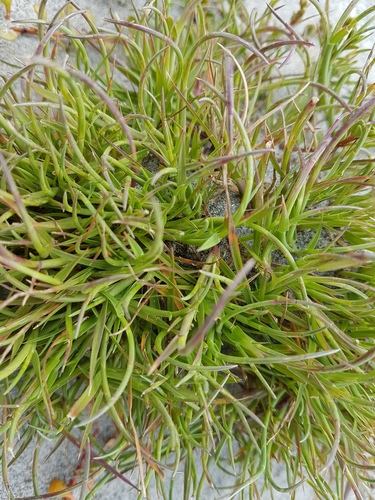
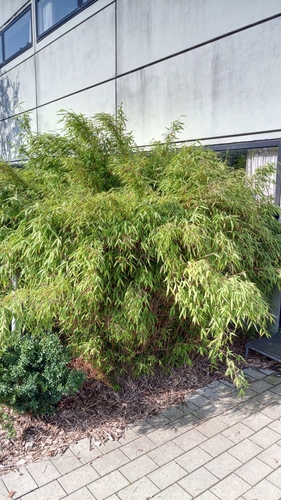
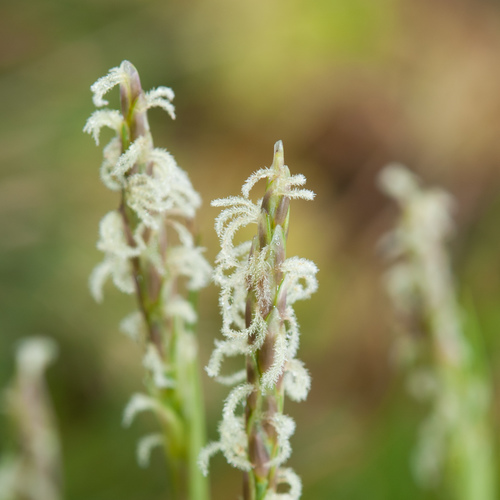
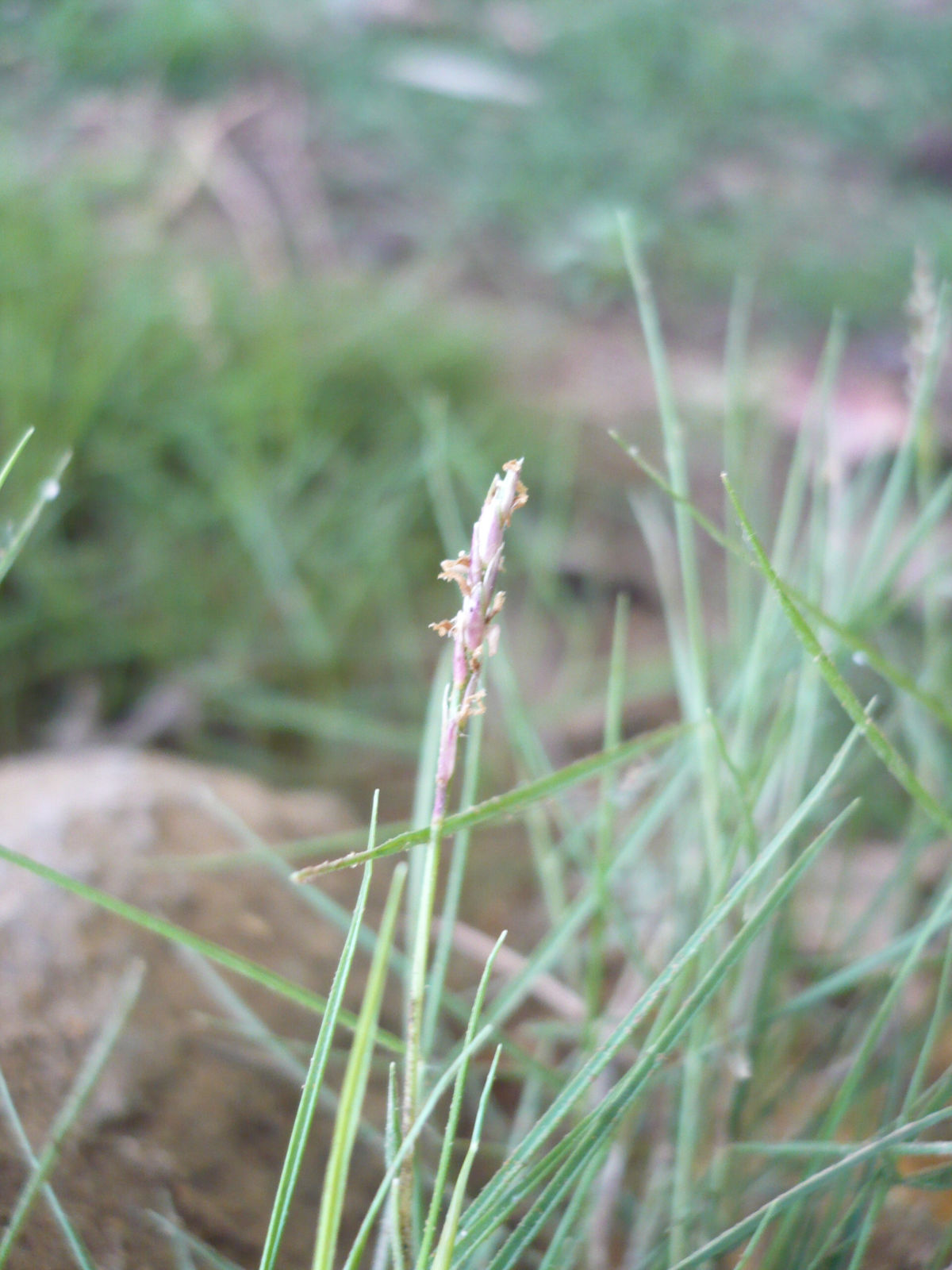
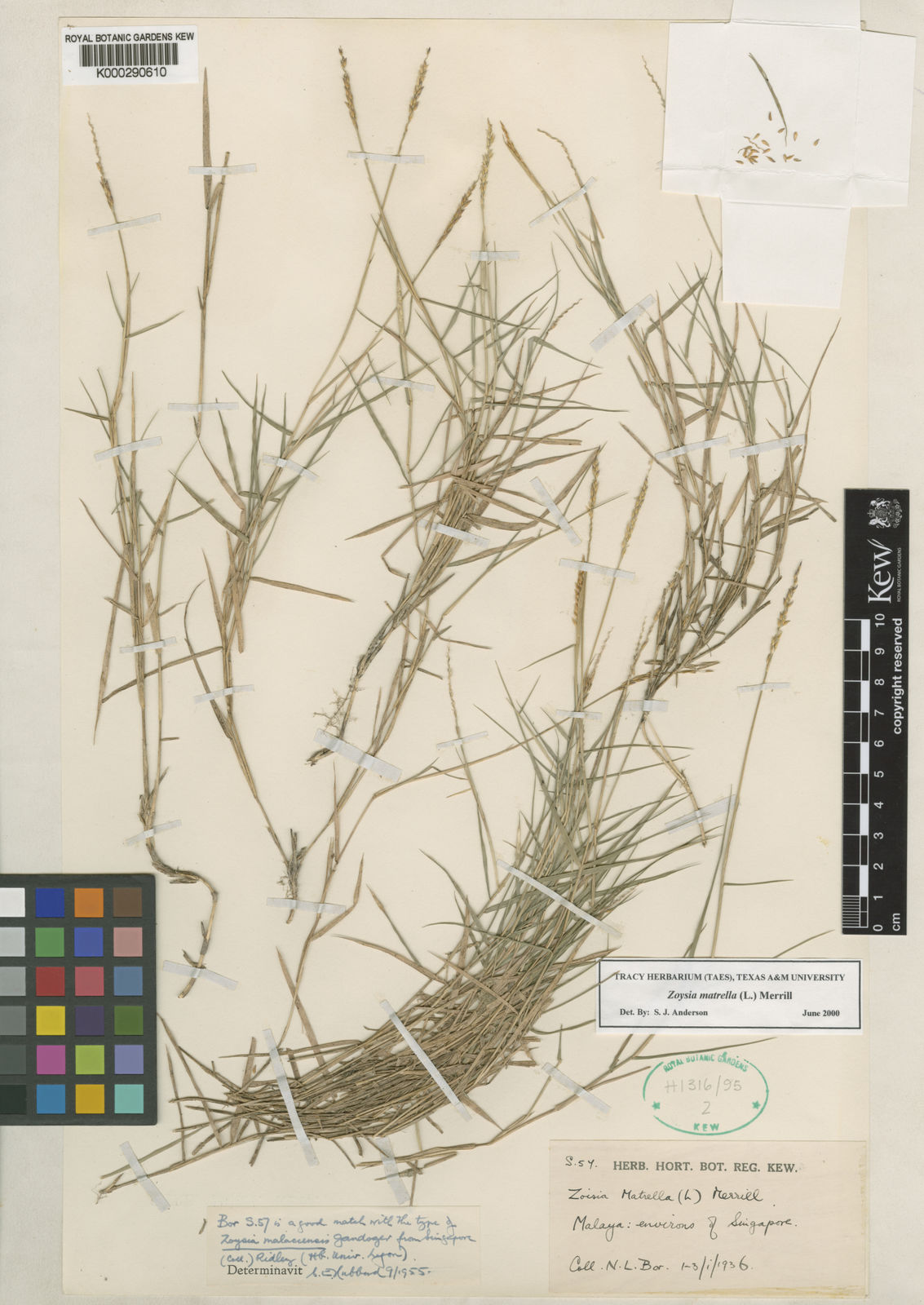
Manila grass
zoysia matrella
Also known as: ["Manila grass","Manila zoysia"]
Overview
A warm-season, creeping grass species native to Southeast Asia, known for its dense, fine-textured turf and tolerance to salt and shade.
Benefits & Perks
["drought tolerant","shade tolerant","deer resistant","low maintenance","aesthetic foliage"]
Botanical Classification
| Phylum: | Magnoliophyta |
| Class: | Liliopsida |
| Order: | Poales |
| Family: | Poaceae |
| Genus: | Zoysia |
| Botanical Name: | Zoysia matrella |
Plant Characteristics
Basic Information
- Category: Grasses
- Suitable Location: lawn areas, golf course fairways, or ground cover in warm climates
- Suitable For:
- Is Weed: No
- Allergenicity: low
Environmental Needs
- Climate: {"temperatureRange":"10–35°C"}
- Hardiness: {"zones":"8–11"}
- Misting: rarely required, only if ambient humidity is very low
- Drainage: Fast-draining to moderate-draining.
- Soil Type: Adaptable to various soils but prefers well-draining, loamy soil with some organic matter.
Maintenance Level
- Maintenance Level: moderate
- Toughness Level: high
- Pruning Frequency: As needed, typically during spring cleanup or when thatch accumulates.
- Pruning Intensity: Light to moderate; remove only dead or overgrown areas.
Care Details
Ideal Sunlight Coverage:
Full sun (6-8 hours of direct sunlight daily) for optimal growth; tolerates partial shade but may thin out in low light.
Sunlight Tolerance Tips:
Acclimate new plants gradually to full sun to prevent scorching; in hot climates, provide some afternoon shade to prevent stress; adjust placement based on seasonal light changes.
Care Requirements
Care Difficulty
moderatemoderate
Sunlight
full sun to partial shade
Full sun is best; avoid deep shade; rotate plants for even growth; adjust for seasonal light changes.
Watering
every 7–14 days during active growth, less frequently in dormant periods
Water early in the morning to minimize evaporation; ensure thorough saturation to encourage deep root growth; allow soil to dry slightly between waterings.
Soil
well-drained, sandy loam to loamy soil
pH: Slightly acidic to neutral (pH 6.0-7.0).
Ensure good drainage; amend with organic matter if needed; test pH periodically.
Temperature
Thrives in warm temperatures (70-90°F / 21-32°C); prefers hot summers and is not frost-tolerant.
Protect from frost; water adequately in heat; adjust care based on seasonal temperature shifts.
Fertilizing
every 6–8 weeks during growing season with balanced slow-release fertilizer
Fertilize in spring and summer only; avoid over-fertilizing to prevent thatch buildup; water after fertilizing to activate nutrients.
Propagation
Methods
Stolons or plugs; sod is also common for larger areas.
Step-by-Step Propagation Guide
- Select healthy stolons or plugs.
- Prepare soil.
- Plant at the same depth as the source.
- Water thoroughly.
- Maintain moisture until rooted.
Best Time: Spring or early summer when temperatures are warm and growth is active.
Environment
Warm temperatures (75-85°F / 24-29°C), high humidity, and partial shade until established.
Medium
Well-draining soil mix with some organic matter; can be propagated directly in the ground or in pots.
Hormone
Not typically required for stolons or plugs, but can be used for stem cuttings if taken.
Timeline
Plugs or stolons will establish and spread within 1-2 months; full coverage may take a full growing season.
Tools Needed
Shovel, garden trowel, watering can, optional rooting hormone.
Quick Tips
Use healthy, vigorous stolons; keep soil consistently moist; protect from extreme heat or cold during establishment.
Pruning & Repotting
Pruning Guide
Method
Mow to a height of 1-2 inches; dethatch if thatch exceeds ½ inch.
Pruning Plan
Minimal pruning needed; focus on removing dead or damaged blades and managing thatch buildup.
Tools
Lawn mower, dethatching rake, leaf blower.
Checklist
Mow at correct height; remove thatch if necessary; avoid removing more than one-third of the leaf blade at once.
Repotting Guide
Best Season
N/A
Pot Size
N/A
Method
N/A
Suggestions
Not typically repotted; Zoysia matrella is usually grown in-ground or as sod.
Checklist
N/A
Advanced Care Tips
Watering Mastery
Watering Checklist
Check soil moisture before watering; water early morning; avoid overhead watering; ensure proper drainage; adjust frequency seasonally.
How to Apply Water Properly
Apply water directly to the root zone until the soil is moist to a depth of 6-8 inches. Ensure water penetrates evenly and avoid runoff by watering slowly. Water less frequently but deeply to promote deep root development.
Watering Schedule Tips
Water deeply 1-2 times per week during active growth, reducing frequency in winter. Adjust based on rainfall and soil moisture retention.
Soil Improvement
Add compost or organic matter to improve drainage and fertility; ensure good aeration to prevent compaction.
Temperature Stress Management
Signs of Temperature Issues
Chlorosis or browning of leaf tips in excessive heat; wilting or cessation of growth in cold stress; slow growth or thinning in inadequate warmth.
Cold Stress
Below 50°F (10°C), growth slows significantly; prolonged exposure to freezing temperatures can cause leaf damage and dormancy.
Solution: Protect with frost cloth in cold snaps; avoid planting in areas prone to frost; ensure good drainage to prevent root rot during cold, wet periods.
Hot Stress
Prolonged heat above 95°F (35°C) with inadequate water can cause leaf scorch, browning, and reduced vigor.
Solution: Provide supplemental water during heatwaves; maintain soil moisture; avoid mowing during peak heat; consider light shade during extreme heat.
Fertilizing Guide
Fertilizing Checklist
Use balanced fertilizer; apply in spring/summer; water after application; avoid late-season fertilization.
Fertilizing Method
Use a slow-release, balanced fertilizer (e.g., 16-4-8) in early spring and midsummer; apply at half the recommended rate for new plantings.
Common Problems & Solutions
Toxicity Warning
Cats
Non-toxicZoysia matrella is not considered toxic to cats. It is safe for feline exposure and ingestion in small quantities.
⚡ Toxic If:
Generally non-toxic
Dogs
Non-toxicZoysia matrella is not considered toxic to dogs. Ingestion of small amounts is unlikely to cause adverse effects.
⚡ Toxic If:
Generally non-toxic
Humans
Non-toxicZoysia matrella is not considered toxic to humans under normal circumstances. It is commonly used as a lawn grass and does not pose significant health risks.
⚡ Toxic If:
Generally non-toxic
Frequently Asked Questions
Q: Is Zoysia matrella suitable for high-traffic areas?
A: Yes, it is known for its durability and ability to recover from wear.
Q: How often should Zoysia matrella be watered?
A: It requires moderate watering, especially during establishment, but becomes drought-tolerant once established.
Q: Does Zoysia matrella spread quickly?
A: Yes, it spreads via stolons and rhizomes, creating a dense turf over time.
Quick Reference


| Family: | Poaceae |
| Care: | moderate |
| Light: | full sun to partial shade |
| Water: | every 7–14 days during activ |
Get Expert Care Tips
Download the Plantious app for personalized care reminders and plant identification!
Google Play App Store