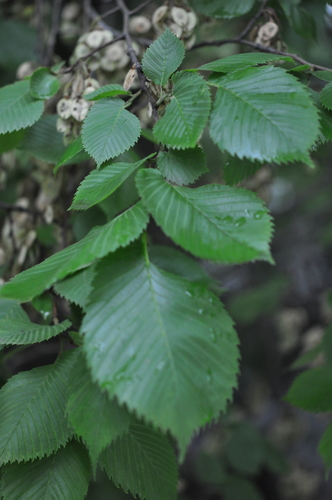
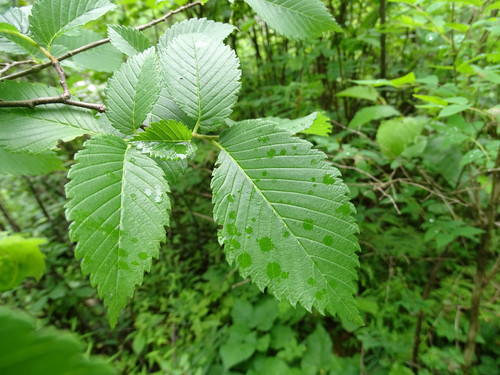
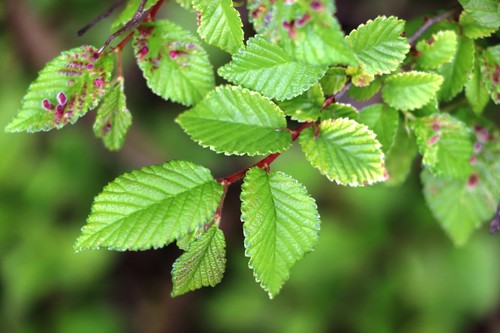
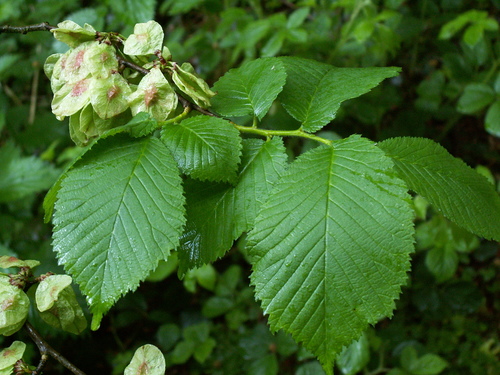
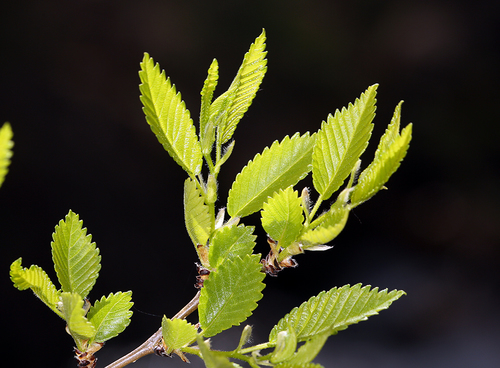
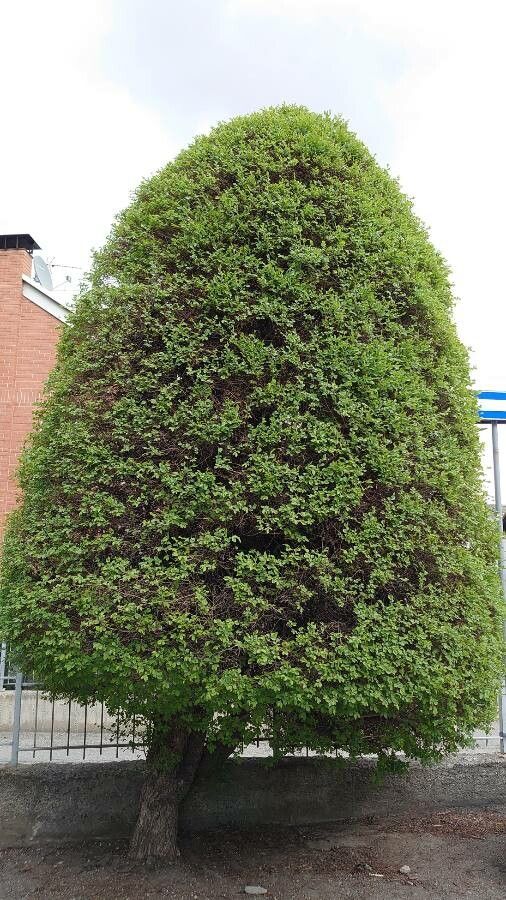
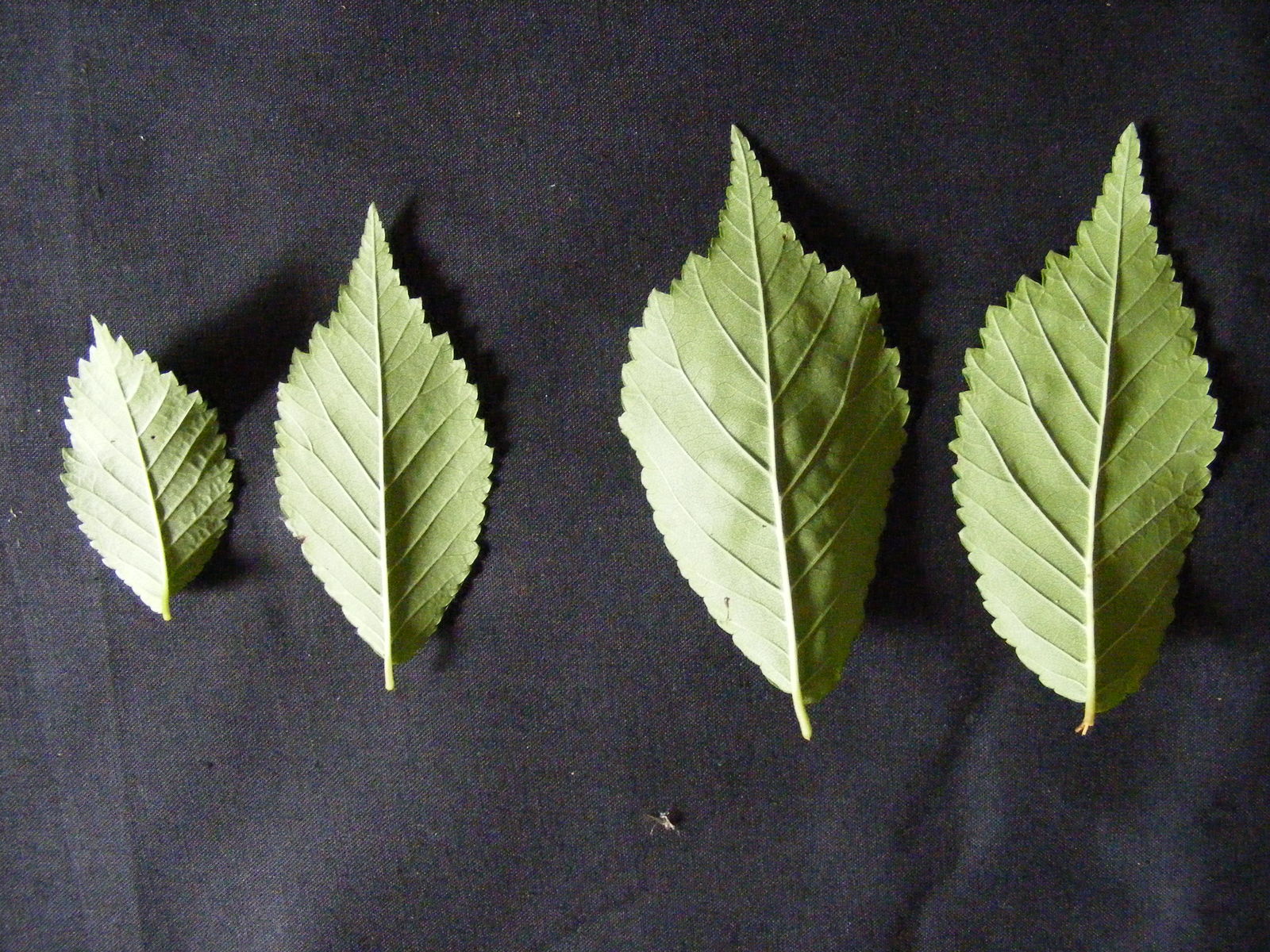
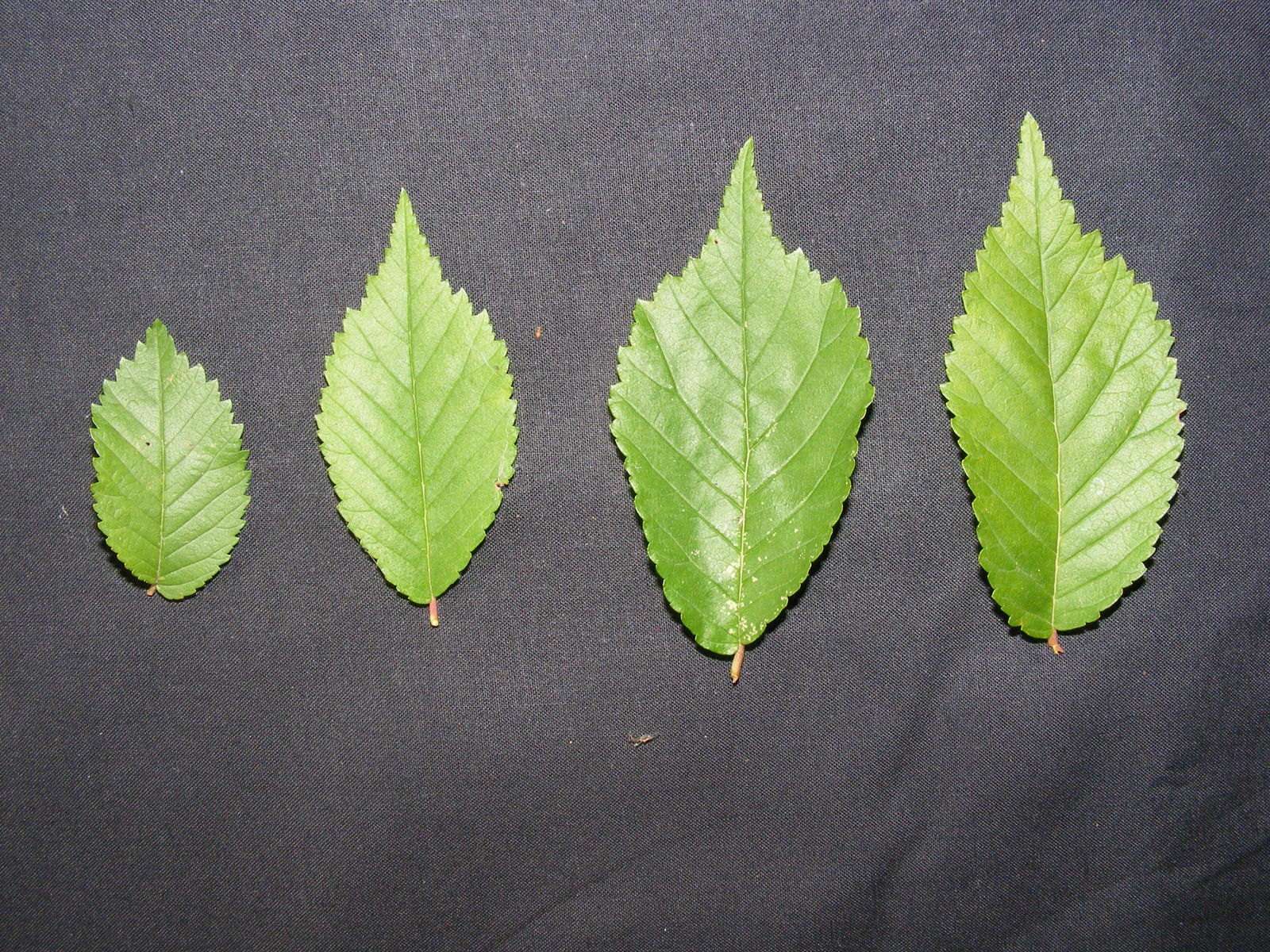
Siberian elm
ulmus pumila
Also known as: ["Chinese elm","Asian elm"]
Overview
A fast-growing deciduous tree native to Asia, known for its adaptability to harsh conditions.
Benefits & Perks
["fast growing","drought tolerant","shade tolerant","wildlife attractant (bees, butterflies, birds)"]
Botanical Classification
| Phylum: | Magnoliophyta |
| Class: | Magnoliopsida |
| Order: | Urticales |
| Family: | Ulmaceae |
| Genus: | Ulmus |
| Botanical Name: | Ulmus pumila |
Plant Characteristics
Basic Information
- Category: Trees
- Suitable Location: outdoor garden, adaptable to various landscapes
- Suitable For:
- Is Weed: No
- Allergenicity: moderate
Environmental Needs
- Climate: {"temperatureRange":"−30–40°C"}
- Hardiness: {"zones":"3–9"}
- Misting: rarely required
- Drainage: Fast-draining to prevent waterlogging.
- Soil Type: Well-draining loamy soil with organic matter. Tolerates poor soils but thrives with added compost.
Maintenance Level
- Maintenance Level: moderate
- Toughness Level: high
- Pruning Frequency: Annually in late winter or early spring before new growth begins.
- Pruning Intensity: Moderate to heavy, depending on tree size and desired shape.
Care Details
Ideal Sunlight Coverage:
Full sun (6–8 hours of direct sunlight daily). Tolerates partial shade but may become leggy.
Sunlight Tolerance Tips:
Acclimate young plants to full sun gradually to prevent scorching. Protect from intense midday sun in hot climates. Outdoor placement is ideal for optimal growth.
Care Requirements
Care Difficulty
easymoderate
Sunlight
full sun to partial shade
Rotate plant for even light exposure; use shade cloth in extreme heat; ensure unobstructed sunlight.
Watering
every 7–10 days during active growth, less frequently in winter
Water thoroughly until runoff, allow soil to dry between waterings, and avoid overwatering to prevent root rot.
Soil
well-drained, loamy soil
pH: Adaptable pH range (6.0–7.5), but prefers slightly alkaline conditions.
Ensure good drainage to prevent root rot; amend heavy clay soils with organic matter; test pH periodically.
Temperature
Hardy in USDA zones 4–10. Prefers 60–75°F (15–24°C) during active growth; tolerates temperatures down to -30°F (-34°C) in winter.
Protect from late spring frosts; water deeply before cold snaps; avoid placing near heat sources in winter.
Fertilizing
every 4–6 weeks during spring and summer
Test soil before fertilizing; avoid over-fertilization which can damage roots; water after fertilizing to distribute nutrients.
Propagation
Methods
Stem cuttings or seed. Stem cuttings are faster and more reliable for home growers.
Step-by-Step Propagation Guide
- Select healthy stem cuttings.
- Apply rooting hormone.
- Plant in medium.
- Maintain humidity.
- Transplant when rooted.
Best Time: Late spring or early summer when the plant is actively growing.
Environment
Warm (70–75°F or 21–24°C), high humidity (70–80%), and bright indirect light for cuttings; consistent warmth for seeds.
Medium
Well-draining potting mix with perlite or sand for cuttings; sterile seed starting mix for seeds.
Hormone
Rooting hormone is recommended for stem cuttings to improve success rates.
Timeline
Stem cuttings may root in 4–8 weeks; seed germination can take 2–4 weeks with variable success.
Tools Needed
Pruning shears, rooting hormone, small pots, misting spray bottle, plastic bags or propagation dome.
Quick Tips
Use softwood cuttings for best results; maintain consistent moisture; avoid direct sunlight during rooting.
Pruning & Repotting
Pruning Guide
Method
Thinning cuts to remove entire branches back to the trunk or main branch; heading cuts to shorten branches.
Pruning Plan
Shape the tree, remove dead or diseased wood, and improve air circulation to reduce disease risk.
Tools
Pruning shears, loppers, saw, disinfectant (bleach solution).
Checklist
Disinfect tools between cuts; prune during dormancy; make clean cuts just above buds or branches; remove crossing branches.
Repotting Guide
Best Season
Early spring before active growth starts.
Pot Size
Increase pot size by 2–3 inches (5–7 cm) in diameter for young trees; mature trees may be top-dressed instead of repotted.
Method
Remove the plant gently; trim any circling roots; replace old soil with fresh, well-draining mix; ensure proper drainage.
Suggestions
Repot young trees every 2–3 years to refresh soil and accommodate root growth. Mature trees may not need frequent repotting.
Checklist
Check root bound status; trim roots if necessary; use fresh soil; water thoroughly after repotting; place in shade for a few days.
Advanced Care Tips
Watering Mastery
Watering Checklist
Check soil moisture before watering; water deeply; ensure proper drainage; avoid wetting foliage.
How to Apply Water Properly
Water at the base of the plant, ensuring moisture reaches the root zone. Water early in the morning to minimize evaporation and allow foliage to dry.
Watering Schedule Tips
Water deeply once a week during spring and summer; reduce frequency to every 2–3 weeks in fall and winter. Adjust based on rainfall and soil moisture.
Soil Improvement
Add compost or well-rotted manure to enhance fertility and structure; incorporate perlite or sand for drainage.
Temperature Stress Management
Signs of Temperature Issues
Leaf scorch in excessive heat; leaf drop or dieback in prolonged cold without protection.
Cold Stress
Leaves may yellow or drop; growth slows or halts. Young or newly planted trees are more vulnerable to frost damage.
Solution: Mulch heavily around the base in winter; protect young trees with burlap screens in harsh climates; avoid planting in frost pockets.
Hot Stress
Wilting, leaf scorch, or premature leaf drop due to excessive heat and drought stress.
Solution: Provide afternoon shade in extreme heat; increase watering frequency; use mulch to retain soil moisture.
Fertilizing Guide
Fertilizing Checklist
Check soil pH; follow label instructions; water before and after application; avoid contact with foliage.
Fertilizing Method
Use a balanced, slow-release fertilizer in early spring before new growth. Apply again mid-summer if growth is weak. Avoid fertilizing in late fall to prevent winter injury.
Common Problems & Solutions
Toxicity Warning
Cats
Non-toxicUlmus pumila is not considered toxic to cats. The plant does not contain known toxic substances that would pose a risk to felines upon ingestion or contact.
⚡ Toxic If:
Generally non-toxic to cats
Dogs
Non-toxicUlmus pumila is not considered toxic to dogs. There are no known toxic compounds in the plant that would cause harm to canines if ingested or if they come into contact with the plant.
⚡ Toxic If:
Generally non-toxic to dogs
Humans
Non-toxicUlmus pumila, commonly known as Siberian elm, is not considered toxic to humans under normal circumstances. The plant does not produce known toxic compounds that would cause adverse effects upon ingestion or contact.
⚡ Toxic If:
Generally non-toxic to humans
Frequently Asked Questions
Q: Is Ulmus pumila suitable for urban environments?
A: Yes, it is highly adaptable to urban conditions and pollution.
Q: Does the Siberian elm require much pruning?
A: Minimal pruning is needed, primarily to remove dead or diseased branches.
Q: Can Ulmus pumila be grown in containers?
A: It is not recommended due to its large size and vigorous growth habit.
Quick Reference
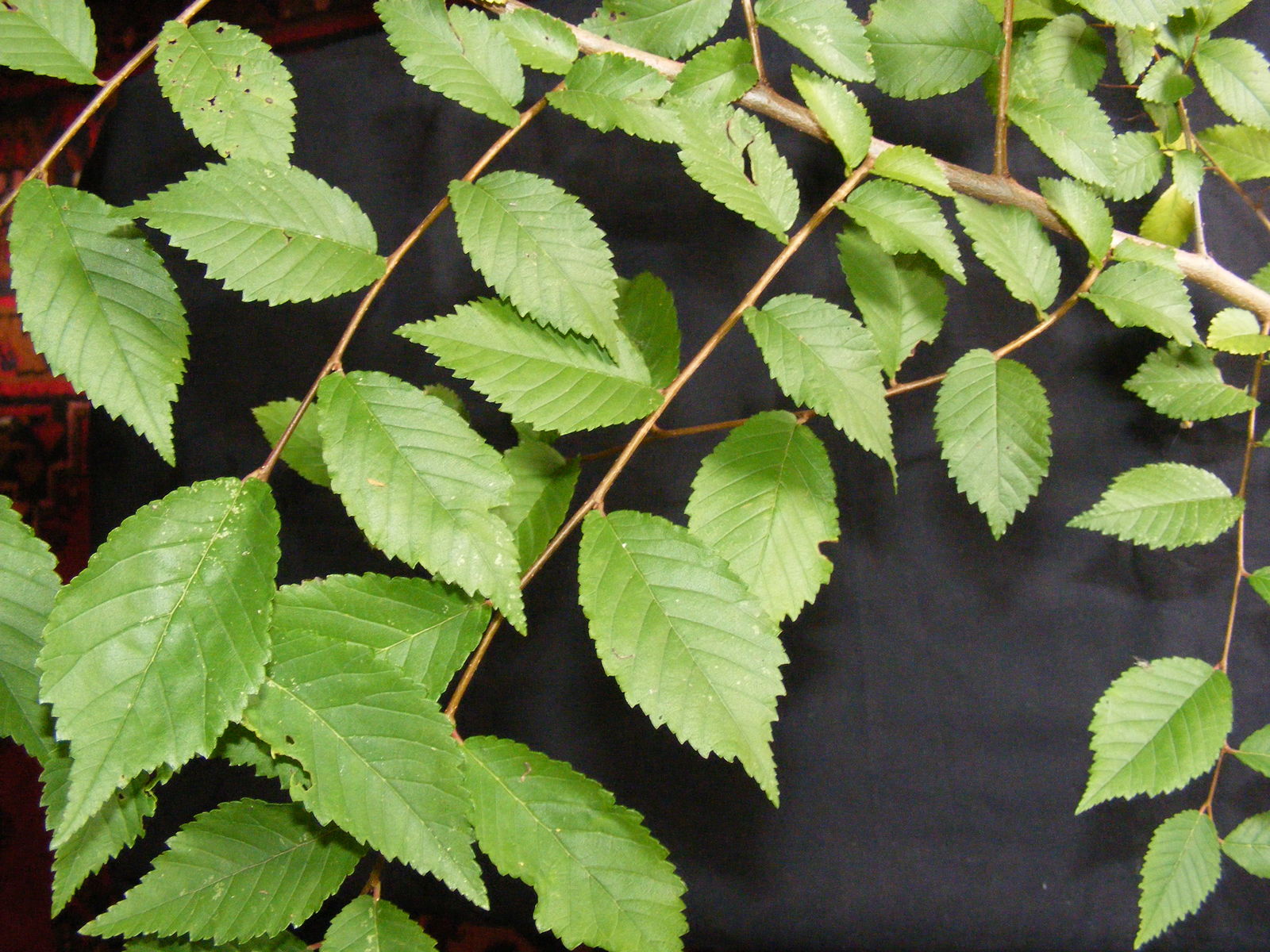
| Family: | Ulmaceae |
| Care: | easy |
| Light: | full sun to partial shade |
| Water: | every 7–10 days during activ |
Get Expert Care Tips
Download the Plantious app for personalized care reminders and plant identification!
Google Play App Store