Egg Orchid
prosthechea vitellina
Also known as: ["Egg Orchid","Prosthechea vitellina"]
Overview
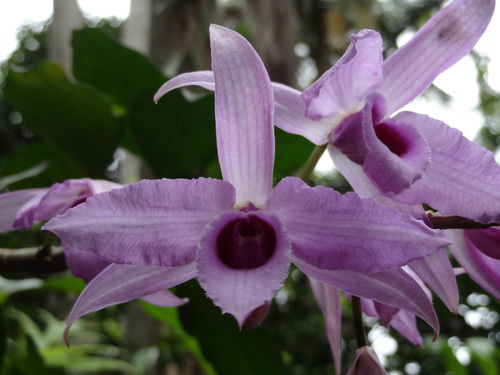
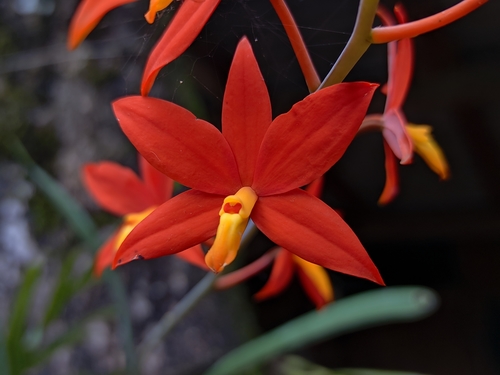
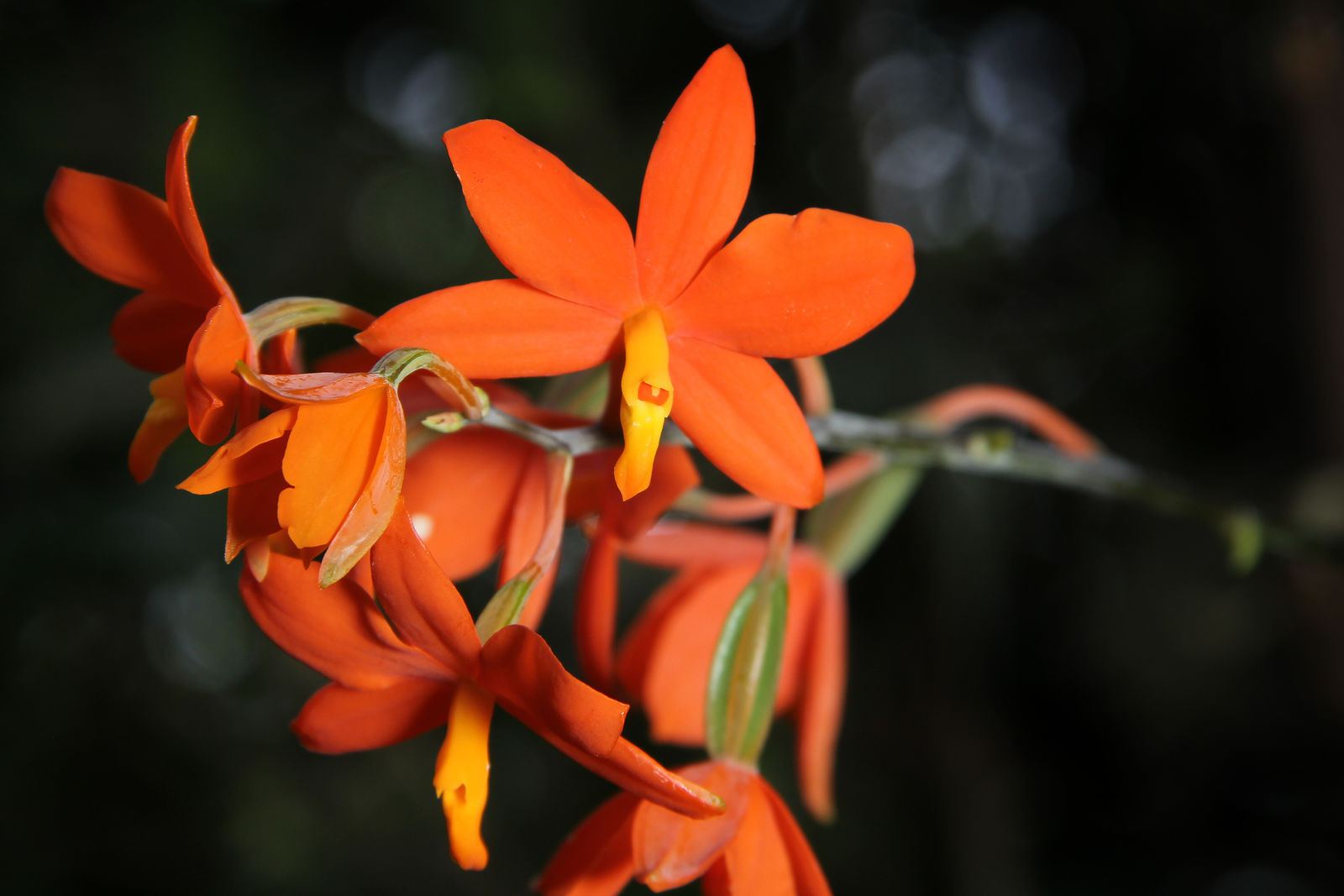
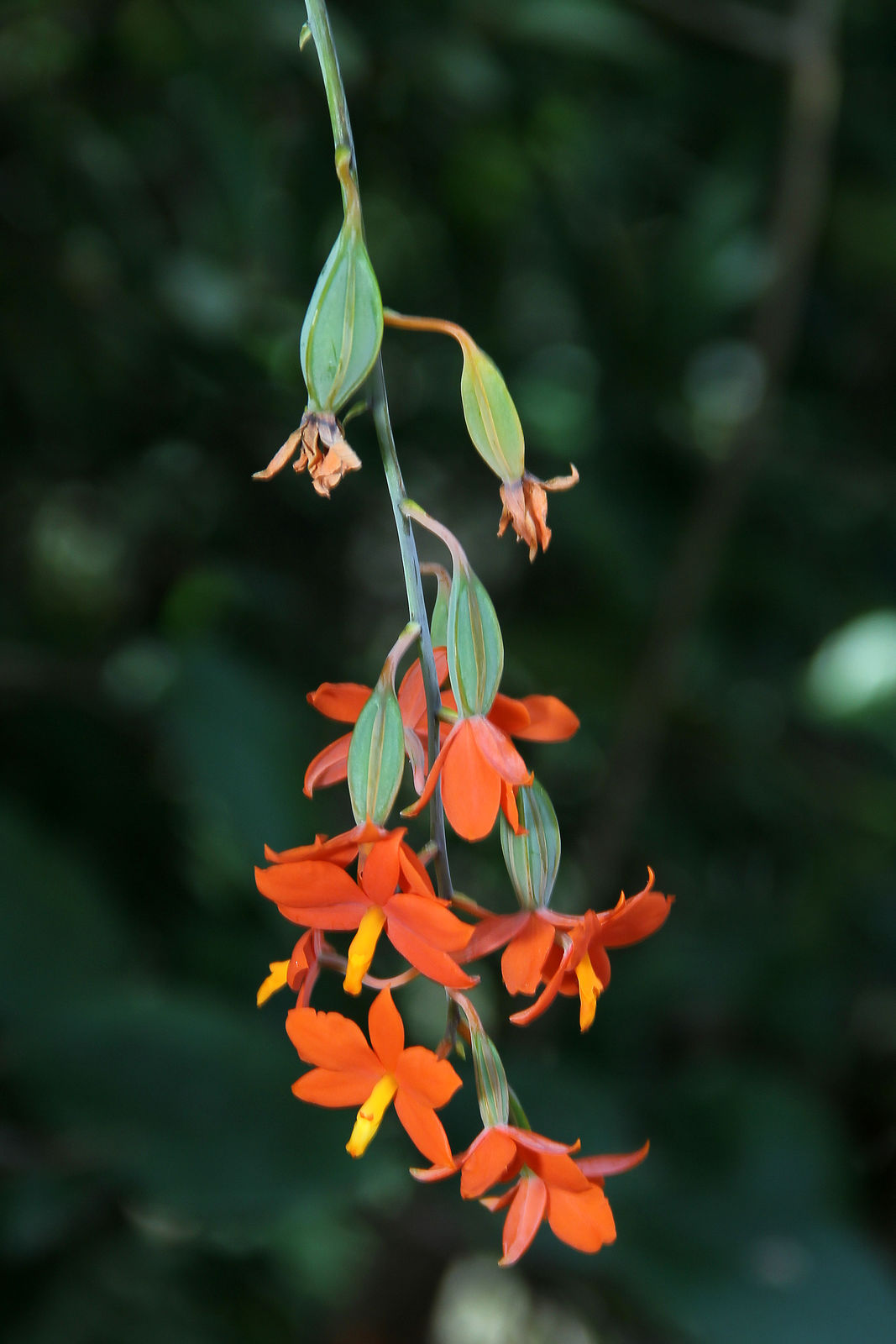
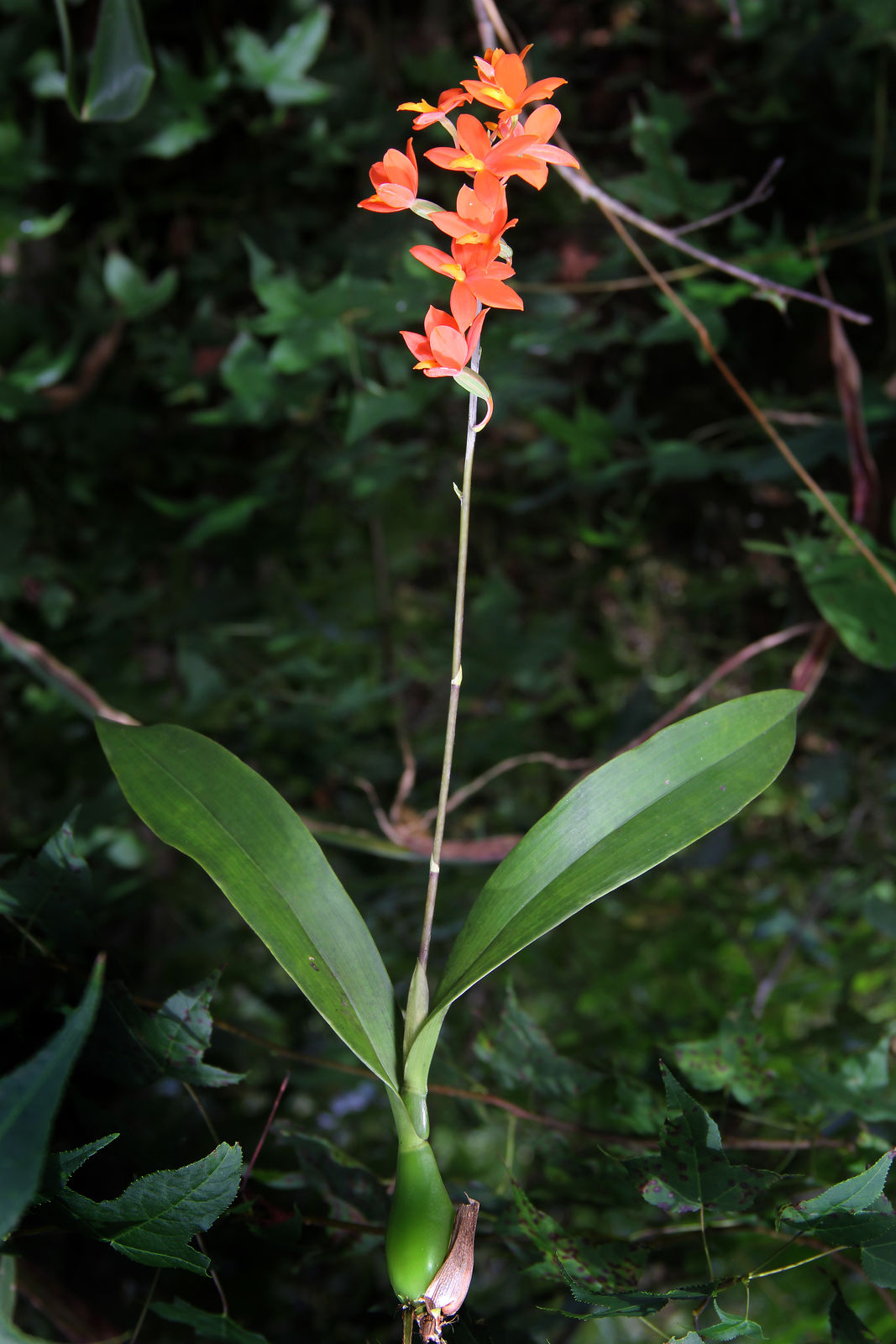
A species of orchid native to Central and South America, known for its bright yellow flowers that resemble eggs.
Benefits & Perks
["fragrant flowers","aesthetic foliage","rare/collector’s item"]
Botanical Classification
| Phylum: | Magnoliophyta |
| Class: | Liliopsida |
| Order: | Asparagales |
| Family: | Orchidaceae |
| Genus: | Prosthechea |
| Botanical Name: | Prosthechea vitellina |
Plant Characteristics
Basic Information
- Category: Flowers
- Suitable Location: indoor pot with bright, filtered light
- Suitable For:
- Is Weed: No
- Allergenicity: low
Environmental Needs
- Climate: {"temperatureRange":"15–30°C"}
- Hardiness: {"zones":"10–12"}
- Misting: every 2–3 days, especially in dry environments
- Drainage: Fast-draining to prevent waterlogging.
- Soil Type: Orchid bark mix with perlite and charcoal for aeration.
Maintenance Level
- Maintenance Level: moderate
- Toughness Level: moderate
- Pruning Frequency: As needed after flowering or when pseudobulbs die back.
- Pruning Intensity: Light to moderate, focusing on dead or damaged parts.
Care Details
Ideal Sunlight Coverage:
Bright indirect light for 6–8 hours daily; adjust to morning sun exposure in warmer months.
Sunlight Tolerance Tips:
Acclimate gradually to direct light; avoid intense afternoon sun; provide filtered light indoors.
Care Requirements
Care Difficulty
moderatemoderate
Sunlight
bright, indirect light
Rotate plant for even light exposure; use sheer curtains to filter strong light; avoid direct midday sun.
Watering
every 5–7 days during active growth, reduce in winter
Water early in the day to allow foliage to dry; ensure water reaches the root zone; avoid overwatering.
Soil
well-draining orchid mix
pH: Slightly acidic (pH 5.5–6.5).
Use pre-mixed orchid soil; avoid heavy potting soils; ensure medium breaks down slowly.
Temperature
Prefers 60–80°F (15–27°C); cooler nights (55–65°F) promote flowering.
Avoid sudden temperature changes; maintain consistent day/night cycles; protect from frost.
Fertilizing
every 2 weeks during active growth, monthly in winter
Flush soil periodically to prevent salt buildup; fertilize after watering to avoid root burn.
Propagation
Methods
Division of pseudobulbs or keikis (offsets) from mature plants.
Step-by-Step Propagation Guide
- Separate pseudobulbs with roots, pot in fresh medium, water lightly, provide warmth and humidity.
Best Time: Spring or early summer when new growth begins.
Environment
High humidity (60–80%), warm temperatures (70–80°F), indirect light.
Medium
Orchid mix with added perlite for aeration.
Hormone
Not typically required for division; rooting hormone may aid keiki rooting.
Timeline
Division: immediate establishment; keikis: 6–12 months to mature.
Tools Needed
Clean knife, sterilized pot, orchid mix, humidity dome.
Quick Tips
Ensure each division has at least one pseudobulb and roots; maintain humidity until new growth appears.
Pruning & Repotting
Pruning Guide
Method
Cut flower spikes at the base; trim dead pseudobulbs with sterile shears.
Pruning Plan
Remove spent flower spikes and dead pseudobulbs to redirect energy to new growth.
Tools
Sterile pruning shears, gloves.
Checklist
Identify dead parts, use clean tools, cut cleanly, dispose of debris.
Repotting Guide
Best Season
Spring, after flowering, when new growth starts.
Pot Size
One size larger pot, ensuring 1–2 inches of space around roots.
Method
Remove old medium, trim dead roots, repot in fresh orchid mix with good drainage, position pseudobulbs above soil level.
Suggestions
Repot every 2–3 years or when medium decomposes; essential for healthy root growth.
Checklist
Prepare new pot, inspect roots, trim if necessary, use fresh medium, water lightly after repotting.
Advanced Care Tips
Watering Mastery
Watering Checklist
Check soil moisture, water thoroughly, ensure drainage, adjust for season.
How to Apply Water Properly
Water until it drains from the bottom, ensuring even moisture distribution; focus on the root ball; allow excess water to drain completely.
Watering Schedule Tips
Water thoroughly when the top inch of soil feels dry; reduce frequency in winter to prevent root rot.
Soil Improvement
Add perlite or coarse bark to improve drainage; incorporate orchid charcoal to reduce odors and pathogens.
Temperature Stress Management
Signs of Temperature Issues
Leaf yellowing, bud drop, or stunted growth in extreme temperatures.
Cold Stress
Slows growth, may cause leaf damage or root rot in prolonged cold.
Solution: Move to a warmer location; insulate pots; avoid cold drafts.
Hot Stress
Wilting, leaf scorch, or reduced flowering in excessive heat.
Solution: Provide shade, increase humidity, water more frequently but avoid waterlogging.
Fertilizing Guide
Fertilizing Checklist
Check fertilizer type, dilute correctly, apply during active growth, adjust for season.
Fertilizing Method
Use orchid-specific fertilizer diluted to half strength every 2–4 weeks during growing season; reduce or stop in winter.
Common Problems & Solutions
Toxicity Warning
Cats
Non-toxicProsthechea vitellina is not known to be toxic to cats. The plant poses no known health risks if ingested or handled by felines.
⚡ Toxic If:
None
Dogs
Non-toxicProsthechea vitellina is not known to be toxic to dogs. The plant poses no known health risks if ingested or handled by canines.
⚡ Toxic If:
None
Humans
Non-toxicProsthechea vitellina is not known to exhibit any toxic properties to humans. The plant is generally considered safe for handling and consumption.
⚡ Toxic If:
None
Frequently Asked Questions
Q: How often should I water Prosthechea vitellina?
A: Water when the potting medium is nearly dry, typically every 7-10 days depending on conditions.
Q: Does Prosthechea vitellina require special lighting?
A: It thrives in bright, indirect light, similar to other orchids.
Q: Is Prosthechea vitellina pet-friendly?
A: Yes, it is non-toxic to pets.
Quick Reference

| Family: | Orchidaceae |
| Care: | moderate |
| Light: | bright, indirect light |
| Water: | every 5–7 days during active |
Get Expert Care Tips
Download the Plantious app for personalized care reminders and plant identification!
Google Play App Store