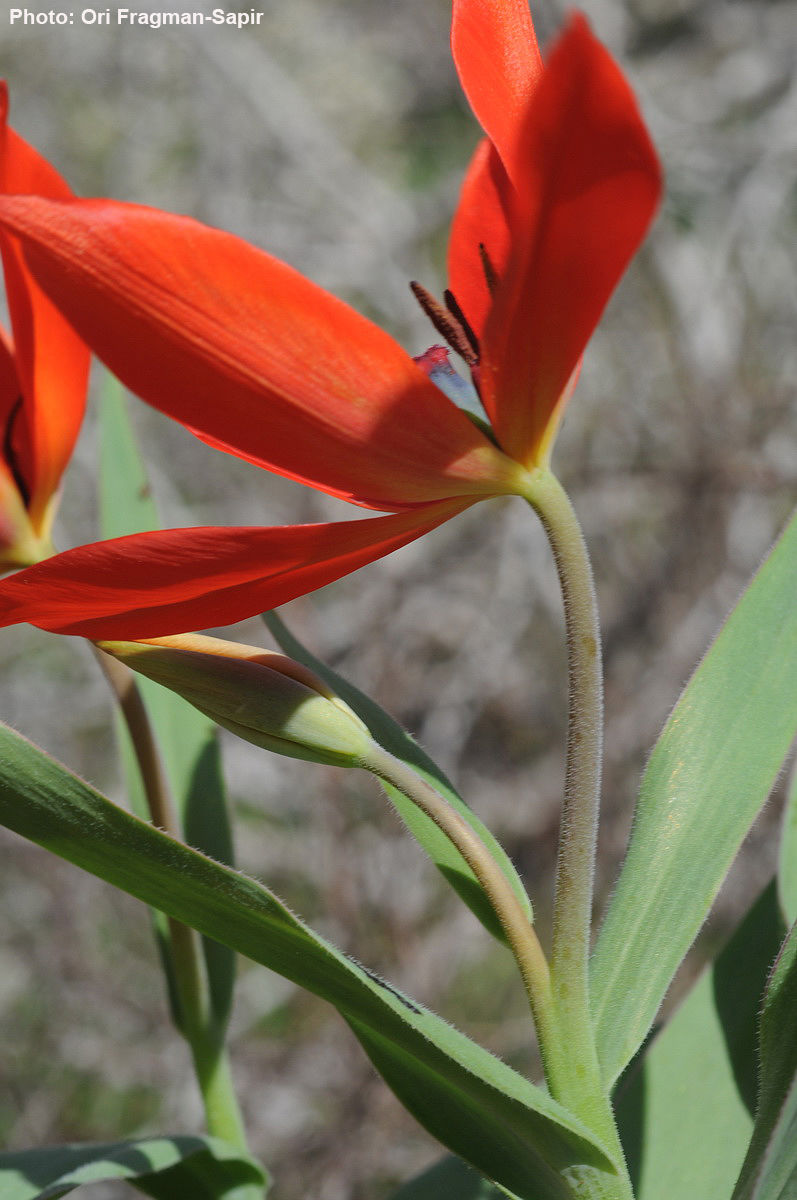
Fusilier Tulip
tulipa praestans
Also known as: ["Fusilier Tulip","Tulip praestans"]
Overview
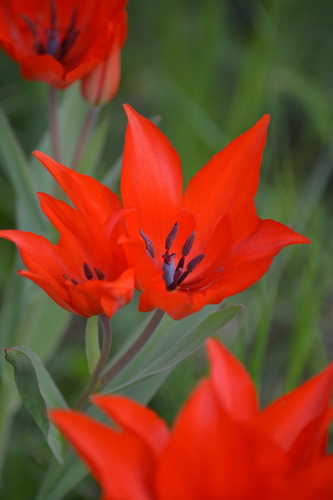
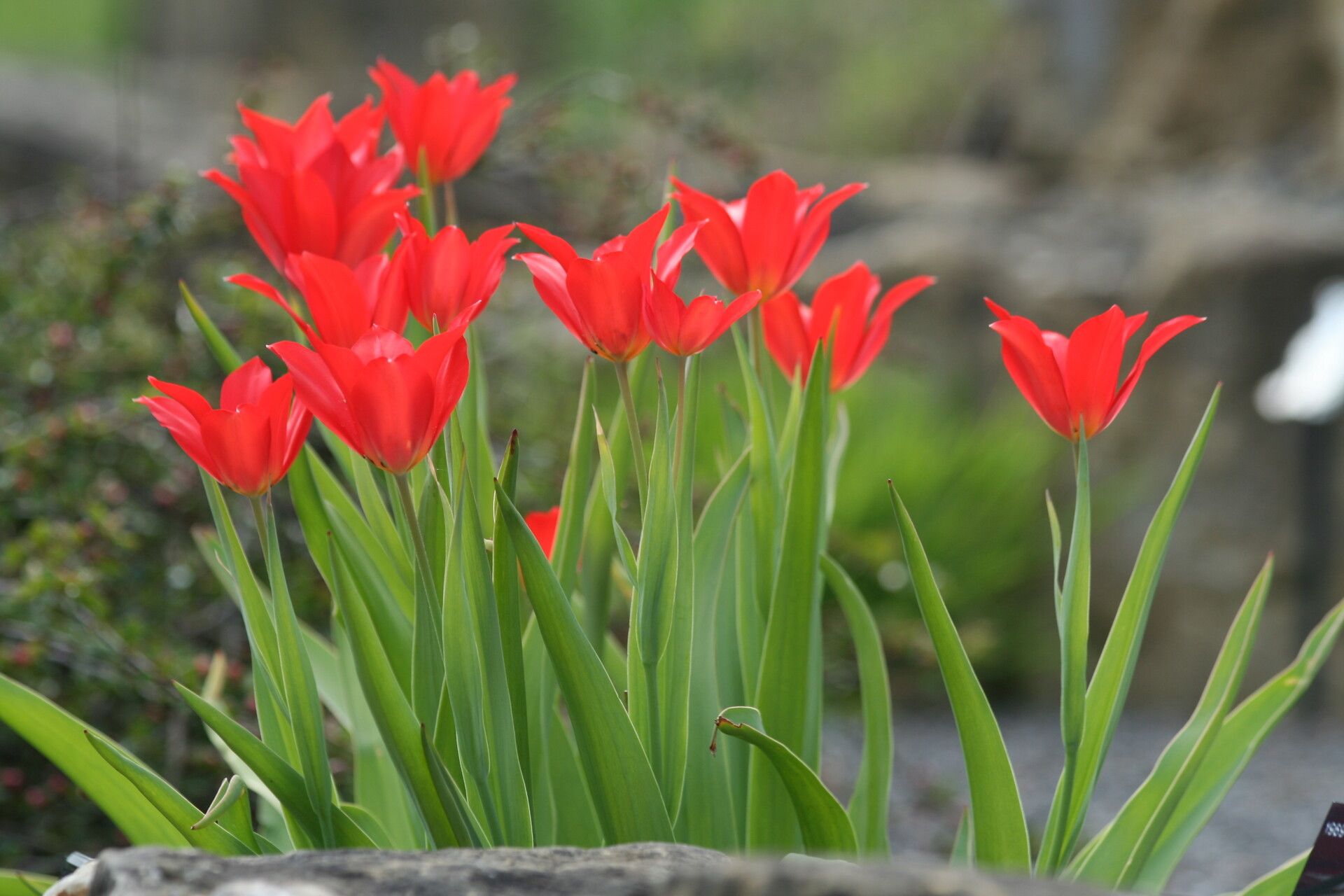
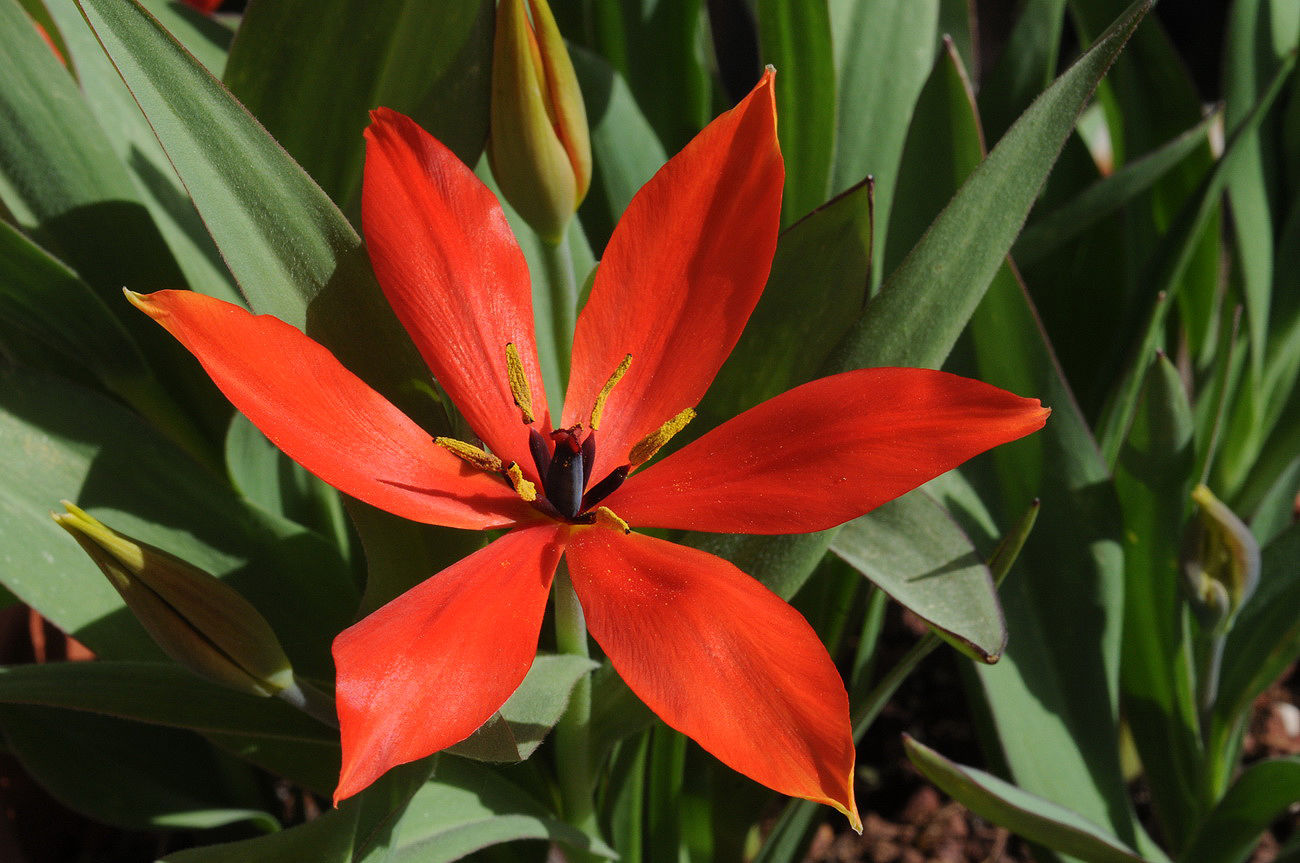
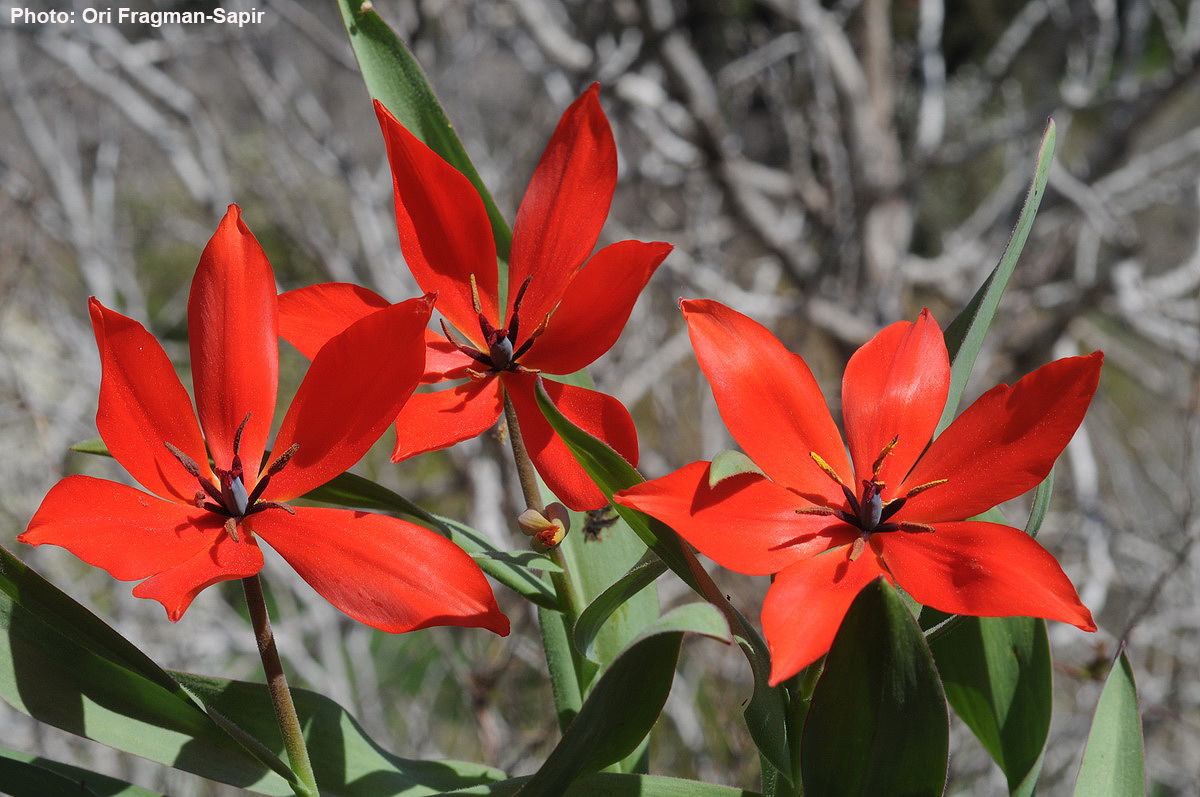
A species tulip native to Central Asia, known for its vibrant red-orange flowers and early spring blooming.
Benefits & Perks
["long-flowering","wildlife attractant (bees, butterflies, birds)","seasonal color change"]
Botanical Classification
| Phylum: | Magnoliophyta |
| Class: | Liliopsida |
| Order: | Liliales |
| Family: | Liliaceae |
| Genus: | Tulipa |
| Botanical Name: | Tulipa praestans |
Plant Characteristics
Basic Information
- Category: Flowers
- Suitable Location: garden beds or containers in temperate climates
- Suitable For:
- Is Weed: No
- Allergenicity: low
Environmental Needs
- Climate: {"temperatureRange":"–20–30°C"}
- Hardiness: {"zones":"3–7"}
- Misting: rarely required
- Drainage: Fast-draining; bulbs rot in waterlogged soil.
- Soil Type: Well-drained, loamy soil with added organic matter; sandy soil is ideal in heavy clay areas.
Maintenance Level
- Maintenance Level: low
- Toughness Level: moderate
- Pruning Frequency: After flowering each spring; no routine pruning needed otherwise.
- Pruning Intensity: Light pruning (removal of flower stalks only); foliage should not be cut back until it yellows and w
Care Details
Ideal Sunlight Coverage:
Full sun (6–8 hours/day) during active growth; partial shade in hot climates to prevent scorching.
Sunlight Tolerance Tips:
Acclimate plants gradually to full sun if moved from shade; protect from intense midday sun in hot regions; ensure good air circulation to prevent fungal issues.
Care Requirements
Care Difficulty
easyeasy
Sunlight
full sun to partial shade
Avoid deep shade for best blooms; protect from harsh afternoon sun in summer; rotate pots for even light exposure.
Watering
every 7–10 days during active growth, reduce in dormancy
Water deeply but infrequently; avoid waterlogged soil; focus on root zone during active growth.
Soil
well-drained, loamy soil with added organic matter
pH: Slightly acidic to neutral (pH 6.0–7.0).
Ensure soil is never waterlogged; amend heavy soil with sand or grit; avoid compacted soil around bulbs.
Temperature
Cool temperatures (50–65°F or 10–18°C) during active growth; tolerate cold winters (hardy to USDA zone 4); prefer moderate temperatures during dormancy.
Plant in fall for spring blooms; protect from extreme winter cold in colder zones; avoid planting in areas with late spring frosts.
Fertilizing
every 4–6 weeks during spring growth
Fertilize just once at planting or early growth; avoid fertilizing after flowering; use a bulb-specific fertilizer for best results.
Propagation
Methods
Division of bulbs; separate offsets after foliage dies back in summer.
Step-by-Step Propagation Guide
- Dig up mature bulbs after foliage dies back.
- Separate small offsets from the mother bulb.
- Replant offsets at the appropriate depth (2–3 times their height).
- Water lightly.
Best Time: Late summer or early fall after foliage has withered but before winter cold sets in.
Environment
Cool temperatures (50–60°F or 10–15°C); partial shade; good air circulation to prevent fungal issues.
Medium
Well-drained soil mix with added sand or perlite; can also be propagated in pots with good drainage.
Hormone
Not necessary for bulb division; rooting hormone is not typically used for tulips.
Timeline
Offsets will take 1–2 years to mature and flower after division; bulbs planted in fall will bloom the following spring.
Tools Needed
Garden fork, sharp knife or shears, small trowel.
Quick Tips
Replant offsets immediately after division; ensure proper spacing for good air circulation; water sparingly until new growth appears.
Pruning & Repotting
Pruning Guide
Method
Snip flower stalks at the base with clean shears; avoid cutting foliage until it has fully died back.
Pruning Plan
Remove spent flower stalks after blooming to redirect energy to bulb development; allow foliage to die back naturally for at least 6 weeks after flowering.
Tools
Hand pruners or sharp scissors.
Checklist
Remove flower stalks promptly; do not cut foliage until it yellows; clean tools after use to prevent disease.
Repotting Guide
Best Season
Late summer or early fall for offsets; replace potted tulips annually in fall.
Pot Size
Use a pot that is 6–8 inches (15–20 cm) in diameter for multiple bulbs; ensure it is only slightly larger than the root ball to prevent waterlogging.
Method
Use a well-drained potting mix; plant bulbs 2–3 times their height deep; ensure pots have drainage holes; water lightly after repotting.
Suggestions
Tulips are typically grown as annuals in pots and replaced each year; if dividing, repot offsets in fresh, well-drained soil.
Checklist
Use fresh soil; ensure good drainage; plant at correct depth; water sparingly after repotting.
Advanced Care Tips
Watering Mastery
Watering Checklist
Check soil moisture before watering; water deeply at base; ensure drainage; reduce watering post-flowering.
How to Apply Water Properly
Water at the base of the plant, ensuring moisture reaches the root zone; water early in the day to minimize evaporation; ensure excess water drains away to prevent rot.
Watering Schedule Tips
Water sparingly during active growth (spring), allowing soil to dry slightly between waterings; reduce watering significantly after flowering until dormancy in summer.
Soil Improvement
Add sand or perlite to heavy clay soil; incorporate compost or well-rotted manure for organic matter; ensure raised beds or mounds for better drainage.
Temperature Stress Management
Signs of Temperature Issues
Chlorosis or leaf burn in excessive heat; stunted growth or failure to flower in overly cold conditions; soft, mushy bulbs in overly wet cold soil.
Cold Stress
Low temperatures slow growth but are generally tolerated; prolonged freezing without adequate mulch can damage bulbs.
Solution: Apply a thick layer of mulch (straw or wood chips) over bulbs in fall; plant in well-drained soil to prevent bulb rot; avoid excessive winter watering.
Hot Stress
Excessive heat can cause foliage to yellow or wilt; may lead to shorter blooming periods or reduced flower size.
Solution: Provide partial shade during peak summer heat; ensure consistent but not excessive watering; apply mulch to keep roots cool.
Fertilizing Guide
Fertilizing Checklist
Use bulb fertilizer; apply at planting or early spring; avoid over-fertilization; stop after flowering.
Fertilizing Method
Use a balanced, slow-release bulb fertilizer in early spring as growth begins; avoid high-nitrogen fertilizers which can reduce bloom quality.
Common Problems & Solutions
Toxicity Warning
Cats
ToxicCats are highly sensitive to the toxins in Tulipa praestans, which can cause severe gastrointestinal and neurological effects. The bulbs pose the greatest risk.
⚠️ Symptoms:
🌿 Toxic Parts:
⚡ Toxic If:
if eaten
Dogs
ToxicIngestion of Tulipa praestans can lead to severe gastrointestinal upset and potential systemic toxicity in dogs. The bulbs are the most dangerous part due to higher toxin concentrations.
⚠️ Symptoms:
🌿 Toxic Parts:
⚡ Toxic If:
if eaten
Humans
ToxicTulipa praestans contains toxic glycosides that can cause gastrointestinal distress and neurological symptoms upon ingestion. The bulbs are particularly toxic due to higher concentrations of these compounds.
⚠️ Symptoms:
🌿 Toxic Parts:
⚡ Toxic If:
if eaten
Frequently Asked Questions
Q: How tall does Tulipa praestans grow?
A: It typically reaches 12–18 inches in height.
Q: When does it bloom?
A: It blooms in early spring, usually March to April.
Q: Is it deer resistant?
A: Yes, it is moderately deer resistant.
Quick Reference
| Family: | Liliaceae |
| Care: | easy |
| Light: | full sun to partial shade |
| Water: | every 7–10 days during activ |
Get Expert Care Tips
Download the Plantious app for personalized care reminders and plant identification!
Google Play App Store