Watermeal
wolffia arrhiza
Also known as: ["duckweed","water lentil"]
Overview
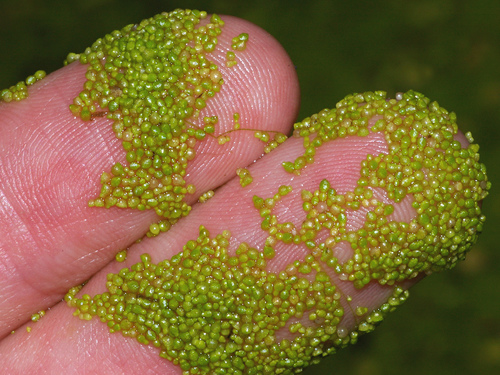
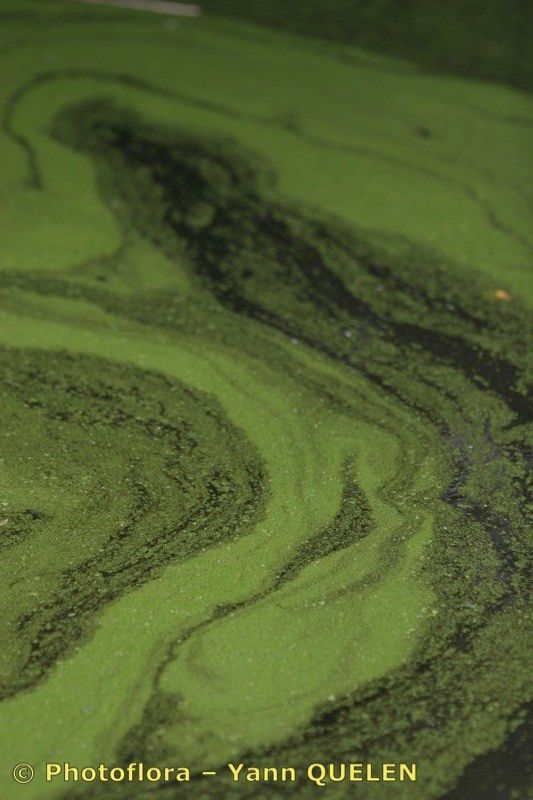
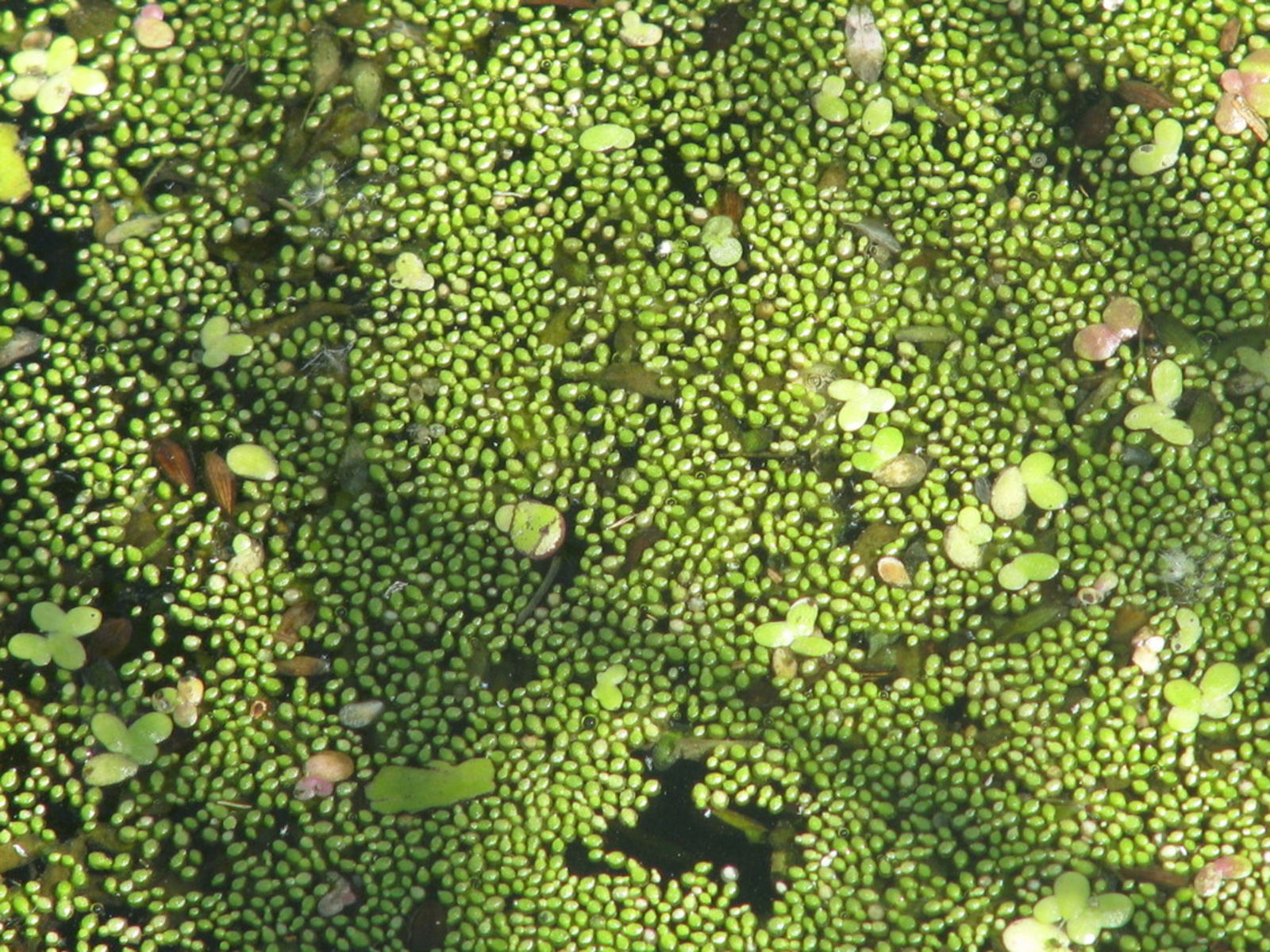
The smallest flowering plant in the world, consisting of tiny, green, oval-shaped fronds that float on the surface of still or slow-moving freshwater bodies.
Benefits & Perks
["fast growing","wildlife attractant (bees, butterflies, birds)","disease resistant"]
Botanical Classification
| Phylum: | Magnoliophyta |
| Class: | Liliopsida |
| Order: | Alismatales |
| Family: | Araceae |
| Genus: | Wolffia |
| Botanical Name: | Wolffia arrhiza |
Plant Characteristics
Basic Information
- Category: Herbs & Weeds
- Suitable Location: still or slow-moving freshwater ponds, aquariums, or water gardens
- Suitable For:
- Is Weed: No
- Allergenicity: low
Environmental Needs
- Climate: {"temperatureRange":"10–30°C"}
- Hardiness: {"zones":"9–11"}
- Misting: rarely required
- Drainage: Excellent drainage if in soil; in water culture, still water is ideal.
- Soil Type: Prefers very moist soil or water culture; if soil, use a light, peat-based mix.
Maintenance Level
- Maintenance Level: very low
- Toughness Level: very high
- Pruning Frequency: As needed; remove debris or dead plants whenever observed.
- Pruning Intensity: Light; only remove damaged or decaying parts.
Care Details
Ideal Sunlight Coverage:
Bright indirect light for 6–8 hours daily; adjust to avoid direct sun, especially in summer.
Sunlight Tolerance Tips:
Acclimate gradually to brighter light; avoid direct sunlight to prevent scorching; place in a shaded spot outdoors.
Care Requirements
Care Difficulty
very easyeasy
Sunlight
full sun to partial shade
Rotate container for even light exposure; use sheer curtains to filter direct sun; monitor for signs of sunburn.
Watering
daily in extreme heat, otherwise as needed to maintain water level
Keep soil evenly moist but not waterlogged; water more frequently in hot weather; ensure good drainage.
Soil
not applicable, grows in water
pH: Slightly acidic to neutral (pH 6.0–7.0).
Keep soil consistently moist; avoid compacted soil; use rainwater if possible.
Temperature
Prefers warm temperatures between 20–30°C (68–86°F); cooler temperatures may slow growth.
Avoid sudden temperature changes; maintain stable warmth; protect from frost.
Fertilizing
every 2–4 weeks during active growth
Dilute fertilizer to prevent burn; fertilize during active growth; flush soil occasionally to prevent salt buildup.
Propagation
Methods
Division or fragmentation; easily propagated by separating small plant clusters.
Step-by-Step Propagation Guide
- Gently separate small plant clusters.
- Place in water or moist soil.
- Maintain warmth and humidity.
Best Time: Spring or early summer when plants are actively growing.
Environment
Warm, humid environment with indirect light; still water preferred.
Medium
Still water or very moist soil; no special medium required.
Hormone
Not necessary; natural rooting occurs quickly.
Timeline
New plants establish within days to weeks under favorable conditions.
Tools Needed
Fine-tipped tweezers, small container, water source.
Quick Tips
Use clean tools to prevent disease; maintain consistent moisture; separate gently to avoid damage.
Pruning & Repotting
Pruning Guide
Method
Gently remove unwanted parts by hand or with fine tweezers.
Pruning Plan
Minimal pruning needed; remove dead or decaying plants to maintain health.
Tools
Fine-tipped tweezers, small scissors.
Checklist
Inspect for dead material; remove gently; avoid disturbing healthy plants.
Repotting Guide
Best Season
Spring or early summer when growth is active.
Pot Size
Increase container size by 1–2 inches if repotting in soil; maintain appropriate water volume if in water culture.
Method
Transfer to fresh, clean water or repot in a slightly larger container with fresh soil.
Suggestions
Not typically required; may be necessary if water quality degrades or plants become overcrowded.
Checklist
Prepare new container; gently transfer plants; ensure proper water or soil level.
Advanced Care Tips
Watering Mastery
Watering Checklist
Check soil moisture daily; water in the morning; avoid overhead watering.
How to Apply Water Properly
Water gently at the soil level to avoid dislodging the tiny plants; ensure even moisture distribution; allow excess water to drain away.
Watering Schedule Tips
Water daily or as needed to maintain consistently moist soil; reduce frequency in winter to prevent waterlogging.
Soil Improvement
Add perlite or sand for aeration if using soil; ensure water is clean and still if in water culture.
Temperature Stress Management
Signs of Temperature Issues
Yellowing leaves, stunted growth, or wilting in extreme heat or cold.
Cold Stress
Low temperatures can cause growth cessation or plant death; frost is lethal.
Solution: Keep plants in a warm, sheltered location; use a heat mat in cooler climates; avoid drafts.
Hot Stress
Excessive heat can lead to dehydration, wilting, or leaf burn.
Solution: Provide shade during peak heat; increase humidity; water more frequently.
Fertilizing Guide
Fertilizing Checklist
Use diluted fertilizer; apply during growing season; avoid winter feeding.
Fertilizing Method
Use a balanced liquid fertilizer diluted to half strength every 2–4 weeks during growing season; avoid fertilizing in winter.
Common Problems & Solutions
Toxicity Warning
Cats
Non-toxicWolffia arrhiza is not considered toxic to cats. There are no known toxic effects or physiological impacts associated with its ingestion by felines.
⚡ Toxic If:
if eaten
Dogs
Non-toxicWolffia arrhiza is not considered toxic to dogs. This plant is not known to cause any adverse effects when ingested by canines.
⚡ Toxic If:
if eaten
Humans
Non-toxicWolffia arrhiza, commonly known as watermeal, is not considered toxic to humans. It is a small, free-floating aquatic plant that is often used in aquariums and as a food source in some cultures. There are no known toxic effects or physiological impacts associated with its consumption.
⚡ Toxic If:
if eaten
Frequently Asked Questions
Q: Is Wolffia arrhiza edible?
A: Yes, it is edible and is sometimes used in salads or as a nutritional supplement.
Q: How does Wolffia arrhiza reproduce?
A: It reproduces asexually by budding, where new fronds grow from the parent frond.
Q: Can Wolffia arrhiza be grown in a home aquarium?
A: Yes, it can be grown in aquariums as it thrives in still or slow-moving water.
Quick Reference
| Family: | Araceae |
| Care: | very easy |
| Light: | full sun to partial shade |
| Water: | daily in extreme heat, otherwi |
Get Expert Care Tips
Download the Plantious app for personalized care reminders and plant identification!
Google Play App Store