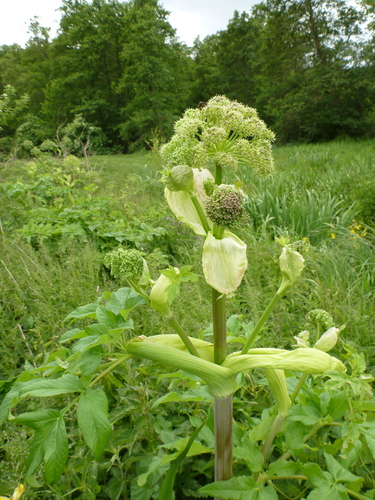
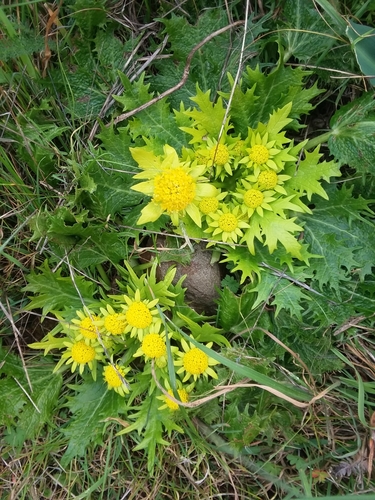
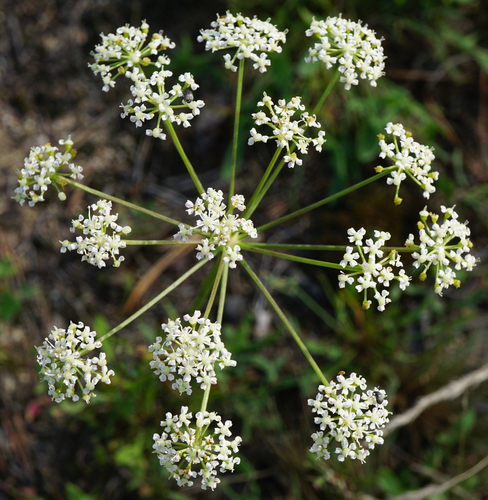
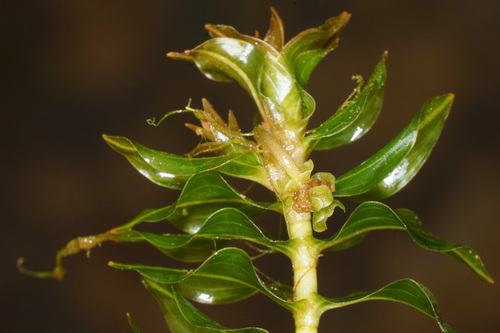
Parsnip
pastinaca sativa
Also known as: ["Garden Parsnip","Wild Parsnip"]
Overview
A biennial herbaceous plant cultivated for its edible taproot, native to Eurasia.
Benefits & Perks
["edible roots","culinary herb","aesthetic foliage"]
Botanical Classification
| Phylum: | Magnoliophyta |
| Class: | Magnoliopsida |
| Order: | Apiales |
| Family: | Apiaceae |
| Genus: | Pastinaca |
| Botanical Name: | Pastinaca sativa |
Plant Characteristics
Basic Information
- Category: Vegetables
- Suitable Location: garden bed in open ground
- Suitable For:
- Is Weed: No
- Allergenicity: low
Environmental Needs
- Climate: {"temperatureRange":"5–30°C"}
- Hardiness: {"zones":"4–9"}
- Misting: rarely required
- Drainage: Well-draining to prevent waterlogging; avoid heavy clay soils.
- Soil Type: Loamy, fertile soil with good organic matter content; well-drained but retains moisture.
Maintenance Level
- Maintenance Level: moderate
- Toughness Level: moderate
- Pruning Frequency: Not applicable; thin seedlings as needed when they reach 2–3 inches tall.
- Pruning Intensity: Light; only remove overcrowded or weak seedlings.
Care Details
Ideal Sunlight Coverage:
Full sun (6–8 hours of direct sunlight per day); partial shade during the hottest part of the day in very hot climates.
Sunlight Tolerance Tips:
Acclimate plants gradually to full sun if moved from shade; protect from intense midday sun to prevent scorching; provide shade cloth or partial shade in extreme heat.
Care Requirements
Care Difficulty
moderateeasy
Sunlight
full sun to partial shade
Rotate plants regularly for even growth; avoid placing in drafty areas; adjust light exposure based on seasonal changes.
Watering
every 7–10 days during active growth, reduce in winter
Water thoroughly but infrequently; ensure soil dries between waterings; avoid overhead watering to prevent fungal issues.
Soil
well-drained, fertile loam
pH: Slightly acidic to neutral (pH 6.0–7.0).
Prepare soil deeply before planting; ensure good drainage to prevent root rot; maintain consistent soil moisture.
Temperature
Cool to moderate temperatures (60–75°F or 15–24°C); prefers cooler conditions during growth and storage.
Plant in early spring for cooler growing conditions; use shade cloth in summer; protect from frost in late fall.
Fertilizing
every 4–6 weeks during growing season
Fertilize sparingly to avoid root burn; apply fertilizer to moist soil to prevent nutrient lockout; stop fertilizing in late summer to allow roots to mature before winter.
Propagation
Methods
Seed propagation is the primary method; direct sow seeds in early spring or late summer.
Step-by-Step Propagation Guide
- Prepare soil.
- Sow seeds 1/2 inch deep.
- Thin seedlings to 6–8 inches apart.
- Water regularly until established.
Best Time: Early spring as soon as the soil can be worked; late summer for a fall harvest in milder climates.
Environment
Full sun, well-drained soil, consistent moisture; protect from extreme temperatures and pests.
Medium
Well-drained, fertile soil; avoid heavy clay soils that can impede germination.
Hormone
Not required for seed propagation.
Timeline
Germination in 14–21 days; roots mature in 90–120 days depending on variety and conditions.
Tools Needed
Garden trowel, watering can, seed markers, hoe for thinning.
Quick Tips
Sow seeds directly as they dislike transplanting; keep soil consistently moist for germination; thin seedlings early to prevent overcrowding.
Pruning & Repotting
Pruning Guide
Method
Hand-pull or snip weak seedlings to avoid disturbing the roots of remaining plants.
Pruning Plan
Pastinaca sativa does not require regular pruning; focus on weed control and thinning seedlings for proper root development.
Tools
Hand trowel, small scissors or pruners for thinning.
Checklist
Thin seedlings to proper spacing; remove weeds regularly; avoid disturbing established roots.
Repotting Guide
Best Season
Not applicable.
Pot Size
Not applicable.
Method
Not applicable.
Suggestions
Not applicable; Pastinaca sativa is grown as an annual root crop and is not repotted.
Checklist
Not applicable.
Advanced Care Tips
Watering Mastery
Watering Checklist
Check soil moisture before watering; water deeply at the base; ensure proper drainage; adjust frequency based on season and weather.
How to Apply Water Properly
Water at the base of the plant, ensuring moisture reaches the root zone; water early in the morning to minimize evaporation and fungal growth; allow excess water to drain away to prevent waterlogging.
Watering Schedule Tips
Water deeply once the top inch of soil is dry; reduce frequency in winter to prevent root rot.
Soil Improvement
Add compost or well-rotted manure to improve fertility and structure; incorporate sand or perlite to enhance drainage in heavy soils.
Temperature Stress Management
Signs of Temperature Issues
Wilting, yellowing leaves, stunted growth, or premature bolting in excessive heat; slow growth or failure to germinate in cold conditions.
Cold Stress
Low temperatures can slow growth, delay germination, or cause root damage; frost can kill young plants or damage developing roots.
Solution: Use row covers or cold frames to protect young plants; choose a sheltered planting site; ensure soil is well-drained to prevent frost heave.
Hot Stress
Excessive heat can cause bolting, reduced yield, and wilting; high temperatures may lead to flower or seed pod abortion.
Solution: Provide shade during peak heat; increase watering frequency to keep soil cool; mulch to retain soil moisture and regulate temperature.
Fertilizing Guide
Fertilizing Checklist
Use balanced fertilizer; apply at planting and mid-season; avoid over-fertilization; water after fertilizing.
Fertilizing Method
Use a balanced, slow-release fertilizer at planting time; side-dress with compost or organic fertilizer mid-season; avoid high-nitrogen fertilizers to prevent excessive leaf growth at the expense of roots.
Common Problems & Solutions
Toxicity Warning
Cats
Slightly ToxicCats may suffer mild gastrointestinal distress if they ingest significant amounts of Pastinaca sativa. The furanocoumarins can also cause phototoxic skin reactions upon contact with sunlight.
⚠️ Symptoms:
🌿 Toxic Parts:
⚡ Toxic If:
if eaten in large quantities
Dogs
Slightly ToxicDogs may experience mild gastrointestinal upset if they consume large amounts of Pastinaca sativa. The furanocoumarins can cause skin irritation upon contact, particularly when exposed to sunlight.
⚠️ Symptoms:
🌿 Toxic Parts:
⚡ Toxic If:
if eaten in large quantities
Humans
Slightly ToxicPastinaca sativa, commonly known as wild parsnip, contains furanocoumarins which can cause phototoxic reactions when skin is exposed to sunlight after contact with the plant. Ingestion of large quantities may lead to gastrointestinal discomfort.
⚠️ Symptoms:
🌿 Toxic Parts:
⚡ Toxic If:
if eaten in large quantities
Frequently Asked Questions
Q: Can parsnips be grown in containers?
A: Yes, but they require deep containers due to their long taproots.
Q: Are parsnips toxic?
A: Parsnips are non-toxic when cooked; however, the foliage of wild parsnip can cause phytophotodermatitis (skin irritation) when exposed to sunlight.
Q: How long do parsnips take to grow?
A: Parsnips typically take 120–180 days from seed to harvest.
Quick Reference
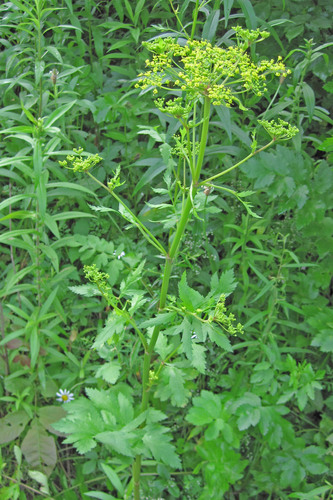

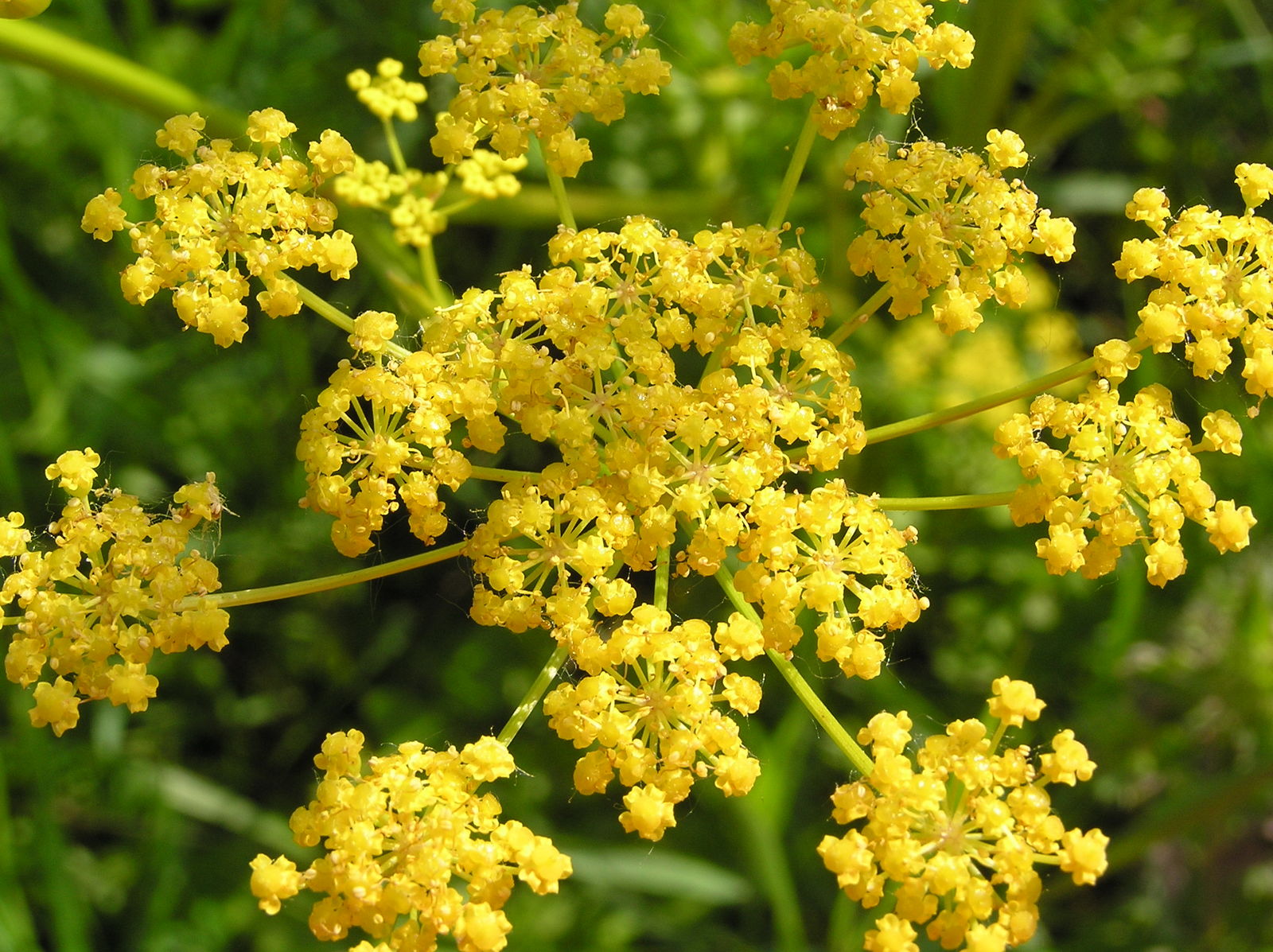
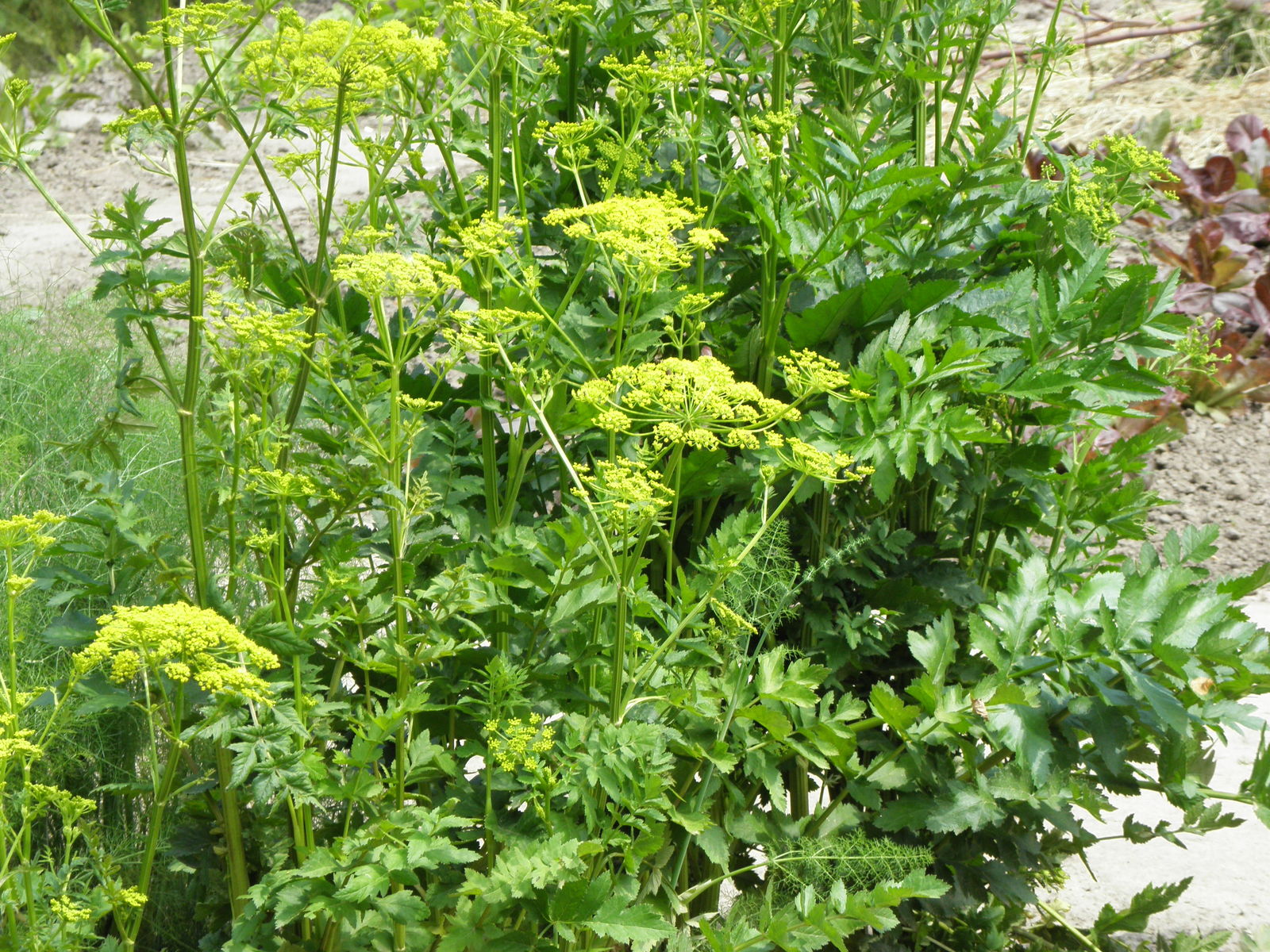
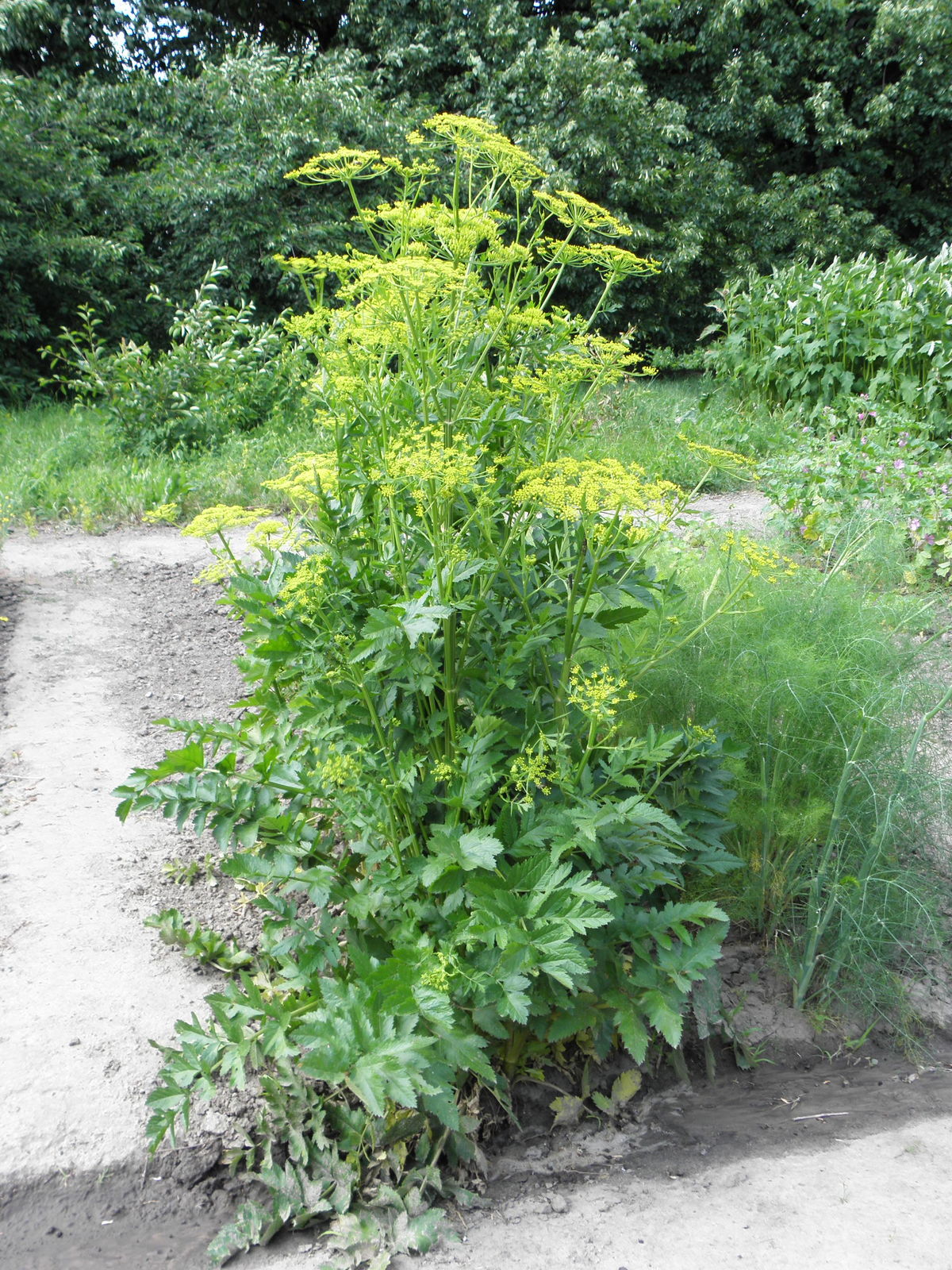
| Family: | Apiaceae |
| Care: | moderate |
| Light: | full sun to partial shade |
| Water: | every 7–10 days during activ |
Get Expert Care Tips
Download the Plantious app for personalized care reminders and plant identification!
Google Play App Store