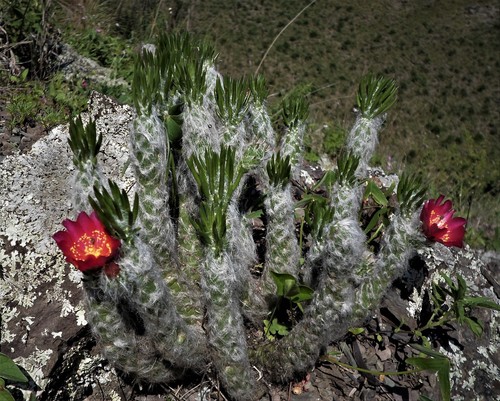
Wavy Cactus
cleistocactus straussii
Also known as: ["Wavy Cactus","Strauss's Cleistocactus"]
Overview
A columnar cactus with wavy stems and small spines, native to Bolivia.
Benefits & Perks
["drought tolerant","shade tolerant","aesthetic foliage"]
Botanical Classification
| Phylum: | Magnoliophyta |
| Class: | Magnoliopsida |
| Order: | Caryophyllales |
| Family: | Cactaceae |
| Genus: | Cleistocactus |
| Botanical Name: | Cleistocactus straussii |
Plant Characteristics
Basic Information
- Category: Succulents & Cacti
- Suitable Location: indoor pot in bright, sunny location or outdoor in sheltered, sunny spot
- Suitable For:
- Is Weed: No
- Allergenicity: low
Environmental Needs
- Climate: {"temperatureRange":"5–30°C"}
- Hardiness: {"zones":"9–11"}
- Misting: rarely required, only if ambient humidity is very low
- Drainage: Fast-draining to prevent root rot.
- Soil Type: Well-draining cactus mix with added perlite or coarse sand.
Maintenance Level
- Maintenance Level: very low
- Toughness Level: high
- Pruning Frequency: As needed, typically every 2–3 years or when stems become overgrown.
- Pruning Intensity: Light to moderate; remove only dead or unwanted parts.
Care Details
Ideal Sunlight Coverage:
Bright indirect light or filtered sunlight for 6–8 hours daily; adjust to direct morning sun in cooler months.
Sunlight Tolerance Tips:
Acclimate gradually to direct sun to avoid scorching; place in a spot with dappled light if indoors; move outdoors in spring/summer for stronger light.
Care Requirements
Care Difficulty
easymoderate
Sunlight
full sun to partial shade
Rotate plant weekly for even growth; avoid intense afternoon sun; provide shade during peak summer.
Watering
every 7–10 days during growing season, every 3–4 weeks in winter
Water deeply but infrequently; ensure soil dries completely between waterings; avoid overhead watering to prevent rot.
Soil
well-draining, sandy cactus mix
pH: Slightly acidic to neutral (pH 6.0–7.0).
Use a mix with large particles for aeration; avoid peat-heavy soils; ensure pots drain freely.
Temperature
Prefers 18–24°C (64–75°F) during growth; tolerates 10–13°C (50–55°F) in winter; avoid frost.
Protect from frost; avoid sudden temperature swings; ensure good air circulation.
Fertilizing
every 4–6 weeks during active growth with diluted cactus fertilizer
Fertilize only when actively growing; avoid over-fertilizing to prevent salt buildup; flush soil occasionally.
Propagation
Methods
Stem cuttings; occasionally offsets if produced.
Step-by-Step Propagation Guide
- Cut a healthy stem.
- Let it callus for 1–2 days.
- Plant in medium.
- Water lightly.
- Maintain humidity.
Best Time: Spring or early summer when the plant is actively growing.
Environment
Warm (21–24°C), high humidity (60–70%), and indirect light.
Medium
Cactus mix or perlite and sand mixture for good drainage.
Hormone
Optional, but recommended for faster rooting.
Timeline
Roots in 4–6 weeks; establish in 3–6 months.
Tools Needed
Sharp knife, rooting hormone, pot, cactus mix, plastic bag or propagator.
Quick Tips
Use sterile tools; avoid overwatering; provide bottom heat for faster rooting.
Pruning & Repotting
Pruning Guide
Method
Cut stems cleanly with a sharp tool; allow cuts to callus before handling.
Pruning Plan
Minimal pruning; remove dead or damaged stems to maintain shape and health.
Tools
Sharp, sterilized pruning shears or a clean knife.
Checklist
Sterilize tools; cut at a node; allow callusing; dispose of pruned material.
Repotting Guide
Best Season
Spring, before active growth begins.
Pot Size
Increase pot size by 2–5 cm (1–2 inches); ensure it has drainage holes.
Method
Remove plant carefully; trim roots if needed; repot in fresh cactus mix with good drainage; water lightly after repotting.
Suggestions
Repot every 2–3 years or when roots fill the pot; necessary to refresh soil and provide space.
Checklist
Prepare new pot; trim roots if necessary; use fresh soil; water sparingly; place in shade for a few days.
Advanced Care Tips
Watering Mastery
Watering Checklist
Check soil moisture; water deeply; ensure drainage; adjust seasonally.
How to Apply Water Properly
Water directly at the root zone until water drains from the bottom; ensure excess water exits the pot; water in the morning to allow foliage to dry.
Watering Schedule Tips
Water thoroughly during active growth (spring/summer) every 7–10 days, allowing soil to dry between waterings; reduce frequency to monthly in winter.
Soil Improvement
Add perlite, coarse sand, or pumice to standard potting mix; ensure large drainage holes in the pot.
Temperature Stress Management
Signs of Temperature Issues
Chlorosis or purpling in cold; wilting or sunburn in excessive heat.
Cold Stress
Slows growth; may cause root rot if soil remains wet in cold conditions.
Solution: Reduce watering in winter; insulate pots from cold surfaces; move to a warmer location if temperatures drop below 10°C.
Hot Stress
Can lead to dehydration, sunburn, or etiolation if not provided with adequate water and shade.
Solution: Provide shade during peak heat; increase watering frequency; use a fan for air circulation.
Fertilizing Guide
Fertilizing Checklist
Check growth phase; dilute fertilizer; apply to moist soil; avoid winter feeding.
Fertilizing Method
Use a balanced cactus fertilizer diluted to half strength every 4–6 weeks during spring/summer; cease in fall/winter.
Common Problems & Solutions
Toxicity Warning
Cats
Non-toxicCleistocactus straussii is not considered toxic to cats. Ingestion may cause mild gastrointestinal upset due to the plant's fibrous nature, but no significant toxic effects are documented.
⚠️ Symptoms:
🌿 Toxic Parts:
⚡ Toxic If:
if eaten
Dogs
Non-toxicCleistocactus straussii is not considered toxic to dogs. Ingestion may cause mild gastrointestinal upset due to the plant's fibrous nature, but no significant toxic effects are documented.
⚠️ Symptoms:
🌿 Toxic Parts:
⚡ Toxic If:
if eaten
Humans
Non-toxicCleistocactus straussii is generally non-toxic to humans. However, its spines can cause mechanical injury upon contact, leading to minor irritation or puncture wounds.
⚠️ Symptoms:
🌿 Toxic Parts:
⚡ Toxic If:
if touched
Frequently Asked Questions
Q: How often should I water Cleistocactus straussii?
A: Water sparingly, allowing the soil to dry completely between waterings.
Q: Does this cactus need full sun?
A: It prefers bright light but can tolerate partial shade.
Q: Is Cleistocactus straussii toxic to pets?
A: No, it is non-toxic to dogs and cats.
Quick Reference
| Family: | Cactaceae |
| Care: | easy |
| Light: | full sun to partial shade |
| Water: | every 7–10 days during growi |
Get Expert Care Tips
Download the Plantious app for personalized care reminders and plant identification!
Google Play App Store