Pearl millet
pennisetum glaucum
Also known as: ["Bajra","Millet"]
Overview
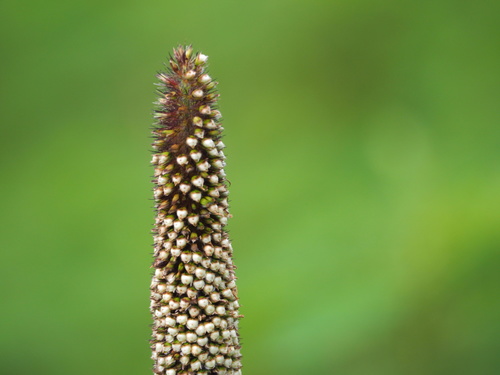
A tall, annual grass cultivated for its grain, widely grown in arid and semi-arid regions for food and fodder.
Benefits & Perks
["edible fruits","drought tolerant","wildlife attractant (bees, butterflies, birds)"]
Botanical Classification
| Phylum: | Magnoliophyta |
| Class: | Liliopsida |
| Order: | Poales |
| Family: | Poaceae |
| Genus: | Pennisetum |
| Botanical Name: | Pennisetum glaucum |
Plant Characteristics
Basic Information
- Category: Grains
- Suitable Location: outdoor garden bed in open, sunny area
- Suitable For:
- Is Weed: No
- Allergenicity: low
Environmental Needs
- Climate: {"temperatureRange":"15–35°C"}
- Hardiness: {"zones":"8–11"}
- Misting: rarely required, only if ambient humidity is very low
- Drainage: Fast-draining to prevent waterlogging.
- Soil Type: Well-draining, loamy soil with moderate organic matter.
Maintenance Level
- Maintenance Level: low
- Toughness Level: high
- Pruning Frequency: As needed, typically after seed harvest or in late fall.
- Pruning Intensity: Light pruning to tidy appearance.
Care Details
Ideal Sunlight Coverage:
Full sun (6–8 hours of direct sunlight daily). Tolerates partial shade but may produce fewer seeds.
Sunlight Tolerance Tips:
Acclimate seedlings gradually to full sun to prevent scorching. In hot climates, provide afternoon shade to reduce stress.
Care Requirements
Care Difficulty
easyeasy
Sunlight
full sun
Rotate plants for even growth; avoid sudden light changes; monitor for sunburn signs.
Watering
every 7–10 days during active growth, less frequently in dormant periods
Water at the base to avoid foliage wetting; ensure soil dries slightly between waterings; avoid overwatering to prevent root rot.
Soil
well-drained, sandy loam with moderate fertility
pH: Slightly acidic to neutral (pH 6.0–7.0).
Ensure good drainage; amend with organic matter; avoid heavy clay soils.
Temperature
Warm temperatures (65–95°F or 18–35°C). Thrives in hot summers but requires protection from frost.
Use frost cloth in cold snaps; water early to avoid heat stress; monitor soil temperature.
Fertilizing
every 4–6 weeks during growing season with balanced fertilizer
Fertilize sparingly; avoid nitrogen-heavy formulas; apply before active growth begins.
Propagation
Methods
Seed propagation is the most common and reliable method.
Step-by-Step Propagation Guide
- Sow seeds 1/2 inch deep.
- Thin seedlings to 6–12 inches apart.
- Water gently until established.
Best Time: Spring, after the last frost when soil temperatures are warm.
Environment
Warm, sunny conditions with consistent moisture.
Medium
Well-draining soil mix, such as a standard seed-starting mix.
Hormone
Not required for seeds.
Timeline
Germination in 7–14 days; plants reach maturity in 90–120 days.
Tools Needed
Seed trays, soil mix, watering can, labels.
Quick Tips
Sow seeds in warm soil; keep consistently moist; thin seedlings early to prevent overcrowding.
Pruning & Repotting
Pruning Guide
Method
Snip dead stems at the base with clean shears.
Pruning Plan
Minimal pruning required. Remove dead or damaged foliage as needed.
Tools
Hand pruners or scissors.
Checklist
Remove dead stems; clean tools; dispose of debris to prevent disease.
Repotting Guide
Best Season
N/A
Pot Size
N/A
Method
N/A
Suggestions
Not typically repotted, as it is usually grown as an annual in gardens.
Checklist
N/A
Advanced Care Tips
Watering Mastery
Watering Checklist
Check soil moisture before watering; water deeply; allow drainage; adjust seasonally.
How to Apply Water Properly
Water thoroughly until it drains from the bottom, ensuring the root zone is saturated. Water early in the morning to minimize evaporation and fungal issues.
Watering Schedule Tips
Water deeply once per week during active growth, reducing frequency to every 2–3 weeks in winter. Adjust based on rainfall and soil moisture retention.
Soil Improvement
Add compost or well-rotted manure to enhance fertility and drainage.
Temperature Stress Management
Signs of Temperature Issues
Chlorosis or wilting in excessive heat; stunted growth or browning in cold stress.
Cold Stress
Low temperatures slow growth and may cause leaf damage or death in frost conditions.
Solution: Plant in frost-free zones or protect with row covers in cooler climates. Avoid planting in late fall or early spring in cold regions.
Hot Stress
Excessive heat can lead to wilting, reduced seed production, and leaf scorch.
Solution: Provide adequate water, mulch to retain soil moisture, and consider afternoon shade in extreme heat.
Fertilizing Guide
Fertilizing Checklist
Use balanced fertilizer; apply at planting and mid-season; avoid over-fertilization.
Fertilizing Method
Use a balanced, slow-release fertilizer at planting and once mid-season. Avoid high-nitrogen fertilizers to prevent excessive foliage growth at the expense of seeds.
Common Problems & Solutions
Toxicity Warning
Cats
Non-toxicPennisetum glaucum is not considered toxic to cats when ingested in small quantities, such as accidental consumption of fallen grains or plant material.
⚡ Toxic If:
Not applicable
Dogs
Non-toxicPennisetum glaucum is not considered toxic to dogs when ingested in small quantities, such as accidental consumption of fallen grains or plant material.
⚡ Toxic If:
Not applicable
Humans
Non-toxicPennisetum glaucum, commonly known as pearl millet, is a staple food crop in many parts of the world and is generally considered non-toxic to humans when consumed in its typical forms (e.g., grain, flour).
⚡ Toxic If:
Not applicable
Frequently Asked Questions
Q: Is pearl millet safe for human consumption?
A: Yes, pearl millet is a staple food in many regions and is safe for human consumption.
Q: How does pearl millet grow?
A: It grows as a tall, annual grass, thriving in arid and semi-arid conditions with minimal water requirements.
Q: Can pearl millet be used as fodder?
A: Yes, the plant is also cultivated as fodder for livestock due to its nutritional value.
Quick Reference
| Family: | Poaceae |
| Care: | easy |
| Light: | full sun |
| Water: | every 7–10 days during activ |
Get Expert Care Tips
Download the Plantious app for personalized care reminders and plant identification!
Google Play App Store