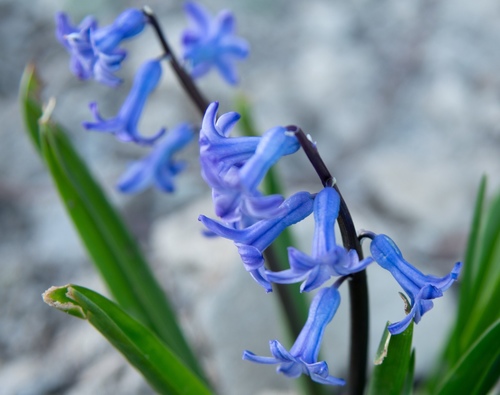
Spanish bluebell
hyacinthoides hispanica
Also known as: ["Spanish bluebell","Wood hyacinth"]
Overview
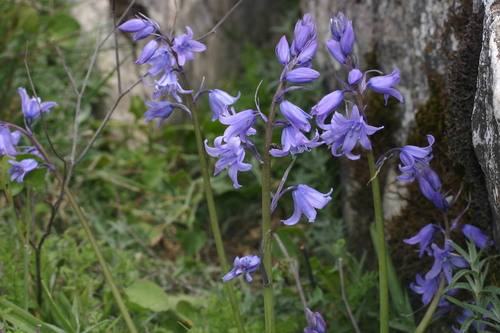
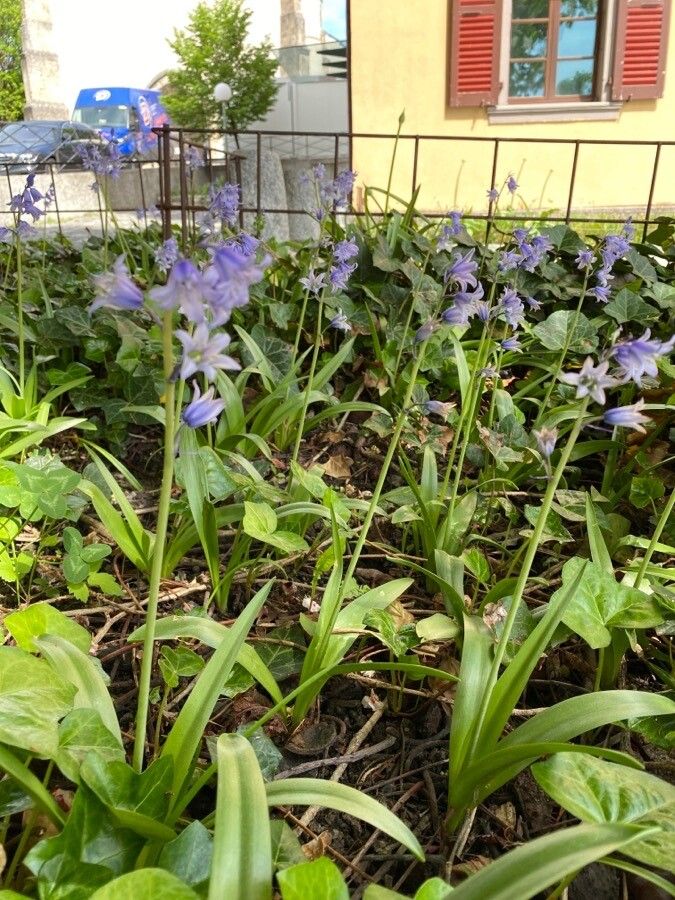
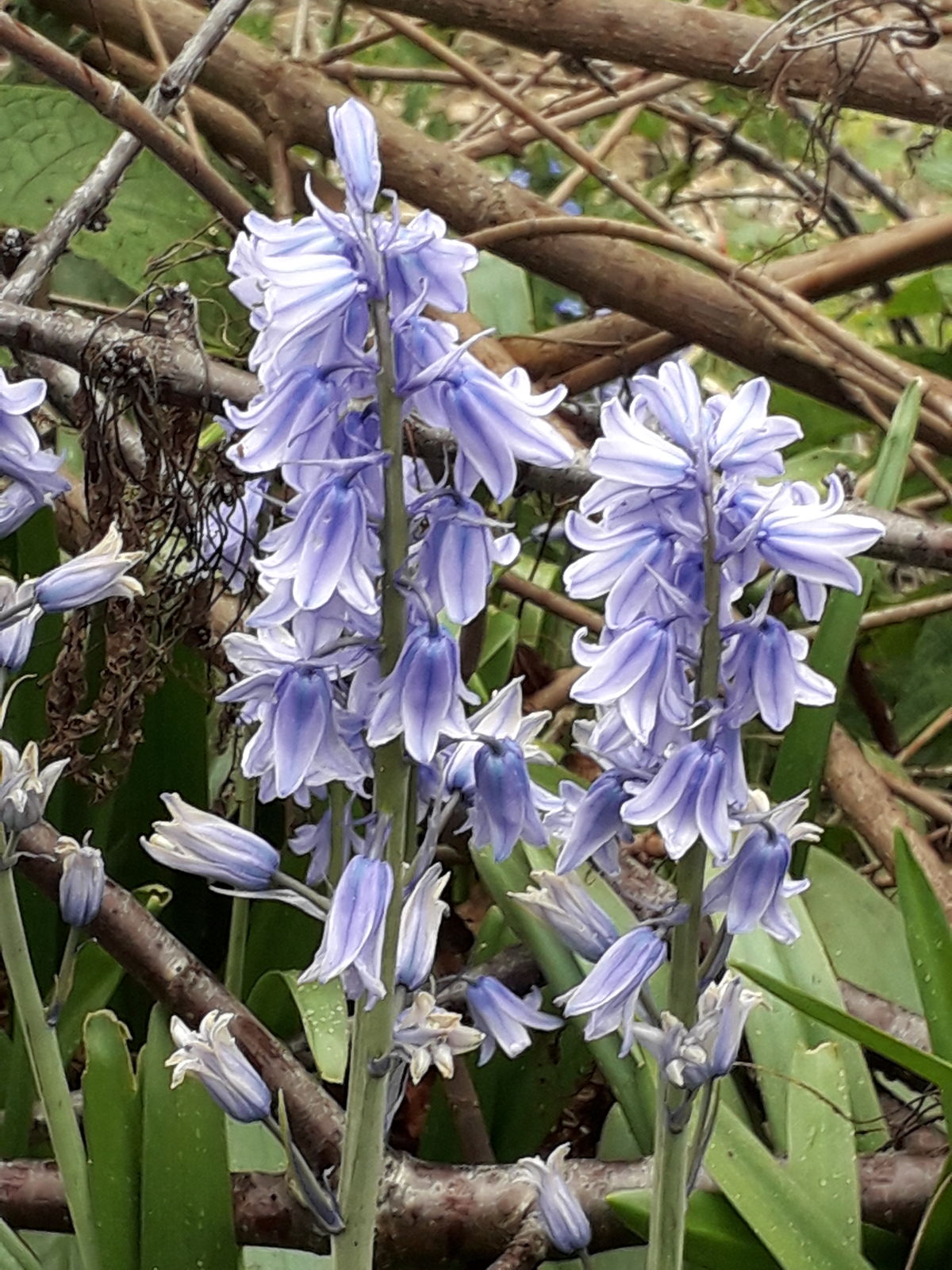
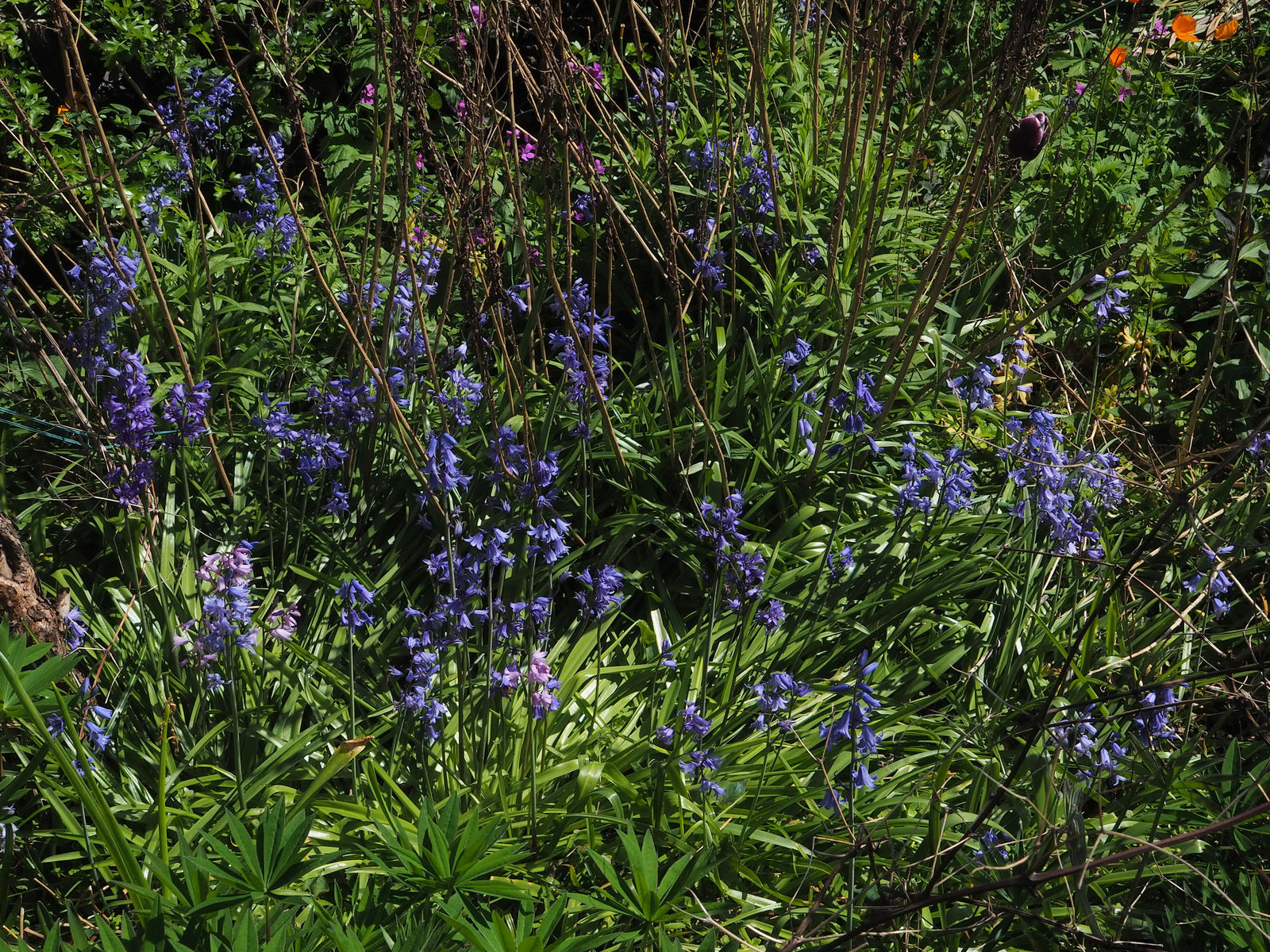
A bulbous perennial herbaceous plant native to Spain and Portugal, known for its bell-shaped blue flowers in spring.
Benefits & Perks
["long-flowering","wildlife attractant (bees, butterflies, birds)","shade tolerant"]
Botanical Classification
| Phylum: | Magnoliophyta |
| Class: | Liliopsida |
| Order: | Asparagales |
| Family: | Asparagaceae |
| Genus: | Hyacinthoides |
| Botanical Name: | Hyacinthoides hispanica |
Plant Characteristics
Basic Information
- Category: Flowers
- Suitable Location: naturalized in lawns, woodland edges, or under deciduous trees
- Suitable For:
- Is Weed: No
- Allergenicity: low
Environmental Needs
- Climate: {"temperatureRange":"–15–30°C"}
- Hardiness: {"zones":"3–9"}
- Misting: rarely required, only if ambient humidity is very low
- Drainage: Fast-draining to prevent bulb rot.
- Soil Type: Well-drained, loamy soil with added organic matter; sandy soil is acceptable if amended with compost.
Maintenance Level
- Maintenance Level: low
- Toughness Level: moderate
- Pruning Frequency: After flowering; annually in late spring or early summer.
- Pruning Intensity: Light pruning; focus on tidying rather than shaping.
Care Details
Ideal Sunlight Coverage:
Full sun to partial shade (4–6 hours of direct sunlight daily); tolerates light shade in hotter climates.
Sunlight Tolerance Tips:
Acclimate plants gradually to full sun if moved from shade; protect from intense midday sun in hot regions; ensure good air circulation to prevent fungal issues.
Care Requirements
Care Difficulty
easymoderate
Sunlight
full sun to partial shade
Plant in a spot with morning sun and afternoon shade; avoid deep shade for best flowering; rotate pots for even light exposure.
Watering
every 7–10 days during active growth, reduce in dormancy
Water at the base, not foliage; ensure soil dries slightly between waterings; adjust frequency based on weather and growth stage.
Soil
well-drained, humus-rich soil
pH: Slightly acidic to neutral (pH 6.0–7.0).
Ensure soil is loose and crumbly; avoid heavy clay soils; test pH if uncertain.
Temperature
Hardy in USDA zones 3–9; tolerates cold winters down to -30°F (-34°C); prefers cool summers; thrives in 60–70°F (15–21°C) during active growth.
Protect from late frosts in spring; ensure good air circulation in hot weather; adjust watering based on temperature fluctuations.
Fertilizing
every 2–3 weeks during spring and early summer, none in dormancy
Fertilize sparingly to avoid bulb rot; apply fertilizer to soil, not foliage; water after fertilizing to distribute nutrients.
Propagation
Methods
Division of bulbs; seed propagation is possible but slower and may not produce identical plants.
Step-by-Step Propagation Guide
- Dig up bulbs after foliage dies back.
- Separate small bulb offsets from the mother bulb.
- Replant at the same depth.
- Water well after planting.
Best Time: Divide bulbs immediately after flowering in late spring or early summer; sow seeds in fall for overwintering.
Environment
Bulbs prefer full sun and well-drained soil; seeds need cold stratification for germination and should be kept moist but not waterlogged.
Medium
Well-drained bulb mix or sandy loam with added perlite; for seeds, use a standard seed-starting mix.
Hormone
Not necessary for bulb division; optional for seedlings to encourage root development.
Timeline
Bulbs can be divided and replanted immediately; seeds may take 1–3 years to flower.
Tools Needed
Garden fork or trowel, clean knife or shears, bulb dibber.
Quick Tips
Divide bulbs every 3–4 years to maintain vigor; store divided bulbs in a cool, dry place if not planting immediately; label new plantings to track growth.
Pruning & Repotting
Pruning Guide
Method
Snip flower stalks just below the base; gently pull away dead foliage once it turns brown.
Pruning Plan
Minimal pruning needed; remove spent flower stalks to encourage bulb energy storage; remove yellowed or dead foliage after it dies back naturally.
Tools
Hand pruners or sharp scissors, gloves.
Checklist
Wait until flowers fade; cut stalks cleanly; avoid cutting green foliage; clean tools after use.
Repotting Guide
Best Season
Late summer or early fall, after dormancy but before new growth begins.
Pot Size
Increase pot size by 2–3 inches if repotting in a container; ensure the new pot has drainage holes.
Method
Gently remove bulbs, shake off excess soil, divide if necessary, replant at the same depth in fresh, well-drained soil, and water lightly.
Suggestions
Hyacinthoides hispanica is typically grown in-ground; container-grown plants may need repotting every 2–3 years if bulbs become overcrowded.
Checklist
Choose the right time; prepare new soil mix; handle bulbs carefully; replant at correct depth; water lightly after repotting.
Advanced Care Tips
Watering Mastery
Watering Checklist
Check soil moisture before watering; water deeply but infrequently; ensure proper drainage; adjust for seasonal needs.
How to Apply Water Properly
Water thoroughly until it drains from the bottom, ensuring even moisture reaches the root zone; avoid wetting leaves to prevent fungal issues; water in the morning to allow foliage to dry.
Watering Schedule Tips
Water deeply once a week during active growth in spring; reduce watering in summer dormancy; avoid waterlogged soil year-round.
Soil Improvement
Add compost or well-rotted manure to improve structure; incorporate sand or perlite for drainage; use mulch to retain moisture and suppress weeds.
Temperature Stress Management
Signs of Temperature Issues
Leaf scorch or bleaching in excessive heat; slow growth or bud drop in cold stress; mold or rot in overly damp, cold conditions.
Cold Stress
Bulbs can survive freezing temperatures but may exhibit delayed growth or reduced flowering if exposed to prolonged cold without proper mulch protection.
Solution: Apply a 2–3 inch layer of mulch over bulbs in late fall; plant in well-drained soil to prevent bulb rot; avoid overwatering in winter.
Hot Stress
Excessive heat can cause foliage to yellow or wilt, reduce flowering, and stress the bulbs, especially if combined with drought.
Solution: Provide partial shade during peak heat; water deeply but infrequently; apply mulch to keep roots cool and retain moisture.
Fertilizing Guide
Fertilizing Checklist
Use bulb-specific fertilizer; apply at recommended dilution; fertilize only during active growth; avoid fertilizing dormant bulbs.
Fertilizing Method
Use a balanced, slow-release bulb fertilizer in early spring as growth begins; avoid high-nitrogen fertilizers; discontinue feeding during dormancy.
Common Problems & Solutions
Toxicity Warning
Cats
ToxicHyacinthoides hispanica is toxic to cats, with the bulbs posing the highest risk. Ingestion can cause severe gastrointestinal and neurological symptoms, necessitating immediate veterinary intervention.
⚠️ Symptoms:
🌿 Toxic Parts:
⚡ Toxic If:
if eaten
Dogs
ToxicThe plant is toxic to dogs, with the bulbs being the most dangerous part. Ingestion can lead to severe gastrointestinal upset and neurological symptoms, requiring prompt veterinary care.
⚠️ Symptoms:
🌿 Toxic Parts:
⚡ Toxic If:
if eaten
Humans
ToxicHyacinthoides hispanica contains toxic compounds, primarily alkaloids, which can cause significant physiological effects upon ingestion. The bulbs are particularly toxic and can lead to severe gastrointestinal and neurological disturbances.
⚠️ Symptoms:
🌿 Toxic Parts:
⚡ Toxic If:
if eaten
Frequently Asked Questions
Q: Is Spanish bluebell toxic to pets?
A: Yes, it is mildly toxic to dogs and cats if ingested.
Q: Does Hyacinthoides hispanica require full sun?
A: It prefers partial shade but can tolerate full sun in cooler climates.
Q: How do I propagate Spanish bluebells?
A: They can be propagated by dividing the bulbs in autumn or by seed sowing in spring.
Quick Reference

| Family: | Asparagaceae |
| Care: | easy |
| Light: | full sun to partial shade |
| Water: | every 7–10 days during activ |
Get Expert Care Tips
Download the Plantious app for personalized care reminders and plant identification!
Google Play App Store