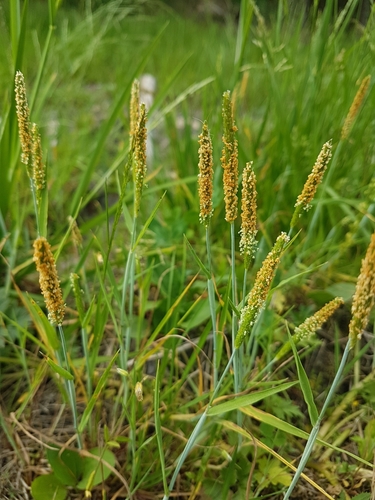
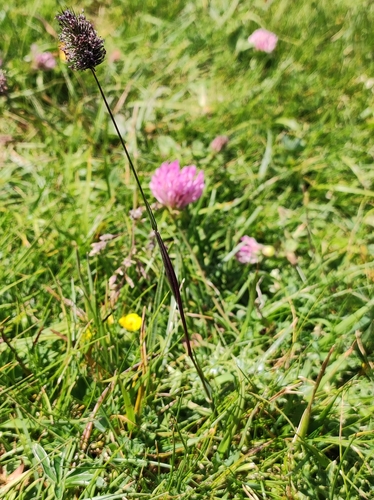
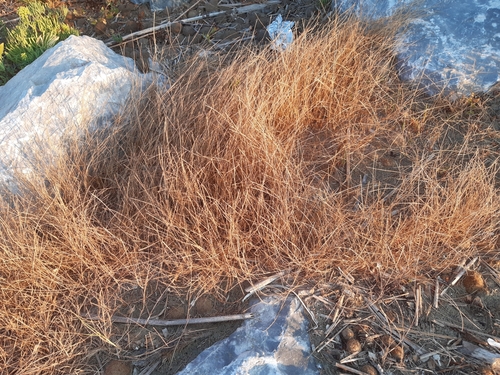
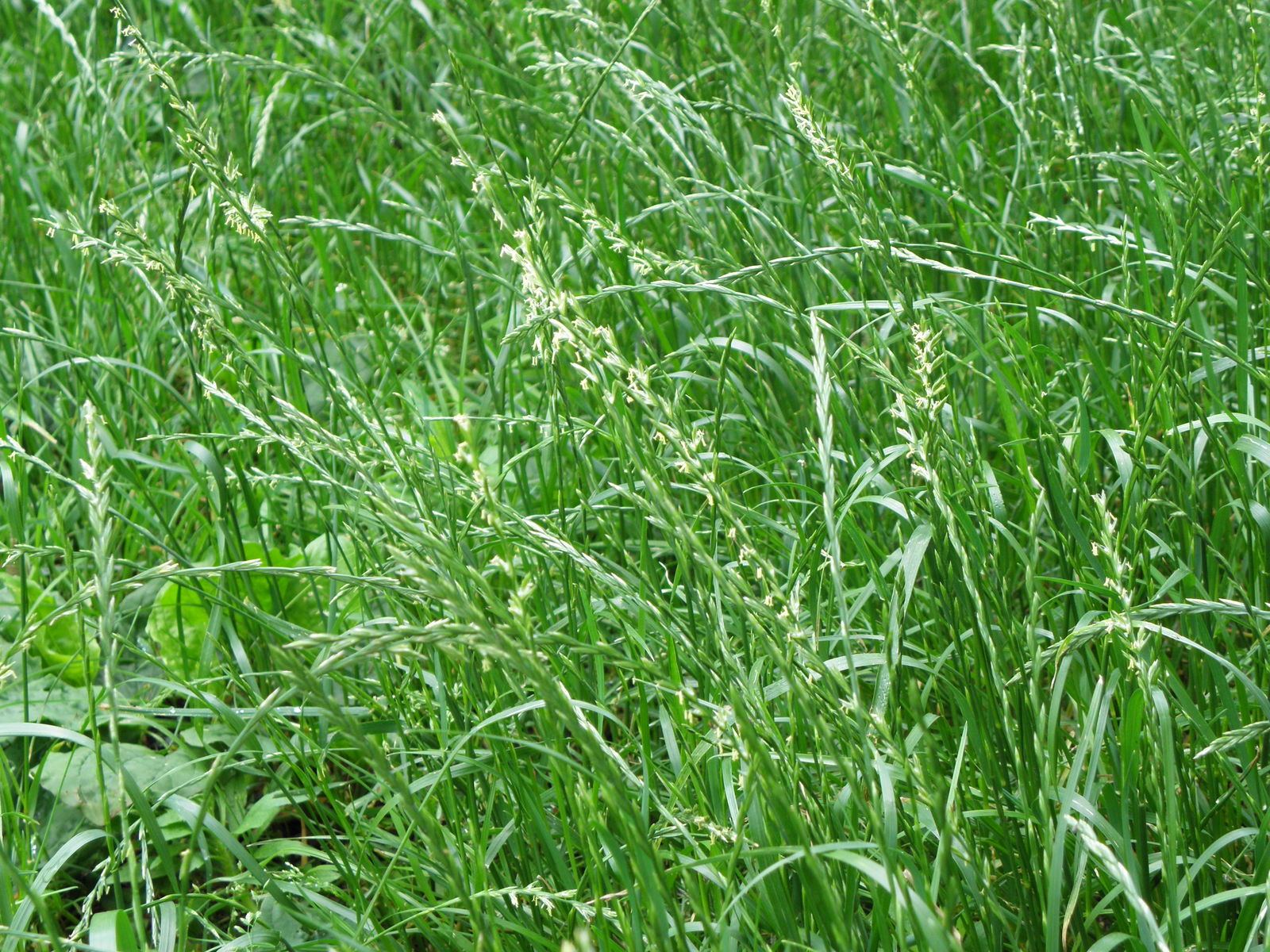
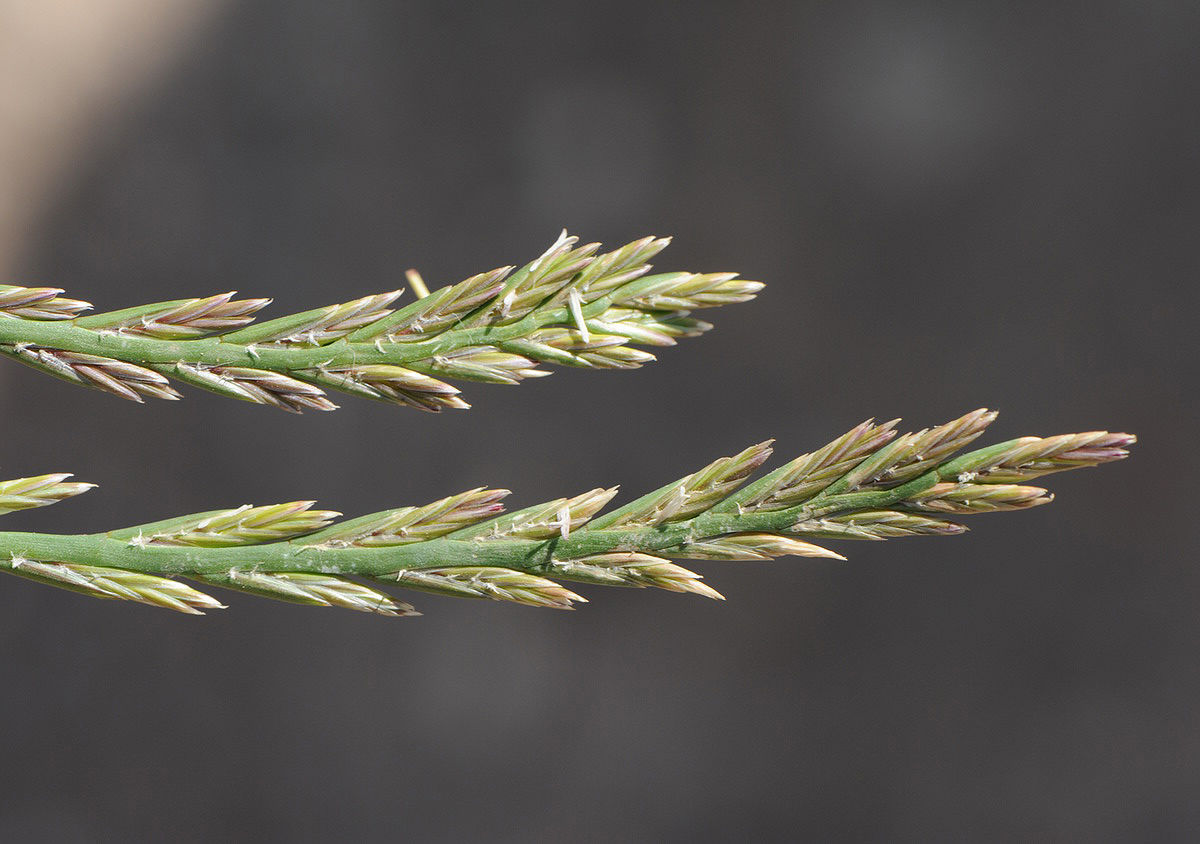
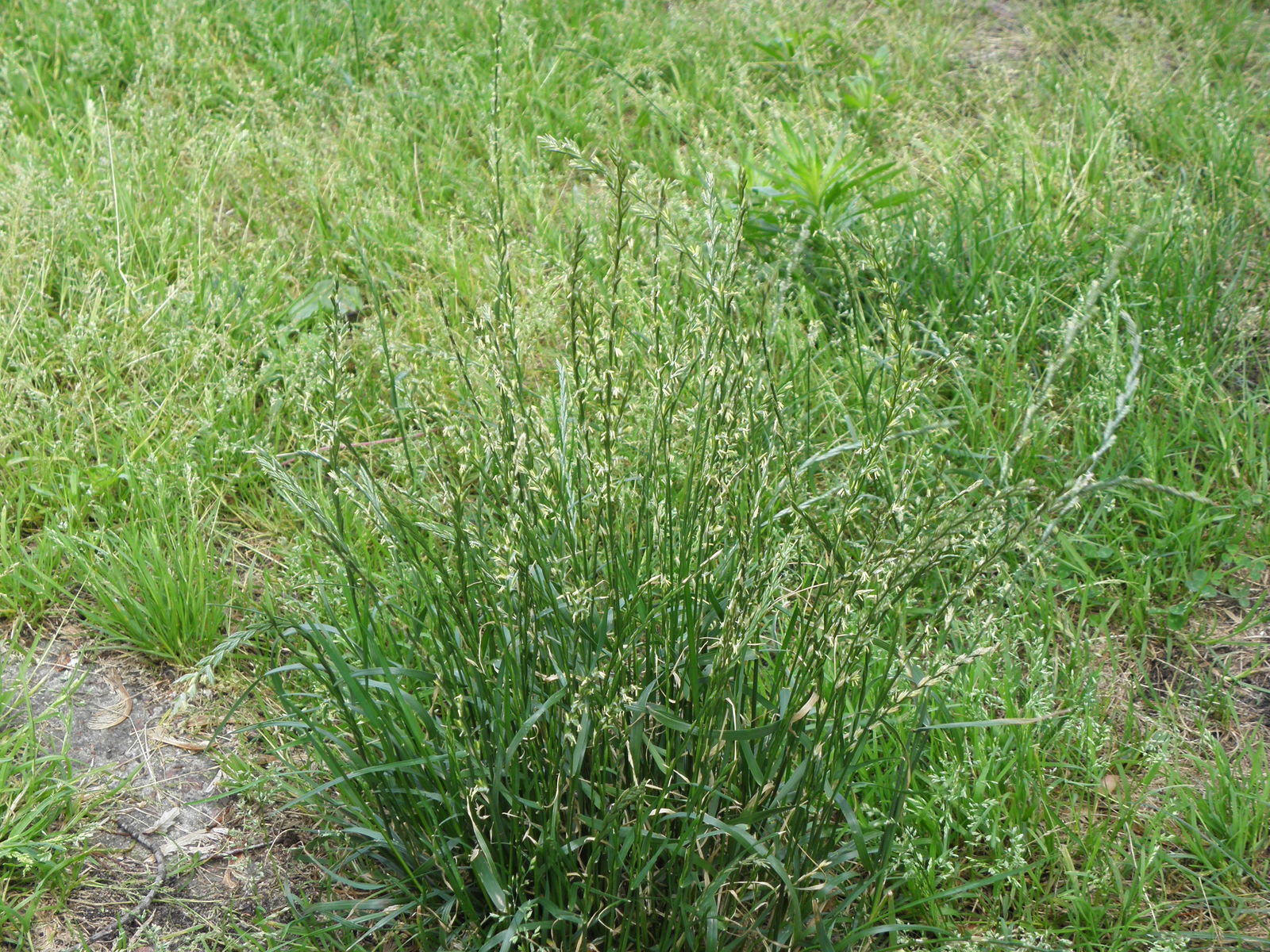
Perennial Ryegrass
lolium perenne
Also known as: ["Ryegrass","English Ryegrass","Crested Ryegrass"]
Overview
A cool-season grass species widely used for lawns, pastures, and sports fields due to its rapid growth and durability.
Benefits & Perks
["fast growing","drought tolerant","shade tolerant","wildlife attractant (bees, butterflies, birds)"]
Botanical Classification
| Phylum: | Magnoliophyta |
| Class: | Liliopsida |
| Order: | Poales |
| Family: | Poaceae |
| Genus: | Lolium |
| Botanical Name: | Lolium perenne |
Plant Characteristics
Basic Information
- Category: Grasses
- Suitable Location: lawn, pasture, or athletic field
- Suitable For:
- Is Weed: No
- Allergenicity: moderate
Environmental Needs
- Climate: {"temperatureRange":"5–30°C"}
- Hardiness: {"zones":"3–9"}
- Misting: rarely required, only in very dry conditions
- Drainage: Well-draining to moderately draining; avoid waterlogged conditions.
- Soil Type: Loamy, fertile soil with good organic matter content; tolerates a range of soil types.
Maintenance Level
- Maintenance Level: moderate
- Toughness Level: high
- Pruning Frequency: Weekly during active growth; dethatch once per year in spring or fall.
- Pruning Intensity: Moderate (mowing to 2.5-3.5 inches height; dethatching to remove dead material).
Care Details
Ideal Sunlight Coverage:
Full sun (6-8 hours/day) for optimal growth; tolerates partial shade but may thin in low light.
Sunlight Tolerance Tips:
Acclimate new plants to full sun gradually; avoid sudden exposure to intense midday sun; adjust placement based on seasonal light changes.
Care Requirements
Care Difficulty
easyeasy
Sunlight
full sun to partial shade
Monitor for leaf scorch in intense sun; provide shade during extreme heat; rotate outdoor plants for even light exposure.
Watering
every 7–10 days during active growth, more frequently in drought conditions
Water early morning to minimize evaporation; ensure soil is moist but not waterlogged; avoid frequent shallow watering.
Soil
fertile, well-drained loamy soil
pH: Slightly acidic to neutral (pH 6.0-7.0).
Aerate compacted soil; mulch to retain moisture; avoid heavy clay amendments unless necessary.
Temperature
Prefers cool to moderate temperatures (60-75°F/15-24°C); tolerates cold but may struggle in prolonged heat above 85°F/29°C.
Adjust watering in extreme temperatures; protect from frost; avoid planting in extreme heat.
Fertilizing
every 4–6 weeks during growing season with balanced lawn fertilizer
Test soil before fertilizing; apply fertilizer evenly; water lightly after application.
Propagation
Methods
Seeds or sod for new lawns; vegetative propagation via stolon division for established patches.
Step-by-Step Propagation Guide
- Prepare seedbed or area.
- Sow seeds or lay sod.
- Keep moist.
- Thin or fill gaps as needed.
Best Time: Spring or early fall for optimal establishment; avoid midsummer heat.
Environment
Warm soil (60-70°F/15-21°C), consistent moisture, and partial shade for seeds; full sun for established plants.
Medium
Well-draining seed-starting mix or prepared soil bed for seeds; existing soil for sod or division.
Hormone
Not required for seeds or sod; rooting hormone may aid stolon division if needed.
Timeline
Seeds germinate in 7-14 days; sod establishes in 2-4 weeks; divisions root within 1-2 weeks.
Tools Needed
Rake, seed spreader, watering can, garden knife (for division).
Quick Tips
Keep seedbed consistently moist; press seeds lightly into soil; avoid walking on new sod.
Pruning & Repotting
Pruning Guide
Method
Mow with a sharp blade; dethatch using a rake or vertical mower; avoid scalping the lawn.
Pruning Plan
Mow regularly to maintain desired height; remove thatch annually to promote healthy growth.
Tools
Lawn mower, dethatching rake, leaf blower.
Checklist
Check blade sharpness; mow when dry; avoid removing more than 1/3 of blade height; clean up clippings.
Repotting Guide
Best Season
Spring for container plants; avoid repotting during extreme heat or dormancy.
Pot Size
Increase pot size by 2-3 inches in diameter for container plants.
Method
Use fresh, well-draining soil; gently tease out roots if compacted; ensure proper drainage.
Suggestions
Not applicable for established lawns; container-grown Lolium may need repotting every 1-2 years.
Checklist
Prepare new pot and soil; water plant before repotting; trim roots if necessary; place in appropriate light.
Advanced Care Tips
Watering Mastery
Watering Checklist
Check soil moisture before watering; water early morning; avoid wetting foliage; ensure proper drainage.
How to Apply Water Properly
Apply water evenly across the root zone to a depth of 6-8 inches; ensure water penetrates before runoff occurs; allow soil to dry slightly between waterings.
Watering Schedule Tips
Water deeply 1-2 times per week during active growth, reducing frequency in dormant seasons; adjust based on rainfall and soil moisture retention.
Soil Improvement
Add compost or organic matter to enhance fertility and drainage; use gypsum for clay soils.
Temperature Stress Management
Signs of Temperature Issues
Chlorosis or browning in heat stress; stunted growth or winter dormancy in cold stress.
Cold Stress
Growth slows or halts; roots may become susceptible to frost damage in extreme cold.
Solution: Apply a thick mulch layer for insulation; avoid overwatering in cold; protect from harsh winter winds.
Hot Stress
Wilting, browning leaf tips, and reduced vigor due to excessive heat and evaporation.
Solution: Increase watering frequency; provide partial shade during peak heat; ensure good soil moisture retention.
Fertilizing Guide
Fertilizing Checklist
Check soil pH; follow label instructions; avoid fertilizing stressed plants; water after fertilizing.
Fertilizing Method
Use a balanced slow-release fertilizer (e.g., 10-10-10) in early spring and fall; avoid over-fertilizing during dormancy.
Common Problems & Solutions
Toxicity Warning
Cats
Slightly ToxicCats may experience mild toxicity from Lolium perenne if they consume large quantities, especially if the plant is contaminated with ergot. Ergot alkaloids can lead to gastrointestinal distress and neurological issues in cats.
⚠️ Symptoms:
🌿 Toxic Parts:
⚡ Toxic If:
if eaten in large quantities
Dogs
Slightly ToxicIn dogs, Lolium perenne can be slightly toxic if ingested in large quantities, particularly if contaminated with ergot. Ergot alkaloids can cause gastrointestinal upset and, in severe cases, neurological symptoms.
⚠️ Symptoms:
🌿 Toxic Parts:
⚡ Toxic If:
if eaten in large quantities
Humans
Slightly ToxicLolium perenne, commonly known as perennial ryegrass, can cause mild toxicity in humans if consumed in large quantities. The primary concern is the potential for ergot alkaloid contamination, which can lead to ergotism, a condition characterized by neurological and vascular symptoms.
⚠️ Symptoms:
🌿 Toxic Parts:
⚡ Toxic If:
if eaten in large quantities
Frequently Asked Questions
Q: Is Perennial Ryegrass suitable for shady areas?
A: Yes, it can tolerate partial shade but thrives best in full sun.
Q: How often should Perennial Ryegrass be watered?
A: Water deeply once a week, or more frequently during hot, dry periods.
Q: Does Perennial Ryegrass require fertilization?
A: Yes, fertilize in early spring and late fall to maintain healthy growth.
Quick Reference
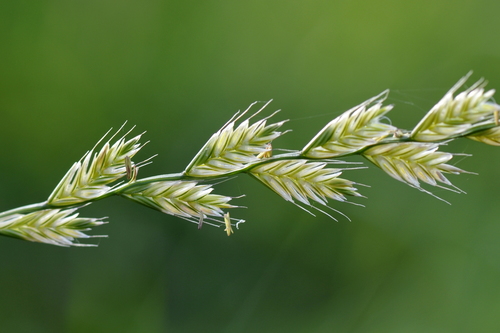
| Family: | Poaceae |
| Care: | easy |
| Light: | full sun to partial shade |
| Water: | every 7–10 days during activ |
Get Expert Care Tips
Download the Plantious app for personalized care reminders and plant identification!
Google Play App Store