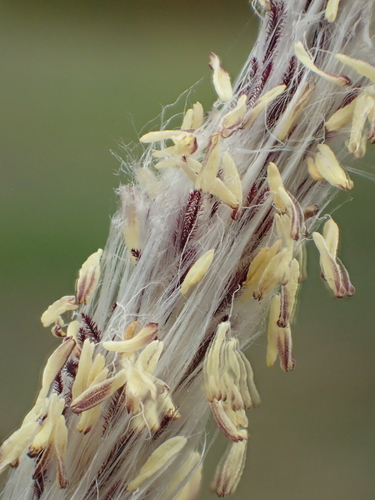
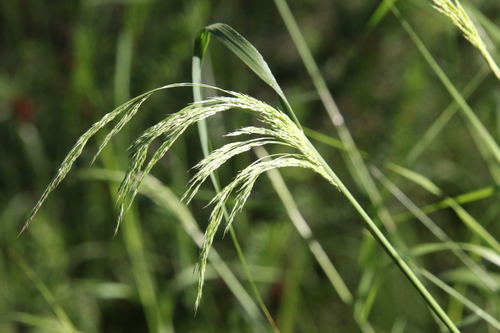
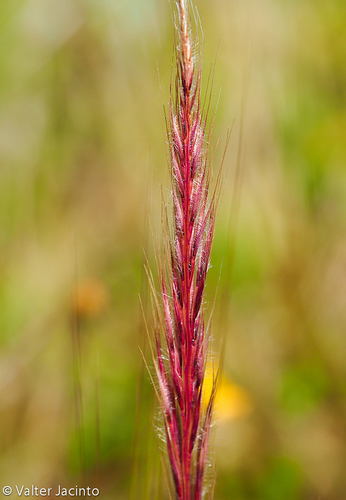
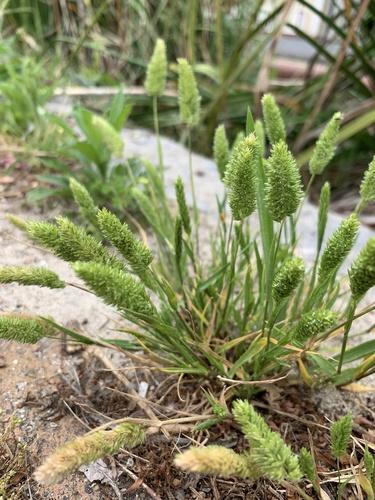
Einkorn wheat
triticum monococcum
Also known as: ["Aegilops monococcum","Wild einkorn wheat"]
Overview
One of the earliest cultivated forms of wheat, known for its hardiness and ancient lineage.
Benefits & Perks
["edible fruits","drought tolerant","wildlife attractant (bees, butterflies, birds)"]
Botanical Classification
| Phylum: | Magnoliophyta |
| Class: | Liliopsida |
| Order: | Poales |
| Family: | Poaceae |
| Genus: | Triticum |
| Botanical Name: | Triticum monococcum |
Plant Characteristics
Basic Information
- Category: Fruits
- Suitable Location: outdoor field or garden bed
- Suitable For:
- Is Weed: No
- Allergenicity: moderate
Environmental Needs
- Climate: {"temperatureRange":"5–30°C"}
- Hardiness: {"zones":"4–8"}
- Misting: rarely required
- Drainage: Well-draining to prevent waterlogging.
- Soil Type: Loamy, fertile soil with good organic matter content.
Maintenance Level
- Maintenance Level: moderate
- Toughness Level: high
- Pruning Frequency: As needed, typically after harvest or if disease is present.
- Pruning Intensity: Light pruning; remove only damaged or non-productive parts.
Care Details
Ideal Sunlight Coverage:
Full sun (6–8 hours/day); adjust for seasonal variations to prevent overheating in summer.
Sunlight Tolerance Tips:
Acclimate plants gradually to intense sunlight; avoid sudden exposure to prevent scorching; provide shade during peak summer hours for outdoor plants.
Care Requirements
Care Difficulty
moderatemoderate
Sunlight
full sun
Rotate plants for even light exposure; use sheer curtains to filter intense sunlight; monitor for signs of sunburn.
Watering
every 7–10 days during active growth, less frequently in dormant periods
Water thoroughly but infrequently; ensure proper drainage; avoid wetting foliage.
Soil
well-drained loamy soil with moderate fertility
pH: Slightly acidic to neutral (pH 6.0–7.0).
Test soil pH annually; amend with organic matter before planting; ensure proper drainage to prevent root rot.
Temperature
Optimal range: 15–25°C (59–77°F); cooler temperatures (10–15°C) during dormancy.
Monitor temperature fluctuations; adjust watering based on heat; protect from frost.
Fertilizing
every 4–6 weeks during growing season with balanced fertilizer
Apply fertilizer to moist soil to prevent root burn; flush soil occasionally to prevent salt buildup; adjust based on plant response.
Propagation
Methods
Seed propagation is the primary method for Triticum monococcum.
Step-by-Step Propagation Guide
- Sow seeds 1–2 cm deep, keep soil moist, thin seedlings to 10–15 cm apart, provide full sun as they grow.
Best Time: Spring, when temperatures are mild and growth is active.
Environment
Warm (20–25°C), bright indirect light, and consistent moisture.
Medium
Well-draining seed-starting mix or loamy soil.
Hormone
Not applicable for seed propagation.
Timeline
Germination in 7–14 days; plants mature in 6–8 months.
Tools Needed
Seed trays, soil, water spray bottle, labels
Quick Tips
Sow seeds in groups to ensure germination; thin seedlings carefully to avoid damaging roots; harden off seedlings before transplanting.
Pruning & Repotting
Pruning Guide
Method
Cut stems at a 45-degree angle just above a node or healthy growth point.
Pruning Plan
Minimal pruning required; focus on removing dead or diseased stems to maintain plant health.
Tools
Pruning shears, sterilizing solution
Checklist
Inspect for damage, sterilize tools, make clean cuts, dispose of pruned material
Repotting Guide
Best Season
Early spring, before active growth begins.
Pot Size
Increase pot size by 2–5 cm in diameter.
Method
Gently remove the plant, trim roots if necessary, place in a new pot with fresh soil, water lightly.
Suggestions
Not typically required for field-grown plants; container-grown plants may need repotting every 2–3 years.
Checklist
Choose appropriate pot, prepare new soil, handle roots carefully, water after repotting
Advanced Care Tips
Watering Mastery
Watering Checklist
Check soil moisture, water deeply, ensure drainage, avoid foliage wetting
How to Apply Water Properly
Water directly at the base of the plant, ensuring moisture reaches the root zone; allow excess water to drain away; water early in the morning to minimize evaporation.
Watering Schedule Tips
Water deeply once the top inch of soil is dry; reduce frequency in winter to prevent root rot.
Soil Improvement
Add compost or well-rotted manure to enhance fertility; incorporate sand or perlite for drainage.
Temperature Stress Management
Signs of Temperature Issues
Chlorosis, stunted growth, bud drop, or wilting.
Cold Stress
Low temperatures can halt growth and damage tender tissues; frost can kill young plants.
Solution: Provide frost protection (e.g., row covers); move potted plants indoors; avoid overwatering in cold conditions.
Hot Stress
Excessive heat can cause wilting, scorching, and reduced grain yield.
Solution: Provide shade during peak heat; increase watering frequency; ensure good air circulation.
Fertilizing Guide
Fertilizing Checklist
Check growth stage, use diluted fertilizer, avoid winter feeding, flush soil periodically
Fertilizing Method
Use balanced NPK fertilizer (e.g., 10-10-10) at half strength every 4–6 weeks during active growth; avoid fertilizing in winter.
Common Problems & Solutions
Toxicity Warning
Cats
Non-toxicEinkorn wheat is not considered toxic to cats. However, cats are obligate carnivores and do not typically consume grains, so ingestion may cause digestive upset.
⚡ Toxic If:
Generally non-toxic
Dogs
Non-toxicEinkorn wheat is not considered toxic to dogs. However, dogs with grain allergies or sensitivities may experience digestive upset.
⚡ Toxic If:
Generally non-toxic
Humans
Non-toxicTriticum monococcum, commonly known as einkorn wheat, is a primitive variety of wheat that is generally considered safe for human consumption. It has been cultivated for thousands of years and is a staple food in many cultures.
⚡ Toxic If:
Generally non-toxic
Frequently Asked Questions
Q: Is Einkorn wheat gluten-free?
A: No, Einkorn wheat contains gluten, though it is often considered more tolerable for some individuals with gluten sensitivities.
Q: How tall does Einkorn wheat grow?
A: Einkorn wheat typically grows to a height of 1 to 1.5 meters.
Q: Can Einkorn wheat be grown in containers?
A: While possible, Einkorn wheat is best grown in open ground due to its root system and height requirements.
Quick Reference


| Family: | Poaceae |
| Care: | moderate |
| Light: | full sun |
| Water: | every 7–10 days during activ |
Get Expert Care Tips
Download the Plantious app for personalized care reminders and plant identification!
Google Play App Store