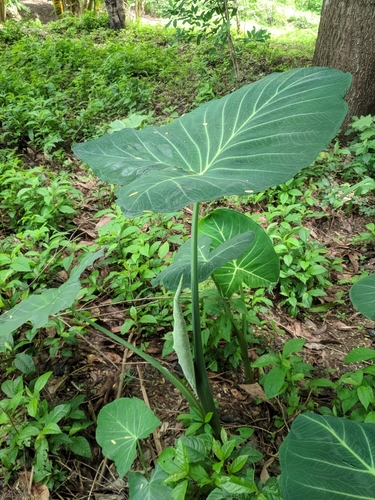
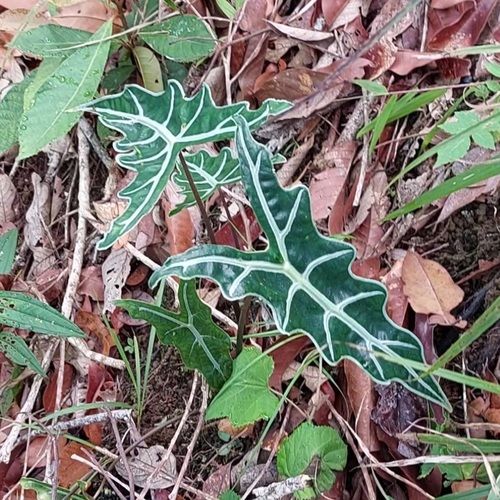
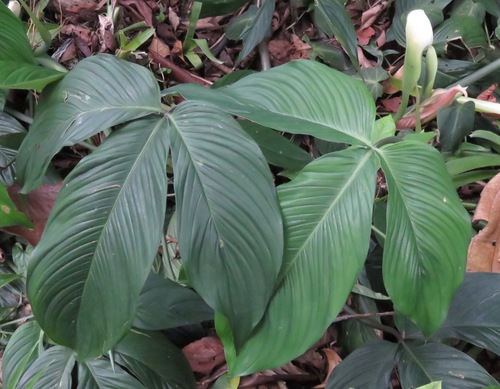
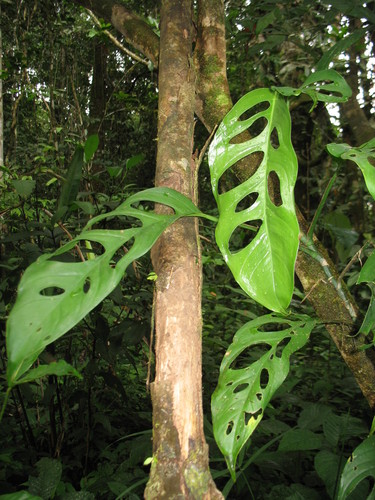
Titan Arum
amorphophallus titanum
Also known as: ["Corpse Flower","Bunga Bangkai"]
Overview
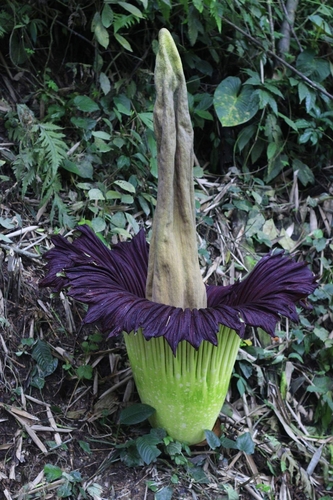
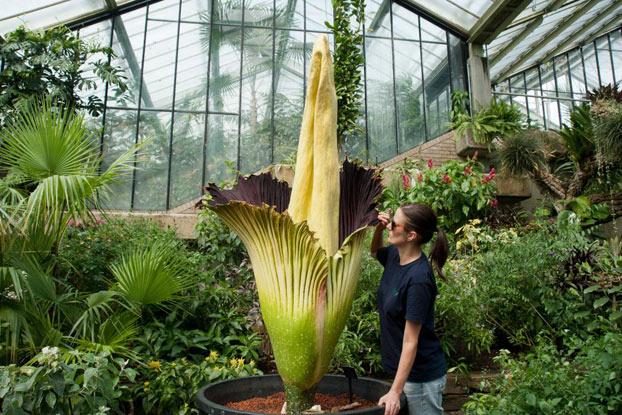
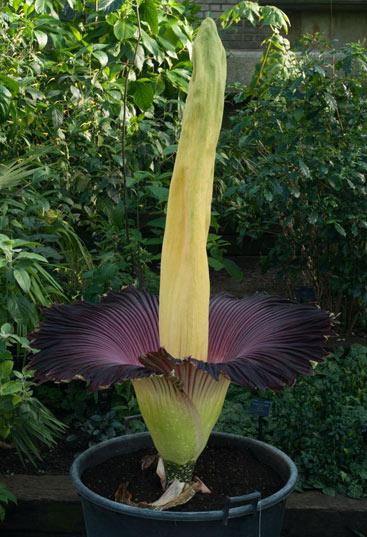
A rare and massive flowering plant known for its enormous inflorescence and pungent odor, native to the rainforests of Sumatra.
Benefits & Perks
["rare/collector’s item","fragrant flowers","wildlife attractant (bees, butterflies, birds)"]
Botanical Classification
| Phylum: | Magnoliophyta |
| Class: | Liliopsida |
| Order: | Alismatales |
| Family: | Araceae |
| Genus: | Amorphophallus |
| Botanical Name: | Amorphophallus titanum |
Plant Characteristics
Basic Information
- Category: Flowers
- Suitable Location: indoor pot in a warm, humid greenhouse or conservatory
- Suitable For:
- Is Weed: No
- Allergenicity: moderate
Environmental Needs
- Climate: {"temperatureRange":"18–30°C"}
- Hardiness: {"zones":"10–11"}
- Misting: every 2–3 days to maintain high humidity
- Drainage: Fast-draining to prevent waterlogging.
- Soil Type: Well-draining, rich in organic matter, such as a mix of cactus soil, peat, and perlite.
Maintenance Level
- Maintenance Level: very high
- Toughness Level: very low
- Pruning Frequency: As needed, typically annually or when debris accumulates.
- Pruning Intensity: Light pruning; remove only dead or yellowing leaves.
Care Details
Ideal Sunlight Coverage:
Bright indirect light for 6–8 hours daily. Tolerates partial shade but requires some direct sun for optimal growth.
Sunlight Tolerance Tips:
Acclimate slowly to direct sun to avoid scorching; provide shade during peak midday hours; adjust light exposure based on indoor/outdoor placement.
Care Requirements
Care Difficulty
expert onlychallenging
Sunlight
partial shade
Rotate plant for even light; avoid direct afternoon sun; use sheer curtains for filtered light.
Watering
every 7–10 days during growing season, reduce in dormancy
Water thoroughly but infrequently; ensure proper drainage; adjust based on season and growth stage.
Soil
well-draining, organic-rich potting mix
pH: Slightly acidic to neutral (pH 6.0–7.0).
Use a mix with good drainage; avoid heavy clay soils; ensure pH is within range.
Temperature
Prefers warm temperatures (65–85°F or 18–29°C). Tolerates brief dips to 50°F (10°C) but thrives in warmth.
Protect from frost; maintain consistent warmth; avoid drafts.
Fertilizing
every 2–4 weeks during active growth with balanced liquid fertilizer
Fertilize only when actively growing; avoid over-fertilizing; flush soil occasionally to prevent salt buildup.
Propagation
Methods
Seeds or division of tubers (rarely propagated by home growers due to difficulty).
Step-by-Step Propagation Guide
- Collect fresh seeds or divide tubers.
- Plant in appropriate medium.
- Maintain high humidity.
- Wait for growth.
Best Time: Spring, when the plant is emerging from dormancy.
Environment
Warm, humid, and shaded environment with consistent moisture.
Medium
Well-draining mix of peat, perlite, and sand for seeds; division requires sterile, moist soil.
Hormone
Not typically required for division; rooting hormone may aid seed germination.
Timeline
Seeds may take months to germinate; division can take 1–2 years to establish.
Tools Needed
Pruning shears, sterile knife, pots, rooting medium.
Quick Tips
Use fresh seeds; sterilize tools; maintain consistent conditions.
Pruning & Repotting
Pruning Guide
Method
Cut stems at the base; avoid damaging the tuber.
Pruning Plan
Minimal pruning; focus on removing dead or damaged foliage to maintain health.
Tools
Pruning shears, sterilized knife.
Checklist
Check for dead foliage; sterilize tools; cut cleanly at the base.
Repotting Guide
Best Season
Spring, before active growth begins.
Pot Size
Increase pot size by 2–3 inches in diameter.
Method
Gently remove the tuber; trim any damaged roots; repot in fresh, well-draining soil with a slightly larger pot.
Suggestions
Repot only when the tuber outgrows its container or soil becomes depleted (every 2–3 years).
Checklist
Check tuber size; prepare new pot; use fresh soil; ensure good drainage.
Advanced Care Tips
Watering Mastery
Watering Checklist
Check soil moisture; water deeply; ensure drainage; adjust for season.
How to Apply Water Properly
Water at the base, ensuring moisture reaches the root zone without saturating. Water early in the day to minimize evaporation and allow foliage to dry.
Watering Schedule Tips
Water deeply during active growth (spring/summer), reducing frequency in dormancy (fall/winter). Allow soil to dry slightly between waterings.
Soil Improvement
Add perlite or sand for drainage; incorporate compost for fertility; ensure aeration with coarse materials.
Temperature Stress Management
Signs of Temperature Issues
Chlorosis, leaf drop, stunted growth, or failure to emerge from dormancy.
Cold Stress
Slows metabolic processes, inhibits growth, and can cause root rot if soil remains cold and wet.
Solution: Move to a warmer location; insulate roots with mulch; avoid overwatering in cool conditions.
Hot Stress
Leaves may wilt, scorch, or curl; growth may slow if temperatures exceed 90°F (32°C) for extended periods.
Solution: Provide shade during peak heat; increase humidity; water more frequently but ensure drainage.
Fertilizing Guide
Fertilizing Checklist
Check growth stage; use diluted fertilizer; avoid dormant periods.
Fertilizing Method
Use a balanced, slow-release fertilizer diluted to half strength every 4–6 weeks during active growth. Reduce or stop in dormancy.
Common Problems & Solutions
Toxicity Warning
Cats
Slightly ToxicCats may experience mild to moderate irritation if they ingest the tubers or roots of Amorphophallus titanum due to the presence of calcium oxalate crystals. The toxicity is generally not life-threatening but can cause discomfort.
⚠️ Symptoms:
🌿 Toxic Parts:
⚡ Toxic If:
if eaten
Dogs
Slightly ToxicDogs may experience mild to moderate irritation if they ingest the tubers or roots of Amorphophallus titanum due to the presence of calcium oxalate crystals. The toxicity is generally not life-threatening but can cause discomfort.
⚠️ Symptoms:
🌿 Toxic Parts:
⚡ Toxic If:
if eaten
Humans
Slightly ToxicThe tubers and roots of Amorphophallus titanum contain calcium oxalate crystals, which can cause irritation and inflammation upon ingestion. The plant is not highly toxic but can lead to discomfort if consumed in significant quantities.
⚠️ Symptoms:
🌿 Toxic Parts:
⚡ Toxic If:
if eaten
Frequently Asked Questions
Q: Why does the Titan Arum smell like rotting flesh?
A: The pungent odor mimics decaying organic matter to attract pollinators such as carrion beetles and flies.
Q: How tall does the Titan Arum grow?
A: The inflorescence can reach up to 3 meters (10 feet) tall, while the leaf can grow up to 6 meters (20 feet) tall.
Q: How long does it take for the Titan Arum to bloom?
A: It typically takes 7–10 years from seed to first bloom, with blooming events occurring every few years.
Quick Reference

| Family: | Araceae |
| Care: | expert only |
| Light: | partial shade |
| Water: | every 7–10 days during growi |
Get Expert Care Tips
Download the Plantious app for personalized care reminders and plant identification!
Google Play App Store