Wheat
triticum aestivum
Also known as: ["Common wheat","Bread wheat"]
Overview
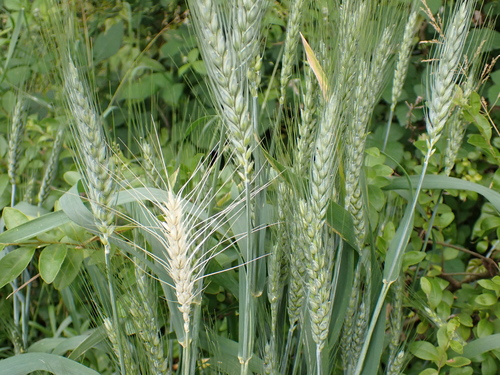
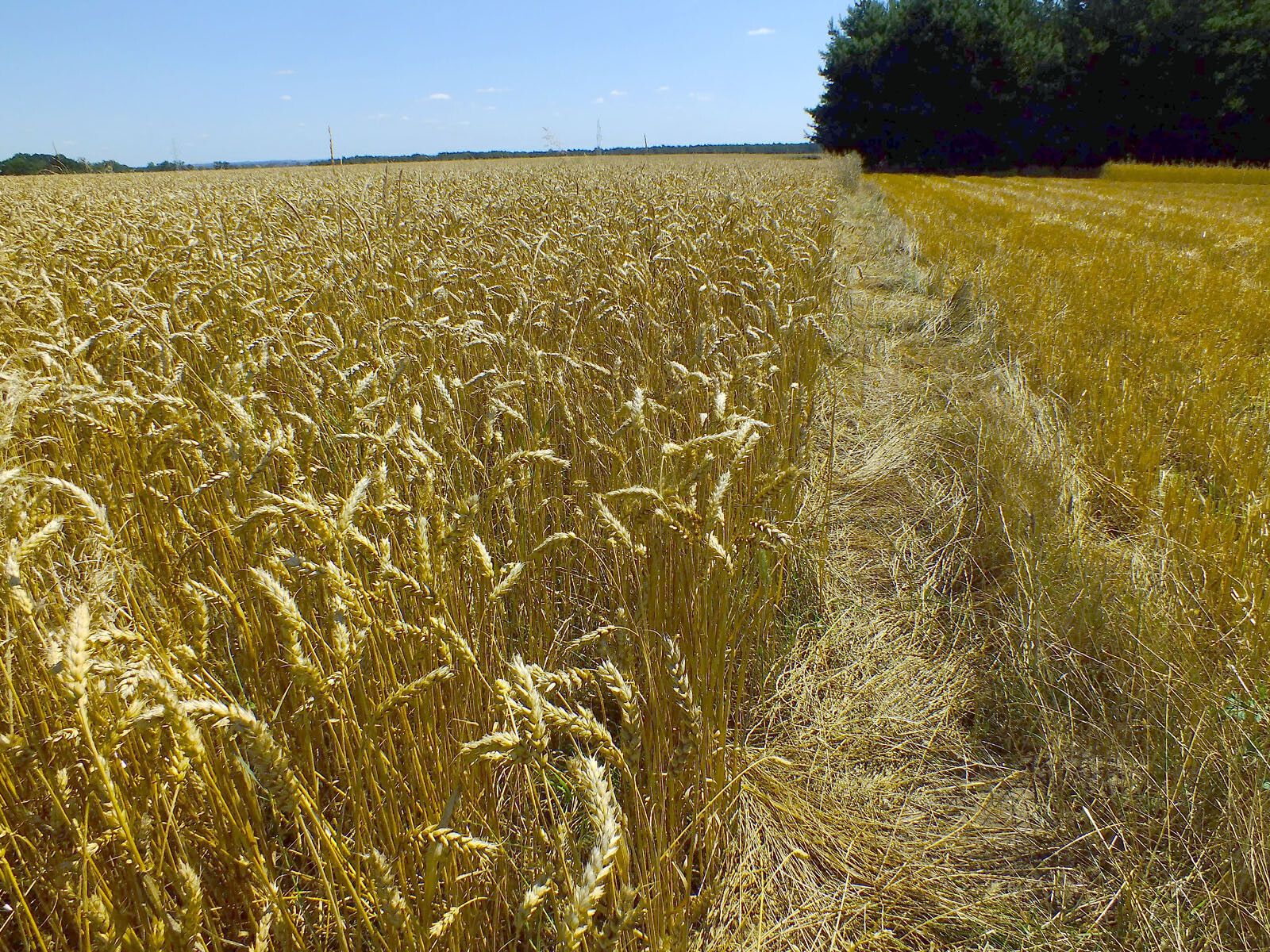
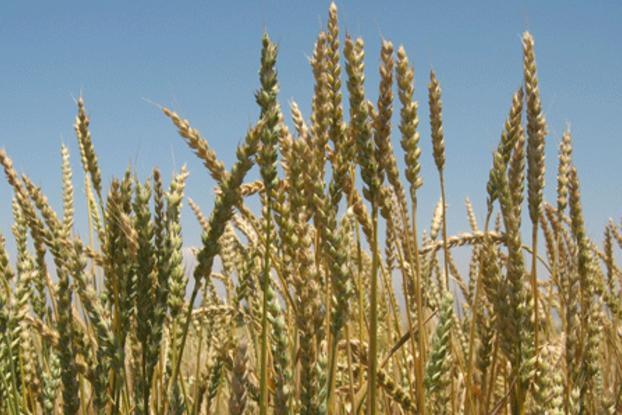
A globally significant cereal grain, widely cultivated for its edible seeds (wheat berries) used in flour production.
Benefits & Perks
["edible fruits","drought tolerant","aesthetic foliage"]
Botanical Classification
| Phylum: | Magnoliophyta |
| Class: | Liliopsida |
| Order: | Poales |
| Family: | Poaceae |
| Genus: | Triticum |
| Botanical Name: | Triticum aestivum |
Plant Characteristics
Basic Information
- Category: Fruits
- Suitable Location: outdoor field or garden
- Suitable For:
- Is Weed: No
- Allergenicity: moderate
Environmental Needs
- Climate: {"temperatureRange":"5–30°C"}
- Hardiness: {"zones":"4–9"}
- Misting: rarely required
- Drainage: Well-draining to moderately draining; avoid waterlogged conditions.
- Soil Type: Loamy, fertile soil with good organic matter content; well-drained but moisture-retentive.
Maintenance Level
- Maintenance Level: moderate
- Toughness Level: high
- Pruning Frequency: N/A
- Pruning Intensity: N/A
Care Details
Ideal Sunlight Coverage:
Full sun (6–8 hours of direct sunlight per day); adjust for seasonal variations to prevent scorching in extreme heat.
Sunlight Tolerance Tips:
Acclimate plants gradually to full sun if moved from shade; provide partial shade during peak summer heat to prevent leaf burn; ensure adequate spacing for light penetration.
Care Requirements
Care Difficulty
easymoderate
Sunlight
full sun
Rotate plants for even growth; use shade cloth in extreme heat; avoid sudden light changes.
Watering
every 7–10 days during active growth, less frequently in dormant periods
Water at the base of the plant to avoid foliage wetting; ensure soil is moist but not waterlogged; avoid overhead watering to prevent fungal issues.
Soil
fertile, well-drained loamy soil
pH: 6.0–7.5 (slightly acidic to neutral).
Test soil pH annually; amend with organic matter before planting; ensure proper drainage to prevent root rot.
Temperature
Optimal range: 15–25°C (59–77°F); tolerates cooler temperatures but requires warmth for germination and growth.
Monitor soil temperature for germination; use shade during heatwaves; protect from frost in early spring.
Fertilizing
every 4–6 weeks during growing season with balanced fertilizer
Apply fertilizer evenly around the base; avoid contact with foliage; water after fertilizing to activate nutrients.
Propagation
Methods
Seed propagation is the primary method; direct seeding is common for field cultivation.
Step-by-Step Propagation Guide
- Prepare seedbed.
- Sow seeds at recommended depth (2–3 cm).
- Thin seedlings if necessary.
- Maintain soil moisture until establishment.
Best Time: Autumn for winter wheat; early spring for spring wheat; align with optimal growing conditions for the variety.
Environment
Full sun, well-drained soil, and consistent moisture for germination; moderate temperatures for optimal growth.
Medium
Well-drained, fertile soil with adequate organic matter; direct sowing in prepared beds.
Hormone
Not applicable for seed propagation.
Timeline
Germination in 7–14 days; maturity in 180–240 days depending on variety and conditions.
Tools Needed
Garden trowel, seed spreader, rake, watering can.
Quick Tips
Sow seeds in rows for easier management; keep soil consistently moist during germination; thin seedlings to prevent overcrowding.
Pruning & Repotting
Pruning Guide
Method
N/A
Pruning Plan
Not applicable for wheat; focus on weed control and disease management instead.
Tools
N/A
Checklist
N/A
Repotting Guide
Best Season
Early spring before active growth begins for container-grown plants.
Pot Size
N/A for field-grown; for containers, increase pot size by 2–5 cm in diameter.
Method
N/A for field-grown; for containers, gently lift the plant, trim roots if necessary, and repot in fresh soil with improved drainage.
Suggestions
Not applicable for field-grown wheat; container-grown wheat may require repotting if roots become crowded.
Checklist
N/A for field-grown; for containers, check root health, use fresh soil, ensure proper drainage, and water after repotting.
Advanced Care Tips
Watering Mastery
Watering Checklist
Check soil moisture before watering; water deeply at the base; ensure proper drainage; avoid wetting foliage.
How to Apply Water Properly
Water directly at the root zone to encourage deep root growth; apply until water begins to drain from the bottom; water early in the morning to minimize evaporation and fungal growth.
Watering Schedule Tips
Water deeply once per week during active growth, reducing frequency in winter dormancy; adjust based on rainfall and soil moisture retention.
Soil Improvement
Incorporate compost or well-rotted manure; add sand or perlite for drainage if needed; use green manure crops to improve soil structure.
Temperature Stress Management
Signs of Temperature Issues
Chlorosis or necrosis in extreme heat; stunted growth or failure to germinate in cold; wilting or browning in temperature stress.
Cold Stress
Slows growth and development; can lead to frost damage or death in prolonged cold; reduces grain yield.
Solution: Plant in well-drained soil to avoid waterlogging in cold; use row covers or mulch for insulation; select cold-tolerant varieties.
Hot Stress
Causes wilting, reduced photosynthesis, and premature flowering; can lead to grain shriveling and yield loss.
Solution: Provide adequate water to maintain soil moisture; use mulch to retain soil coolness; plant in areas with afternoon shade if possible.
Fertilizing Guide
Fertilizing Checklist
Use balanced fertilizer; apply at planting and tillering; water after application; avoid late-season fertilization.
Fertilizing Method
Use balanced NPK fertilizer (e.g., 10-10-10) at planting and during tillering; reduce or stop fertilizing in late summer to avoid lodging; dilute to half-strength for foliar feeding.
Common Problems & Solutions
Toxicity Warning
Cats
Non-toxicWheat is not typically toxic to cats when ingested in small amounts. However, contamination or excessive consumption can lead to health problems.
⚠️ Symptoms:
🌿 Toxic Parts:
⚡ Toxic If:
Generally non-toxic unless contaminated
Dogs
Non-toxicWheat is generally safe for dogs when consumed in moderation. However, contamination with harmful substances can cause health issues.
⚠️ Symptoms:
🌿 Toxic Parts:
⚡ Toxic If:
Generally non-toxic unless contaminated
Humans
Non-toxicTriticum aestivum, commonly known as common wheat, is generally non-toxic to humans when consumed in its typical form. However, contamination with mycotoxins or ergot can lead to adverse health effects.
⚠️ Symptoms:
🌿 Toxic Parts:
⚡ Toxic If:
Generally non-toxic unless contaminated
Frequently Asked Questions
Q: Is wheat gluten-free?
A: No, wheat contains gluten, a protein that can cause issues for people with celiac disease or gluten sensitivity.
Q: How long does it take for wheat to grow?
A: Depending on the variety and climate, wheat typically takes 7–8 months from planting to harvest.
Q: Can wheat be grown in home gardens?
A: Yes, wheat can be grown in home gardens, though it requires sufficient space and specific growing conditions.
Quick Reference


| Family: | Poaceae |
| Care: | easy |
| Light: | full sun |
| Water: | every 7–10 days during activ |
Get Expert Care Tips
Download the Plantious app for personalized care reminders and plant identification!
Google Play App Store