Poison Sumac
toxicodendron vernix
Also known as: ["Poison Sumac","Poison Wood","Poison Dogwood"]
Overview
A deciduous shrub or small tree native to wet, acidic environments in eastern North America, known for its potent urushiol oil that causes severe allergic reactions.
Benefits & Perks
["wildlife attractant (bees, butterflies, birds)"]
Botanical Classification
| Phylum: | Magnoliophyta |
| Class: | Magnoliopsida |
| Order: | Sapindales |
| Family: | Anacardiaceae |
| Genus: | Toxicodendron |
| Botanical Name: | Toxicodendron vernix |
Plant Characteristics
Basic Information
- Category: Shrubs
- Suitable Location: naturalized areas, woodland edges, or shaded garden beds
- Suitable For:
- Is Weed: No
- Allergenicity: high
Environmental Needs
- Climate: {"temperatureRange":"–30–30°C"}
- Hardiness: {"zones":"3–6"}
- Misting: rarely required, only if ambient humidity is very low
- Drainage: Moderately well-draining; avoid waterlogged conditions.
- Soil Type: Rich, moist, well-draining soil with organic matter.
Maintenance Level
- Maintenance Level: moderate
- Toughness Level: moderate
- Pruning Frequency: As needed, typically after flowering or in early spring.
- Pruning Intensity: Light to moderate; avoid heavy pruning unless necessary for shape or health.
Care Details
Ideal Sunlight Coverage:
Full sun to partial shade; tolerates full sun but benefits from afternoon shade in hot climates.
Sunlight Tolerance Tips:
Acclimate gradually to intense sunlight; protect from harsh afternoon sun to prevent scorching; adjust placement based on seasonal light intensity.
Care Requirements
Care Difficulty
expert onlymoderate
Sunlight
partial shade to full sun
Avoid direct afternoon sun in summer; provide dappled light in hot regions; rotate plant for even growth.
Watering
every 7–10 days during growing season, reduce in winter
Water deeply but infrequently; ensure excellent drainage; avoid waterlogged soil.
Soil
moist, well-drained, acidic to neutral loam
pH: Acidic to neutral (pH 5.5–7.0).
Ensure good drainage; maintain consistent moisture; enrich with organic matter.
Temperature
Hardy in USDA zones 3–7; tolerates cold temperatures but prefers moderate conditions (50–75°F).
Protect from frost; avoid sudden temperature changes; adjust watering in extreme heat.
Fertilizing
every 4–6 weeks during active growth, none in winter
Fertilize sparingly; avoid high-nitrogen formulas; stop feeding in dormancy.
Propagation
Methods
Seed or root division; stem cuttings are less reliable.
Step-by-Step Propagation Guide
- Collect fresh seeds or divide roots.
- Sow seeds shallowly or replant divisions.
- Maintain moisture and warmth.
Best Time: Spring or early summer when the plant is actively growing.
Environment
Warm, humid conditions with indirect light for cuttings; consistent moisture for seeds.
Medium
Well-draining seed starting mix or sandy loam for root division.
Hormone
Not typically required for seeds; rooting hormone may aid cuttings.
Timeline
Seeds may take several weeks to months to germinate; root division establishes quickly.
Tools Needed
Pruning shears, trowel, rooting hormone (optional), seed trays or pots.
Quick Tips
Use fresh seeds for best germination; ensure divisions have healthy roots; maintain consistent moisture.
Pruning & Repotting
Pruning Guide
Method
Selective removal of dead or crossing branches; shaping cuts to maintain form.
Pruning Plan
Minimal pruning required; focus on removing dead or damaged growth to maintain health.
Tools
Pruning shears, loppers (for larger branches), gloves.
Checklist
Sterilize tools; prune dead/damaged growth; shape as needed; clean up debris.
Repotting Guide
Best Season
Early spring before new growth begins.
Pot Size
One size up from current pot; avoid excessive space.
Method
Use fresh, well-draining soil; gently tease out roots if pot-bound; ensure good drainage.
Suggestions
Repot only when necessary, as the plant prefers being slightly root-bound.
Checklist
Check root boundness; use fresh soil; ensure drainage; minimal disturbance to roots.
Advanced Care Tips
Watering Mastery
Watering Checklist
Check soil moisture before watering; water deeply; ensure drainage; reduce frequency in winter.
How to Apply Water Properly
Water thoroughly at the root zone until water drains from the bottom, ensuring even moisture without saturation. Water early in the day to allow foliage to dry.
Watering Schedule Tips
Water sparingly, allowing soil to dry completely between waterings. Reduce watering significantly in winter to prevent root rot.
Soil Improvement
Add compost or peat moss for moisture retention; ensure good aeration with perlite or sand.
Temperature Stress Management
Signs of Temperature Issues
Chlorosis, leaf drop, or stunted growth in extreme heat or cold; wilting in sudden temperature shifts.
Cold Stress
Leaves may curl or drop; growth slows; roots can be damaged if soil freezes.
Solution: Mulch heavily around the base; protect from freezing winds; avoid overwatering in cold weather.
Hot Stress
Wilting, leaf scorch, or premature leaf drop; reduced vigor in prolonged heat.
Solution: Provide shade during peak heat; increase humidity; water deeply but infrequently.
Fertilizing Guide
Fertilizing Checklist
Use balanced fertilizer; apply in spring; avoid over-fertilization; cease in winter.
Fertilizing Method
Use a balanced, slow-release fertilizer in early spring; avoid fertilizing in late fall or winter.
Common Problems & Solutions
Toxicity Warning
Cats
Highly ToxicCats are also highly sensitive to the urushiol oil in Toxicodendron vernix. Even minimal contact can cause severe dermatitis, leading to intense itching, skin inflammation, and discomfort. Cats may groom the affected areas, potentially ingesting the oil and exacerbating the reaction.
⚠️ Symptoms:
🌿 Toxic Parts:
⚡ Toxic If:
if touched
Dogs
Highly ToxicDogs are highly susceptible to the urushiol oil found in Toxicodendron vernix. Contact with any part of the plant can cause severe allergic reactions, including dermatitis, which may lead to intense itching, hair loss, and secondary infections if the skin is broken. The reaction can be systemic if the dog licks the affected area.
⚠️ Symptoms:
🌿 Toxic Parts:
⚡ Toxic If:
if touched
Humans
Highly ToxicToxicodendron vernix, commonly known as poison sumac, contains urushiol, an oily resin that causes severe allergic contact dermatitis upon contact with skin. The reaction is mediated by the immune system and can lead to intense itching, blistering, and inflammation. The severity of the reaction varies among individuals but can be particularly severe in sensitive individuals.
⚠️ Symptoms:
🌿 Toxic Parts:
⚡ Toxic If:
if touched
Frequently Asked Questions
Q: Is Poison Sumac dangerous to touch?
A: Yes, it is highly toxic and contact with its urushiol oil can cause severe skin irritation and allergic reactions.
Q: Where does Poison Sumac typically grow?
A: It thrives in wet, acidic environments such as swamps, bogs, and marshy areas in eastern North America.
Q: How can Poison Sumac be distinguished from other sumacs?
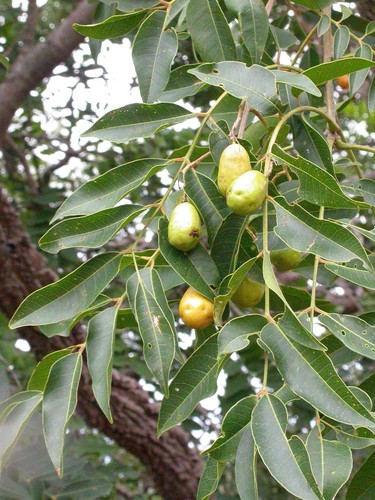
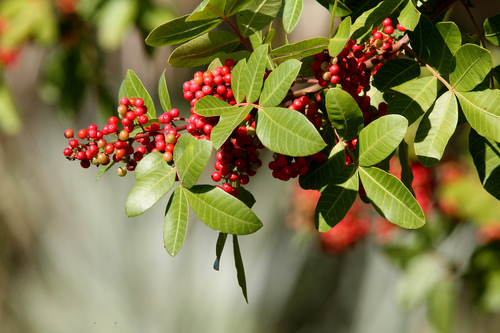
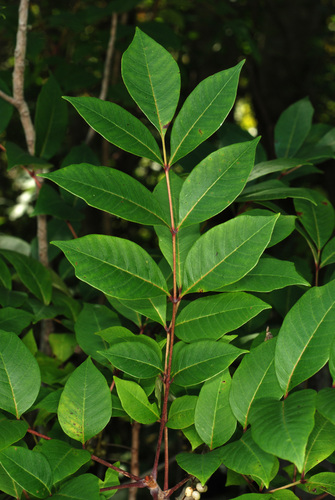
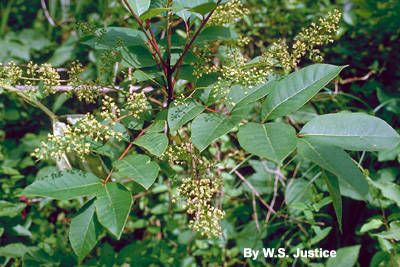
A: Poison Sumac has white or greenish berries that hang down, unlike the red, upward-facing berries of harmless sumacs.
Quick Reference

| Family: | Anacardiaceae |
| Care: | expert only |
| Light: | partial shade to full sun |
| Water: | every 7–10 days during growi |
Get Expert Care Tips
Download the Plantious app for personalized care reminders and plant identification!
Google Play App Store